The Ministry, Theology and Culture faculty (of which I am a part) at Tabor Adelaide has recently started a blog called “Manna” seeking to provide ideas, resources, and challenges to thinking for those in ministry.
This is an article I wrote earlier this week, as I continue to think about the assumptions and presuppositions many people have about the Bible and how they might help or hinder our engagement with it. I’d love to hear what you think, and you might also like to check out some of the other posts at Manna written by my wonderful colleagues on a whole range of topics.
By Rev Melinda Cousins, Biblical Studies Lecturer, Tabor Adelaide
That might seem like a question with a very obvious answer. I’m holding a copy of the Bible in my hands right now. It sure looks like a book. It has pages and everything. But I wonder what unspoken assumptions viewing the Bible as a book might have on how we engage with it. In my experience of reading books, they generally work something like this:
I have quite a few friends living in Canada, so I’ve made the trek north to visit them a number of times over the last few years. Today I’m reflecting on my short visit to Vancouver Island, off the west coast of British Columbia, a place I wish I could go back to spend a little more time, and a place where I was reminded of the importance of appreciating the moments of travel, and not focusing too much on trying to somehow preserve them for later.
What did I love about Vancouver Island?
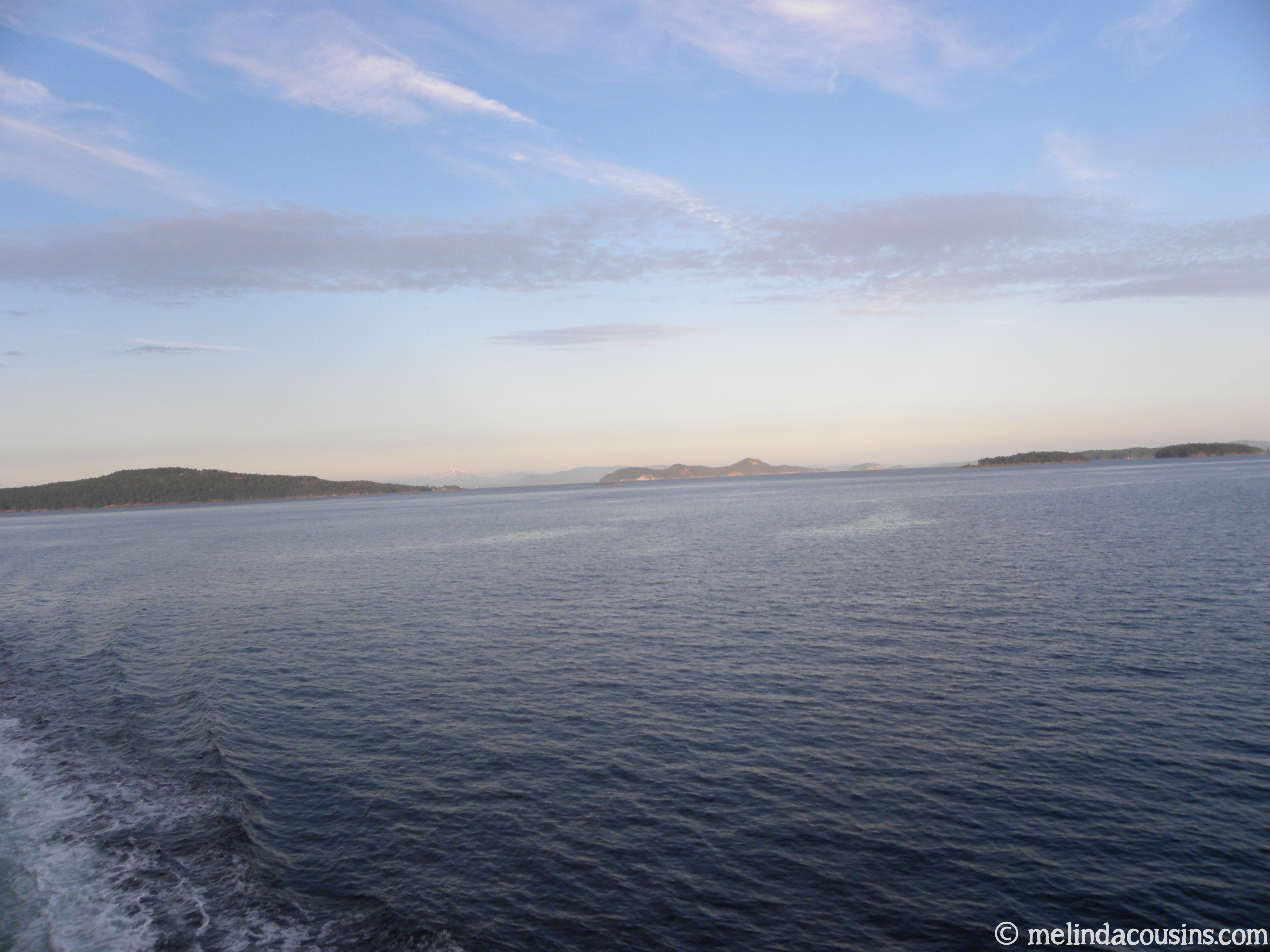
The island is accessed by ferry from Vancouver or Seattle in an hour or two.
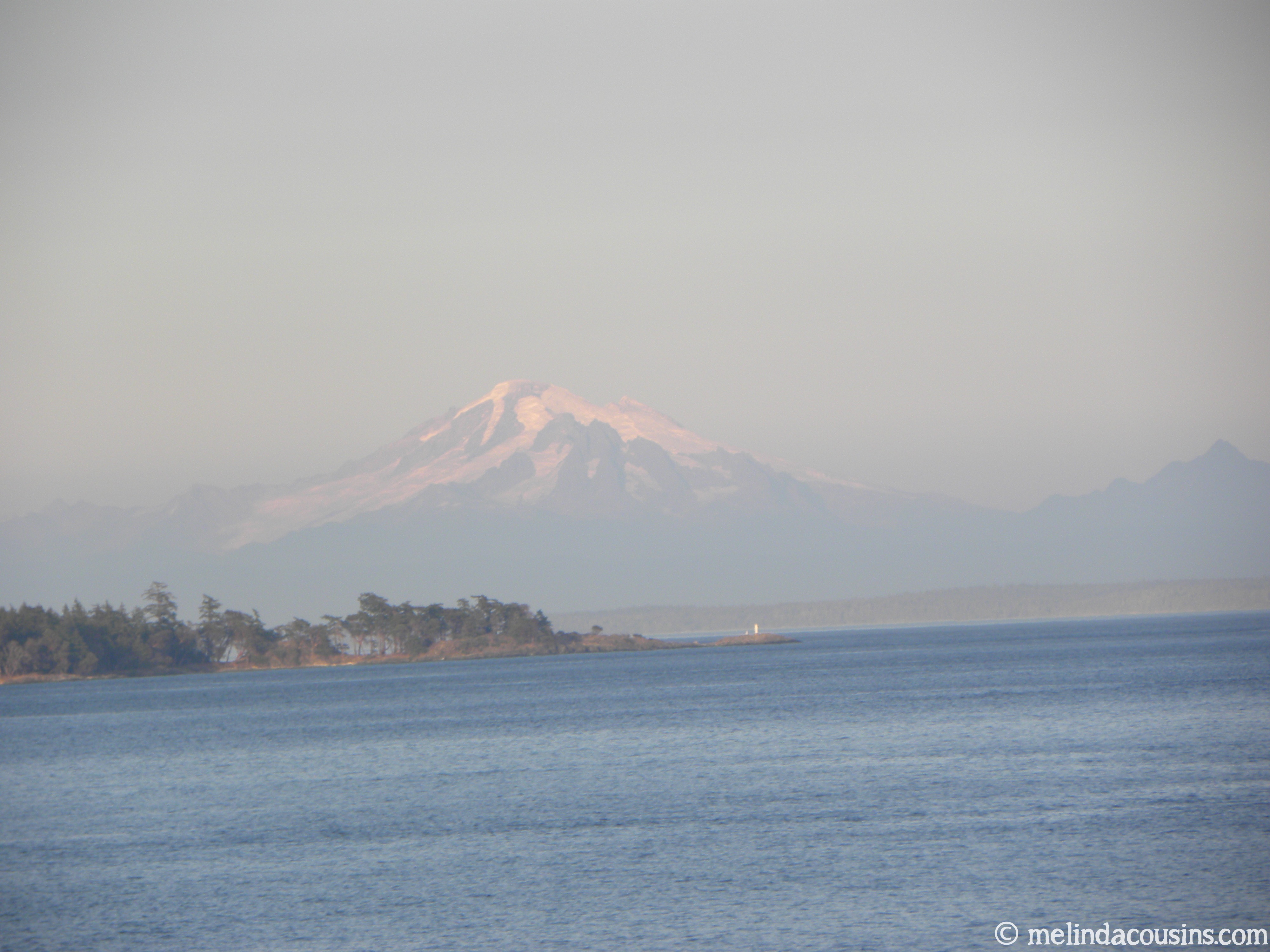
Although I visited towards the end of summer, there were still snow-capped mountains visible in the distance.
The capital city of B.C., Victoria, is located on a harbour on the island.
Inner Harbour at night
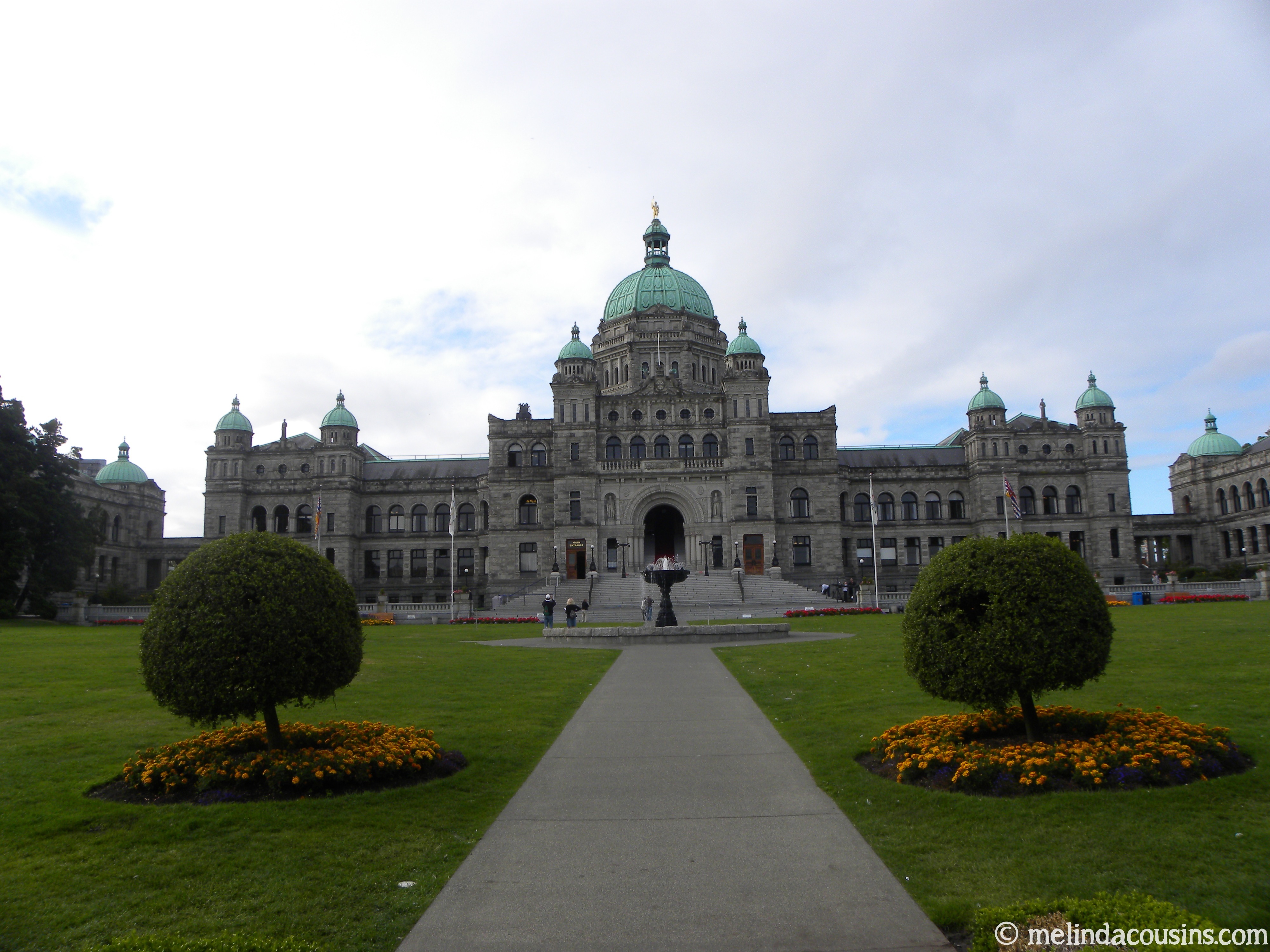
As a bit of a political geek, I always love visiting the legislature buildings of cities that I travel to and learning about their history and politics.
B.C. Parliament Buildings
B.C.’s Parliament building is beautiful both day and night.
There are some obvious similarities and parallels to the Australian parliamentary system, although at the provincial level, there is only one house of parliament rather than two.
Canada also has a first-past-the-post and non-compulsory voting, which seems to make for a more varied make-up of members of the parliament.
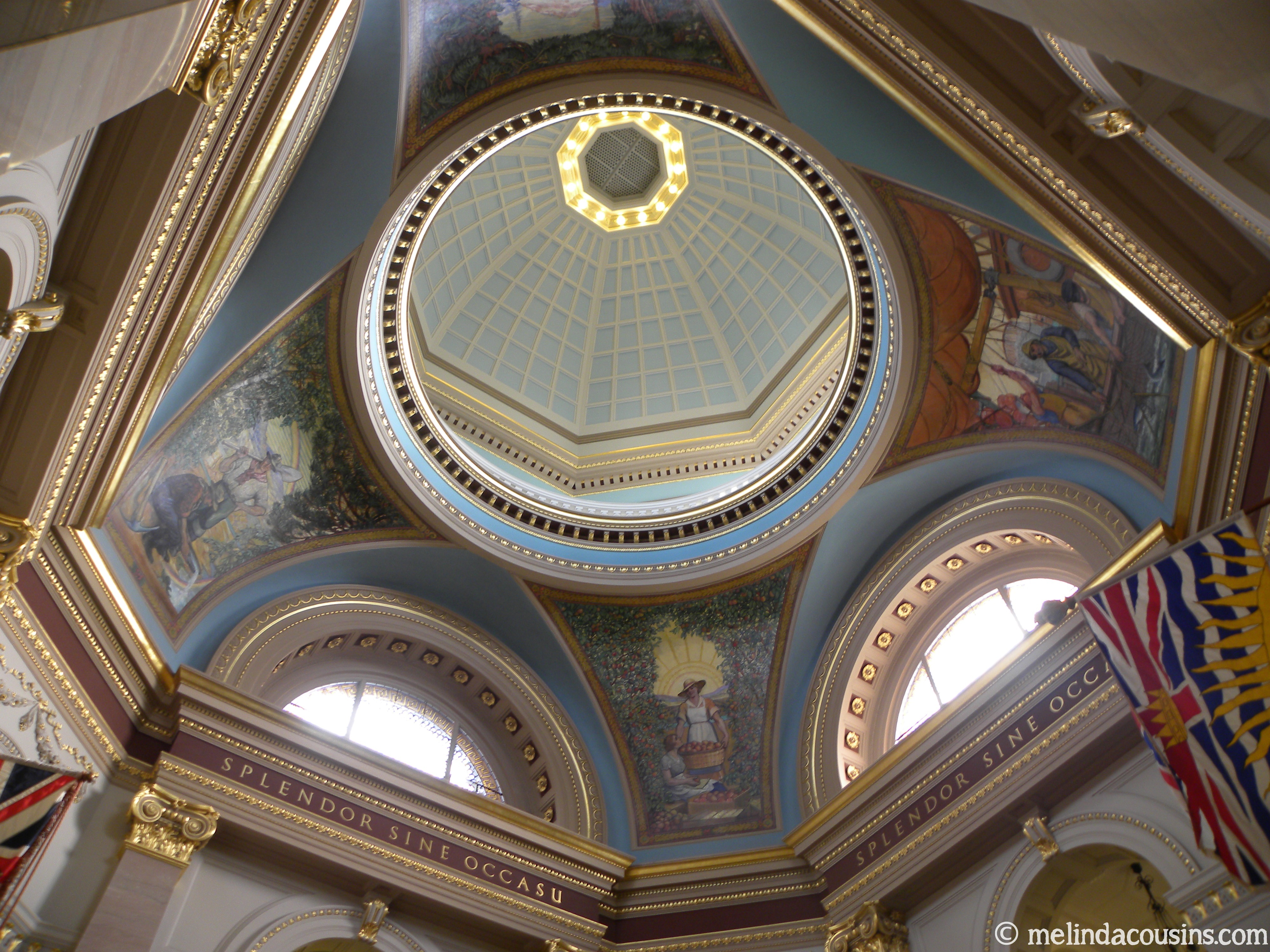
Inside the Parliament Rotunda
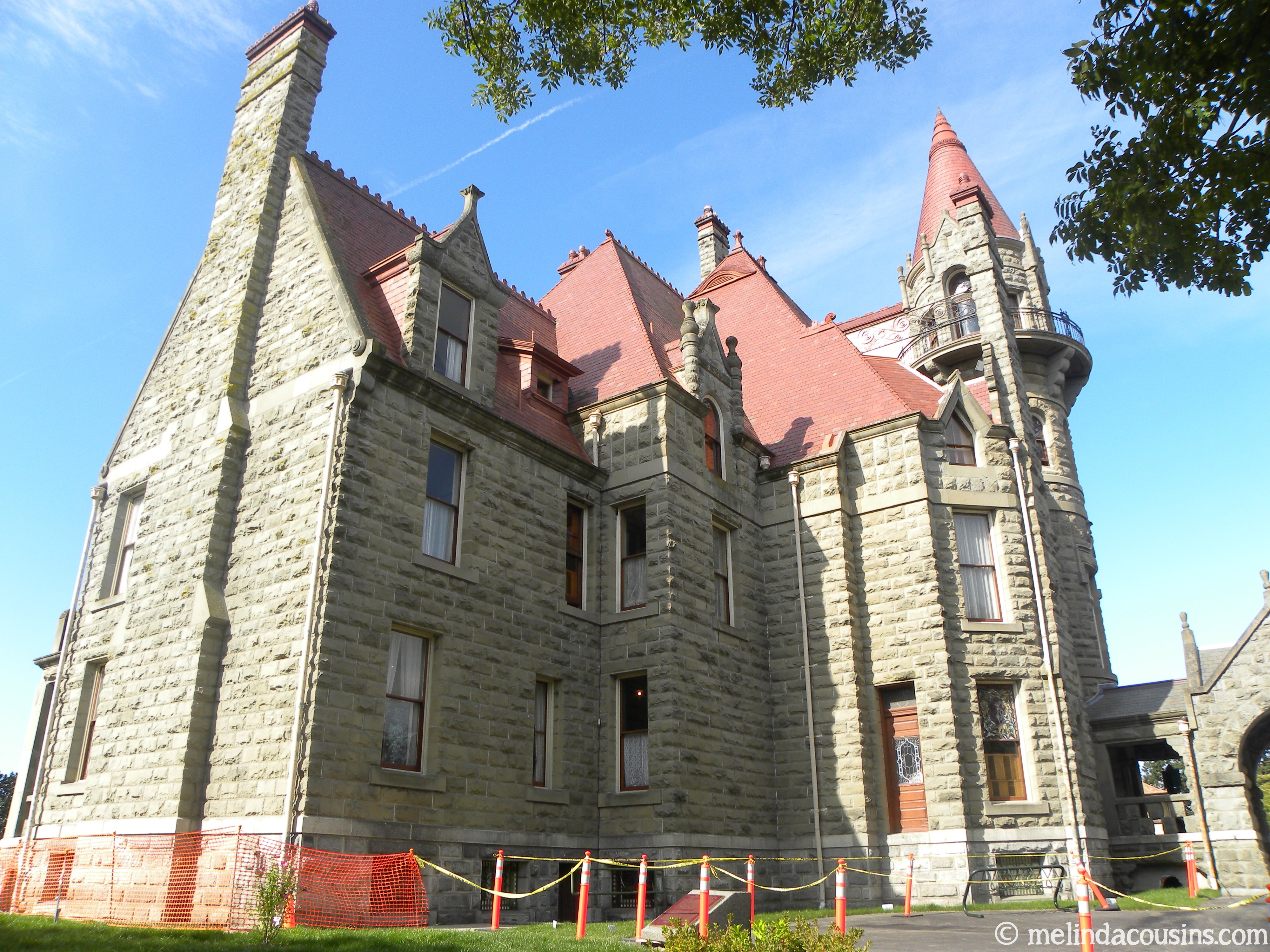
There are some beautiful Victorian-era homes on the island, including Craigdarroch Castle which was one of the filming locations for the 1994 movie Little Women.
One of Vancouver Island’s best known attractions is the Butchart Gardens, a group of privately owned and amazingly well kept floral gardens.
I have to admit at first it didn’t sound like the most exciting place to visit, but when even my father (not at all renown for his appreciation of flowers and the like!) commented on how much he enjoyed it, I knew I had to make a stop there.
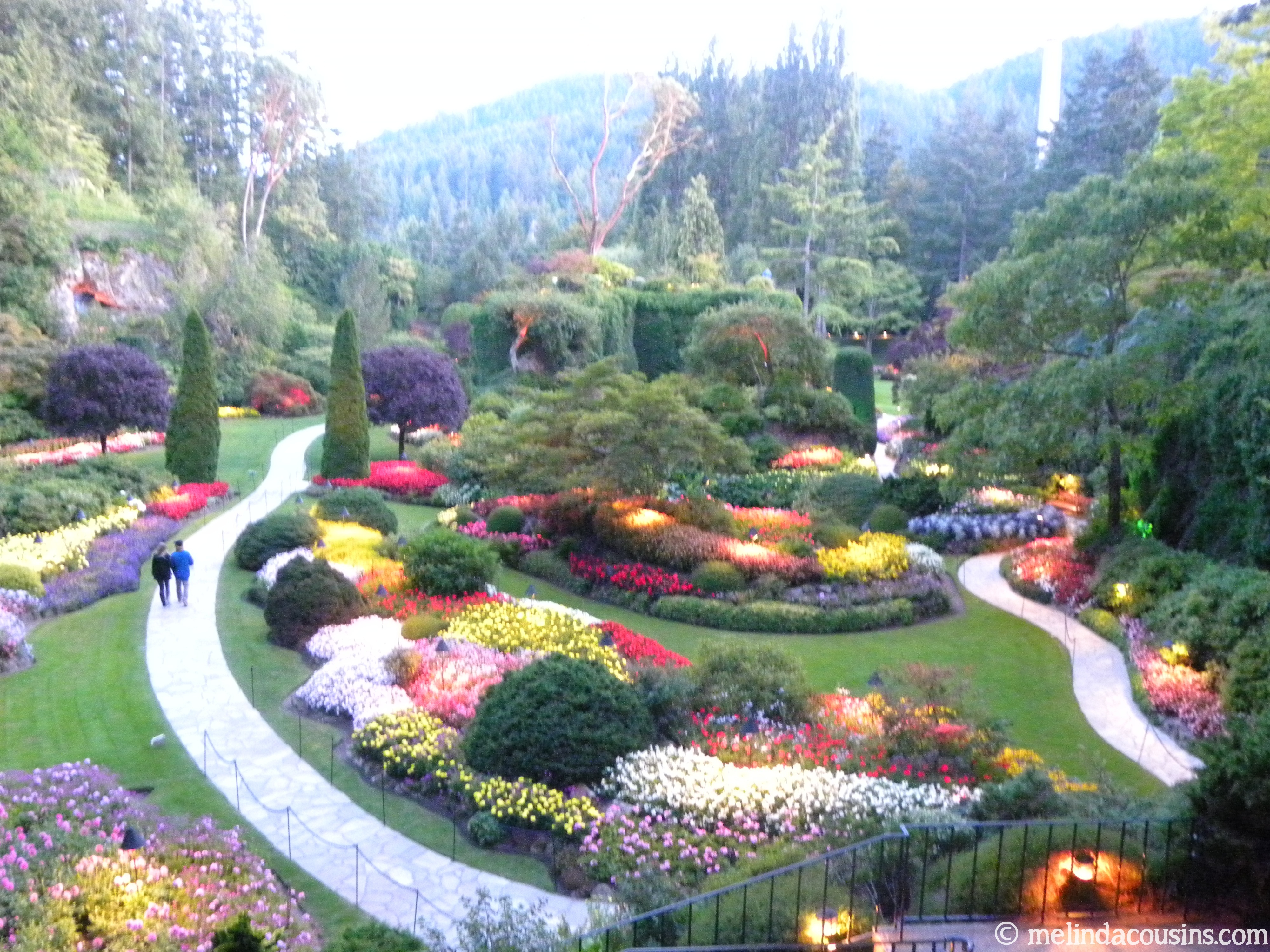
The Sunken Garden
The variety of flowers, fountains, statues etc is impressive, but there was also a great vibe with various live music at picnic spots.
The Sturgeon Fountain
What did I learn from Vancouver Island?
Canadians well deserve their reputation as friendly and helpful people, so it is always a great place to visit. It’s nice to be able to visit a place relatively unprepared, and know that the locals will help you out and point you in the right direction as you need.
My strongest memory from my time on the Island, however, comes from the Butchart Gardens. The Gardens are huge, with such a variety of natural delights to see. My photos don’t do them justice, and this post includes almost every single photo I have from there, because shortly after I entered the gardens, the battery on my camera died. I was so frustrated at the time, surrounded by all this beauty with no way to capture it.
Of course, that is not true at all. It is captured in my memory. And a photo can never fully capture any moment anyway. I was reminded while there how easy it can be with all our modern technology to focus on the documentation of an experience rather than the experience itself. How often am I looking at amazing places, historical or natural, through the lens of a camera? It is great to have the pictures to reflect on later, but it is also so important to just enjoy where you are right then and there.
Entering the Japanese Garden (the last photo I took before my battery died!)
Spending a few hours in that place, with no pressure to capture it, but simply the opportunity to enjoy it in the moment, was a great reminder to me to make sure wherever I go that I soak up the moment more than I worry about capturing it for posterity. I will never be able to capture all I see and feel and taste and smell anyway, so I want to make sure I’m most focused on the place, and the person, that is right in front of me. And that is a lesson I have tried to continue to apply in all my travels since.
We stayed the night before at Çanakkle and watching the sunset over the Daranelles looking toward the Gallipoli peninsula was quite moving.
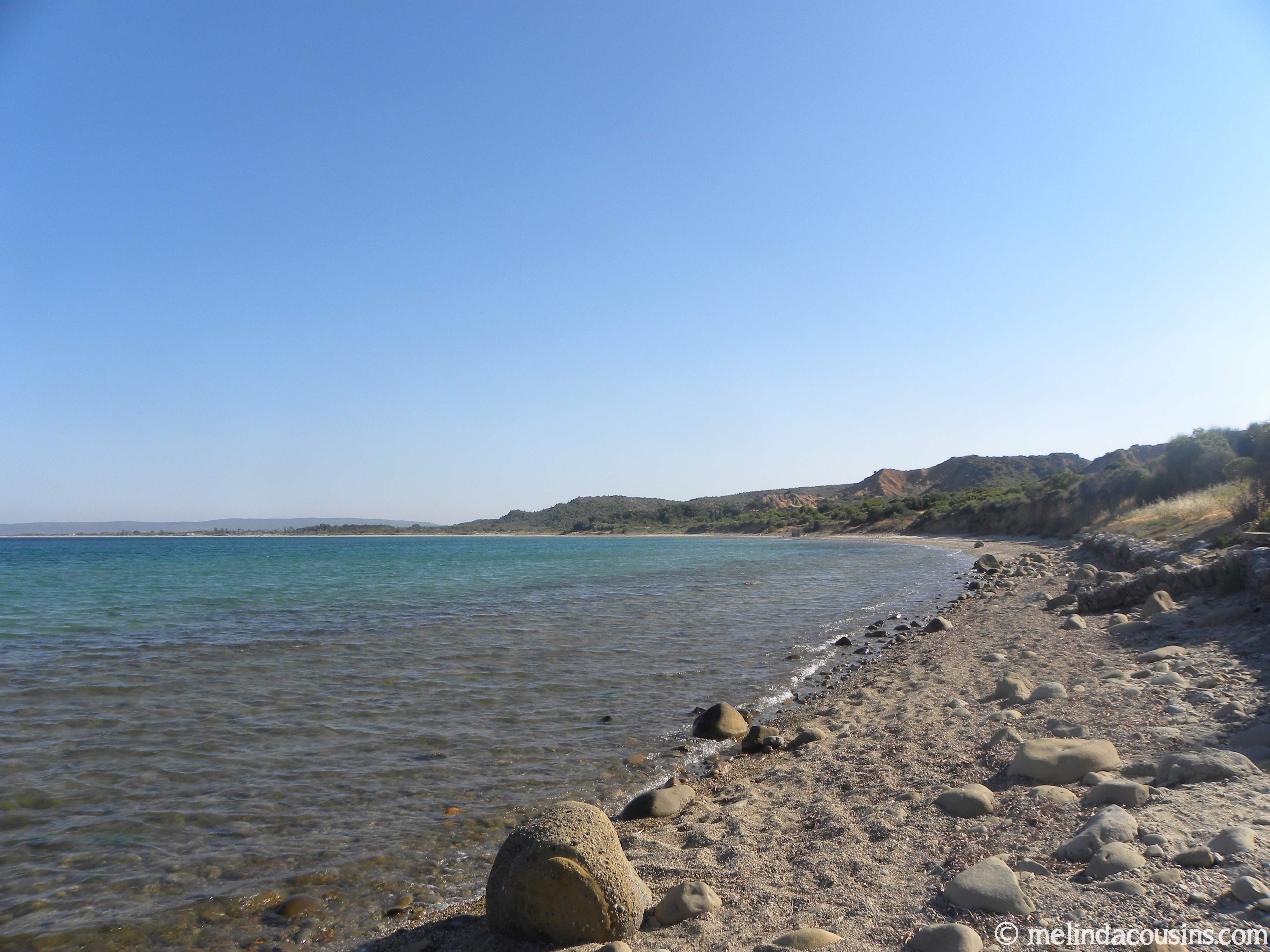
Visiting a place which you have heard of so frequently but never really known much detail about is an engrossing experience. For starters, I found Anzac Cove much smaller than I expected.
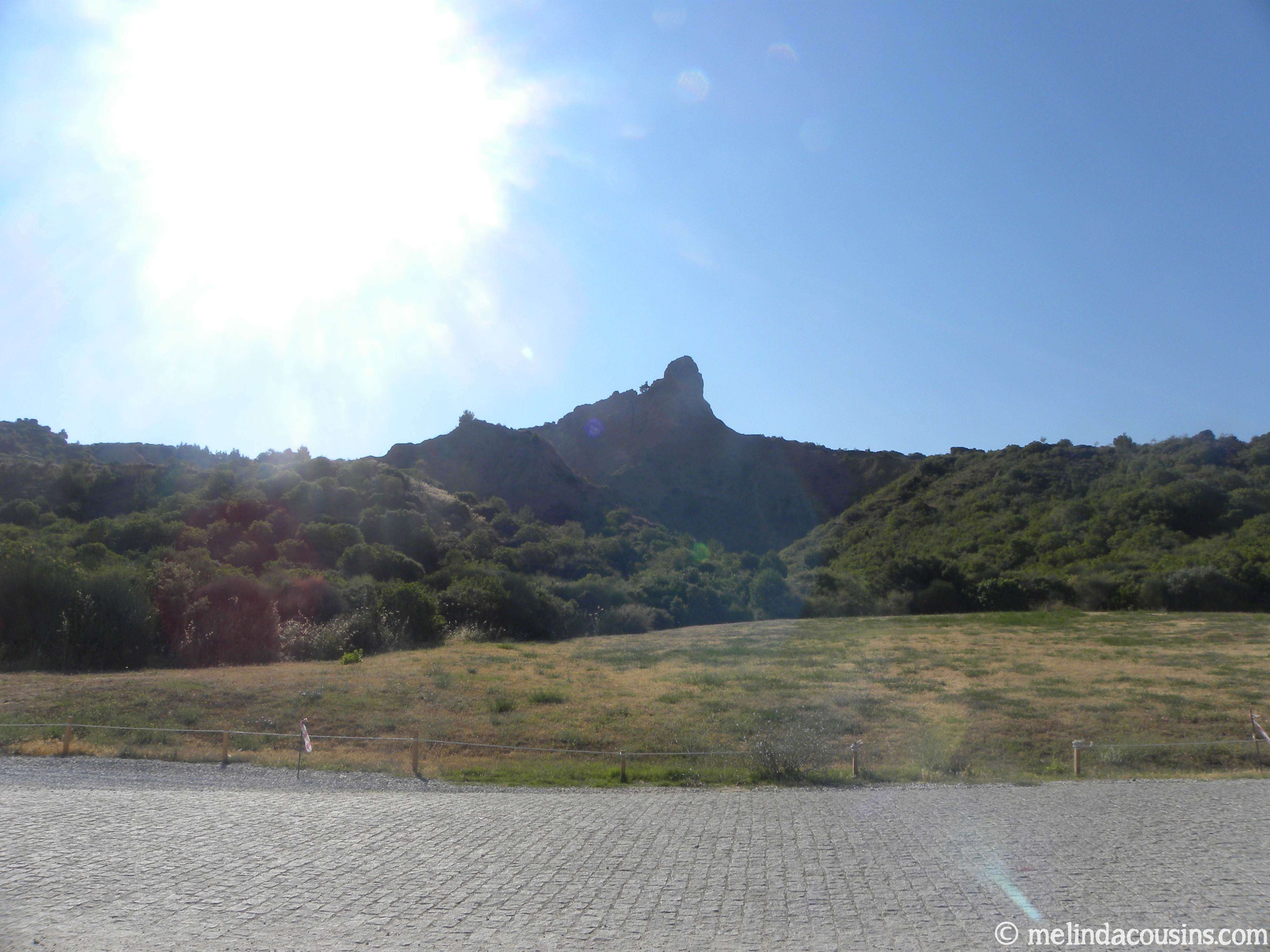
The whole peninsula is fairly barren and undeveloped, and just seems like such a desolate and strange place for our national myth to be centred on.
I’m not generally the most nationalistic person, but it was powerful to reflect on the heartbreak suffered by so many so far away back home whose sons never returned from this place.
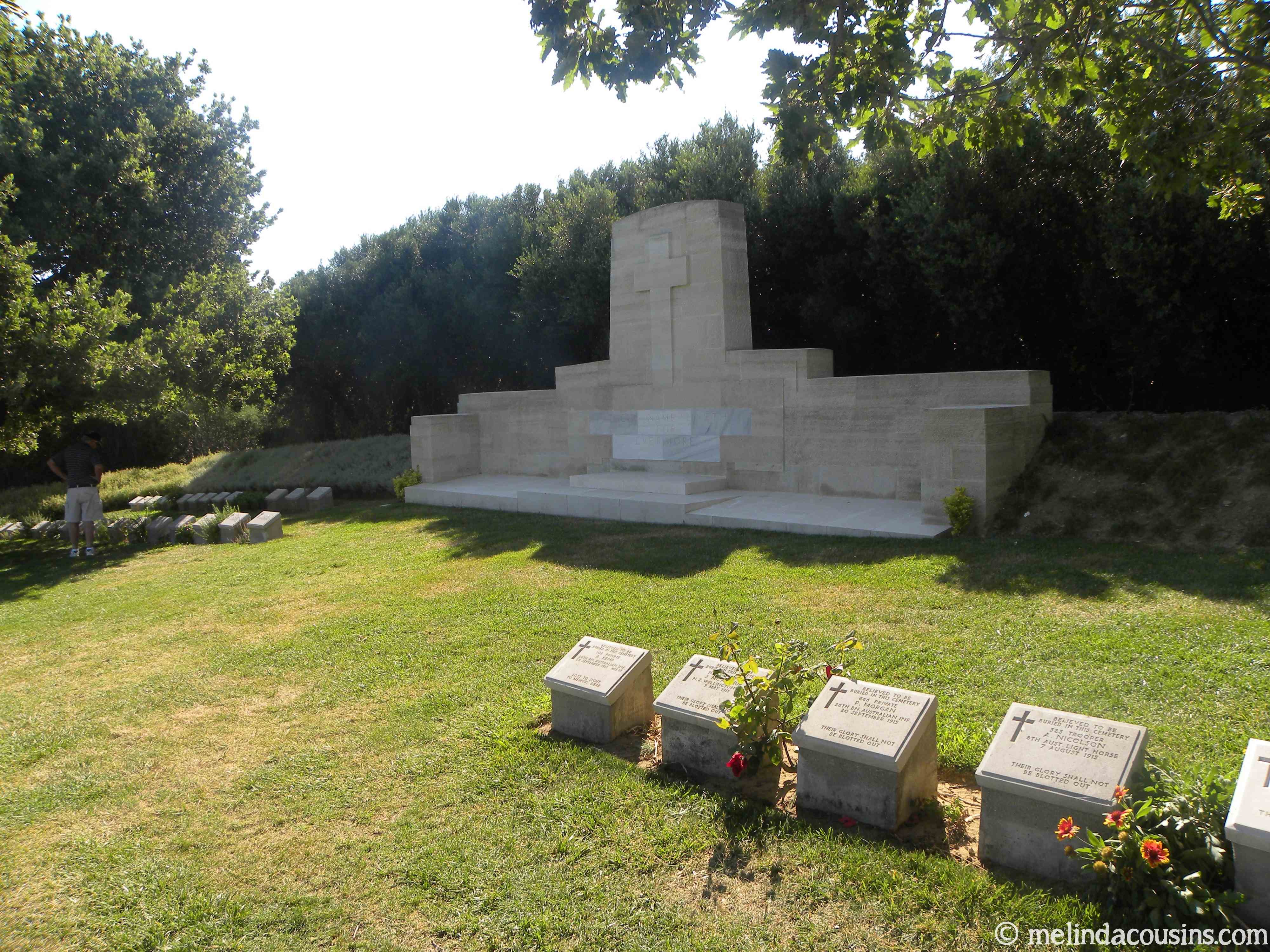
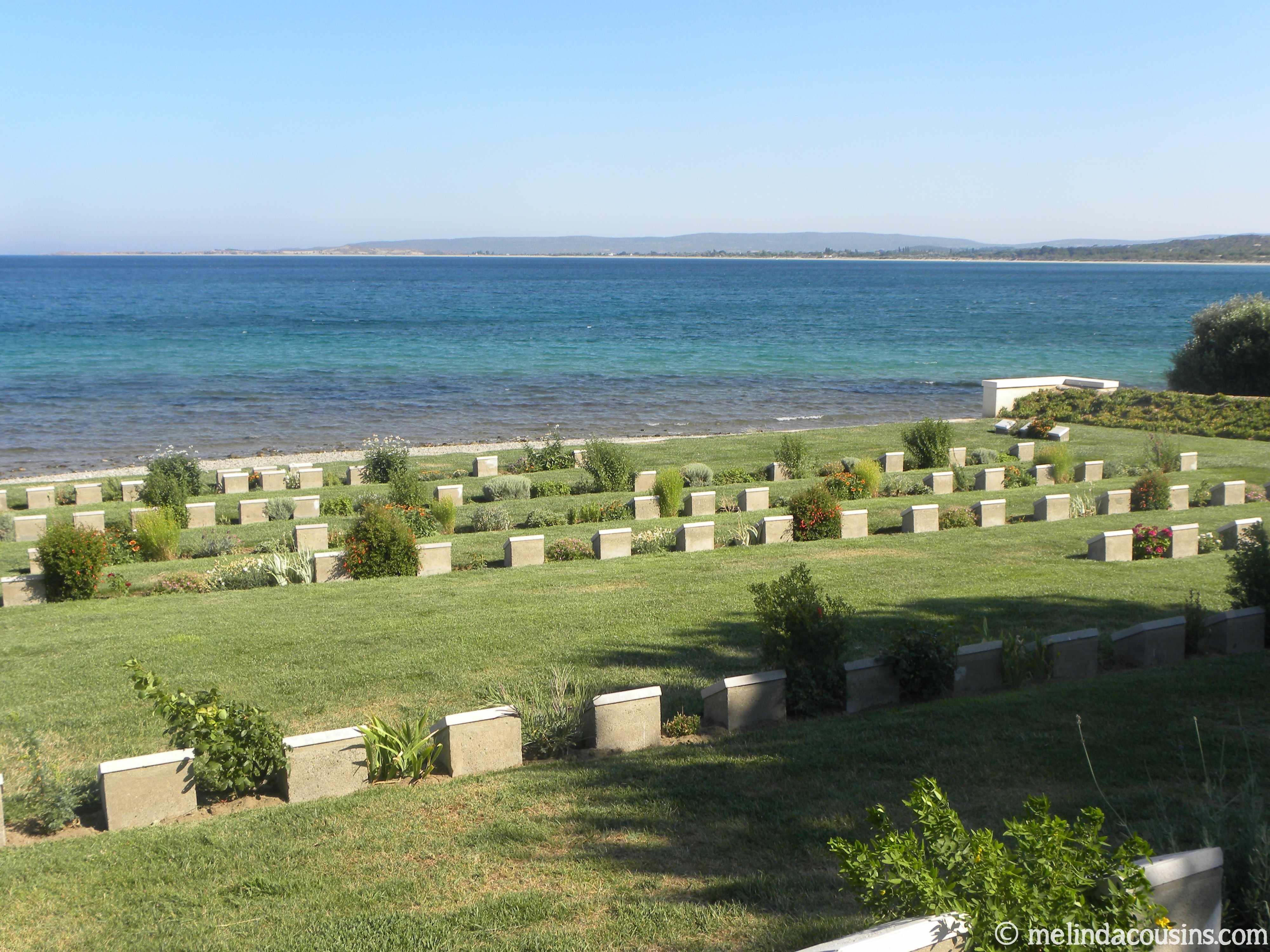
Ari Burnu Cemetery
I was also impressed by the hospitality of the Turkish people in welcoming us to remember and commemorate our story in the midst of their own.
The words of Atatürk, Turkish Commander at Gallipoli and later President of Turkey
What did I learn from Gallipoli?
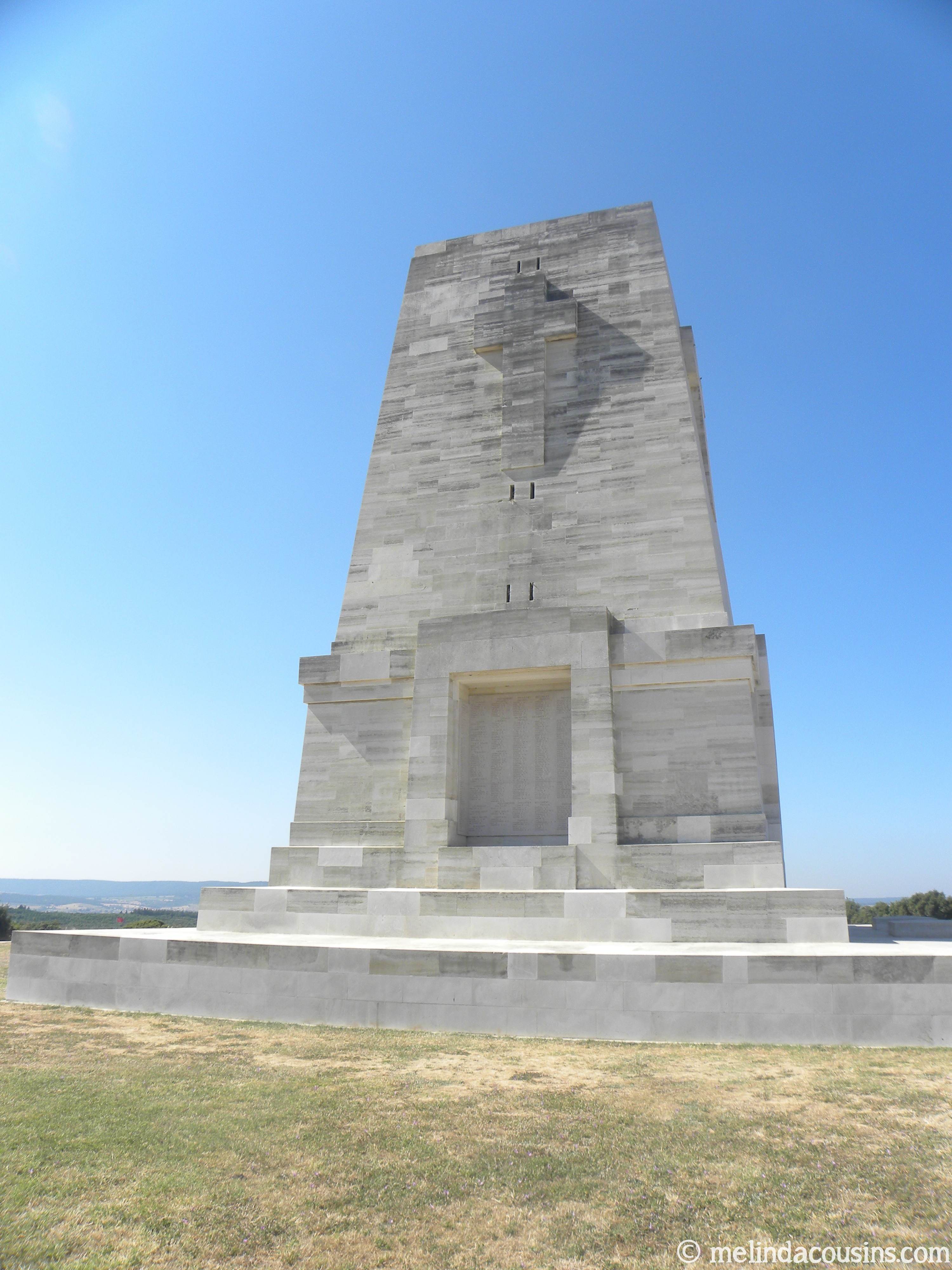
Lone Pine
The number of graves alone tells the story of the futility of war. This is not a place for celebration, but for sombre contemplation on the darkness of human history.
Ari Burnu
I knew we had a distant family connection to Gallipoli, but was not expecting to find a family name on the memorial to those who have no known grave. Certainly that gave me a deeper sense of connection to this place.
And yet I struggled as I stood there to reconcile all the stories, the legends, that I have heard over the years, with the stark reality of this place. I’m not convinced that every individual Australian who faced death in this place was “staunch to the end” or “steady and aglow.” I wonder how many of them were afraid, humbled, and confused.
I couldn’t help wondering how often Australians erroneously glorify this place and what happened here.
Anzac Cove, Gallipoli, Turkey
I had an intriguing conversation with my Turkish guide, when I asked him what he thought about all these Australians coming here to remember. At first he brushed me off with a smile, “We love it! We love you!” but when I pushed deeper, he admitted that he really didn’t understand it. That from his perspective it was a little strange, and that perhaps at times he found the way we spoke and acted while in his country a little offensive.
The Dur Yolcu memorial reads in Turkish: “Stop passerby! The ground you tread on, unawares, once witnessed the end of a generation. Listen, in this quiet earth beats the heart of a nation.”
It can be so hard to see things from another perspective, to put ourselves in the shoes of the “other side.” But perhaps that is the most important lesson of a place like this. How can we move beyond our own side of the story to embrace the truth, which surely includes fault and failing on both sides, as well as inspiration and courage, again on both sides?
The Mehmetcçik Memorial, showing a Turkish soldier carrying an injured Australian back to his trenches
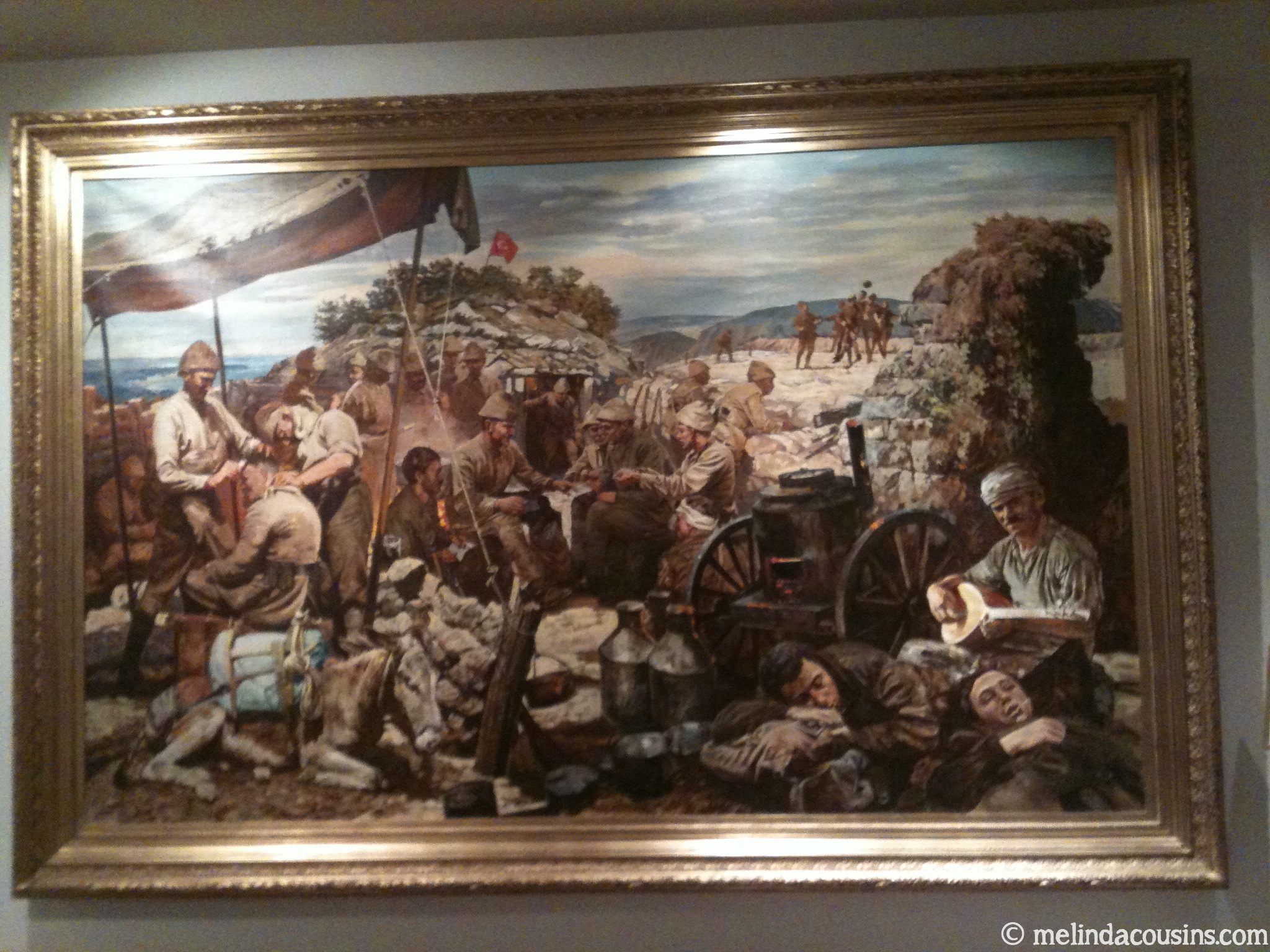
This was really brought home to me a few days later in Ankara, where I saw this painting inside Ataturk’s museum. It looked so familiar … and yet the ones I am used to seeing come from the perspective of the other side. People who place ourselves on opposite “sides” and yet we are all so very similar, so very human, so very caught up in seeing things our own way that perhaps we don’t even notice that those who seem so different are actually very much the same?
In the end, at the going down of the sun, I hope we do remember them, all of them, from all sides, and learn from them all.

 By Rev Melinda Cousins, Biblical Studies Lecturer, Tabor Adelaide










 Thinking Out Loud ...