All posts by melindacousins

Crying over spilled leadership?

Last Friday afternoon I found myself, like numbers of my fellow Australians, glued to my phone, waiting and watching for the results of the latest Liberal party leadership spill. Waiting to find out who our Prime Minister was.

The flurry of social media polls and memes. The speculation and rumours. Then the results, the announcements, the reactions, the counter reactions, and the counter-counter reactions.

Now it’s a week later and  … it feels like nothing much has changed.

Don’t get me wrong. I’m grateful to live in a country where we can have a sudden and unexpected change of political leaders without shots fired or bombs detonated, without mass protests or prison sentences. I recognise that throughout history and across the world, that is a pretty privileged position to be in.

I’m also frustrated that many of the policy decisions that disturb and outrage me remain unexamined regardless of who is in charge.

But I can’t help feeling like the change of leadership itself should matter more. That the very fact of who leads us should somehow be more significant in its influence and impact upon us.

Sure, for the political die-hards the conversation has continued. And amongst that group there have been plenty of ongoing discussions about the roles of gender and faith in political leadership, not to mention the leaking of several disparaging stories about various contenders. But most other people I have talked to have already moved on. Nothing to see here. More of the same. Whatever.

Perhaps it just shows how disconnected our political leaders are from most people’s everyday lives. Or perhaps it demonstrates our own apathy and lack of engagement in the electoral process. Maybe it demonstrates the lack of diversity amongst those who rise to the top in our system such that they become barely distinguishable from one another to many.

But as someone interested in leadership and influence more broadly, I wonder whether it also has something to say about our understanding of leadership itself.

Is there something to learn here?

If we’re honest, most of us in leadership roles like to think that who we are and what we do really matters. That people would notice if we were gone. Perhaps even that things would fall apart without us. It is disheartening to feel that we might be but cogs in a machine that will continue to turn unabated regardless of whether it is us or someone else in the position of influence and power.

And perhaps if we too were offered the opportunity for greater significance and prestige in leadership we might be tempted to do whatever it takes to grasp hold of it.

But is that what leadership is really all about? Is leadership really about us at all?

Some of the commentary on the events of the past week has pointed to a deeper concern. The bipartisan chord struck by Senator Richard di Natale’s fiery speech suggests that maybe many are actually looking for a different kind of leadership. That in the midst of crises and trials, we are looking for leaders who put their service to the people they represent above their own interests and ambitions. For a kind of leadership that empties itself and seeks the good of the community first and foremost.

This kind of leadership appears to be much harder to come by. Not just because we don’t often see it in our political leaders, but because I know myself how much I struggle to embody it. And how often we can be tempted to disregard it.

But it is the kind of leadership that has been demonstrated to have a different kind of power: the power to truly transform lives and through those lives to change the world for good.

Jesus of Nazareth said to his followers, “You know that the rulers of the nations lord power over them and their high officials wield authority over them. It is not to be like this among you. Rather, the one who wants to become great among you is to be your servant and the one who wants to be first among you is to be your slave, just as the Son of Man did not come to be served but to serve, and to give his life as a ransom for many.” (Matthew 20:25-28)

And when His followers have taken those words to heart and followed His example to lead by serving, when the church has been at its best, lives, communities, and nations have been transformed. This is the model of leadership many are crying for.

So whether the political conversation simmers down for a while or boils over again soon, as I reflect and think out loud about my responses, my question today is this: How can I let the dissatisfaction I am feeling with our national leaders challenge me as to what kind of leader I am and want to be?

Can we be thinking about how leadership might be ‘spilled’ in a different kind of way, in the pouring out of ourselves for the benefit of others? Or in other words,
What does it look like for me to lead by serving?

Beauty, darkness and hope: or today would be a good day to be in Kraków

I love living in the city and I have loved travelling to numerous cities around the world. There is great beauty in the history, the architecture, the art, the culture, found in the compactness of an old city. Side by side, layer by layer, the joys and accomplishments, alongside the sorrows and horrors. The best and worst of humanity can often be seen. Beauty just across from darkness, and somewhere somehow in the midst, hope.

Kraków is Poland’s (and one of Europe’s) oldest continuously inhabited city. While one of my main goals is visiting this part of the world was to spend a significant, but certainly not ‘good’, day at Auschwitz-Birkenau, Kraków was an unexpected delight. It is a gorgeous city, but it also has its own historic horror, and I found myself looking for both beauty and hope.

What did I love about Kraków?

Kraków’s entire medieval Old Town is on the UNESCO World Heritage List.

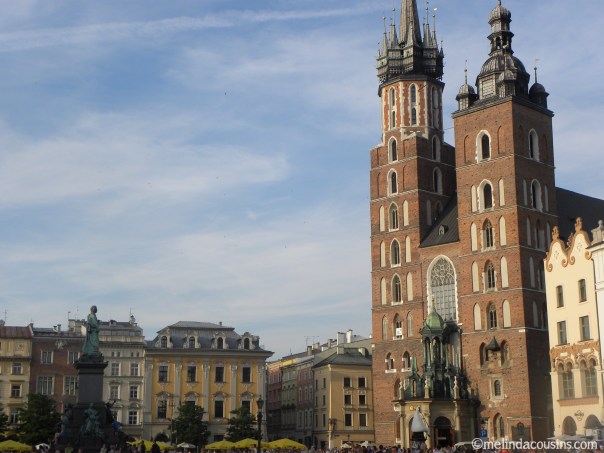
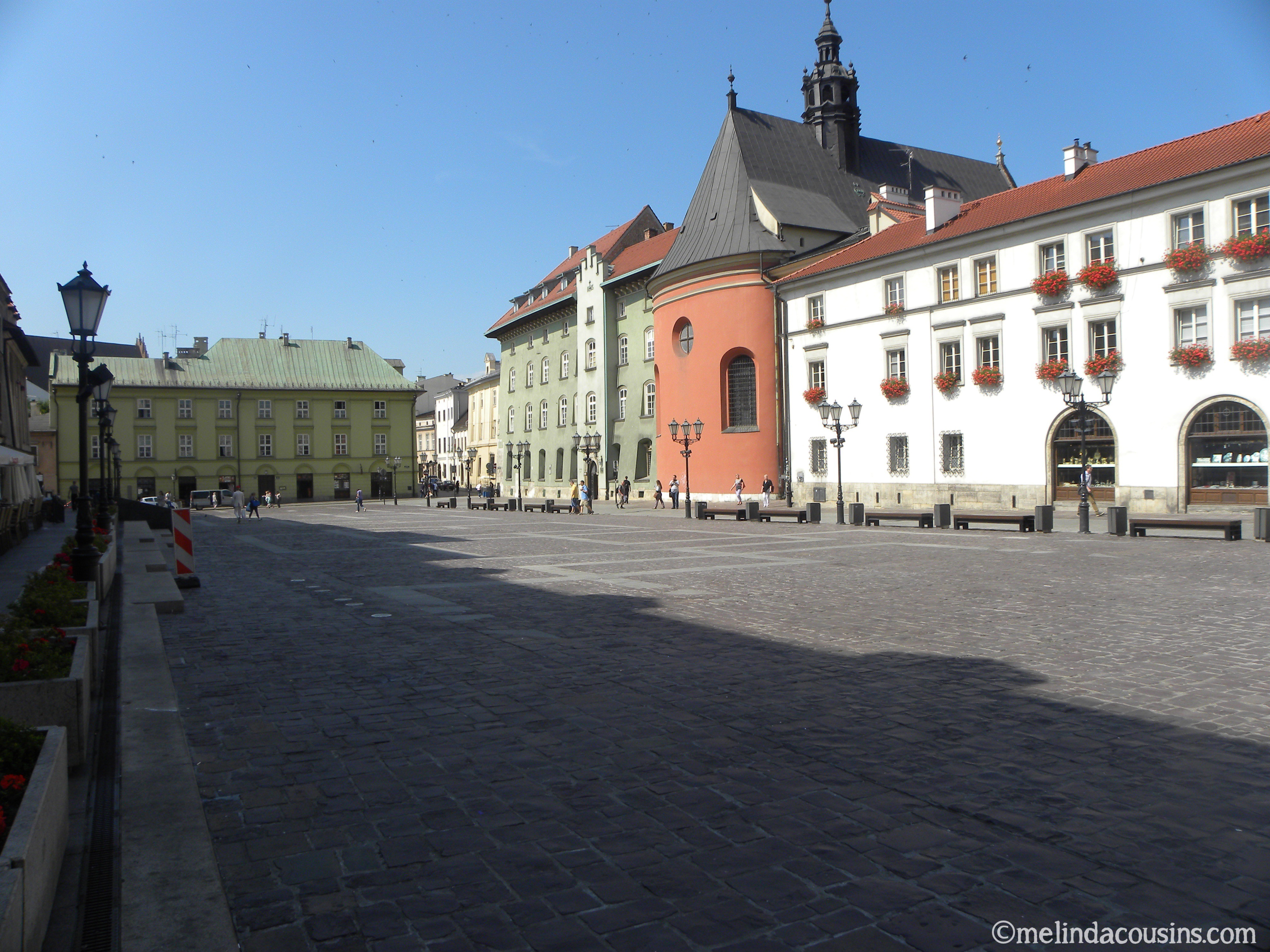
The town square is a gathering place of art, food, performance and music.

At one edge sits St Mary’s Basilica.

DSCN3104

Inside is its famous Gothic altarpiece,

and its stunning painted ceilings and walls.

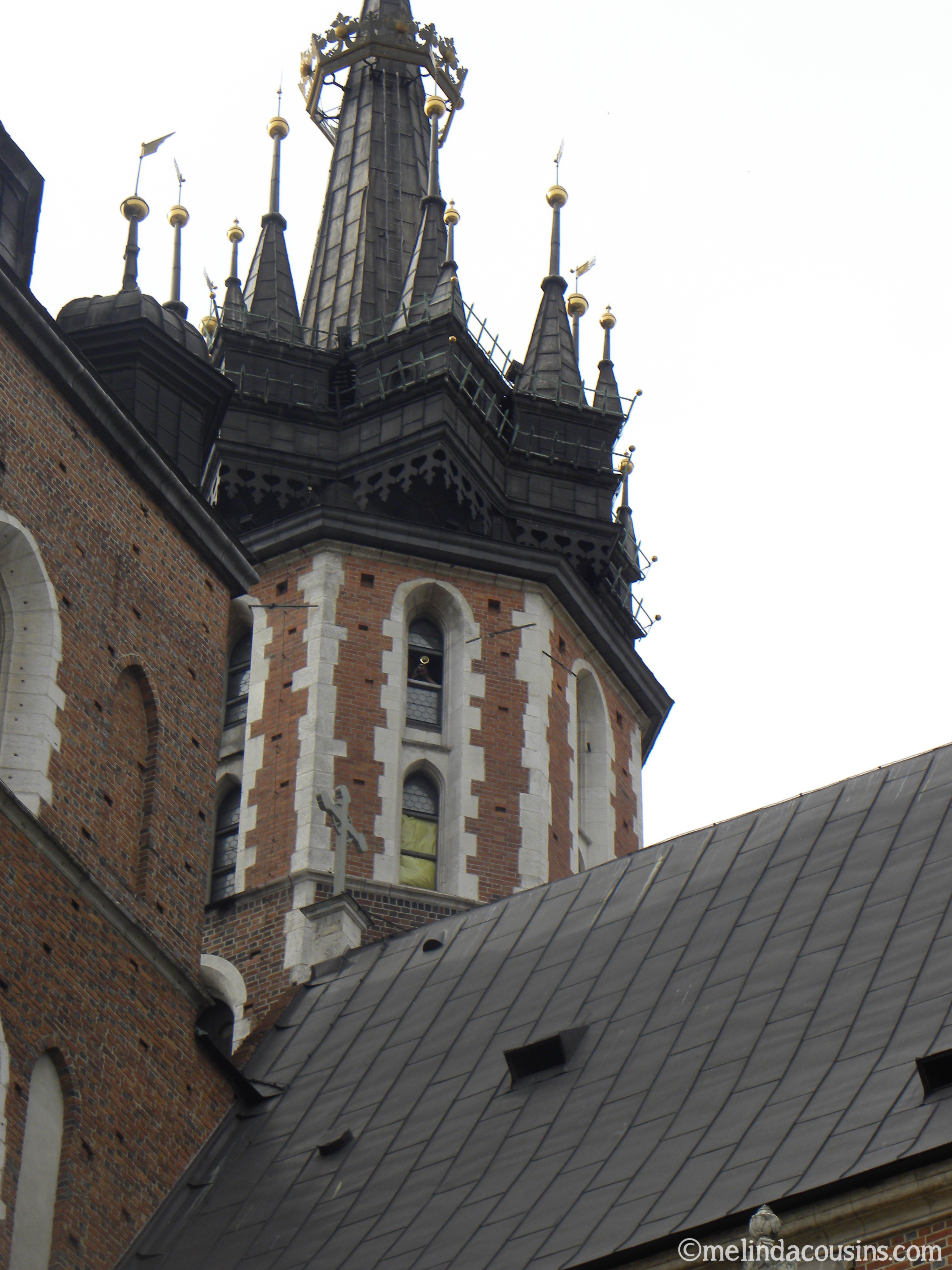
Every hour a trumpeter appears from the highest tower to play a traditional anthem.

Down the city’s narrow streets are hidden gems of buildings …

… and gardens  …

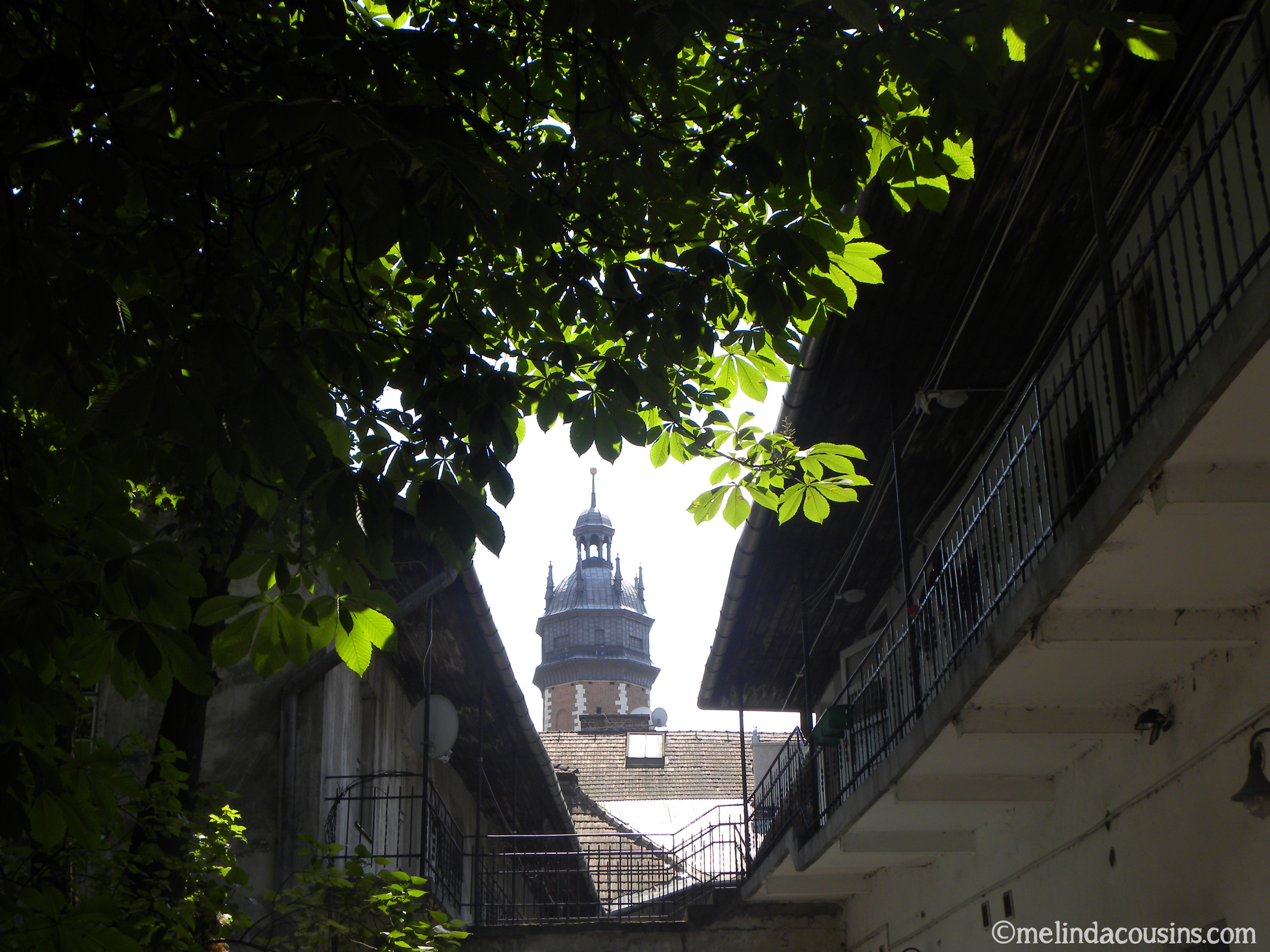
… and courtyards.

DSCN3106

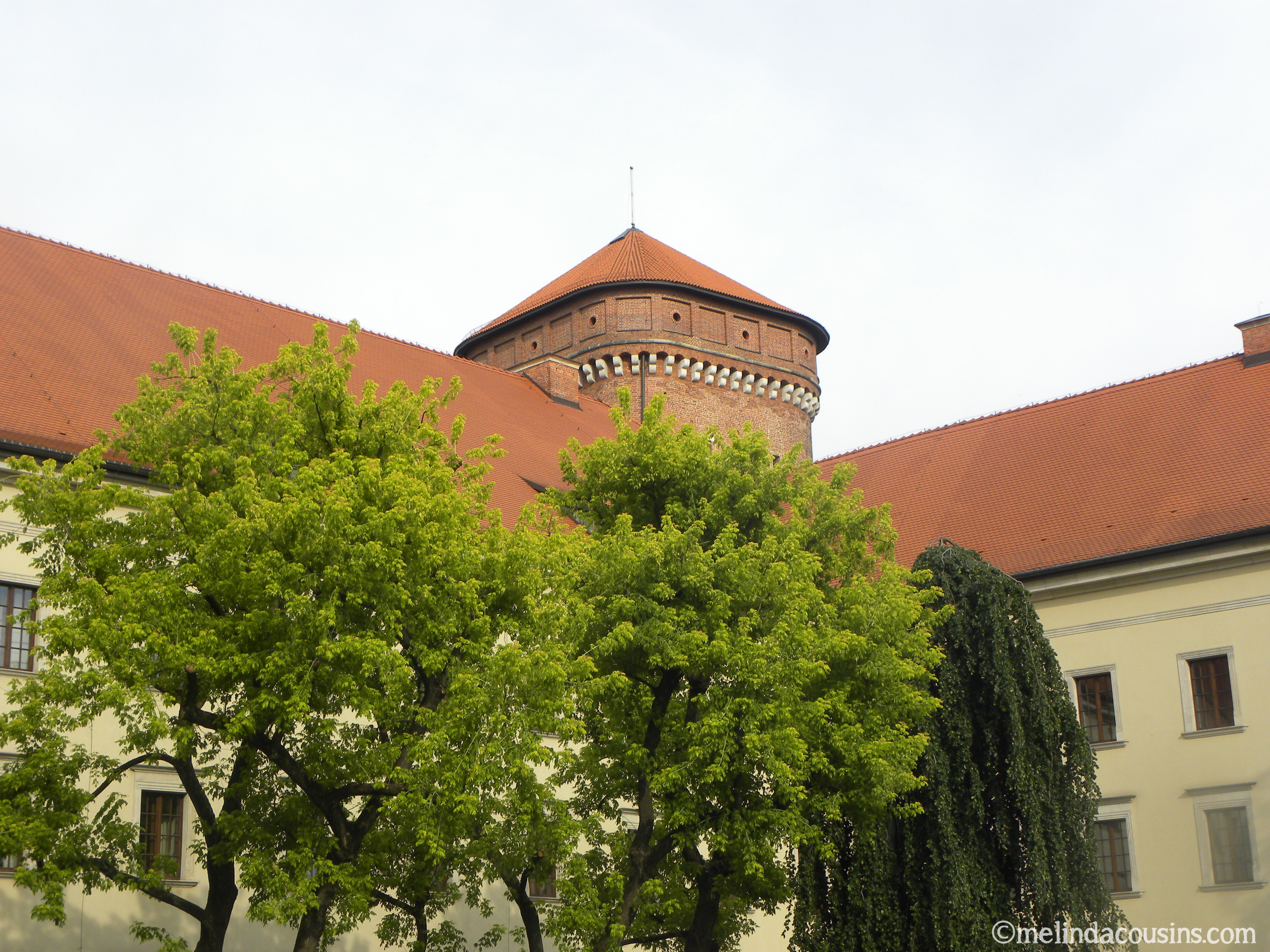
Overlooking Old Town is the fortified castle hill of Wawel,

with its Cathedral consisting of a conglomeration of chapels and domes of varying styles and periods.

The Jewish history of the city is seen in Kazimierz and its own market square, Wolnica.

Here, the beautiful Three Musicians sculpture and its adjacent tree caught my eye.

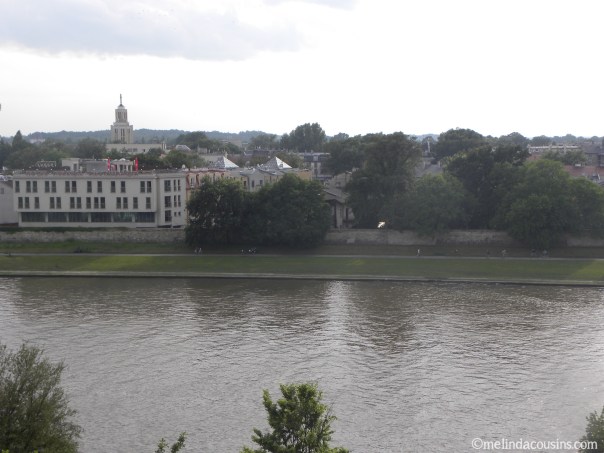
From there it is a short walk to the Vistula river

DSCN2922

with its modern bridges joining different parts of the city easily and accessibly.

DSCN3143


What did I learn from Kraków?

It is on the other side of the river that some of the darker parts of this beautiful city’s history became more apparent.

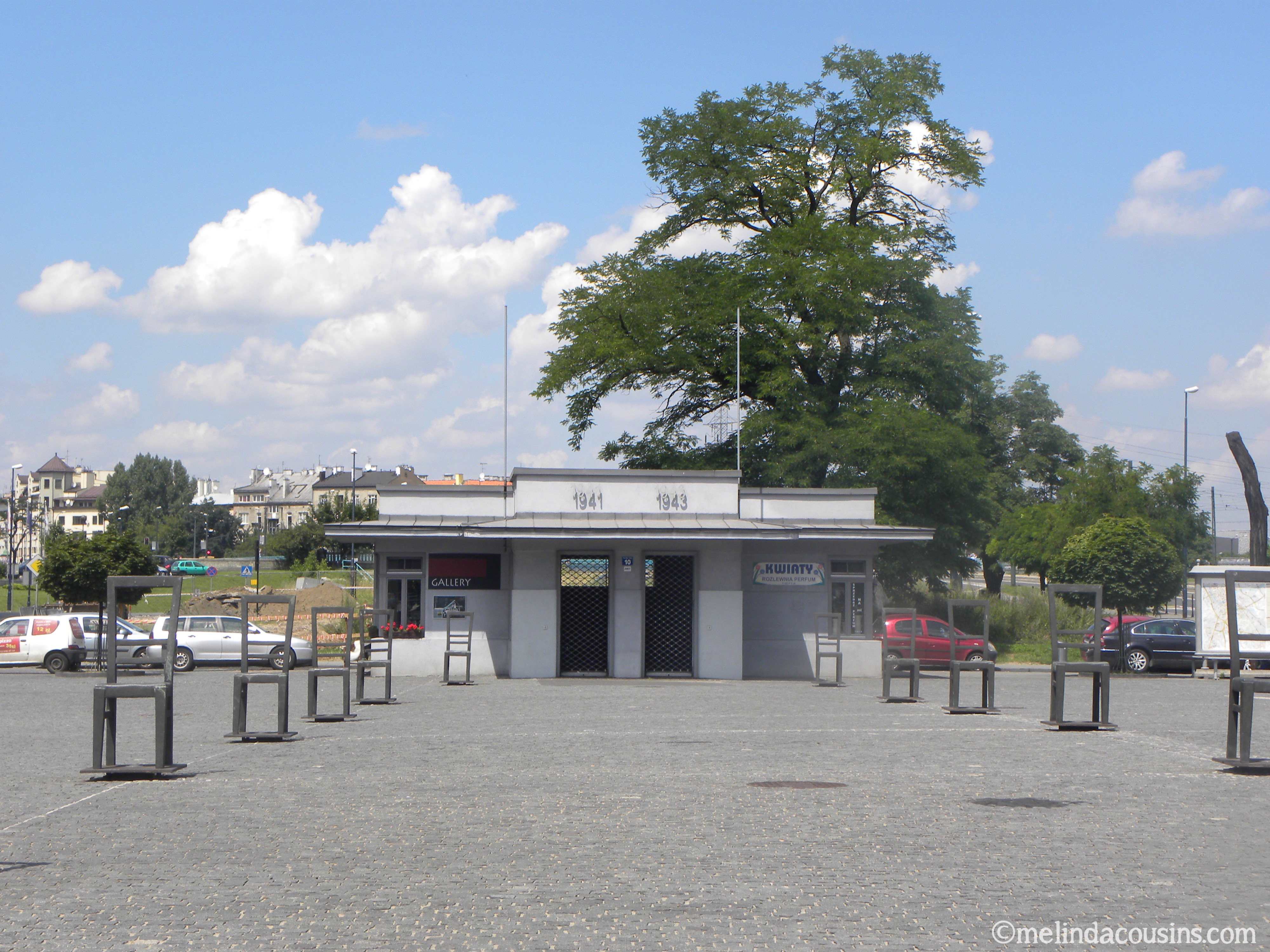
Here in Podgórze the Kraków Ghetto was established in 1941.

It was ‘liquidated’ (far too sterile a term) in 1943.

A simple memorial in the square is confronting in its starkness.

Each of the 70 chairs represents 1000 lives.

DSCN3159

One glimpse of hope is the Schindler Factory, best known from the 1993 film, which is today a museum about this dark chapter in world history.

But for the people of this city, perhaps the best glimpse of hope is found in their favourite son, a man named Karol Józef Wojtyła, who lived here during this horrific period in history. After losing his family, he turned not away from but toward God and entered the priesthood.

Some forty years later he was elected Pope, taking the name John Paul II and becoming a beloved figure known for his commitment to peace and reconciliation. Hope out of darkness indeed.

Feet and pathways … groundedness and walking in the lands of the Bible

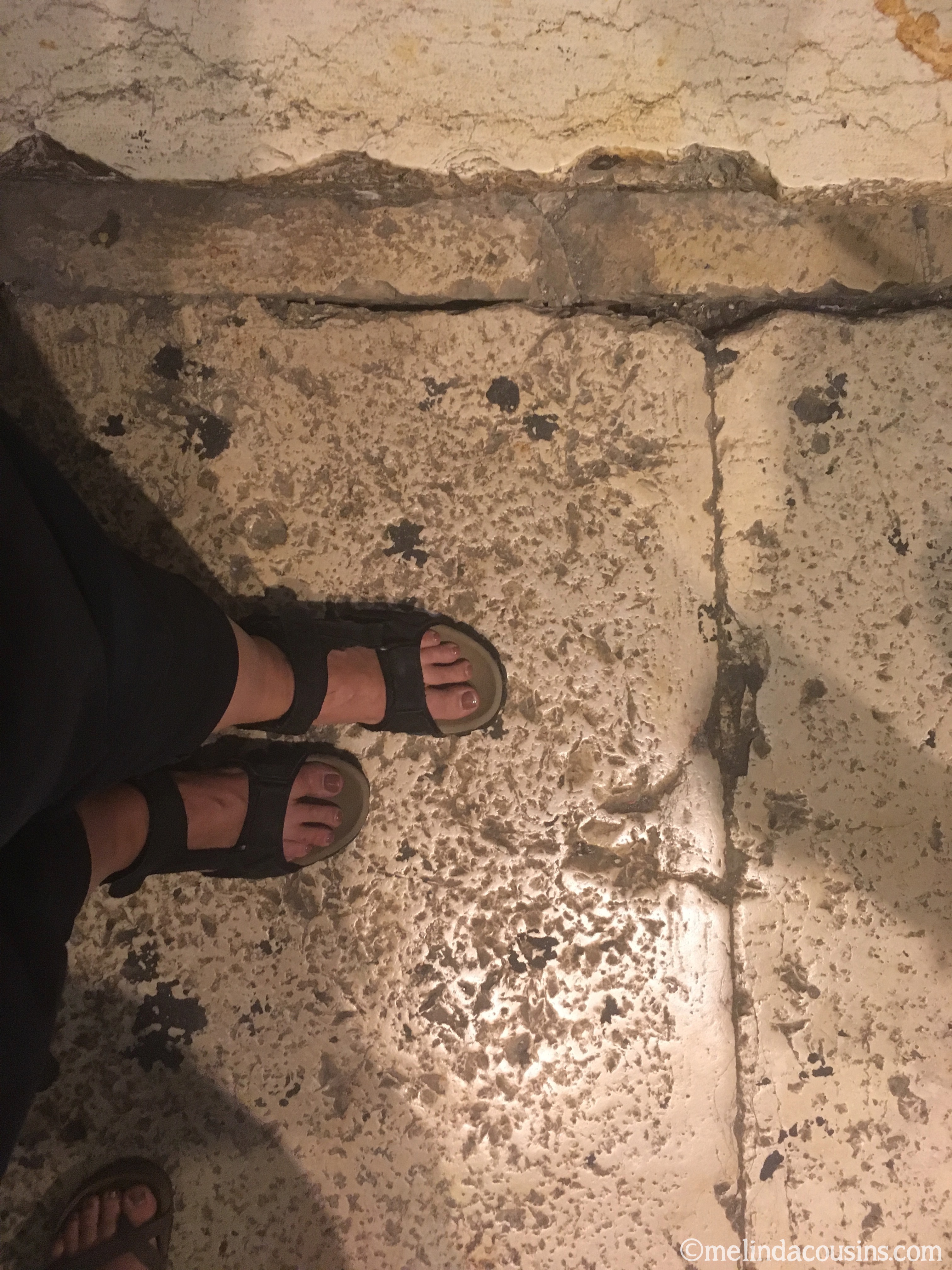
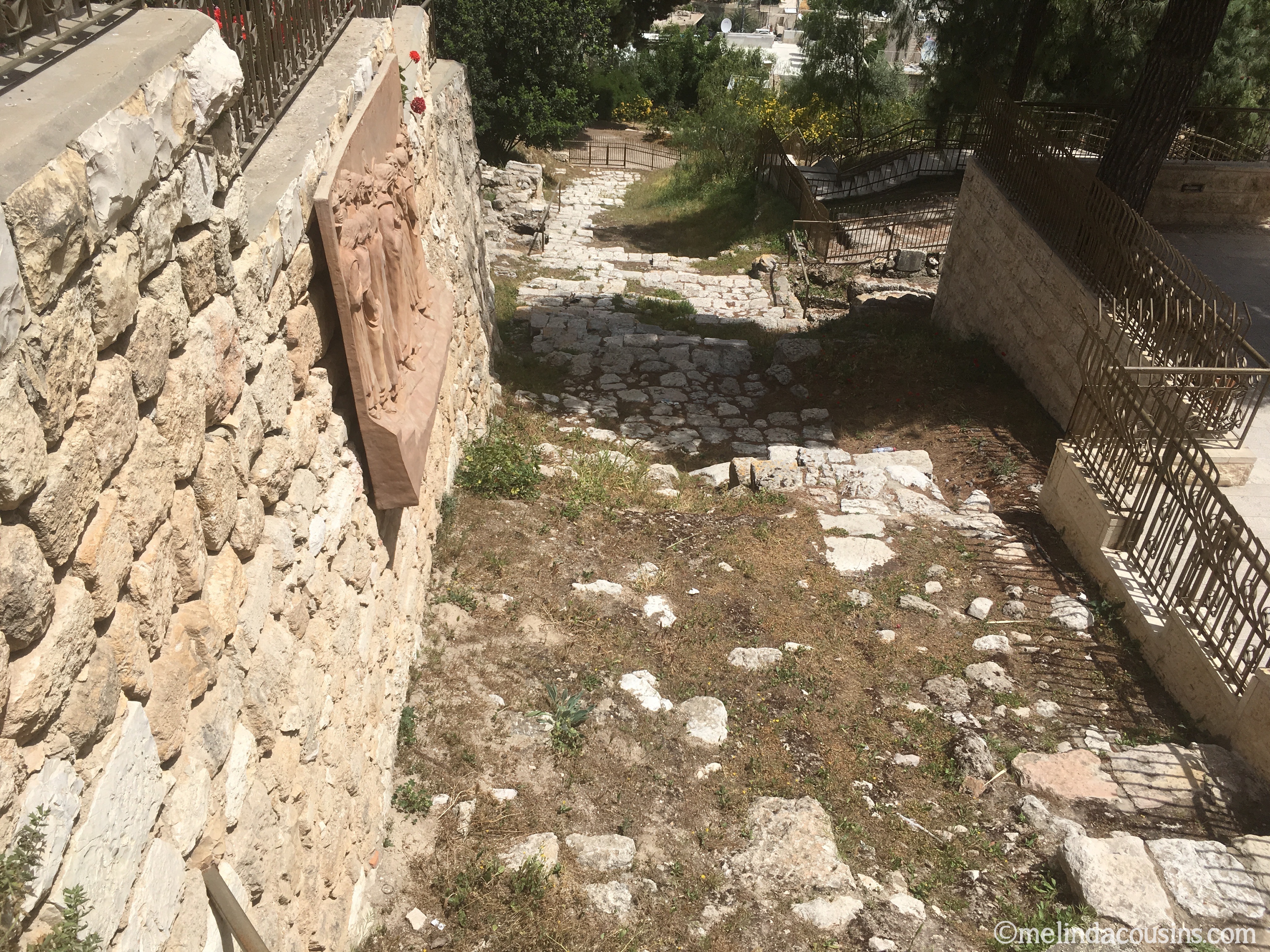
Looking back through the photos from my recent time in Israel and Palestine, alongside the Walls and Windows, I was struck by the number of photos I took of my feet and of pathways I was walking on. This is not uncommon. Many of those I traveled with did the same.

There is something about walking in the lands of the Bible that causes people to look down often and to marvel as they do so.

“My feet are standing where Jesus stood.”

“I am walking where Abraham walked.”

“This path is one Paul would have used many times.”

For me, this is tied to one of the key benefits of the study purpose of the trip we did. It provides a sense of ‘groundedness’ to the biblical text. It highlights that the story we read and live out of is a story that took place  in real time and real space. It enables us to picture the contexts of it in concrete ways.

There is a connection to history and story through a sense of place. And a reminder that God continues to meet us within our own real place and time.

This is something I think many from other cultures, including that of the Aboriginal peoples of my home land, understand much better than I do. The connection that walking the land brings to history, identity, story, family, belonging, and being.

I’ve also been struck by the idea of walking as a means of making sense of the world. During my PhD studies I read a book that introduced me to the idea of the foot as a ‘sensory organ’ in the Old Testament. It has resonated in my own life and in my church community in multiple ways.

It’s something that I’ve noticed about the way I travel. I find it important to walk a place when I arrive to get a sense of it.

It’s also something I’ve appreciated more since moving to the city, spending less time in my car and more time on foot around my neighbourhood.

And it’s a truth in how I understand my faith, seen in the call of Jesus to follow him and in the common phrasing of the New Testament letters to walk in his ways.

And of course it is connected to the Psalms I studied and the image of pilgrimage,  which I am convinced is more than a metaphor but the lived experience of the people of God.

And it is the explanation for the tattoo I got last year on my foot, the Hebrew words of Psalm 121:8, which says “The LORD guards your coming out and your going in” or as our tour guide in Israel read colloquially, “The LORD guides your steps.”

What does it mean for you to consider how your feet and the land you walk on grounds your experience and makes sense of the world today?