Category Archives: Monday Travel Posts

Today would be a good day to be in Lisbon

My blogging frequency has slowed a bit recently, but after a couple of prompts to get back into it, I’m heading into another Monday morning with a place I’d love to be able to visit for the day. After discovering some authentic Portuguese custard tarts in Adelaide this weekend,  I’d love to go back to the place where I discovered these delectable treats … and just enjoyed the vibe of a really cool city for a few days.

What did I love about Lisbon?

While Lisbon might not have some of the “big ticket” tourist items of other places in Europe, it was one of my favourite stops on my recent trip. It’s just a lovely city to wander and get lost in.

Apparently the world’s third hilliest city (after La Paz and San Francisco), Lisbon’s geography makes for good exercise as well as great panoramic views.

Navigating the hills has led to some innovative methods of public transport including the beautiful Santa Justa elevator …

… and the cool Gloria funicular.

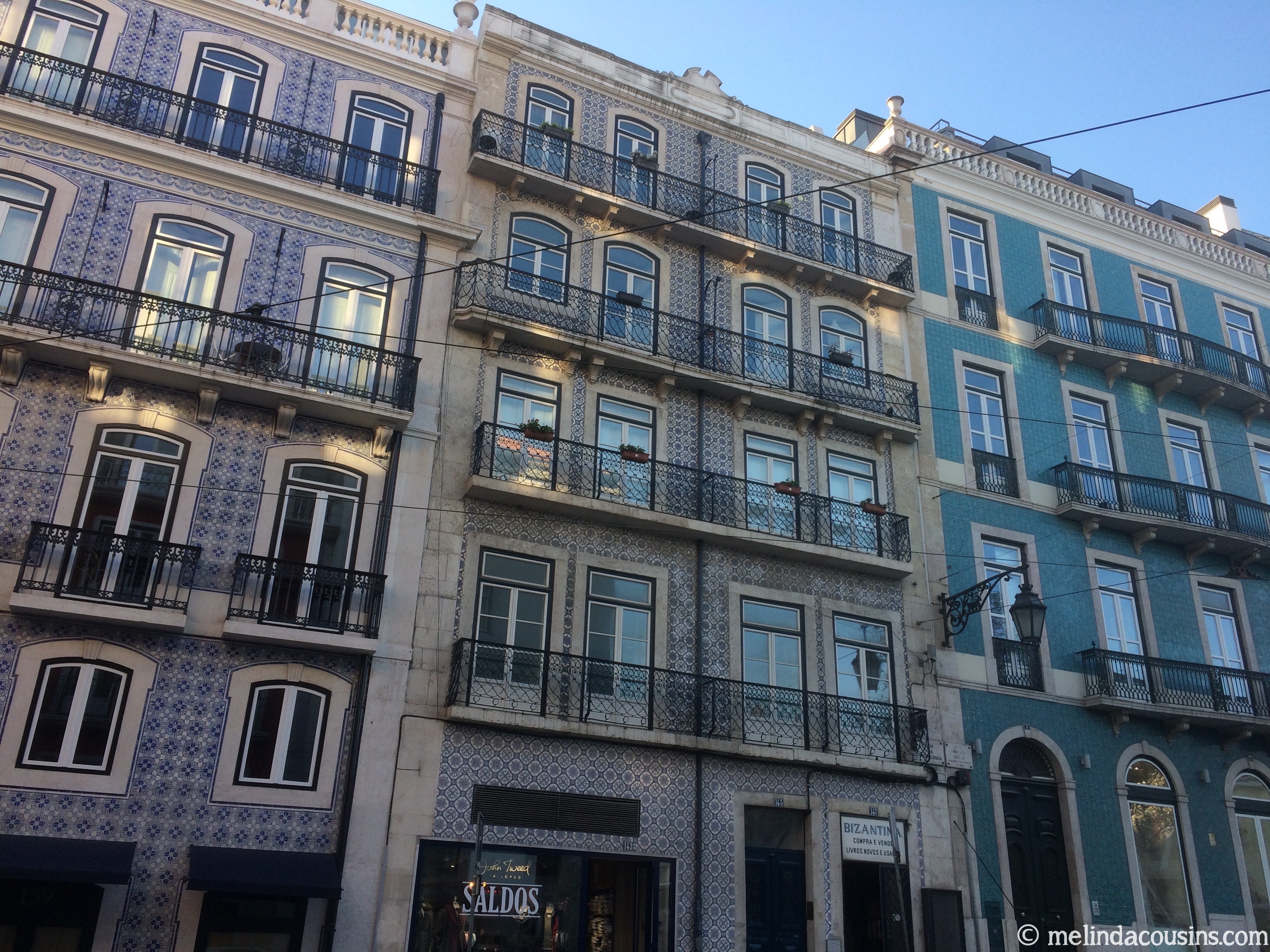
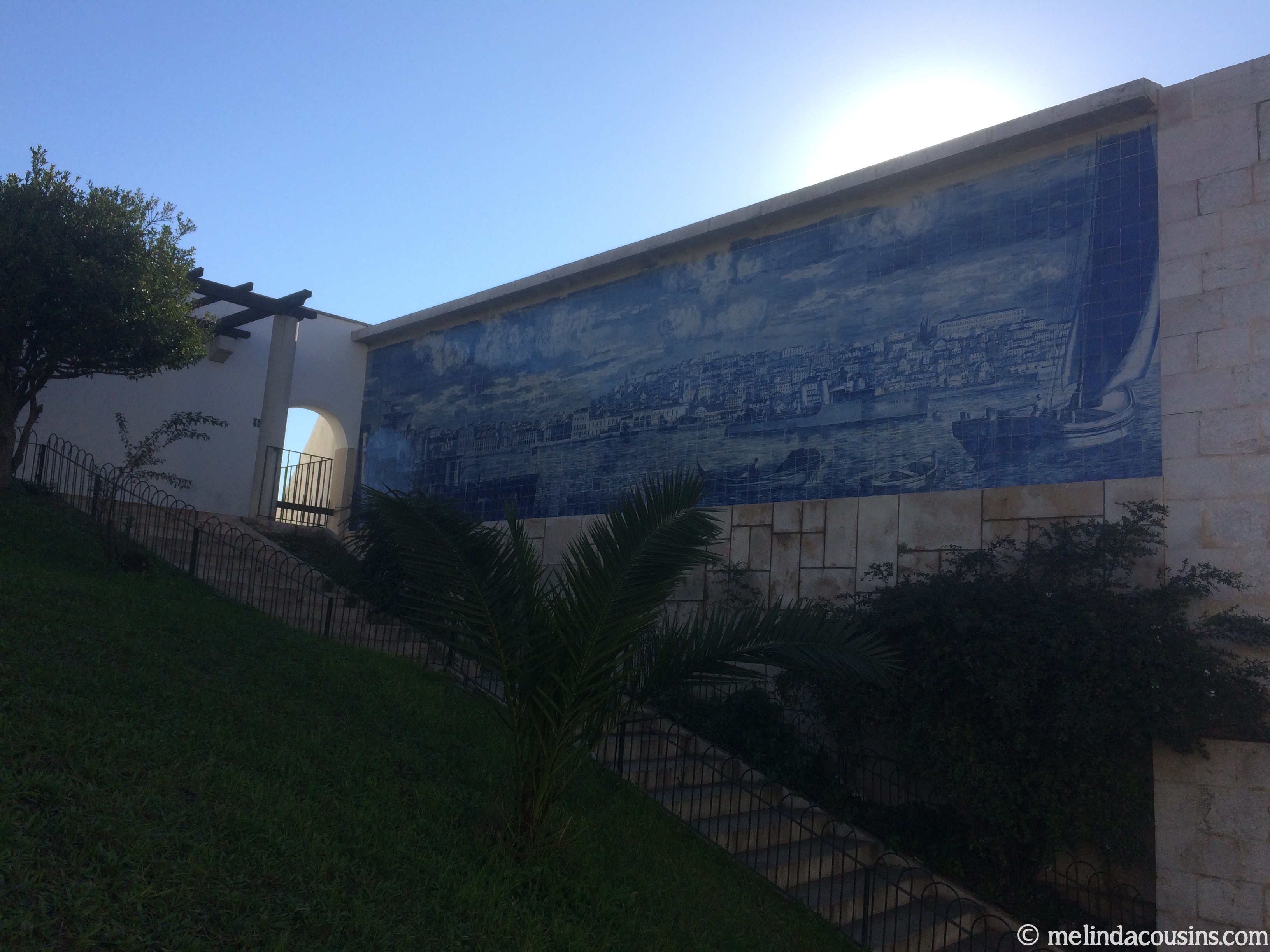
The city’s coloured buildings and tiled facades add to the funky vibe.
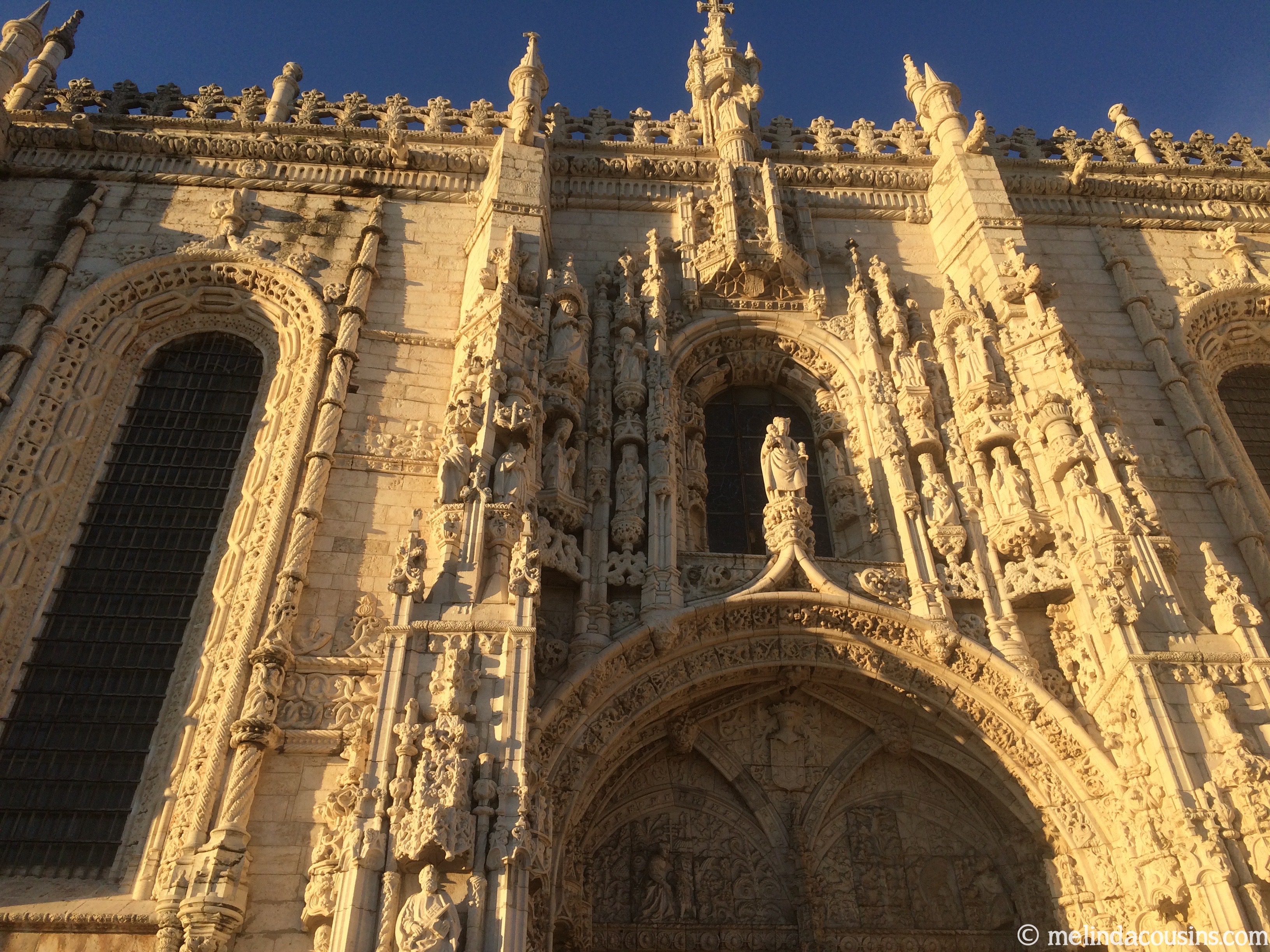
The city’s architecture testifies to the passage of time, like the intricate details on the facades of the gothic Jerónimos monastery.

While walking the walls of the São Jorge Castle is like stepping back into medieval times.

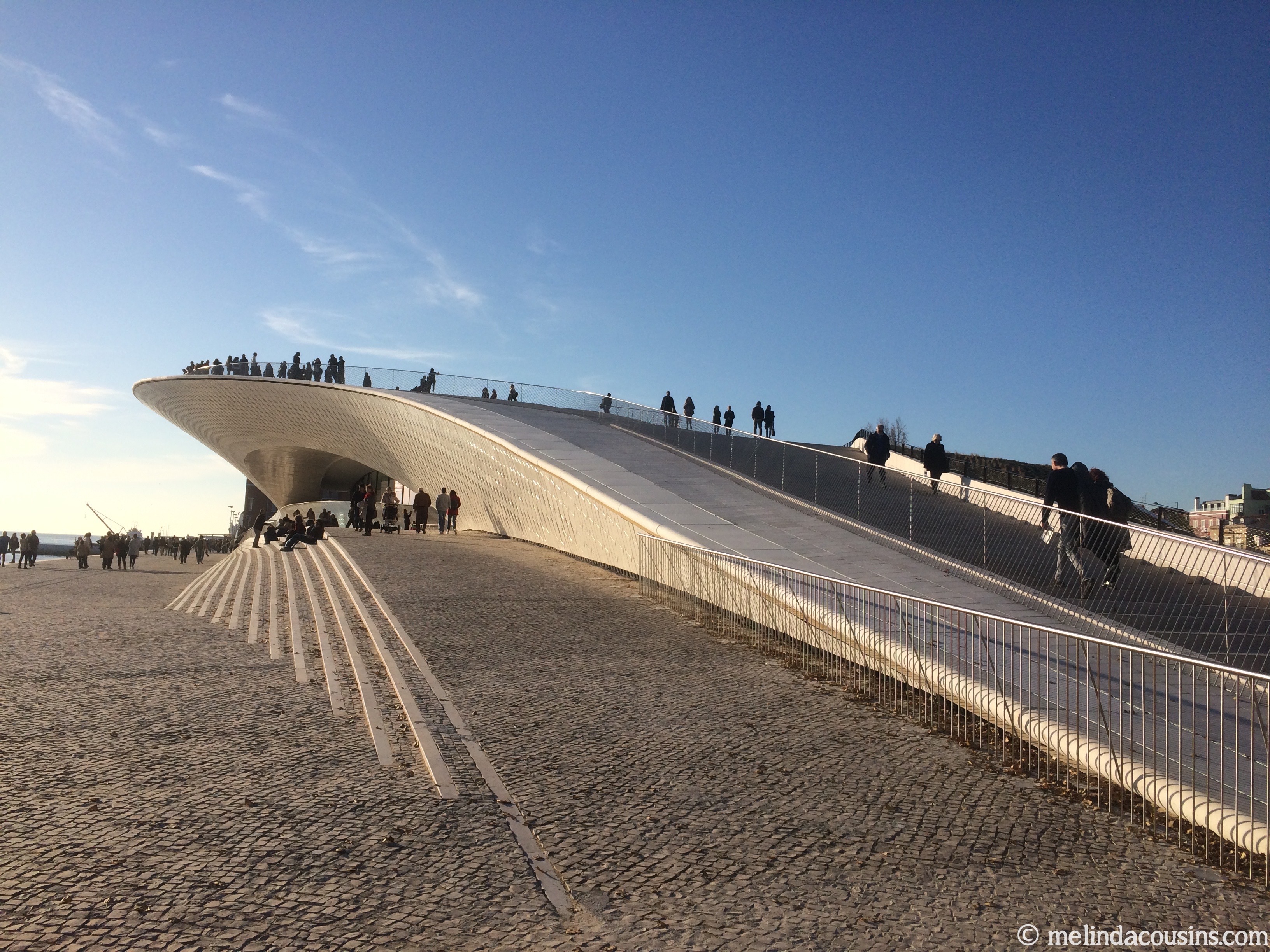
Contrasting this is the brand new Museum of Art, Architecture and Technology built on the bank of the Tagus River with a roof made for walking, gathering and people watching.
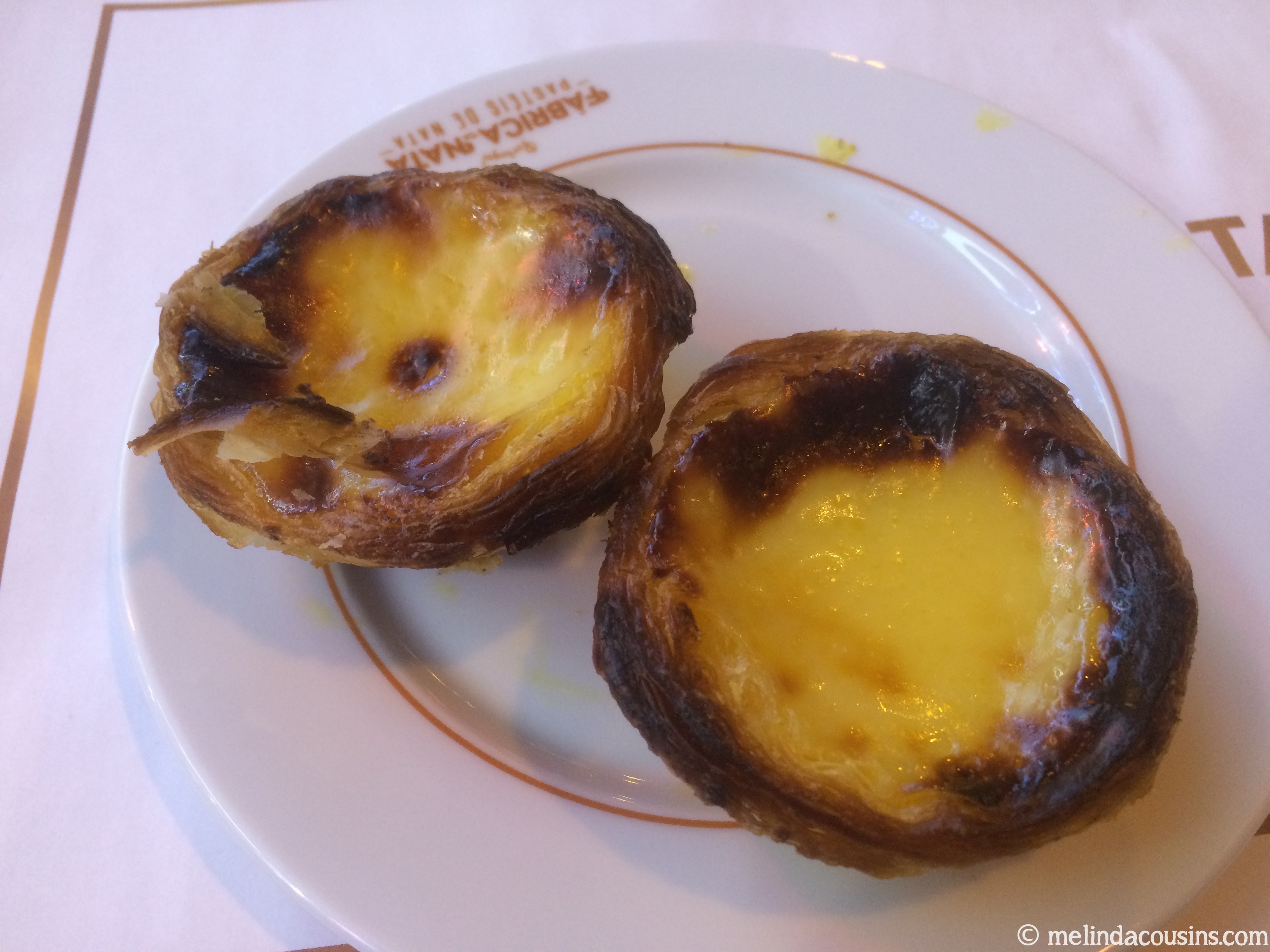
And of course, discovering the Pastel de Nata was a true joy …

… and has made me disavow the custard tarts of my homeland as unworthy to share the same name!
What did I learn from Lisbon?

Lisbon is also a ‘city of churches’, with plenty of old, beautiful, and quirky places of worship to visit.

The Sé, Lisbon’s Cathedral, is nearly 900 years old and I found myself sitting in its pews just trying to imagine all those who had preceded me in taking time out in this same space to pray and worship.
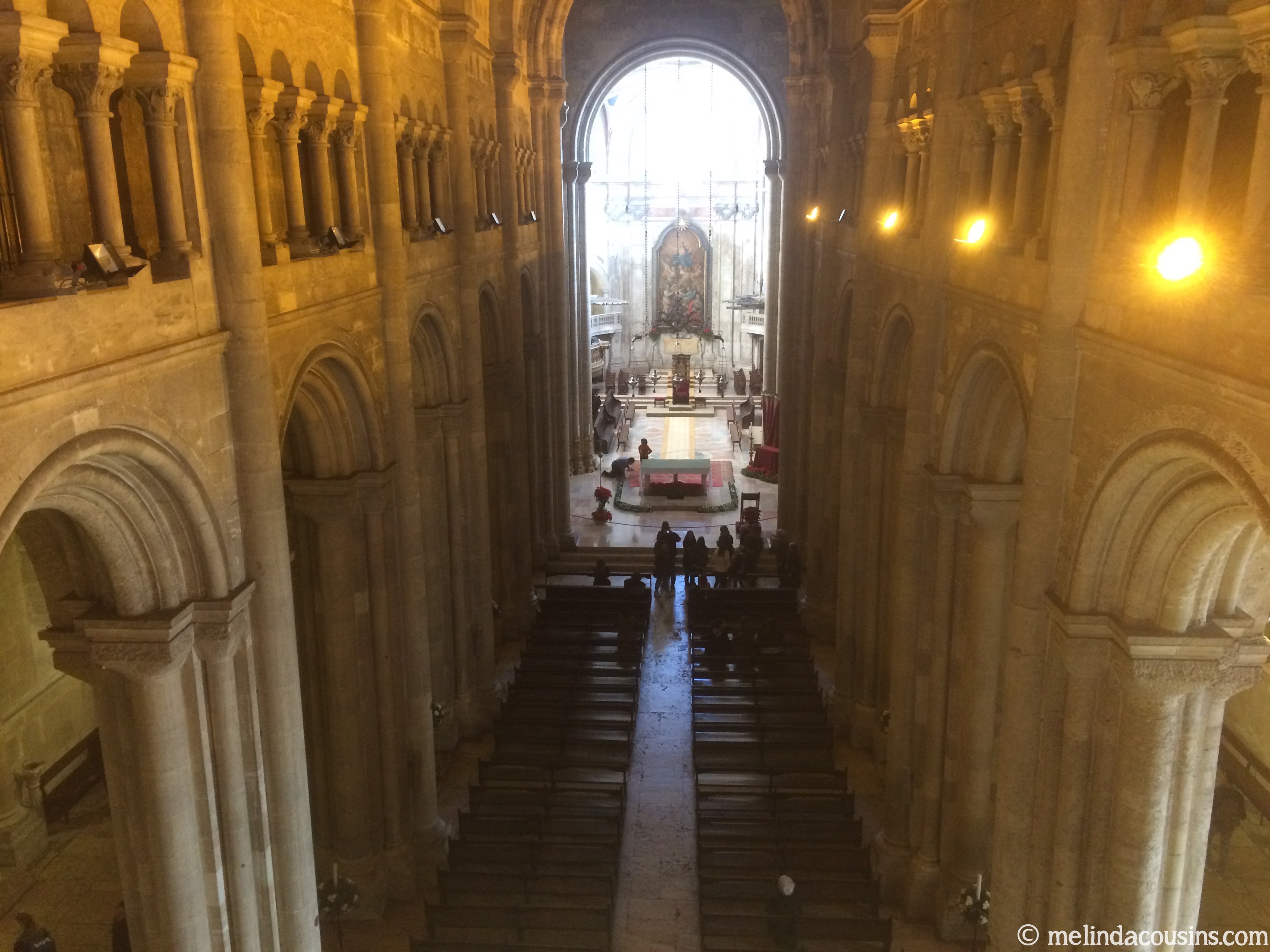
Excavations in the church’s cloisters point back even further, to Roman times. If only walls could speak …

Lisbon is a city that speaks to me of everyday lives. Of people who have made their way and made their mark. Of fun and family and fortitude and fortune and food and faith – all the things that make up a life and together make up history.
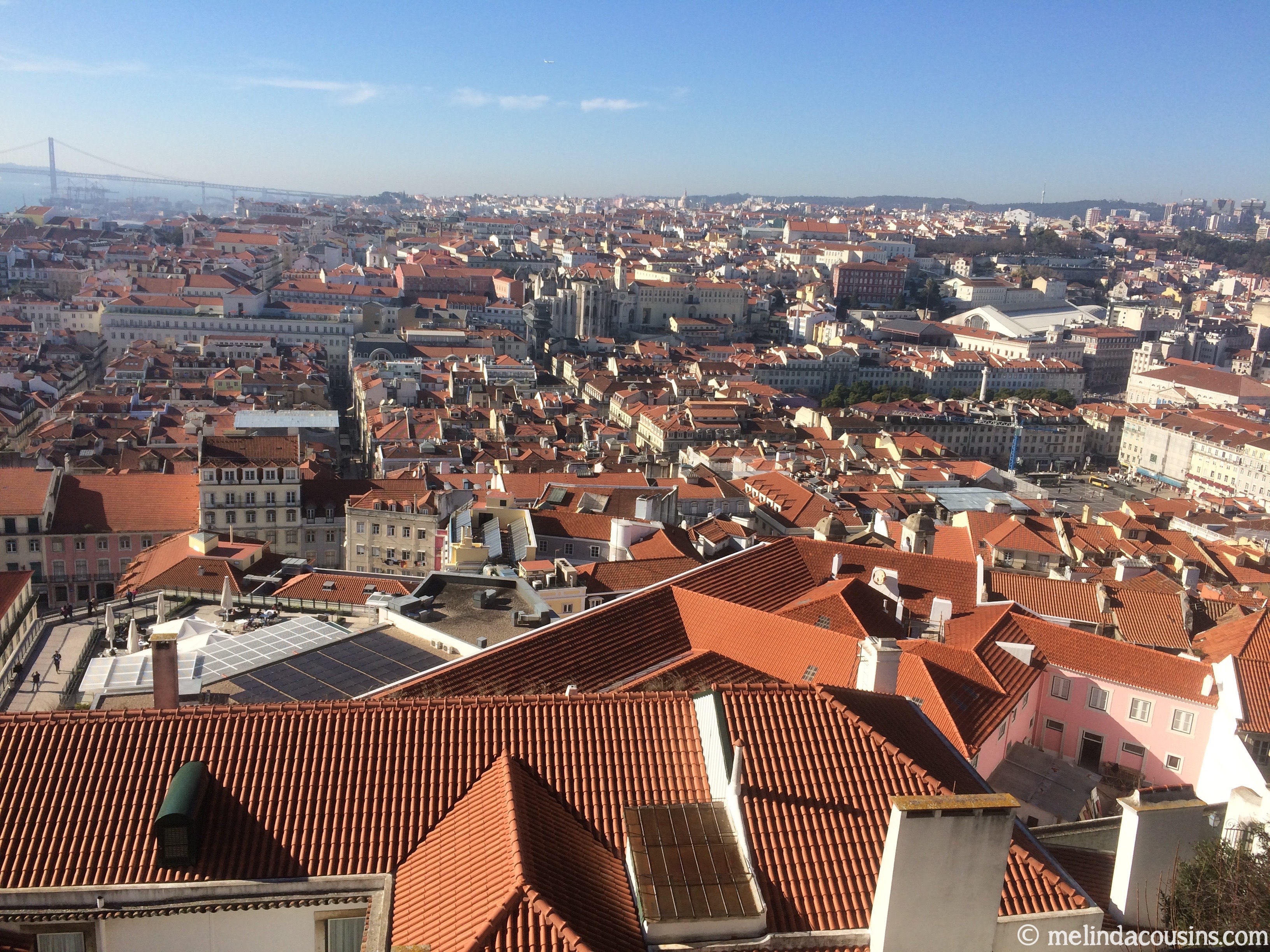
And as I sat in Lisbon’s main square on the final night of my visit, I marvelled at the combination of the setting sun and the statue of the Risen Son, watching over the city. And I remember that wherever I go, as I make my way through the everyday things of life, as the passage of time happens to me too, this is what keeps me centred. The dawning of each new day bringing God’s mercies anew, and the reality of an Easter Sunday dawning that is making all things new.


Today would be a good day to be at La Sagrada Família

If you haven’t visited Barcelona’s Sagrada Família, you might have difficulty believing all of these photos are of the exact same building. I’ve been back from my latest holiday just on a month, and the place I have spent more time trying to describe to people than any other would have to be this remarkable church. I’d love to have a few more hours to spend there today.

img_8117

With an ambitious design by Antoni Gaudí, construction on this spectacular church began in 1882. Current estimates are that it will be completed by 2026, although that still seems to be a massive task. Barcelona is a beautiful city for many other reasons, but I think it would be worth visiting just for this one building alone.

img_8109

What did I love about Sagrada Família?

On the outside, the church tells biblical stories. The Nativity façade, the only side Gaudí saw completed in his lifetime, uses lifelike figures to present all aspects of the story of the birth of Jesus the Messiah – the familiar and the unfamiliar, the triumphant and the tragic.

img_8127

The details are incredible.

img_8140

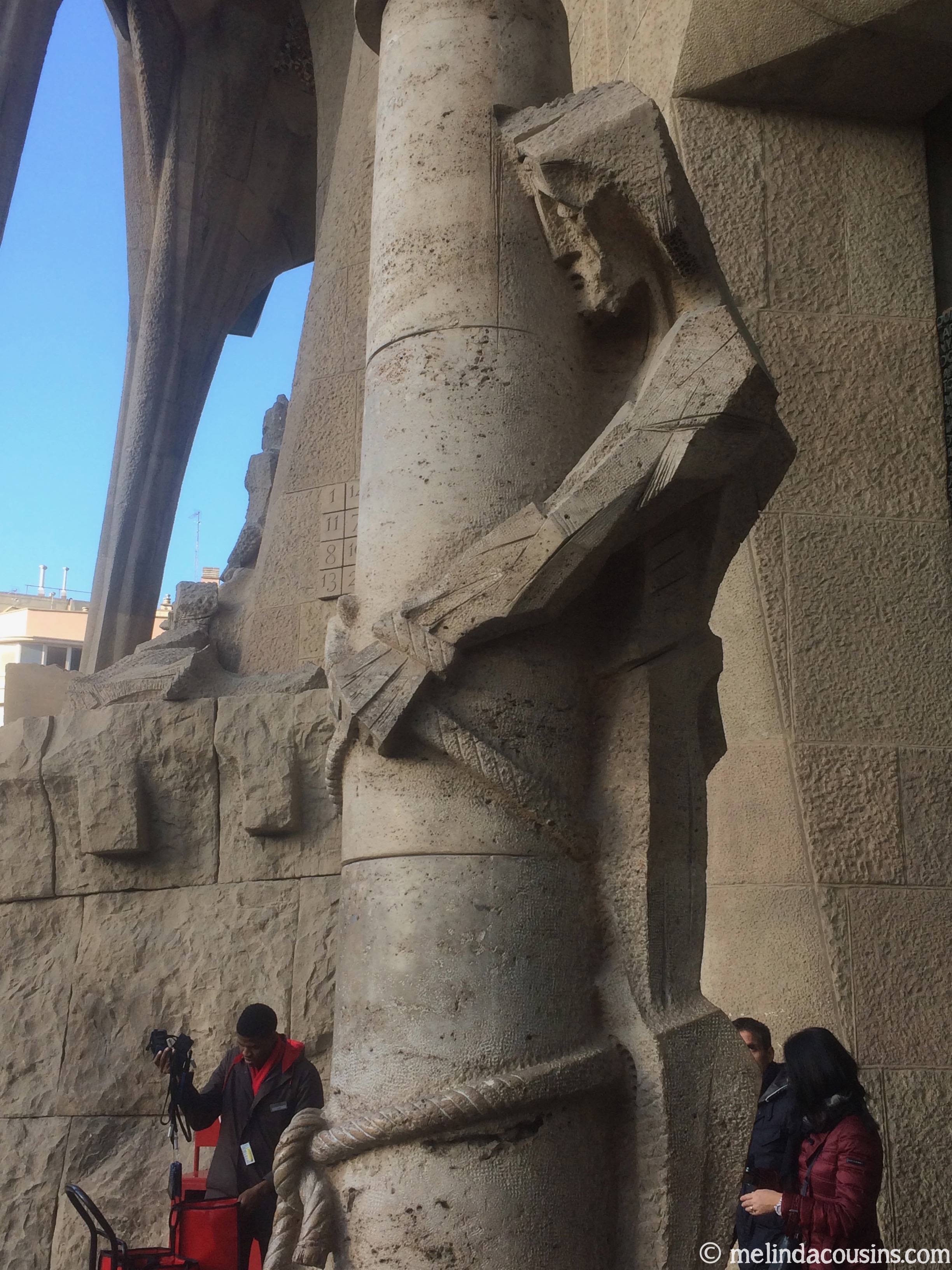
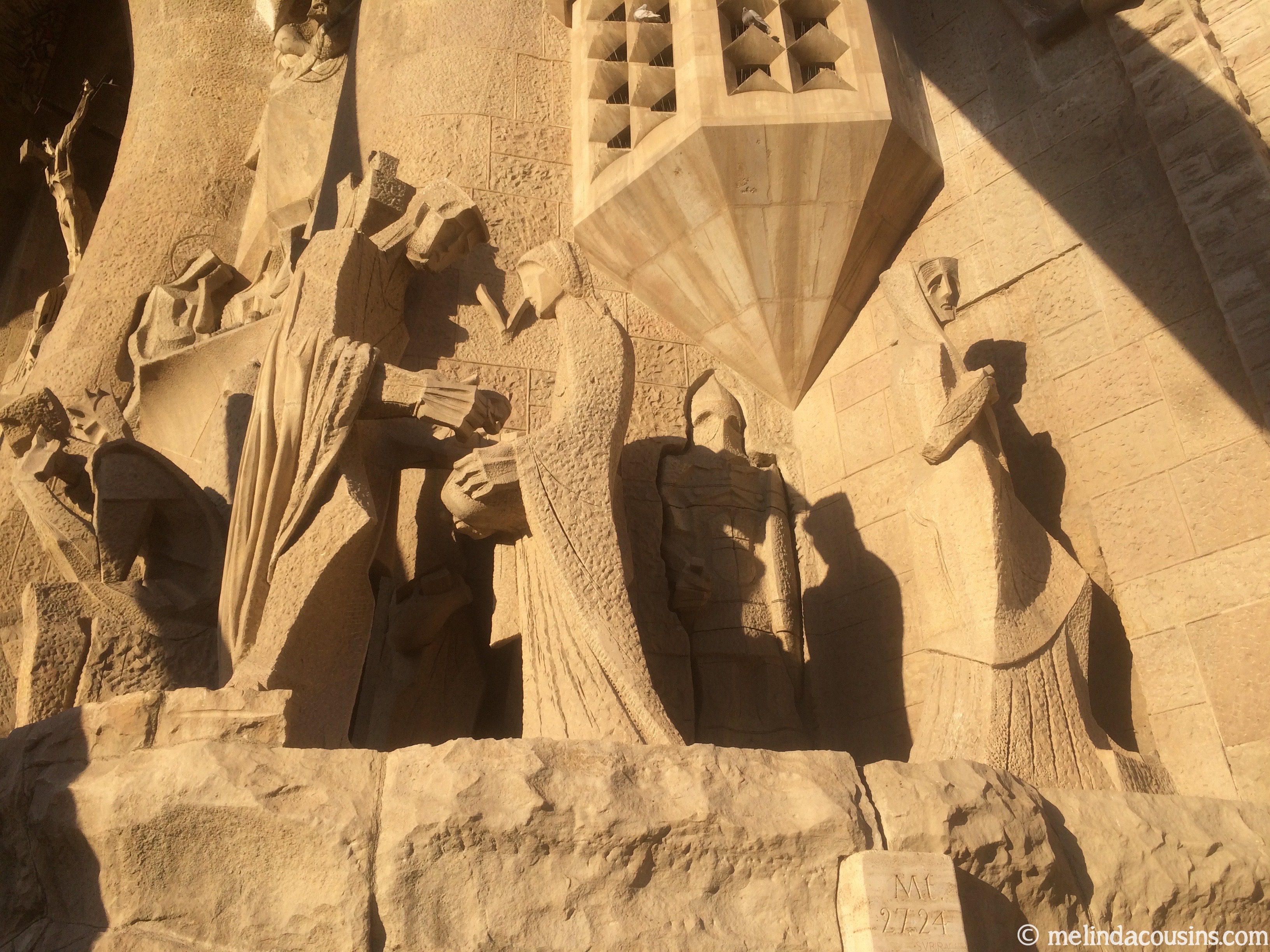
On the other side, the Passion façade follows Gaudí’s plans but with the style of a completely different sculptor.

img_8308

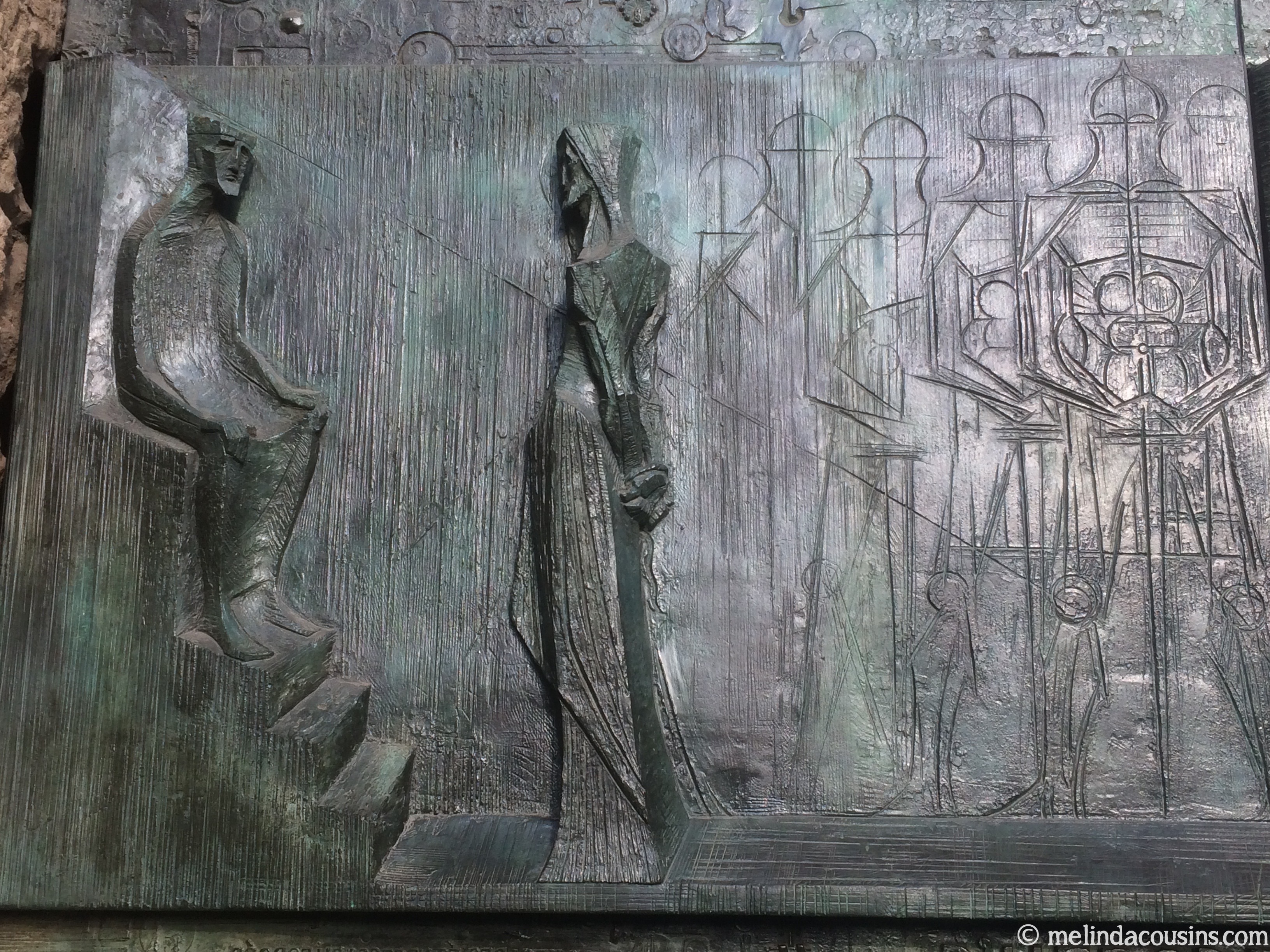
The story of the betrayal, trial, death and resurrection of Jesus the Saviour unfolds through figures with square-cut faces and yet amazing depths of emotion.

img_8221

The third façade, supposedly the “largest and the most striking” has not even been begun yet, but will tell the story of the risen and triumphant Jesus the King.

img_8115

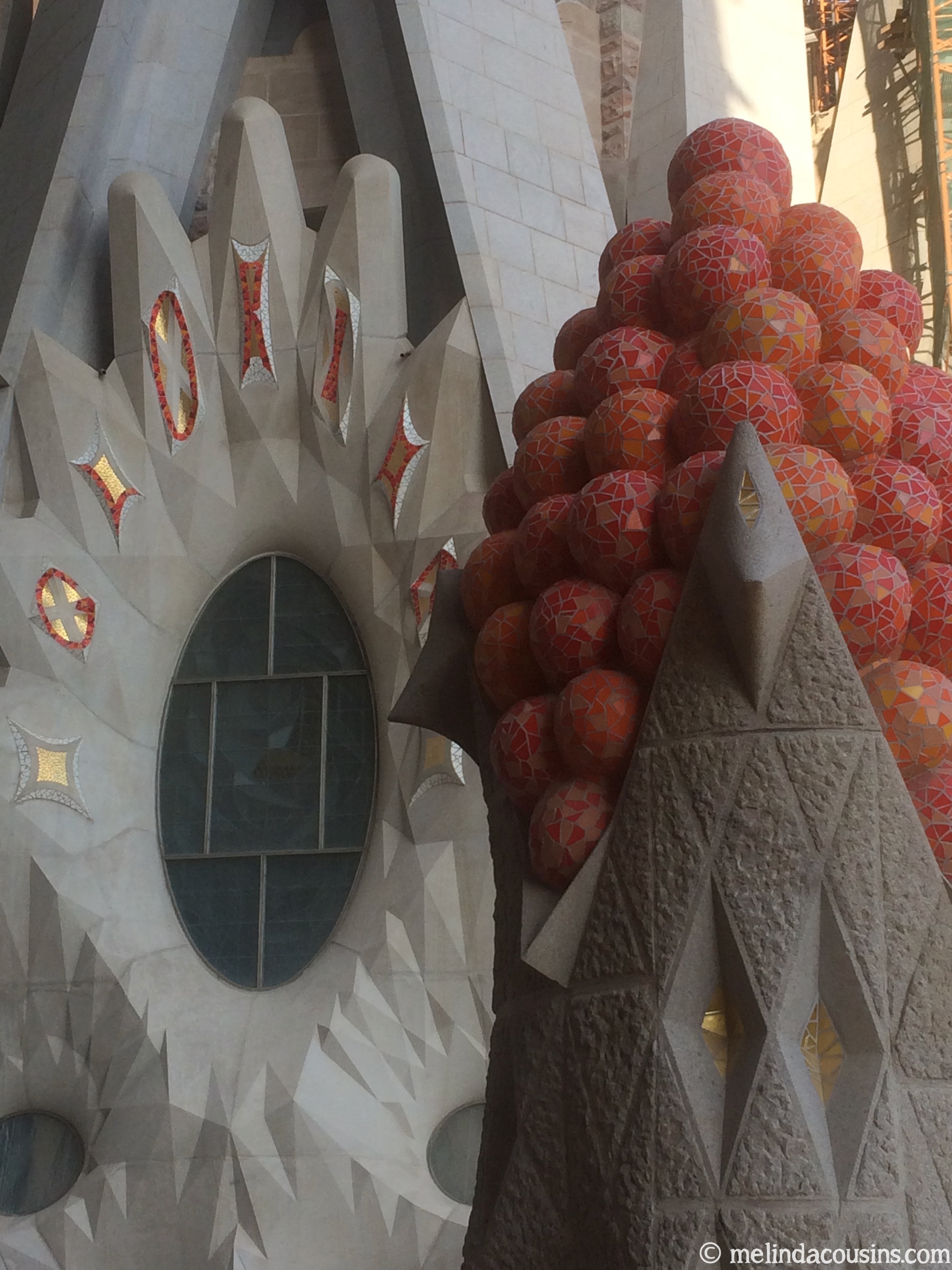
The building is fascinating and complex and intricate on the outside.

img_8213

There are extra, unexpected details and symbols everywhere you can see.

img_8258

img_8223

img_8260

And then you walk inside …

img_8196

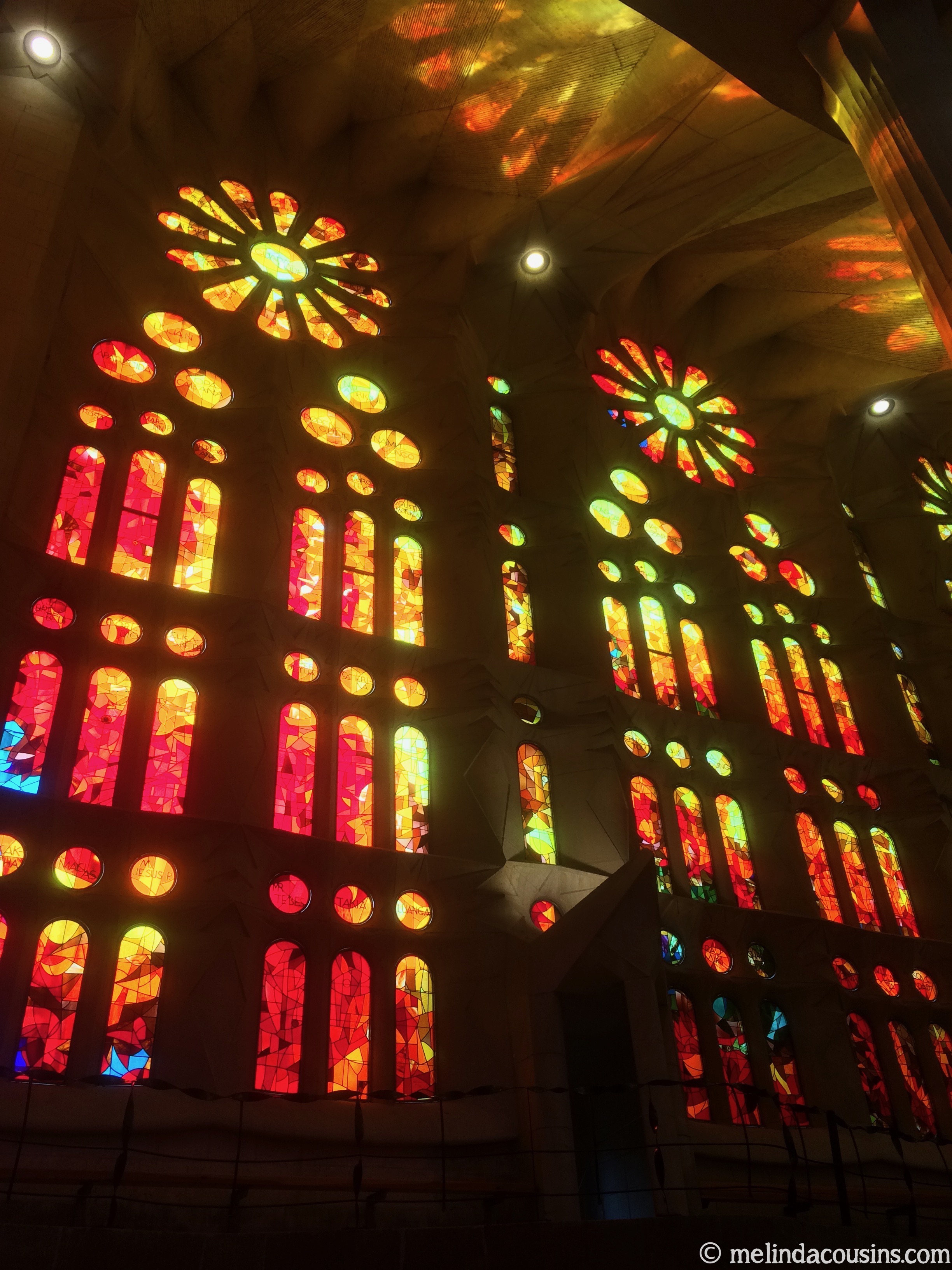
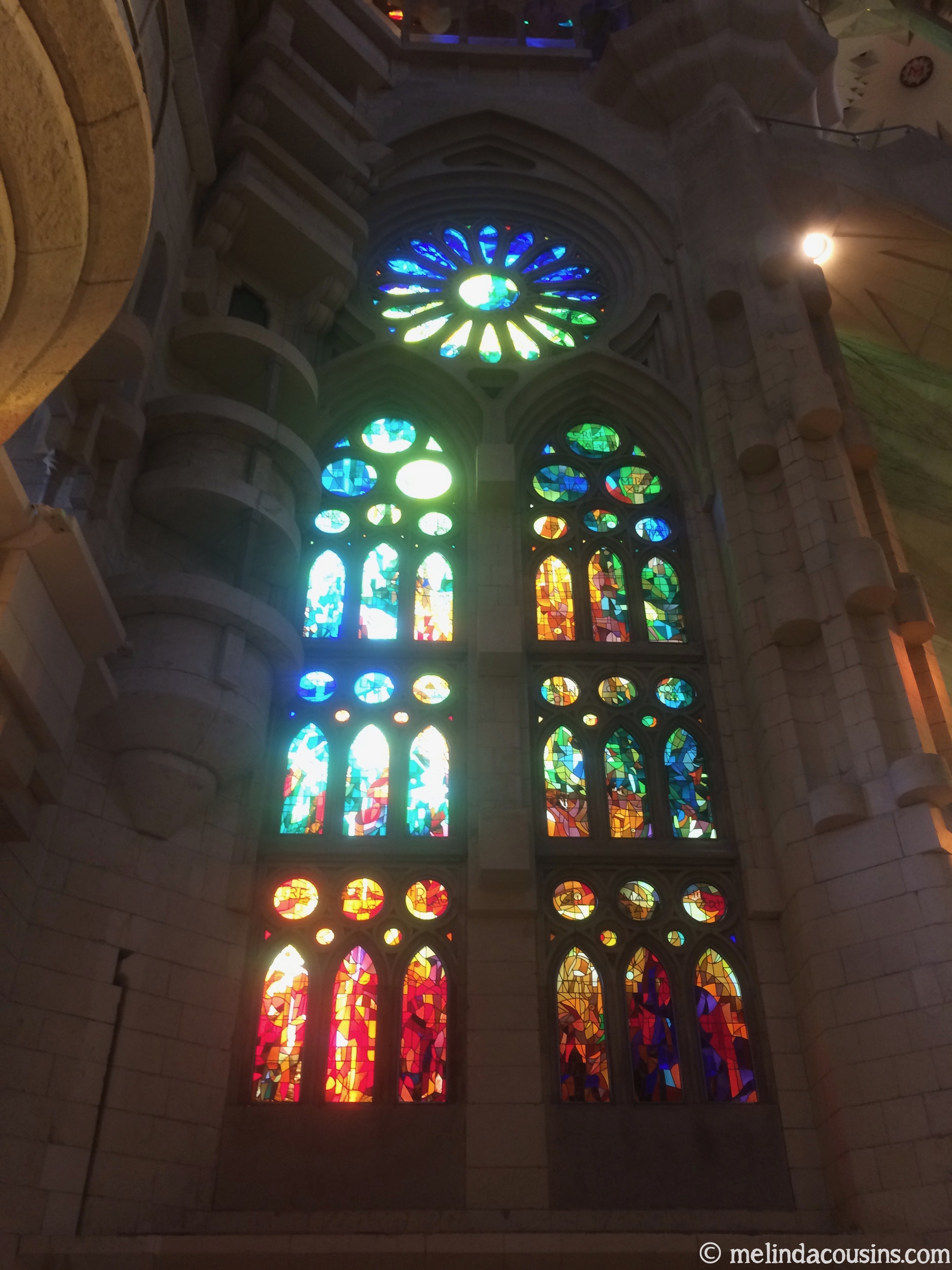
The interior took my breath away.

img_8277

The light.

img_8162

The colours.

img_8182

The sense of space. This is a place for prayer and reflection, to marvel at the God of creation in all His magnitude.

img_8178

A place to slow down, to wonder, to worship.

img_8180

What did I learn from Sagrada Família?

I teach a subject called “Understanding the Biblical Narrative” and in my PhD I looked at ideas of orality and embodiment in understanding the Bible. For me, this church brings some of that to life. The biblical story can be seen, felt, even interacted with, in a completely different way to reading words on a page.

img_8228

The world has changed an awful lot since 1882, and I wonder if the architects and funders of this project had known how accessible the Bible would become whether they would have embarked on this project. But I’m so glad they did.

img_8234

“Reading” the story in this way takes time, and oral storytelling to go along with it, and imagination, and engagement. Despite the overwhelming accessibility of the printed and digital text, things we can so often lose.

img_8288

The contrast between the outside and inside of the church, for me, took me to a whole other place. It is one thing to know the stories, to ponder their meaning, to enter into their emotions.

img_8220

It is yet another to be brought to a place of stillness, silence, speechlessness.

img_8198

This is not a church of my tradition, and in some ways it is more a tourist attraction than a house of prayer. And yet … sitting in the pews, taking time to tune out the voices bustling around (listening to this podcast helped me focus), for me this became a place of prayer and worship.

img_8154

To be sure, I have experienced the same wonder and worship in nature, in community, alone in my room.  I don’t need a place like this to spend time with God, but it sure is a genuine delight to be provided with one every now and then.

The hospitality of the nativity, or Yesterday was a lovely day to spend Christmas in Monaco

My Monday travel posts posts usually reflect back on places I have been over the years. But today I’m reflecting on the place I spent yesterday, Christmas Day 2016: the tiny principality of Monaco.


Monaco is known as a playground for the rich and famous and there were certainly glimpses of that. But with all the shops closed and the rich hotel buffet lunches behind closed doors, it was perhaps a different side of the city-state that I loved and learned from.

What did I love about Monaco?

Built on the steep slopes of the Maritime Alps overlooking the Mediterranean, the city’s architecture reflects its topography.


The ports are filled with luxury yachts, at this time of year many moored for the winter.


The winding streets are familiar from watching F1 Grands-Prix.


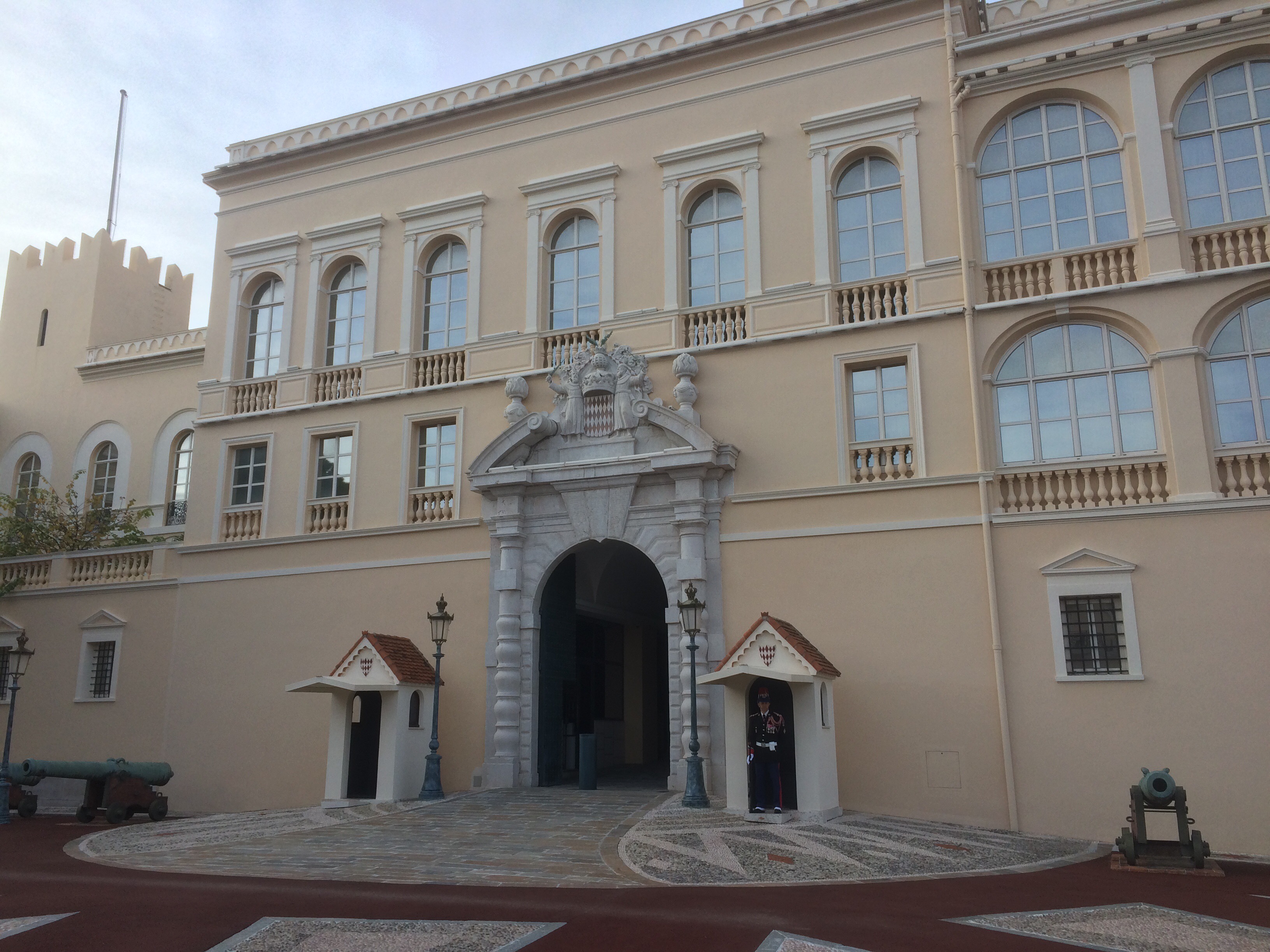
Looking down from above is the old palace,


as well as the beautiful old Cathedral.


At this time of year, along the quai there are Christmas markets with food, handmade gifts and entertainment.


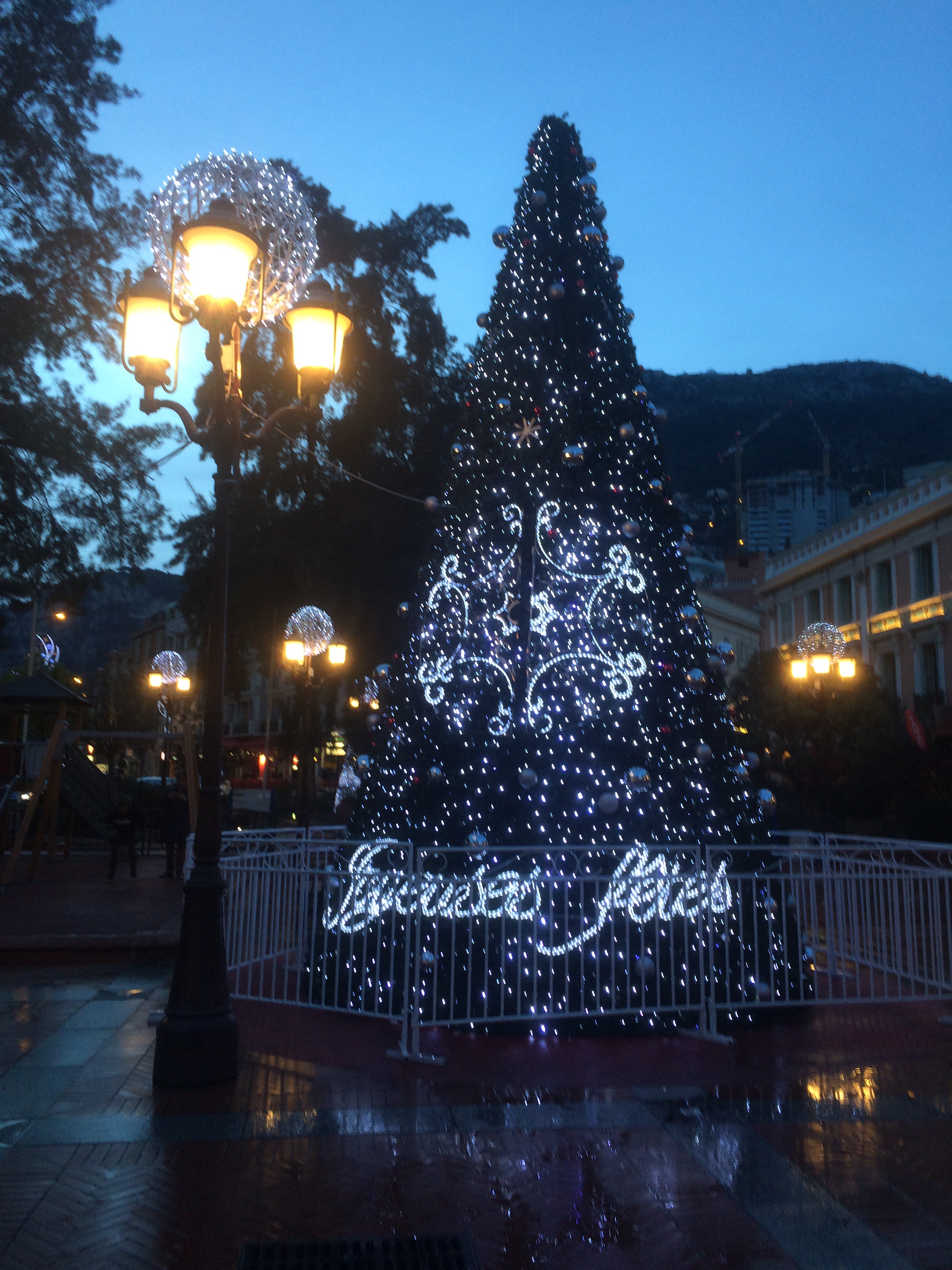
All throughout the city there are beautiful Christmas decorations and lights.


What did I learn from Monaco?

The highlight of my day was the time I shared with some of the wonderful people I met after visiting St Paul’s Anglican Church. Not only did we share a significant time celebrating Christ’s birth with carols and death and resurrection through the Eucharist, but they invited me to share an amazing Christmas lunch afterwards! Their hospitality and welcome to this visiting stranger was a beautiful reflection of the message of this day.

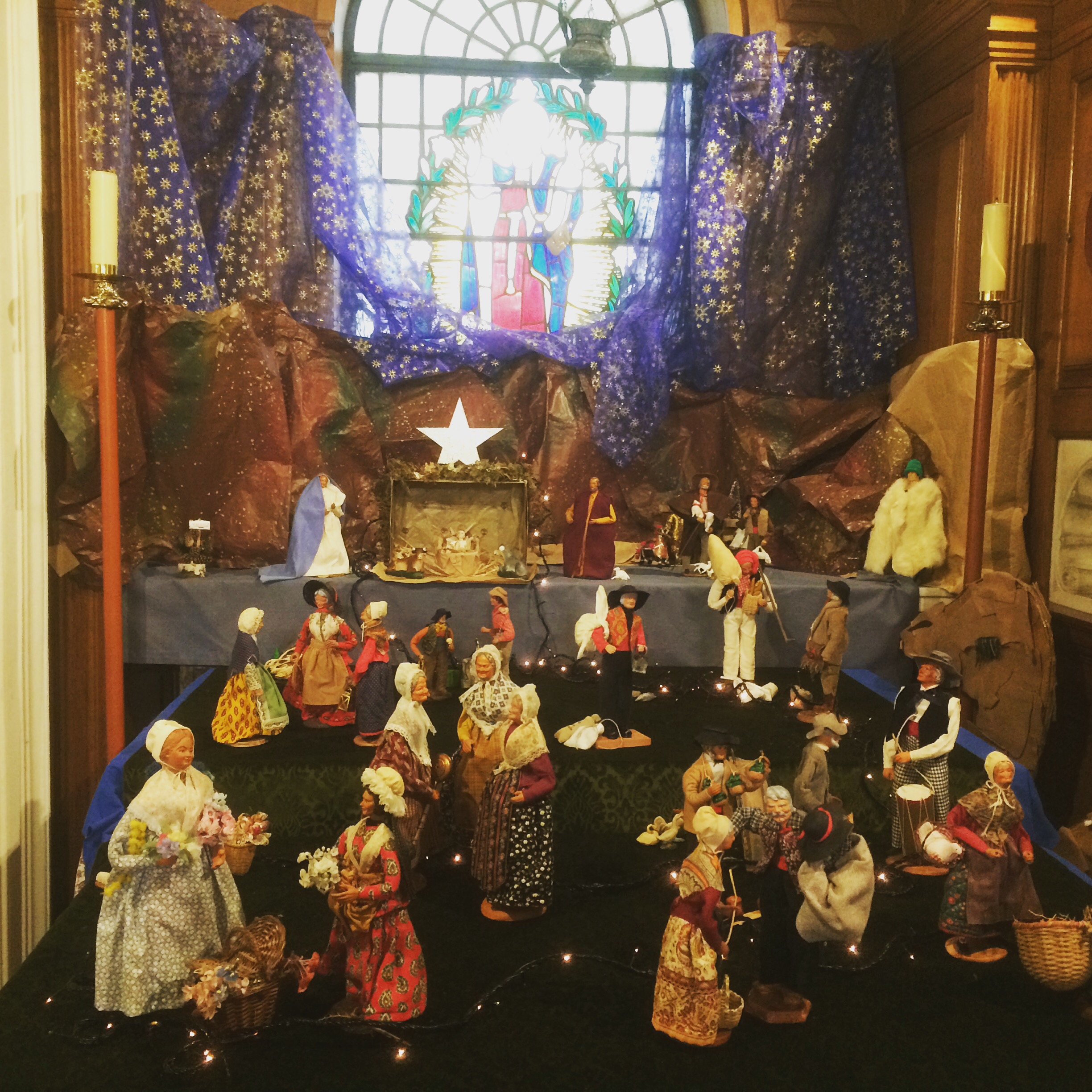
St Paul’s crèche

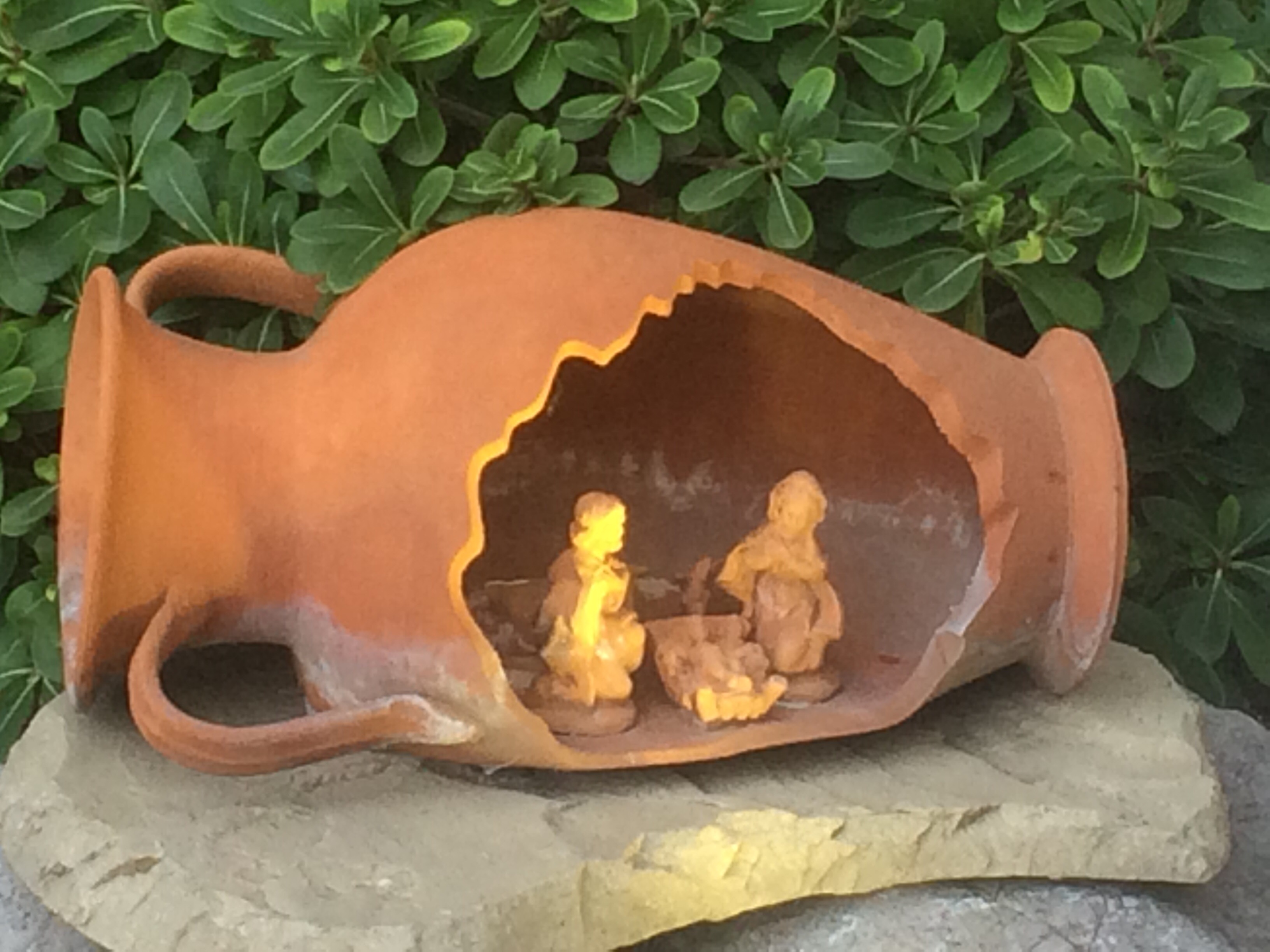
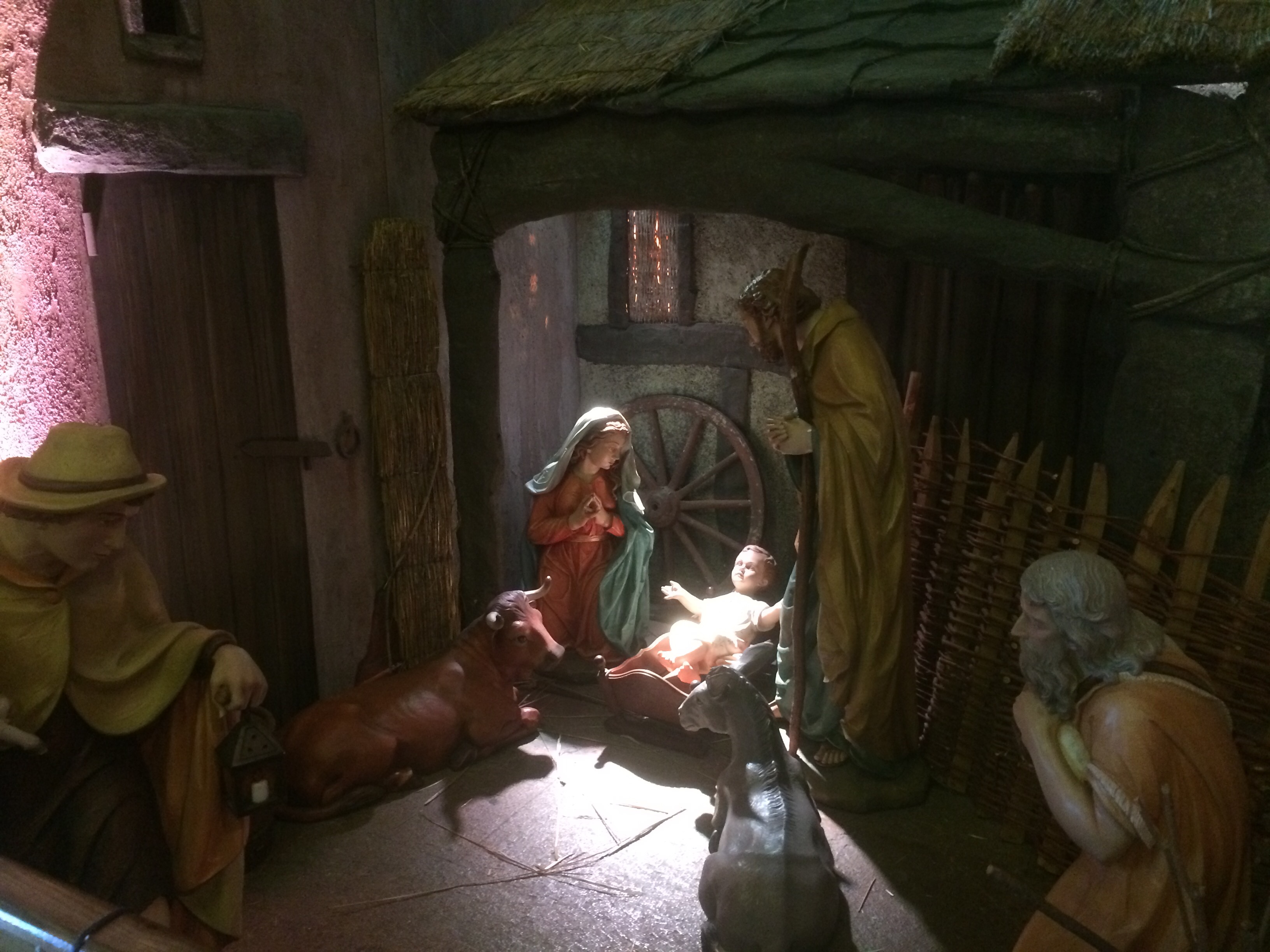
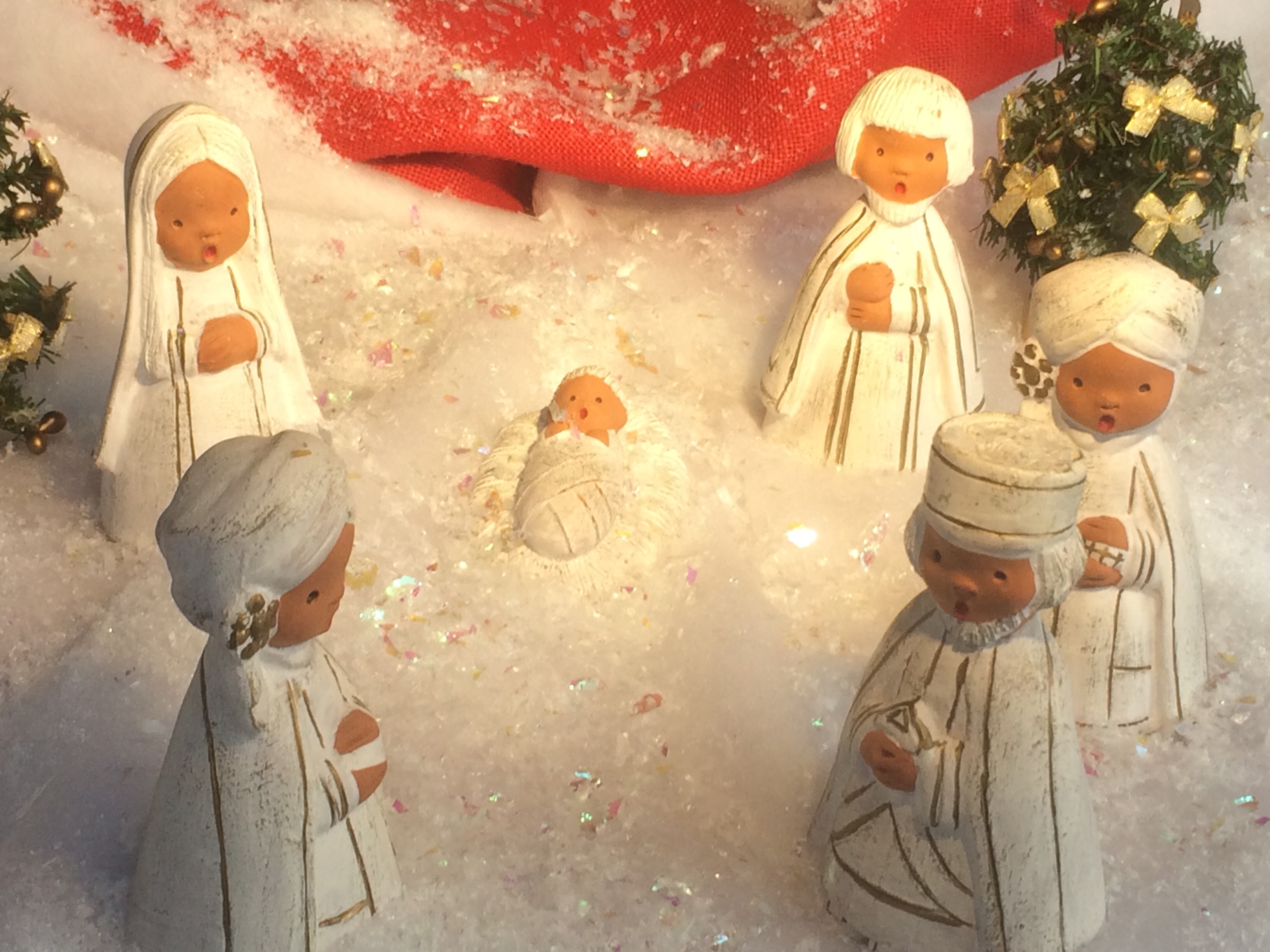
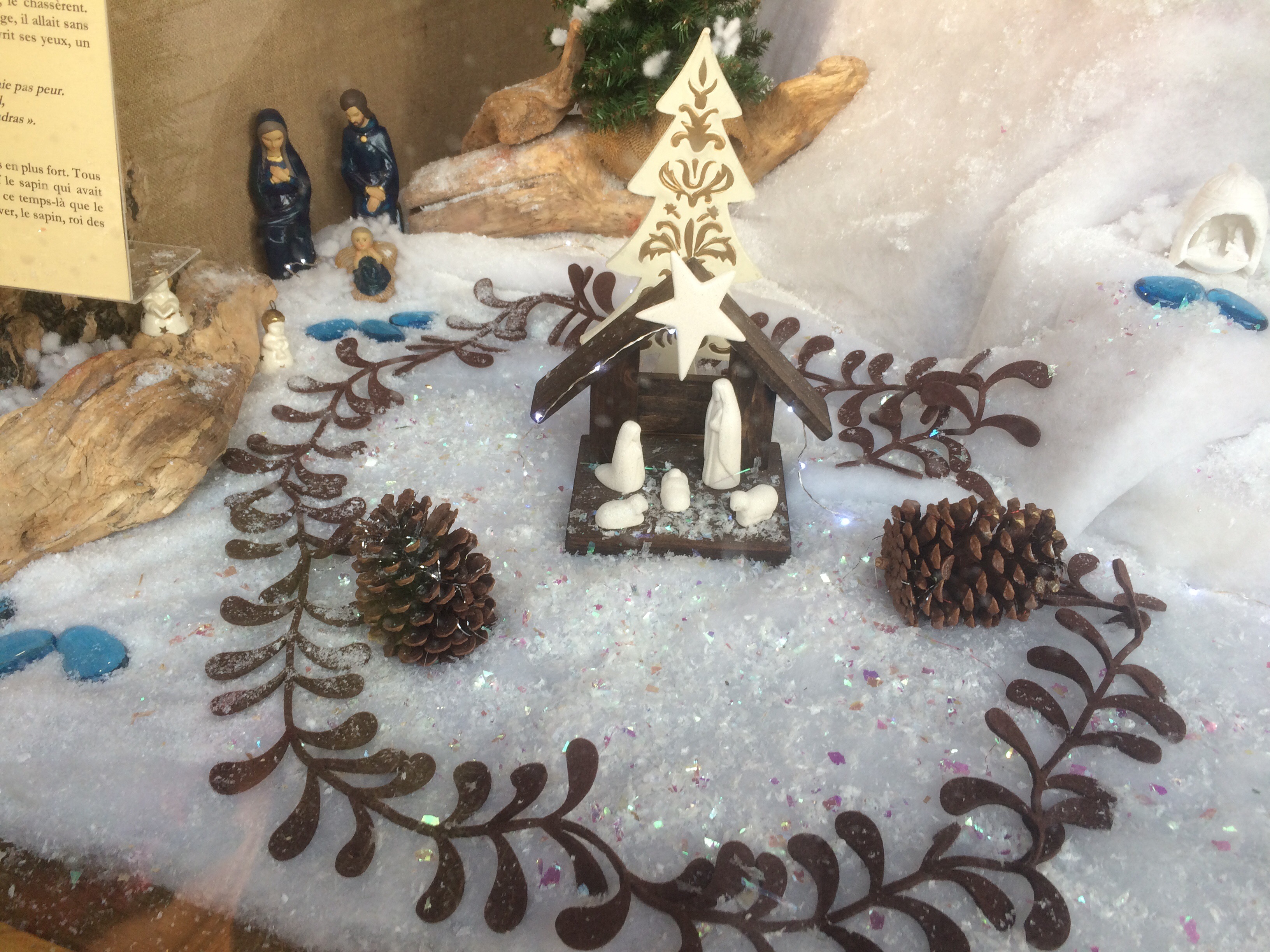
I was also reminded of God’s hospitality in the incarnation through the variety of crèches (nativity scenes) throughout the city.


In parks, on street corners, in churches and on display outside the palace, the variety was stunning.


What really struck me was how so many different people portray the scene of Jesus’ birth in a way that reflects their own life experience.


From 19th century Provençal sets


to Madagascan displays


and everything in between, it was a delight to discover the huge range!


And they also reminded me of the key truth of the incarnation that we celebrate on this day: God coming to us as one of us.


Emmanuel, God with us. It makes sense that we depict his coming in ways that look familiar to us, because God does come to us in the familiar, ordinariness of everyday life. He enters our world, speaks our language, lives our humanity.


This is the ultimate act of hospitality. The God who incarnates himself as one of us so that we might know his loving embrace.


As I was reminded of it in the crèche scenes and experienced it through God’s people at St Paul’s, may you know and experience the hospitality of the incarnation this Christmas season.