Tag Archives: Women

Beauty and sadness … or today would be an interesting day to be in Amsterdam

I’m not sure if I will ever go back to Amsterdam. On the one hand, I only spent one evening there so I know I missed out on seeing so much, and there was some incredible beauty in what I did see. On the other hand, parts of what I saw and experienced there didn’t really inspire me to return, and the abiding memory I have, the most powerful emotion I experienced that night … was sadness.
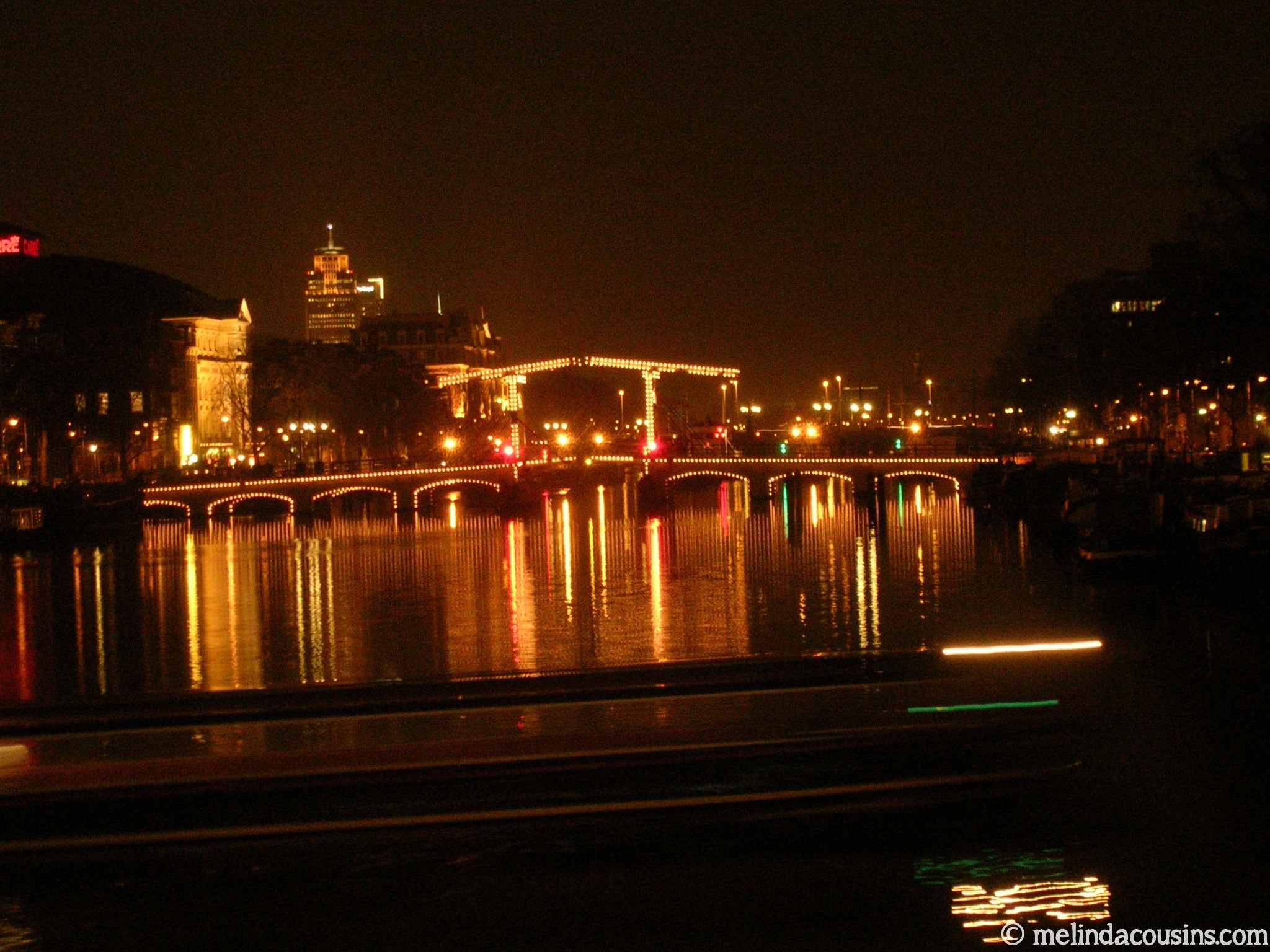
Amsterdam Bridge

What did I love about Amsterdam?

Amsterdam is a beautiful city with its canals and bicycles and all round friendliness to those who just want to ‘wander.’

Amsterdam Canal

At night the charming historic buildings were beautifully lit, including the royal palace …

Amsterdam Royal Palace

… the train station …

Amsterdam Central Station

… any number of churches …

Amsterdam Westerbrook Church

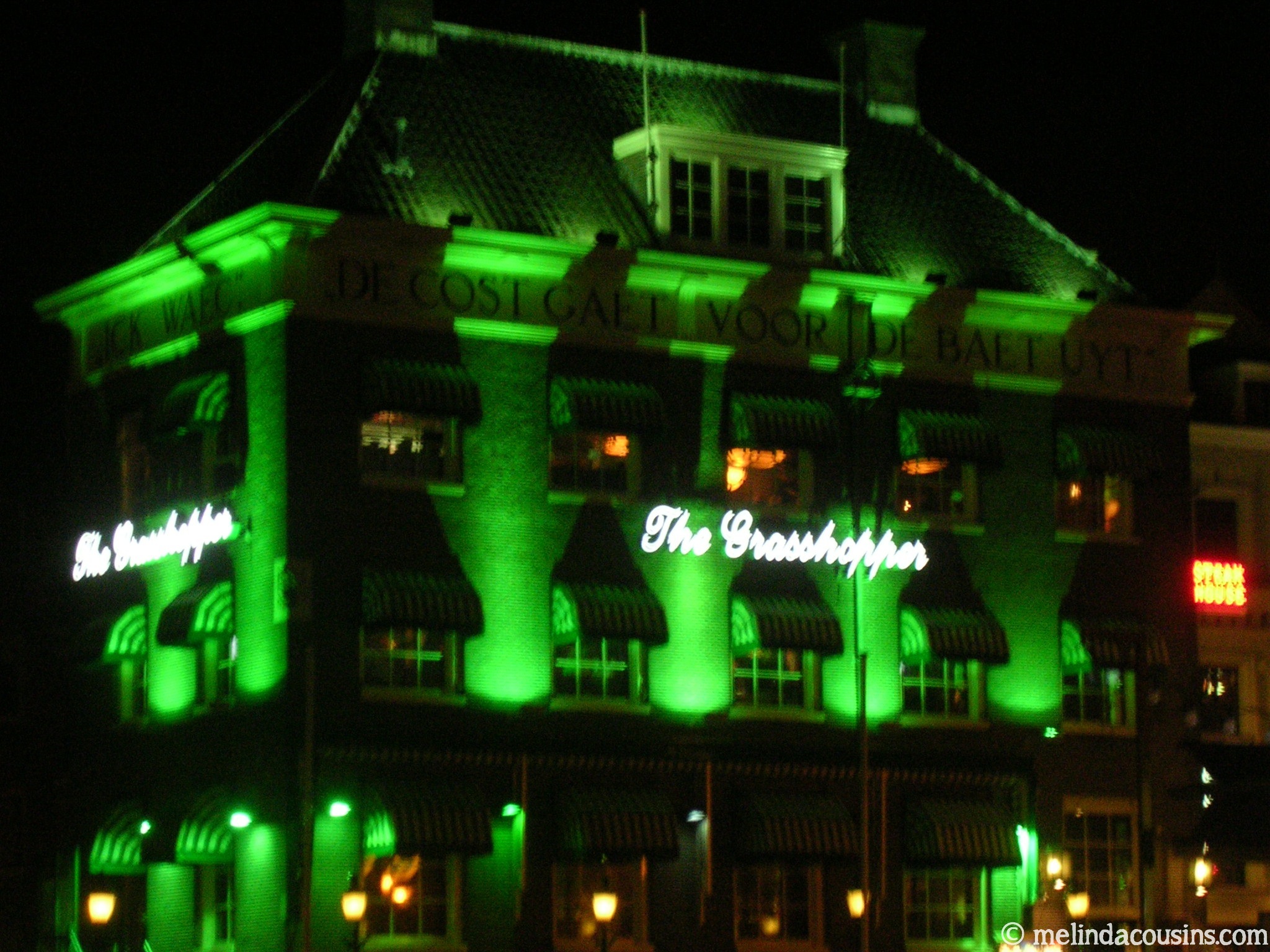
.. restaurants …

Amsterdam Grasshopper

… and all kinds of other buildings.

Amsterdam buildings

It was winter so there was a public ice rink in the middle of the main square, yet the flower markets were still full.

Amsterdam Flower Market

What did I learn from Amsterdam?

The historian in me was interested in Anne Frank’s story, and one of my biggest travel disappointments of all time was arriving at the museum 45 minutes before closing only to be refused entry, despite my begging and pleading that this was my one and only chance to visit and that I was happy to pay full price to do a very quick tour!

Amsterdam Anne Franks church

I did enjoy some time wandering the streets of Amsterdam soaking up the atmosphere, although I have to admit there were a few places where that “atmosphere” left me a little light headed. But my strongest memory of that night is the sadness I felt; sadness both at what I saw, but even more at how those I was with initially responded to what we saw. I was with two fellow Aussies I had met travelling, two ordinary young guys, who knew I was a Christian and a pastor but couldn’t really get their heads around what that meant. But when we found ourselves wandering through the red light district, their first response was to apologise to me, because they assumed I was offended by it.

Amsterdam red light district

But I’m not sure that I was the right person for them to be apologising to for what they were feeling, and “offended” was not actually the right description for how I felt walking down those streets, seeing the women inside and the men drooling outside. I just felt overwhelmingly sad. I didn’t know the stories of the women we saw (or the men passing by), but I couldn’t help wondering who they were, how they got there, and how they were feeling. And what I realised as I talked to my two new friends was that they had simply not thought about those things. It had not crossed their minds to think about the women in the windows as people with stories, people with families and hopes and dreams and fears. And I was glad I was able to challenge them to think that way, even if just for a few moments. I haven’t seen those guys since we left Europe, but I’d like to hope that when they remember their night in Amsterdam, they remember being challenged to look beyond what they first saw in those red lit windows, and thinking about those women as real people with real stories.

Earlier this year, this powerful ad for Stop the Traffik was made in Amsterdam’s red light district, and it makes that same point.

And yes, I realise that some of the women in Amsterdam might say that they freely choose to do what they do. It’s not my place to argue with them, but I hope I am allowed the freedom to wish that we lived in a world where different choices were more attractive to them. And I certainly have the freedom to speak up for the millions of young women and girls who are forced into sexual slavery all around the world every year.

We left Amsterdam the next morning as the sun rose, and it gave me a glimpse of hope. Hope that maybe, just maybe, by being there and challenging someone to think about the deeper story of what they saw, there is the possibility of change in the future.

Netherlands sunrise


Why do we need International Women’s Day?

OLYMPUS DIGITAL CAMERA
For her

March 8th, today, is International Women’s Day. Lots of countries have some kind of celebration to mark the day, but still plenty of people question whether we should have a special day to celebrate women, or why there is no International Men’s Day.* (I remember as a child wondering why there was a Mothers’ Day and a Fathers’ Day but no Kids’ Day, but as I got older the answer to that question became pretty obvious, as I think the answer to this question should be!)

For me, IWD is less about “celebrating women” – while that is lovely, I absolutely agree we should celebrate the value of all people regardless of gender. For me, IWD is more about recognising that gender inequality exists in the world and it is an injustice that affects ALL of us, male and female.

… and for her
… and for her

A couple of years ago on IWD, I posted a Facebook status with some statistics from the UN – that women make up 51+% of the world’s population but earn 10% of the world’s income and own 1% of the wealth. Those are some pretty sobering statistics that I would hope prompt some reflection on all kinds of injustice in the world. What I didn’t expect was the statistic that was created in response – 100% of the men who commented on my status made light of it in some way. And these are not men I would have called sexist, chauvinistic or people who belittle women in any way. Just ordinary Aussie (Christian!) guys. That’s why I was so surprised. That’s what reminded me that we still need International Women’s Day.

I have previously written about how as a Christian I don’t always like to accept other labels, including feminist, because of the baggage of other people’s perceptions. But as a global citizen, there is no question for me that I need to speak up about what is probably the greatest injustice in the world today, because women are human beings just as men are, and until they are treated as such we are all suffering.

… and for them.

It remains terrifyingly true that 1 in 3 women will experience sexual assault during her lifetime. 75% of the 21 million victims of human trafficking each year are female, with the majority of those forced into sexual slavery.

The new World Bank report notes that despite many improvements, women continue to trail behind men on EVERY SINGLE economic measure.  There is no country on earth where women have wage parity with men. (And this is not simply about a man being paid more than a woman for the same work, although that still happens more often than you might think. The bigger problem is systemic:  jobs typically done by women are far less valued than jobs typically done by men).

This UNESCO report shows that 2/3 of the world’s illiterate adults are women, and that girls are disproportionately excluded from education. The education of girls benefits everyone, and has been demonstrated to decrease infant mortality rates, reduce HIV rates, and generally reduce the factors that lead to poverty. Not poverty for women, poverty for everyone.

So … some good things to share from today. Check some of these out:

1. UN General Secretary Ban Ki-moon’s IWD 2014 message on how equality for women benefits everyone

2. Google’s doodle video celebrating IWD 2014

3. Buzzfeed’s list of 22 inspirational Australian women

4. Reuters article on why educating girls can help eradicate poverty

5. World Vision’s project for the education of girls – how for $35 you can make a huge generational difference and help eradicate poverty

6. And if you’ve got a bit of time, watch Chimamanda Adichie’s 30 minute TEDx talk  … especially for any woman who has ever felt she needs to apologise for being smart or opinionated or just for being female … and for any man who doesn’t understand why we still need feminism. (Thanks Tamie for putting me on to this!)

* For any men still wondering, there IS an International Men’s Day (November 19) but thanks for reading to the end to find out! In many places around the world it’s also pretty much International Men’s Day tomorrow, and Monday, and Tuesday, and Wednesday, and Thursday ….

Junia Who?

I came across the Junia Project only recently but have been really impressed with the quality of their posts. For those who don’t know, Junia is the name of a woman from Rome in the first century and she is called an apostle in the New Testament. (Romans 16:7) However for the last hundred years or so most English translations gave her the masculine name Junias, hiding the fact that she was a woman in ministry.

Obviously I too am a woman in ministry. But the “issue” of women in ministry has been one I’ve sometimes been a bit reluctant to talk too loudly about. Partly because I hate the thought that my life and work is an “issue”! I don’t want to be defined by this debate, nor do I wish to be seen as pushing an agenda. I didn’t go into ministry to prove anything to anyone; I simply responded to God’s call on my life and listened to the affirmation of the family of churches He placed me in.

I have been privileged to have male friends, colleagues and pastors who have been and are incredible advocates for me and for all women serving in our churches. I am grateful to them because we all need to hear their voices. They can say things that I cannot and say them far more powerfully than I ever could.

But I have also been given opportunities to speak around this topic and others because of my still relatively rare circumstance. When I was ordained I was the only ordained woman in my denomination in my state. Now, ten years later, I am one of four. Our family of churches have been wonderfully supportive, but we still face challenges in really listening to women’s voices in all their diversity of ministry experiences.

I‘m still figuring out how best to use my voice on this topic. But the Junia Project is challenging and inspiring me. I found this article on How To Avoid Undermining Your Theology Of Gender  particularly helpful. Sometimes it is the more subtle things we do that risk undermining what we overtly say we believe. I would think nearly every Christian woman I know would have personal experiences of the kinds of things this article is talking about, and many of us have also done some of the things it challenges us to avoid. We’re all learning together how to navigate the implications of the gospel in a culture still heavily influenced by ‘gender wars.’

Without wanting to jump on any soapboxes, high-horses or bandwagons, because none of those sound like particularly fun places to be, I’m looking forward to listening and exploring more of what it means to use my voice and influence well when it comes to the challenges facing women in the church and in the world today.