This week is going to be a scorcher here in Adelaide, with five days in a row above 40C/105F. Last week I was thinking about being somewhere cooler, but today I’m remembering the hottest place I have ever been … and what a great time I had there anyway.
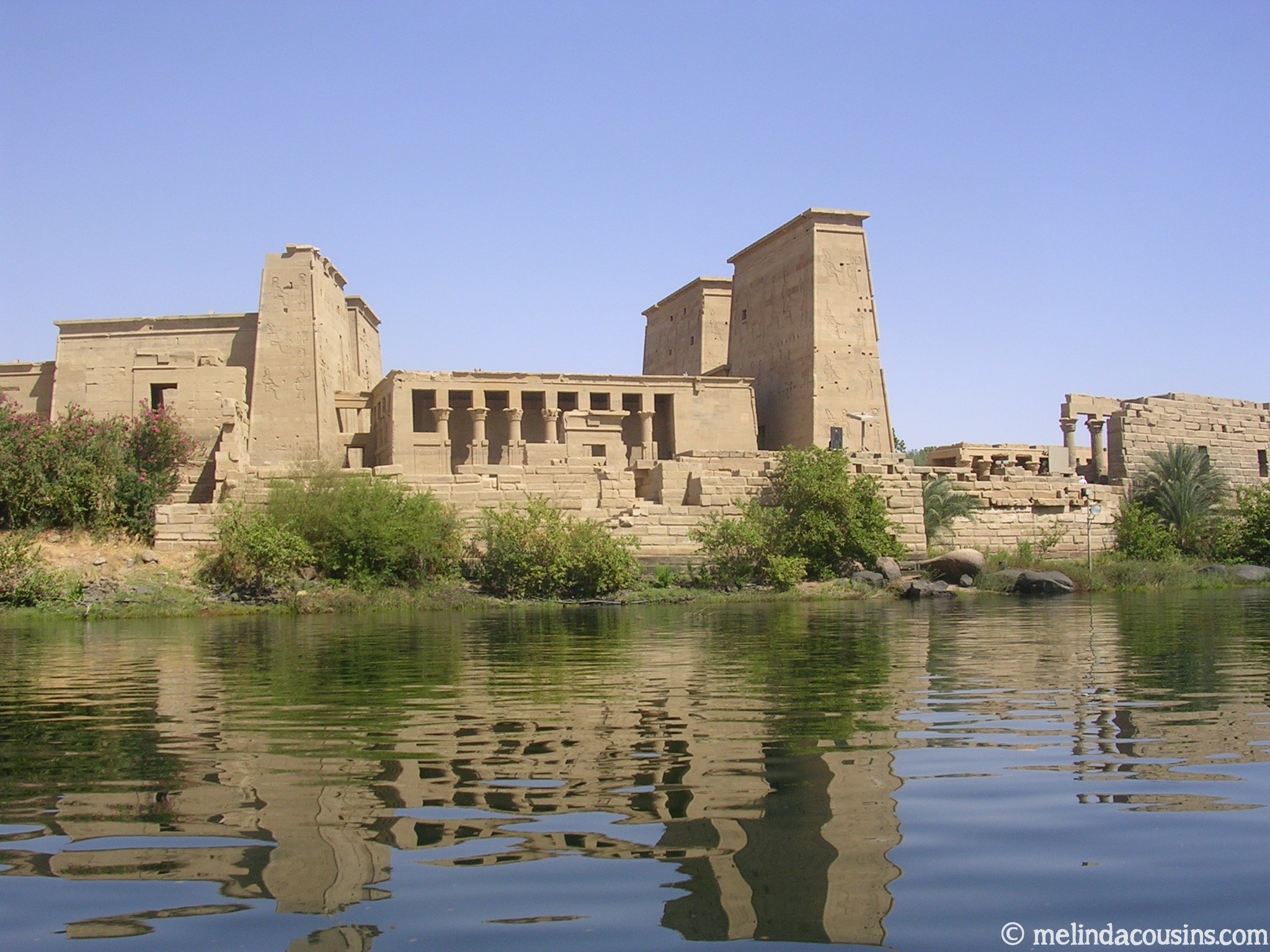
Philae Temples at Aswan
Aswan was the southernmost point of our cruise down the Nile in Egypt and we were moored there for three days. The town was a hive of activity in the mornings and evenings, but quiet in the middle of the day. We discovered why when our group, not wanting to waste a moment, organised a visit to one of the temples from 12-2pm. The temperature hit 50C/122F in the sun and we felt like we were going to melt … but at least we pretty much had the place to ourselves!
What did I love about Aswan?
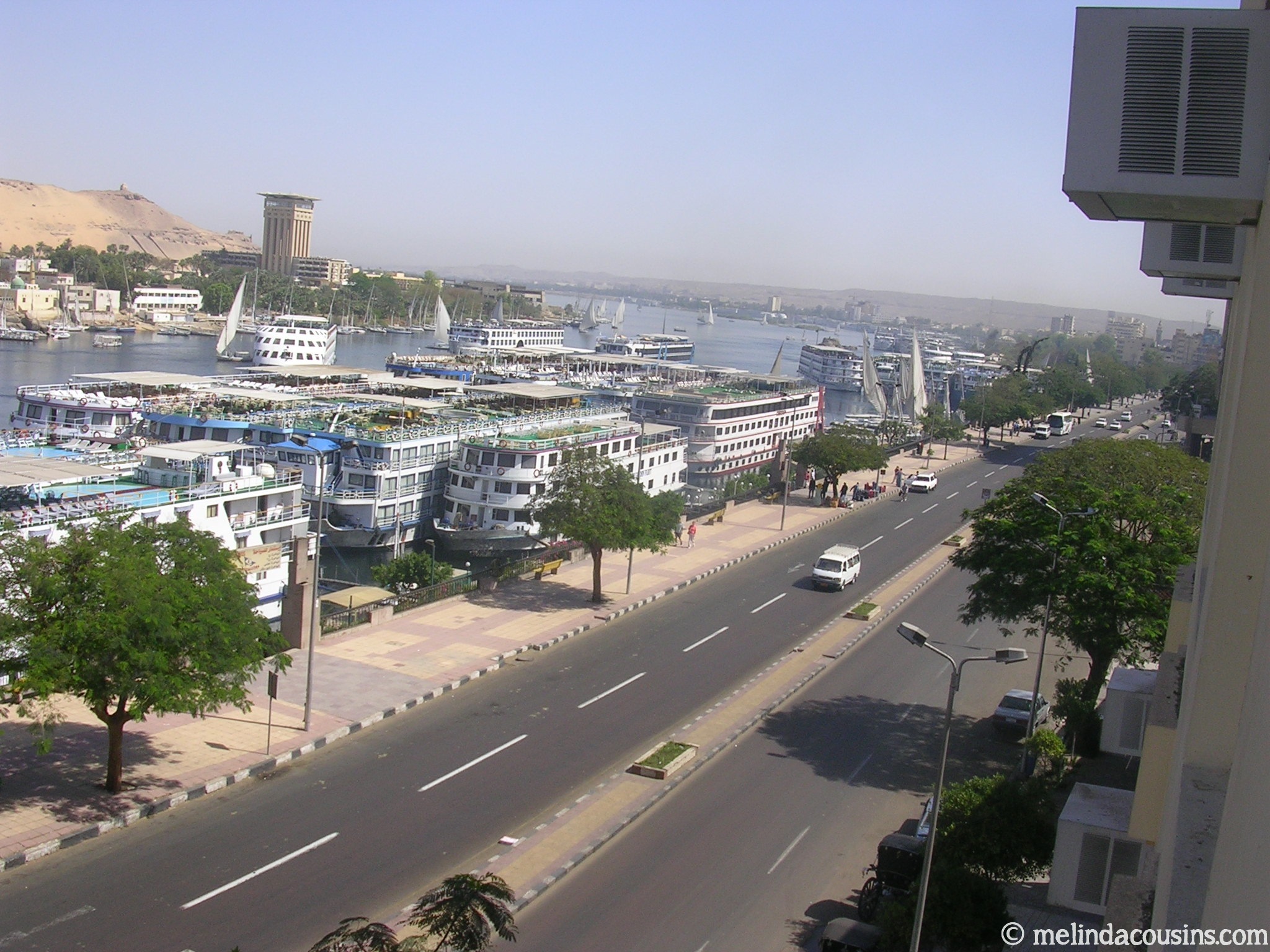
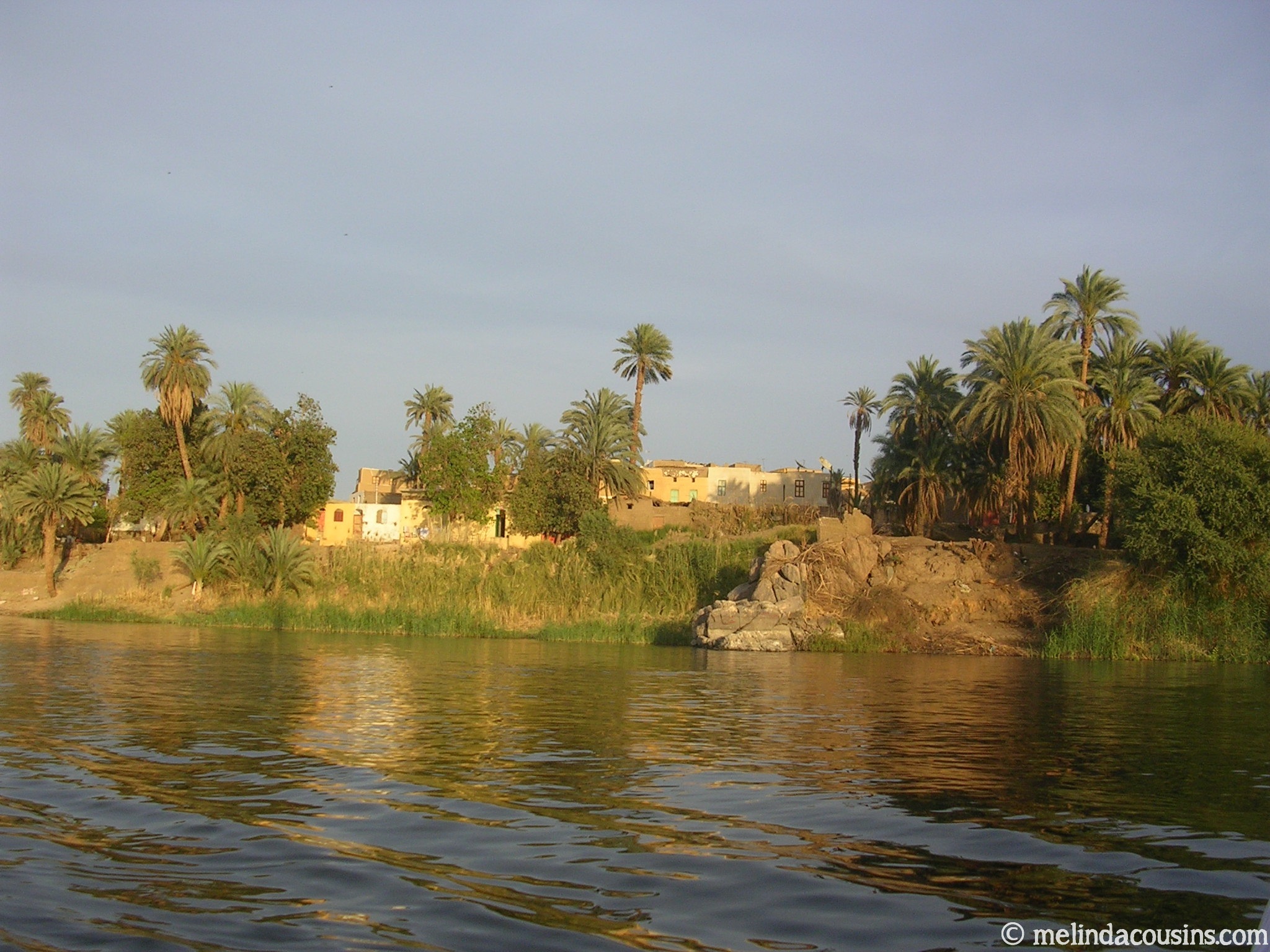
The Nile in all its activity …
… all its serenity …
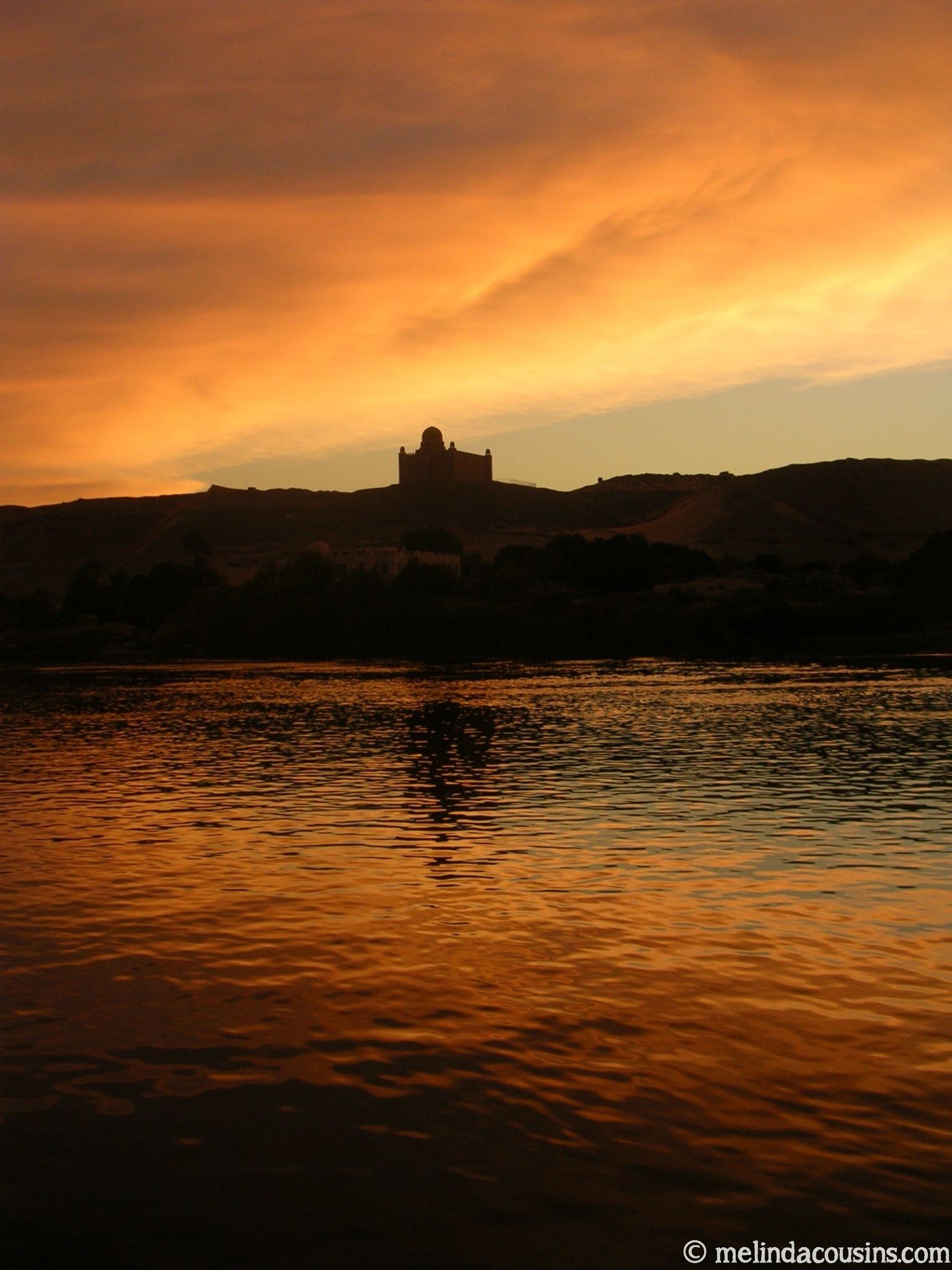
… and all its beauty.
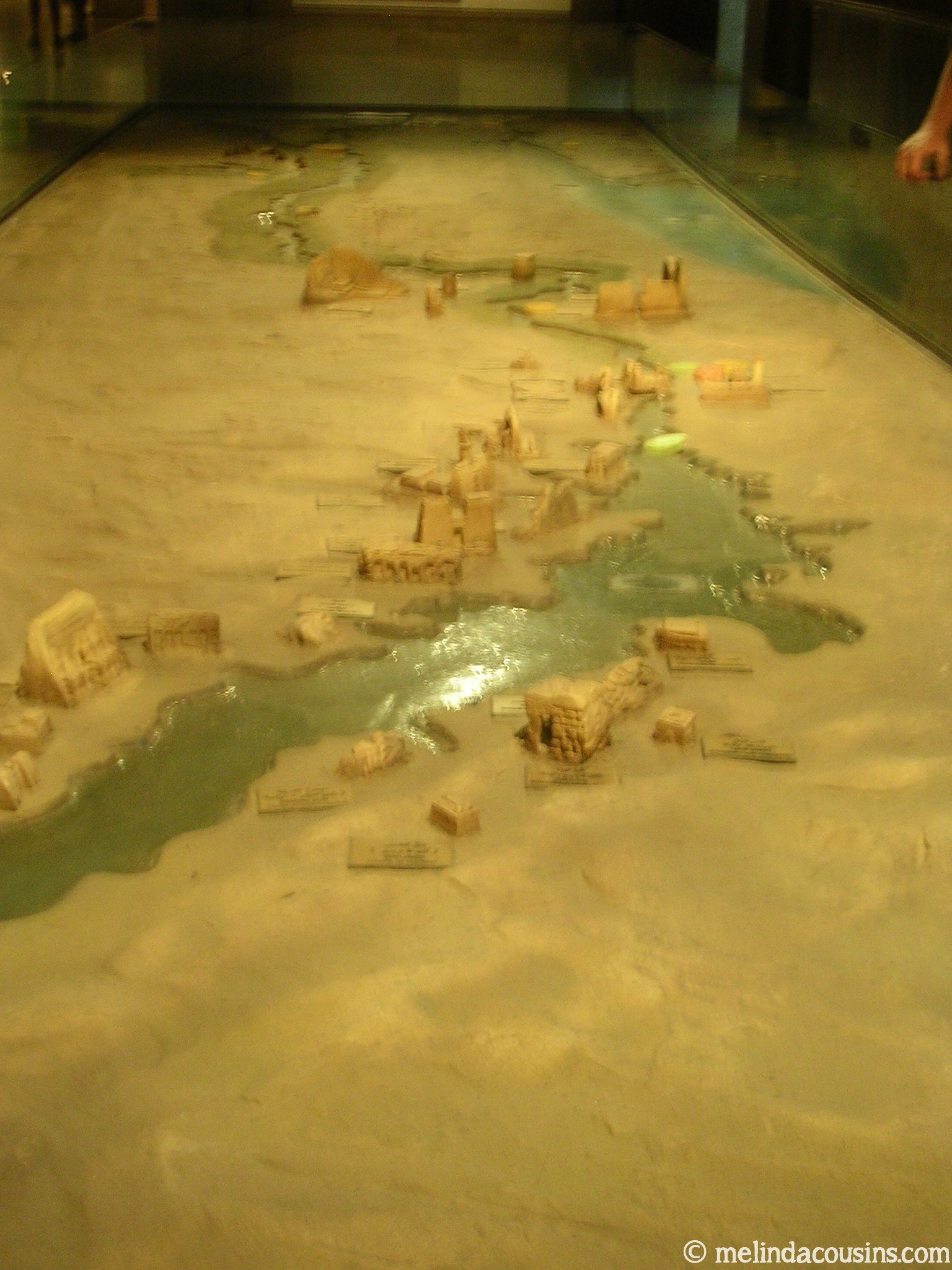
This model/map from the museum gives some sense of what it’s like, passing by ancient temples and monuments almost as if they are just houses on the side of the road.
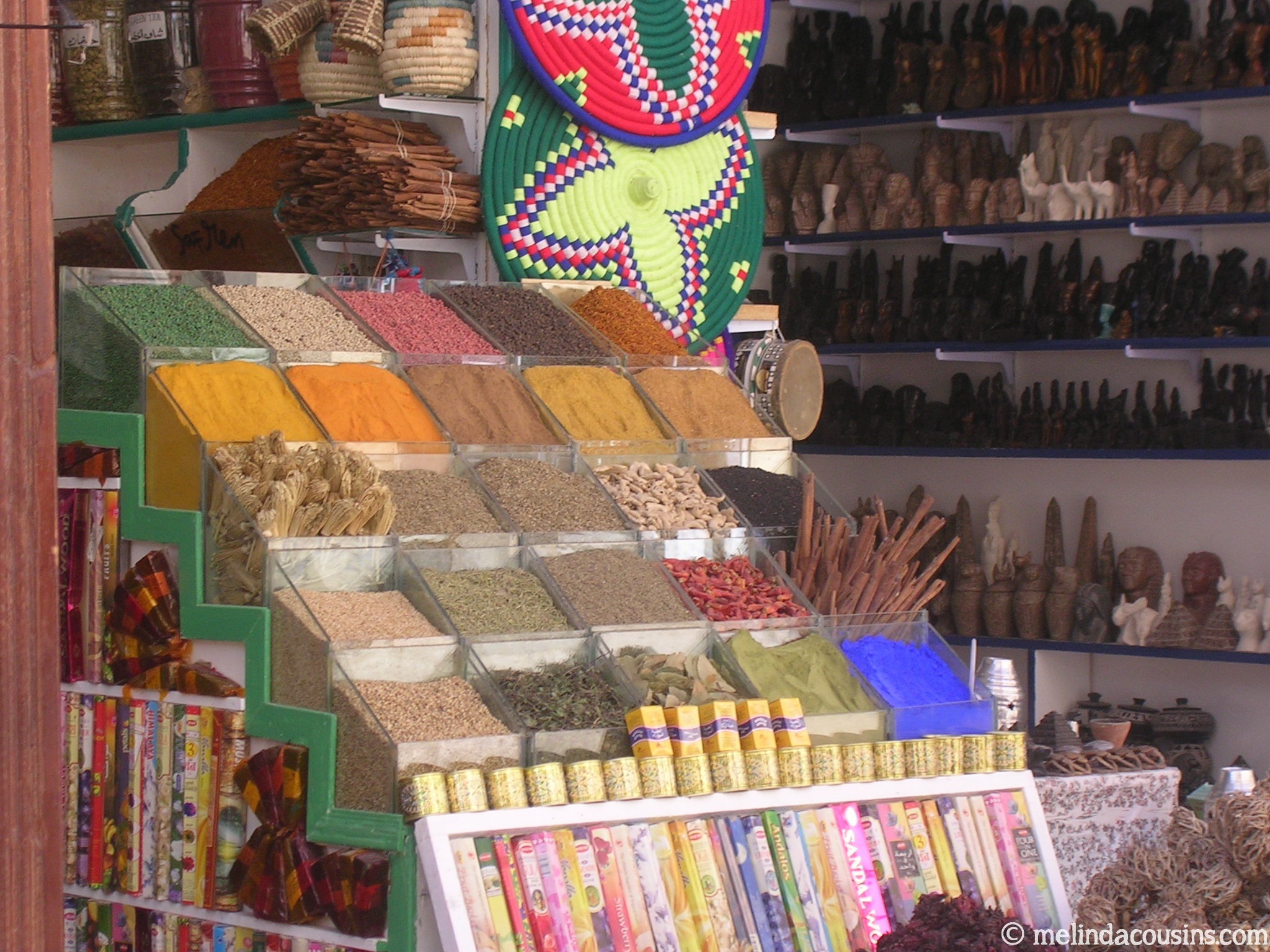
I also loved walking through the street market in the alleyways of town, bartering for food and gifts, experiencing new tastes and smells.
Seeing history come alive with places like the “kiosk” built by the Roman emperor Trajan
… and the merging of cultures when Greco-Roman architecture meets ancient Egyptian hieroglyphs.
The beautiful Coptic Cathedral, which had only recently been completed. We were given a tour by a lovely lady who shared some of the tensions and struggles the Christian minority face in Egypt. She extended an invitation to visit part of one of their services that weekend if anyone was interested.
So, what did I learn from Aswan?
I certainly gained knowledge about aspects of history and politics that I wasn’t taught in school, where Egypt is pretty much just the pyramids. The huge Aswan dam is fascinating in its size, its functionality in regulating the Nile’s floodwaters, and the politics surrounding its construction.
The Soviet-Arab Friendship Monument atop the Aswan High Dam
The Nubian Museum in Aswan was excellent, explaining the history of the region and its people in an interesting and easy to understand way. Well worth a visit.
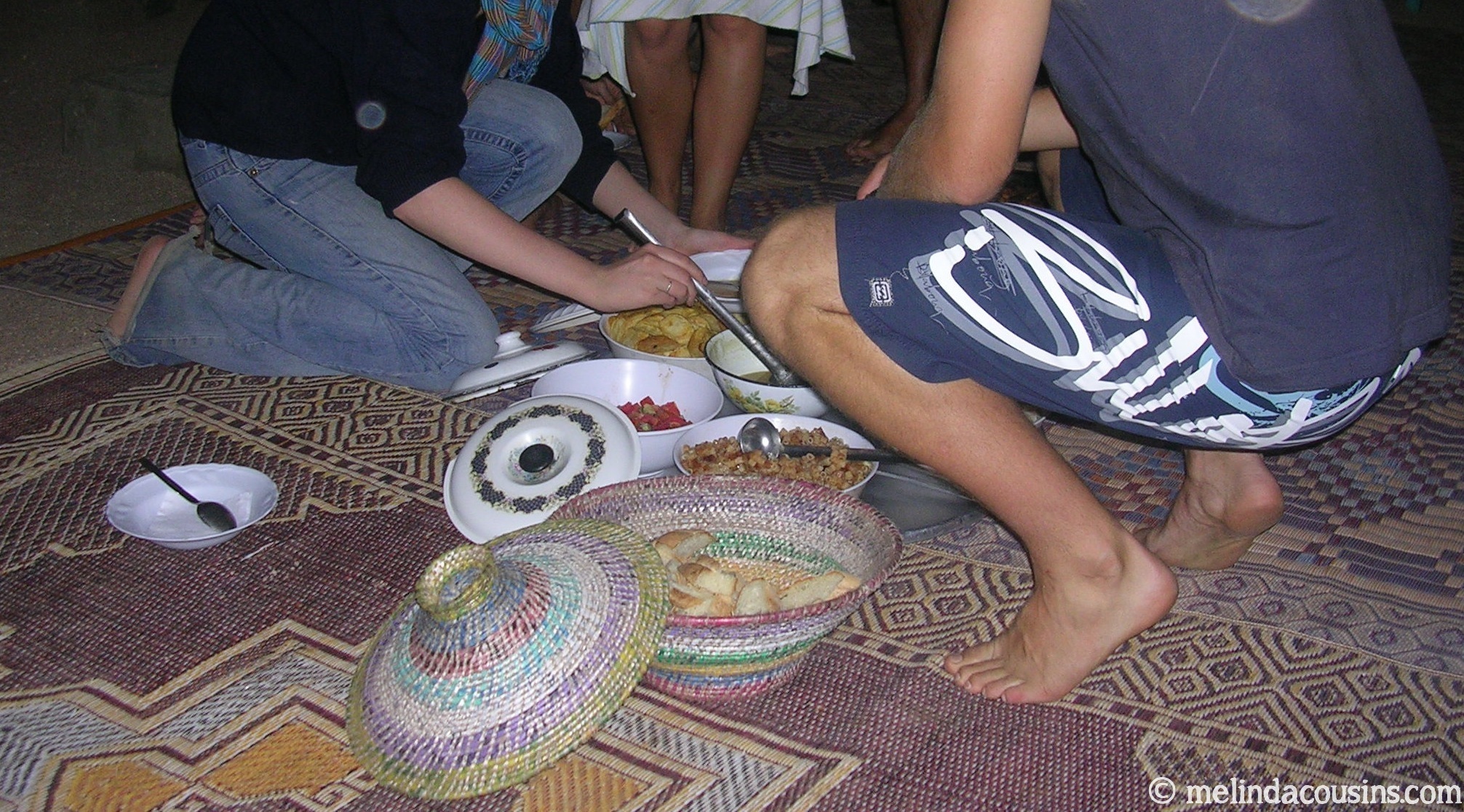
But the real privilege was meeting the Nubian people themselves and sharing a meal with a local family in their home.
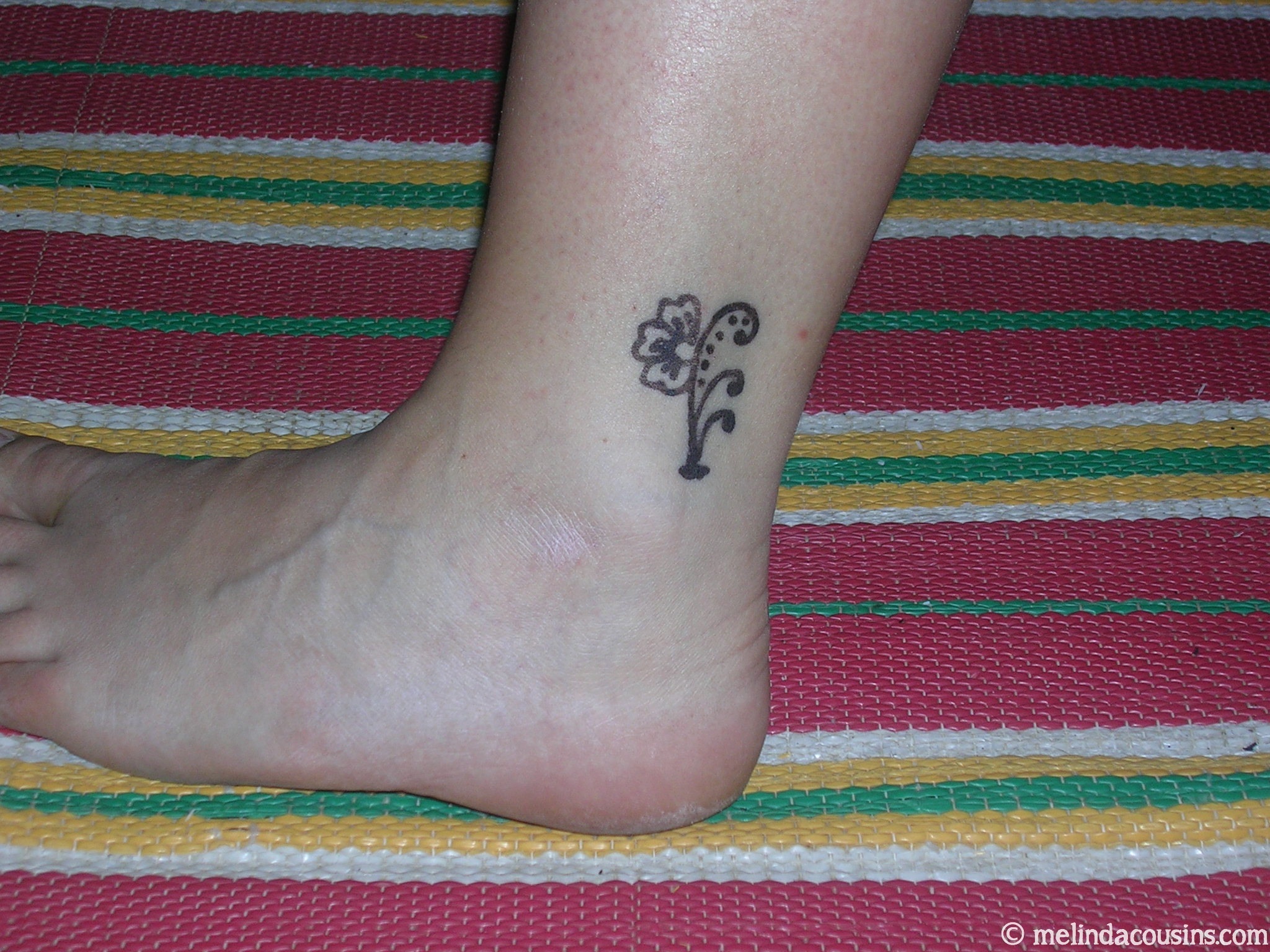
It was here I got my first tattoo, inked by a girl who asked questions about my life in a way that emphasised how different our experiences of the world were, and yet how similarly we thought about things.
(Okay, it was henna)
I was also reminded of how easy it can be to overlook our shared humanity with those who seem unlike us, particularly in the way I saw some of my fellow tourists treat the locals as they served us. I wonder what they think about us, about me, as every day they observe people like me throwing money around, drinking themselves into oblivion, making ignorant and crass statements about their culture, barely looking them in the eyes as they labour for our comfort?
Our Felucca crew
A nice surprise for me was when one of these men told us the name of this Island we sailed past: Elephantine. It didn’t mean much to anyone else, but I was quite excited because I knew that name – I had taught about it to my students! A collection of papyrus documents were found on this island that record the history of a Jewish community who had fled Israel after its destruction by the Babylonians in the sixth century BC. I love it when my travels and studies come together!!
Elephantine Island
And I did return to the church for part of their service on our final day. I didn’t understand a word as I stood and kneeled and sat when everyone else did. They chanted in Greek, sang in Arabic and prayed in Coptic Egyptian (I think). But I knew what they were expressing and why they were worshipping. Because it was Good Friday. Together we looked to the cross, to the symbol of torture that has become the symbol of hope; and we looked to Jesus, the one who reconciles us to God and to one another, the one in whom all things hold together. And it was a very good day to be there with them.
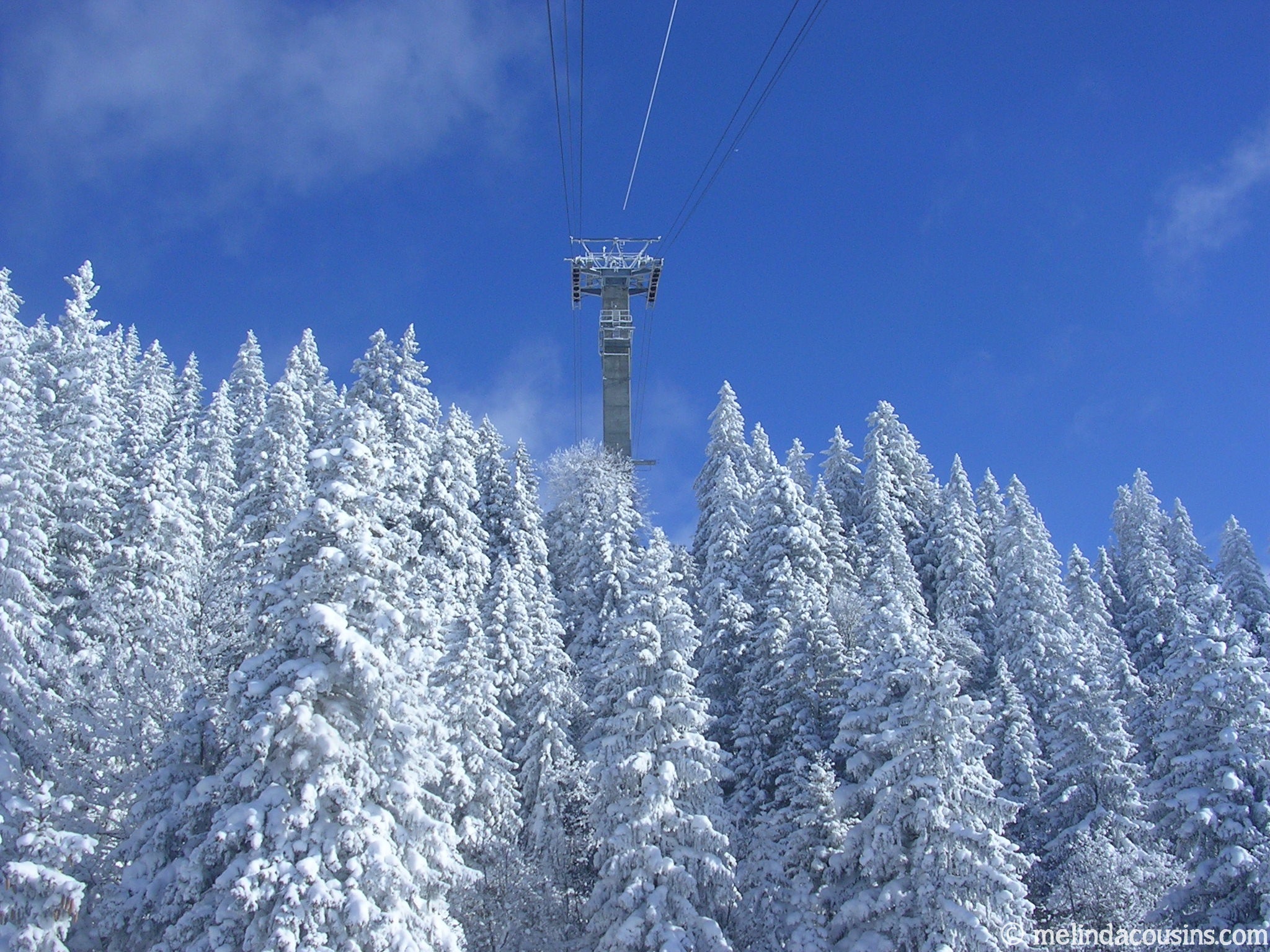
We’re having a cool snap in the middle of summer here, so I’m thinking if it is going to be cold, it would be nice to be somewhere where it is the good kind of cold – with crisp mountain air, snow covered trees, skiing, tobogganing, ice-skating, and playing in the snow.
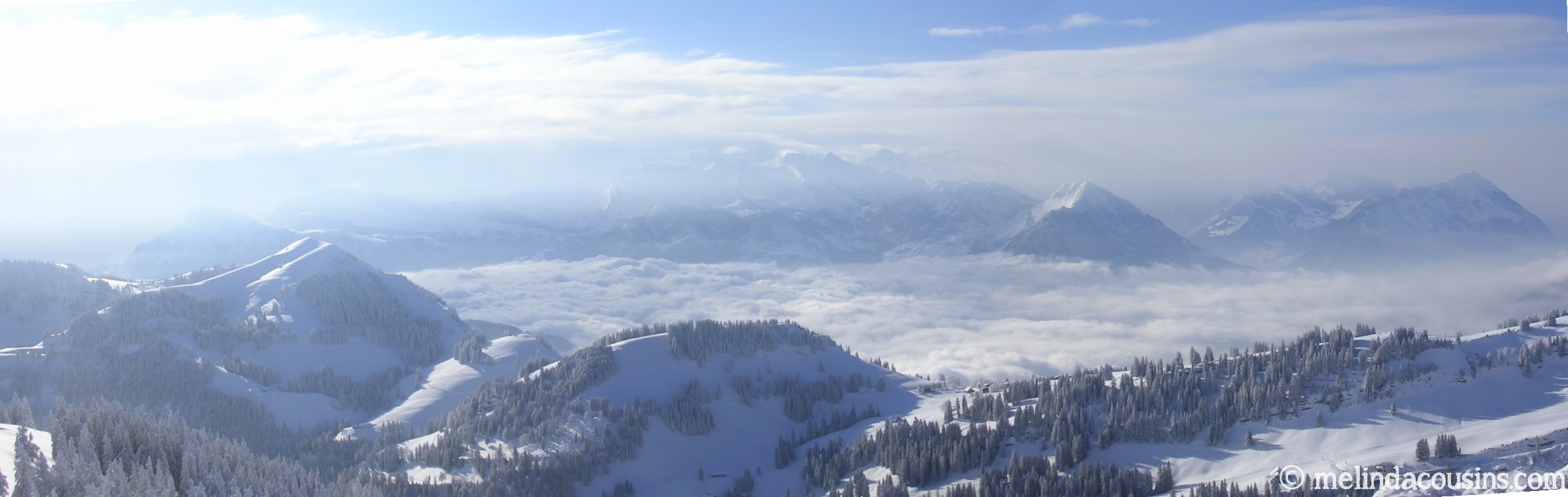
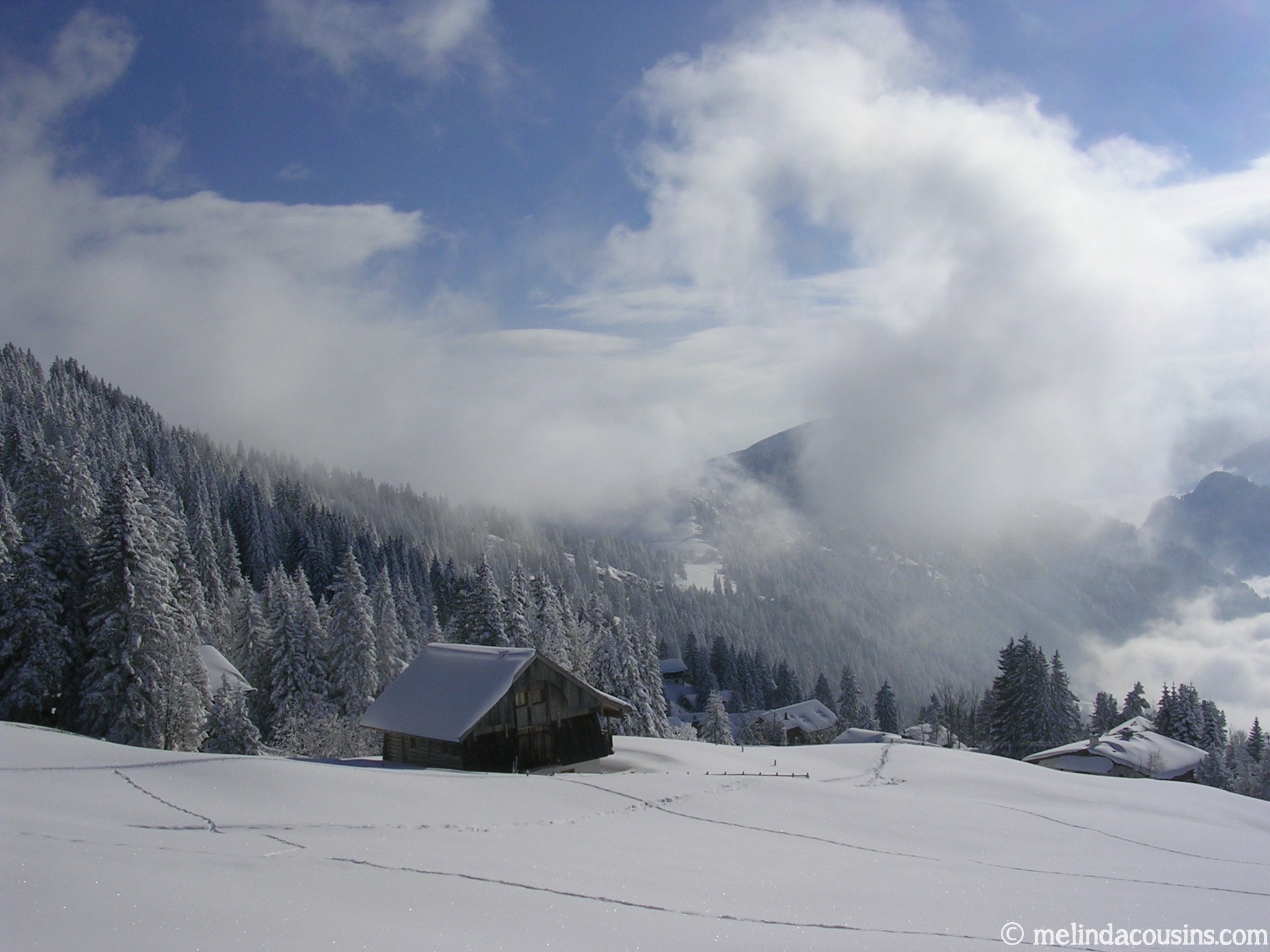
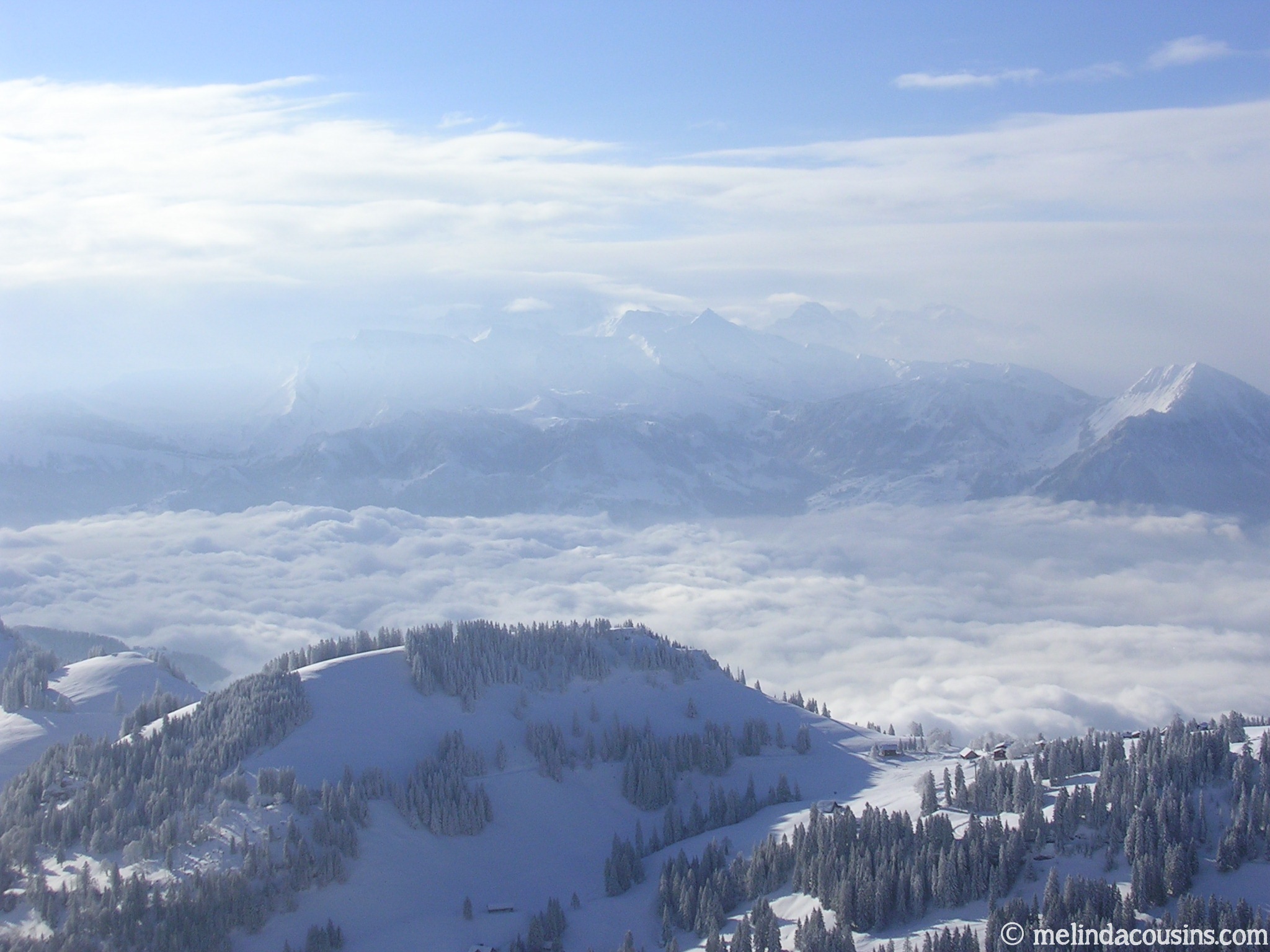
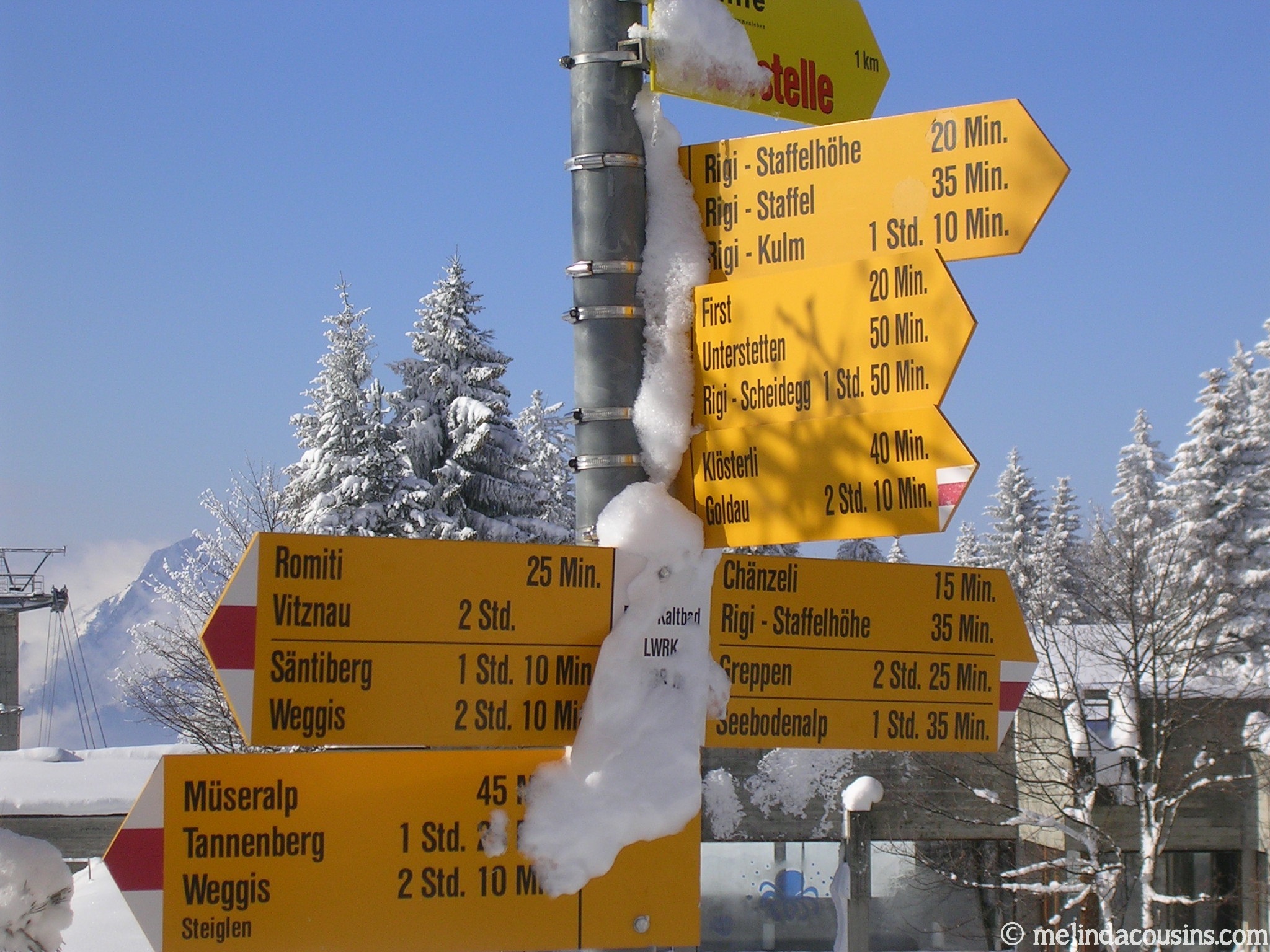
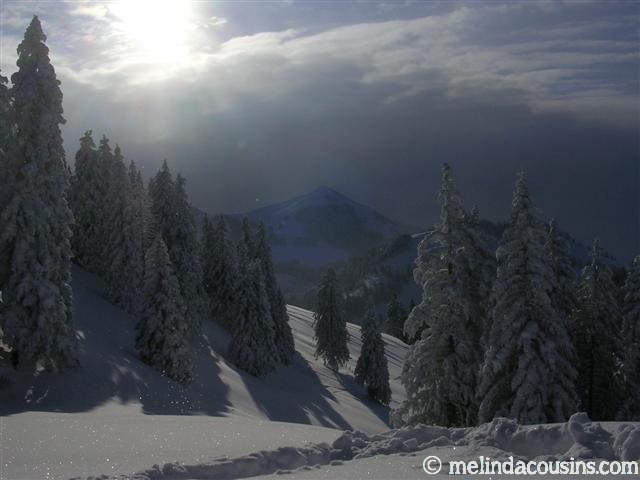
Rigi is a group of mountains in the Swiss Alps and I spent my 30th birthday there. It was a beautiful clear day after a heavy snowfall the night before – something like today is forecast to be there.
What did I love about Rigi?
I loved the pristine beauty of the untrodden snow and the beautiful chalets capped with their ‘icing’ roofs.
I loved the experience of looking down on the clouds below and literally feeling on top of the world.
I loved playing in the snow like a child and coming back into the warmth for one of the best chocolates I’ve ever tasted.
What did I learn from Rigi?
Snow makes everything beautiful 🙂
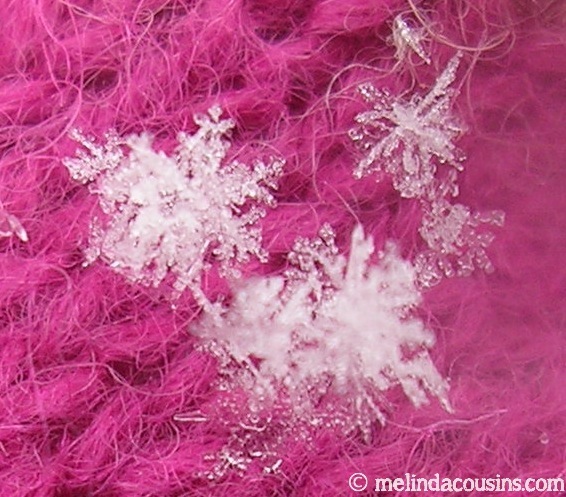
I experienced with my own eyes for the first time that each snowflake truly is unique.
I learned that hot and cold weather are relative: 5C in Adelaide means rugging up inside with the heater on; but in the Swiss Alps it’s the perfect temperature for playing outside in the snow.
On my 30th birthday, I was reminded that you’re never too old to be childlike. Sometimes we just need to embrace it, let go, and have fun … even if jumping into deep snow makes it difficult to get out!
And that like a little child it is good to wonder and be amazed at the incredible beauty of this earth and at our good Creator who delights in displaying His splendour and majesty.
The movie of one of my all time favourite books comes out next week and organising to see it has led to a few conversations with fellow book lovers about our favourite fiction. I always say The Book Thief is one of my top five, but I’ve never been able to definitively name the others on that list. Probably because it changes so often. But for now, here is my best attempt at my favourite novels of the last few years. I’ve limited myself to one book per author and they are not necessarily ranked in permanent order as more recent (re)readings tend to move things up the list, and it is certainly weighted towards books published in the last decade or so.
A friend gave me this T-Shirt a couple of years ago. Probably a fair call.
1. The Book Thief, Markus Zusak (2006)
I don’t know anyone who has read this book and not loved it. (But now I’ve said that I’m sure someone will let me know if they have!) Narrated by Death and set in Nazi Germany, you know from the start that things will not all be okay. And yet it is sweet and funny and moving and uplifting. Beautifully written, it was Australian author Zusak’s first book and his follow ups haven’t quite managed to hit such heights. It is a book for book lovers; a book about the power of words written in powerful words. I’ve read it three times in as many years and I know it will be on my re-read list for years to come. I’m really looking forward to the movie … with slight apprehension as I wonder how on earth they can do it justice.
2. Life After Life, Kate Atkinson (2013)
I bought this after hearing the author interviewed, intrigued by both her passion and the premise. Another book with an innovative central conceit, here the protagonist dies at the end of each chapter. Each new/parallel life is based on the idea that one small change in circumstance can change a whole life. The first few chapters allow time to get into the rhythm, a few are frustrating, one is so sad you can’t wait for it to end, and others are joyful and riveting. The backdrop is the first half of the 20th century and historical and literary references are woven in throughout. Loved it.
3. Gone Girl, Gillian Flynn (2012)
A much darker and more twisted tale, this is a great book to talk about with others who are reading it, especially as they hit certain points in the narrative. Told from the dual perspectives of husband and wife in alternating chapters, each starting at a different point, it’s the story of a woman gone missing. It’s a psychological thriller, at times graphic and disturbing, and I couldn’t put it down. The twists and turns are fairly over the top but that’s probably a good thing here. Completely gripping. The movie version with Ben Affleck as the lead is due for release late this year, again bringing me both great anticipation and some trepidation in wondering how they can possibly pull it off.
4. To Kill A Mockingbird, Harper Lee (1960)
Despite being a fairly prolific reader, somehow I had missed reading this until recently (I know!!) I am now firmly convinced of its status as a classic that everyone should read. Enough said. I haven’t seen the movie but it is on my to do list.
5. The Source, James Michener (1965)
I love historical fiction and I love the land of Israel’s history so this was an obvious recommendation to me. A sweeping story of a fictional place set in a very real historical context which examines the many episodes in the history of this amazing land from centuries past right through to modern day. If you’ve been to Israel you will love it; if you haven’t, you will still probably enjoy it.
6. Year of Wonders, Geraldine Brooks (2001)
The first of Brooks’ books I read and still my favourite. Inspired by the true story of an English village which in 1666 decided to cut itself off from the world to keep the Black Death from spreading. Brooks imagines what life was like in that small village for that year. Questions about God, science, hygiene and meaning are raised as well as friendships and life in community. I couldn’t put it down, but highly recommend ignoring the epilogue which seems to belong to a different book altogether (what’s with that?)
7. Life of Pi, Yann Martel (2001)
Loved the book, loved the movie. Probably the closest I’ve ever come to preferring the movie – it’s visually stunning – but still glad I read the book first. The writing is so evocative, I was totally there as the improbable tale unfolded. For me, this book is proof that a good storyteller can make even the most implausible events believable! Deeper questions of truth and meaning are raised right at the end and make for interesting discussion, but I still think it should mostly be enjoyed as just an incredibly well told story.
8. The Help, Kathryn Stockett (2011)
The movie was good. The book is better. Set in the US South in the 60s, it’s the story of racial tension and segregation told from women’s perspectives and told well. Easy to read and gently confronting.
9. The Submission, Amy Waldman (2011)
A novel evoking the real controversy about the building of a ‘mosque’ near New York’s Ground Zero, here it’s a 9/11 memorial design selected anonymously by a committee which turns out to have been submitted by a Muslim. Set within the aftermath of the well-known events of recent history, all the different perspectives are examined in an interesting way. The ending is a little too neat but I really enjoyed the read overall.
10. One Day, David Nicholls (2009)
It seems from this list that I enjoy novels that don’t have a straightforward timeline and here is another one! The story of a couple who meet and become friends their final day of University, we peek into their lives once a year on that same day. It’s fun, romantic, a bit nostalgic for the 80s/90s and a fairly light easy read with some good perspectives on friendship and love.
11. We Need To Talk About Kevin, Lionel Shriver (2003)
Not for the faint hearted. (Or pregnant/new mothers). Written as letters to her absent husband, our unreliable narrator’s son has just committed a school shooting. She looks back over his life, questioning whether she should have become a mother and whether he was born evil. It is brilliantly written, with the impact of what has happened in the present hanging over the retelling of the past and yet full details withheld until the cracking ending. The movie was fairly faithful to the book but I don’t know if it made any sense as a stand alone story, there’s too much missing and what’s left is more an ode to the feelings the book evokes.
12. Bel Canto, Ann Patchett (2001)
In an unnamed country the guests and staff at an embassy party find themselves taken hostage by revolutionaries. The complicated relationships that arise are examined in the ensuing weeks of stalemate as the captors have no clue how to end it and the hostages perhaps don’t want it to. Quite an easy read, Patchett paints her characters so well that it’s a shame the situation has to come to an end. But the one page epilogue is banal and pointless – I seriously considered ripping it out of my copy. I think this would make a great movie, I wonder why no one has tried?
13. The Poisonwood Bible, Barbra Kingsolver (1998)
The story of a Baptist missionary in Africa, parts of this cut a little close to home. Set in the 60s when the word (and idea of) “contextualisation” was unknown, the mix of genuine compassion and incredible ignorance makes for a fascinating read. Told from the perspective of his four daughters, the second half shows the varied impact of their childhood on their adult lives, as well as the emerging history of the so-called dark continent. This is another one that stands up to multiple readings and would make a great movie some day.
14. Sarum, Edward Rutherfurd (1987)
Rutherfurd has written a whole series of books using the same premise: the story of a place throughout its history, with fictional characters and their families’ tales unfolding through the millennia. I also loved London (1997) and NewYork (2009), but this is his original epic and will always be my favourite. My sister and I both read it in high school and it lived in our memories enough to prompt a visit to the real ancient site when in the UK a few years ago. Near Stonehenge and Salisbury, Rutherfurd imagines in Sarum a small group of families who create the mysterious stone structure as well as the beautiful cathedral years later. The intertwining of history and ordinary lives.
15. The Time Traveller’s Wife, Audrey Niffenegger (2003)
Good movie but great book. The chronology is completely disjointed but easily followed, tracked by the ages of the main characters: the man who travels through time and the girl he befriends and later marries. Time travel is used as the backdrop to questions about life and relationships rather than as a sci-if device. Funny, sad, moving, ordinary, a good read which I have dipped back into a number of times.
16. The Runaway Jury, John Grisham (1996)
Do not see this movie!!! In my opinion the best Grisham novel of all and the worst movie adaptation. There’s a good reason the movie didn’t do well, but I can’t understand why the book isn’t better known. I went through a Grisham phase a few years ago (yes, while I was studying law) and read all his books. This is the one I keep coming back to read again. A multi-million dollar trial against the tobacco industry and a juror who has stalked the case, sets this up as a fascinating look at the way juries work and can potentially be manipulated. The movie changed the setting and the entire motivation for the protagonists.
17. Lightning, Dean Koontz (1988)
Another author I had a ‘phase’ of reading, I own a number of Koontz’s books despite his Stephen King-esque style not usually being my thing. This one is not as heavy on the sci-if thriller side and has better developed characters and drama. A time-traveller who is not from where you might think and another ‘change one detail and see what else changes’ story, it’s easy to follow and a good light read. It is starting to date a little, but I read it again recently and enjoyed it. Would make an interesting movie.
18. The Dovekeepers, Alice Hoffman (2011)
Another book I read after visiting Israel. Hoffman imagines the circumstances behind the true story of Masada and the two women and five children who survived the mass suicide of the last Jewish holdouts against the mighty Roman army in the first century. Another easy read, it’s probably important to know the story of Masada before you read it, but for those who do, highly recommended.
19. Sophie’s World, Jostein Gaarder (1995)
A cross between a novel and a very readable crash course in philosophy. The story of fourteen year old Sophie who begins receiving letters from a philosopher who guides her through the history of Western philosophy and its questions, which then start to take shape in her own life. Unique and fascinating, it also manages to explain some seriously cerebral concepts in relatively practical ways.
20. The Slap, Christos Tsiolkas (2008)
I wasn’t sure whether to put this on my list or not. I’m not sure I enjoyed reading this, but I am glad I did. Made into an ABC miniseries a couple of years ago, the beauty of the book is that each chapter is told from a different person’s perspective and yet the chronology continues to move forward in sequence. The title incident is the rebuke given by an adult to someone else’s terribly misbehaving child at a backyard Aussie BBQ. The moral dilemmas as well as issues of race in modern Australia are looked at from different angles. However, some sections are close to pornographic and unnecessary.
And the ones that got away … War and Peace (Leo Tolstoy), Shantaram (Gregory David Roberts) and Wolf Hall (Hilary Mantel)
I hate not finishing books. I mean, I’ve read some seriously bad books to the bitter end just because I couldn’t leave them uncompleted. But these three I have not yet conquered, and the first two I’m not sure I ever will. My best attempt at War and Peace was about a quarter a few years ago. This time I only made about 10 pages before I thought about all the better things I have to do with my time and that I don’t want to plough through it just for the sake of it. Shantaram I passed half way before throwing in the towel and on second reading not that far. I know others love it, what am I missing? And Wolf Hall was a recommendation this year from no less than four fellow book lovers I know and respect. I devoured the first half in about three days, then got distracted and haven’t been able to get back into it. I love the historical setting, I don’t mind the stream-of-consciousness-type writing, but for some reason am just finding it hard to jump back into!
So there you have it. An eclectic list that probably says more about me than I intended it to 🙂 Feel free to chime in with suggestions, recommendations, opinions, disputes, below …











 Thinking Out Loud ...