Category Archives: Culture

The privilege of experiencing “un-privilege”

I had an experience when I was in an African country last November that I have wanted to write about ever since, but it is one that I have struggled both to fully understand and to articulate.

In some of the churches we visited, men and women sit on separate sides of the room during a Sunday service. We, however, as honoured [white] guests, were often seated separately from both men and women, in the “best” seats at the front or on the side.

This Sunday, as the only white woman present, I wanted to sit with the other women in the congregation. But what actually happened was that when I sat on the women’s side, none of the local women sat with or near me. In fact, as the church filled up, it soon became glaringly obvious that despite the packed house, there was a circle with a radius of at least two metres between me and anyone else.

I felt incredibly isolated. I also felt an overwhelming mixture of frustration, anger, and sadness, which I struggled to contain. At the time, I couldn’t pinpoint who or what I was angry about, or exactly what made me feel so disconsolate.

After returning home and reflecting on the experience, I have come to the conclusion that I was simultaneously experiencing both privilege and what I will call (for want of a better term) “un-privilege.” As a white person, I was given elevated status, to the point that the other women did not feel that it was acceptable for them to sit with me. But as a woman, I did not have the status that would make it acceptable for me to sit with the men.

Now, let me say that I categorically do not wish to make any value judgments about the people I was worshipping with. About the only thing I can probably be certain of is that they were not experiencing this event the same way I was. But I do want to learn from and share about what I experienced in that moment, from my perspective.

The idea of “privilege” is one I know not everyone is comfortable with, but it has become a helpful shorthand expression for something that is very common in our world. Basically, it refers to the advantages that a group of people have due to their social status. As this status is conferred by society, it is not something that is chosen, and it can often be something very difficult for those who experience it to recognise.

Experiencing the world as a white person means I experience privilege. It means that I do not understand what it means to be disadvantaged because of the colour of my skin, and that often I am not even aware that there is any advantage or disadvantage based on skin colour. But when I listen to my friends and neighbours who experience the world every day as “people of colour” (a term that itself reeks of privilege – as if those of us who are white are “without” colour!), I realise that they face many subtle and not so subtle reminders every day that it matters what they are not.

I also experience privilege because I am educated, wealthy, heterosexual.

However, on the other hand, experiencing the world as a woman means that I experience “un-privilege.” I recognise every day that there are ways I am spoken to and spoken about, ways that I am looked at and overlooked, ways that I am valued and evaluated, that are not experienced by men.

Maths

So, why was my experience in Africa so confronting? From my perspective, something about that simultaneous experience of both privilege and un-privilege clarified things. I felt both the miserable isolation of not having the same status as the men, as well as the humbling shame of being given a status above the other women that I had done nothing to deserve.

And I think it was that shame which provoked my deepest anger, frustration and despair. The shame that reminds me that I can go through life so oblivious. To not even know that by what I assume to be my “neutral” experience I am actually both being advantaged and therefore causing others to be disadvantaged. That unless I somehow enter into the experience of those who are not like me, and try in some way to feel what un-privilege is like, I will never understand my own privilege. And so I am grateful for my experience in that church. It was confronting but in a way that I needed to be confronted. It was a privilege in the other sense of the word – a humbling gift and a source of true pleasure.

A good friend of mine was recently the only male participant in a room full of people discussing the challenges of being a woman in a male-dominated profession. He reflected afterwards on his desire to apologise as he recognised that even he, who is a gracious and forthright advocate for women’s participation in our profession, so often did not even see how the ways he spoke and acted could perpetuate the disadvantage that women experience. I felt so grateful that he was able to have that experience. I know that he will be able to make a greater difference because of it. That like me in Africa, his confrontation with the realities of un-privilege was a gift and an honour he will not scorn.

Finally, I am reminded of one of the most profound truths of the Christian faith. Incarnation. The fact that the God who had all the status and privilege in the universe chose to fully enter into the un-privilege of humanity. And the incredible wonder is, that He counted it a true privilege to do so.
Today would be a good day to be in a village in Malawi

It’s time for another Monday travel post from me, talking about somewhere in the world I have visited and why I would like to be back there today. One of my goals in travelling has been to challenge the way I see the world and its people, to remind myself that the way I live is not the way everyone lives, and to consider what it means to be a global citizen, and in particular, one of the wealthiest 1% of global citizens.

IMG_8917

And so one of my goals in sharing these travel posts is to challenge those who read them likewise. To challenge your perceptions of people and places around the world, and to challenge you in how you respond to your place amongst them.

IMG_8798

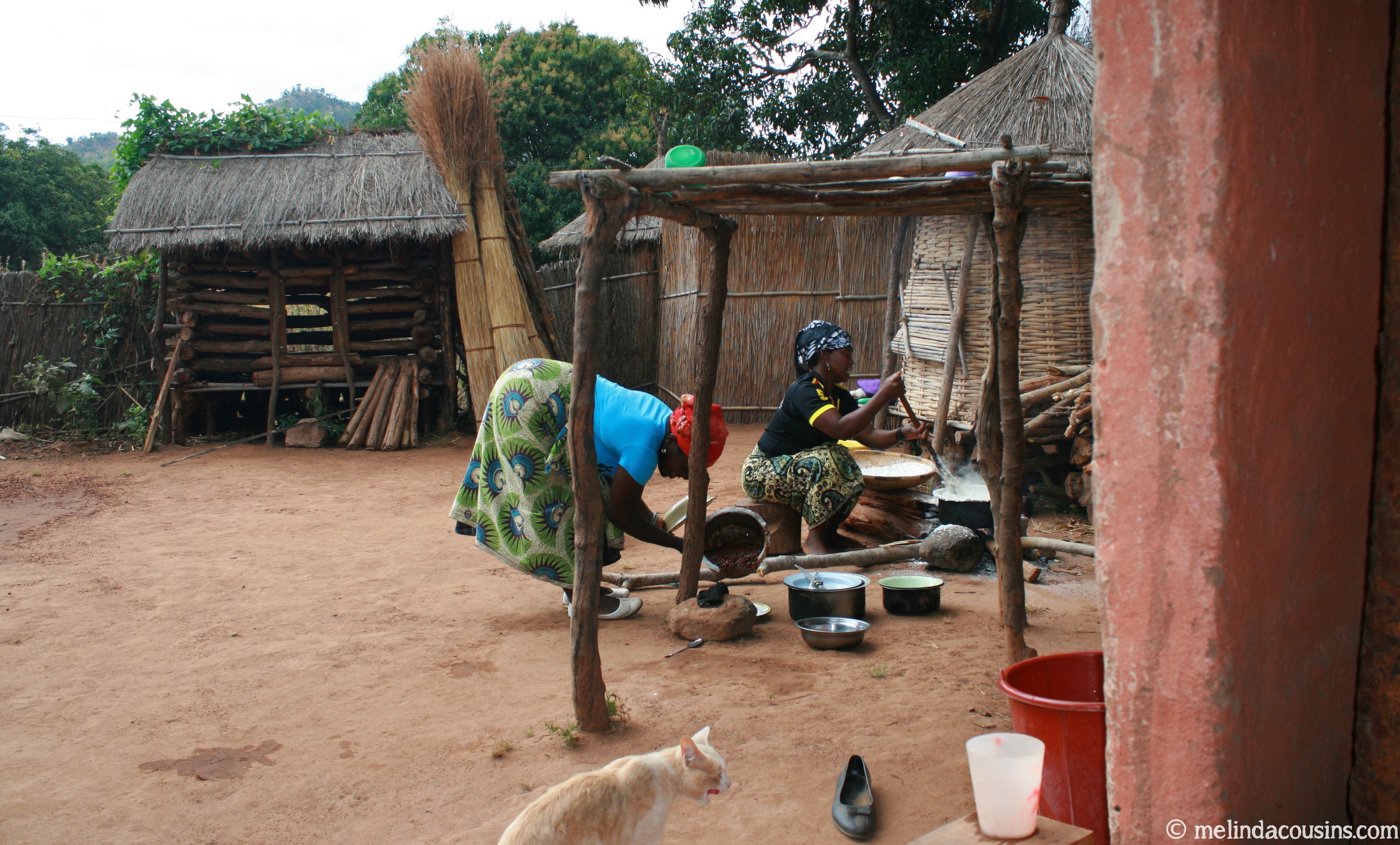
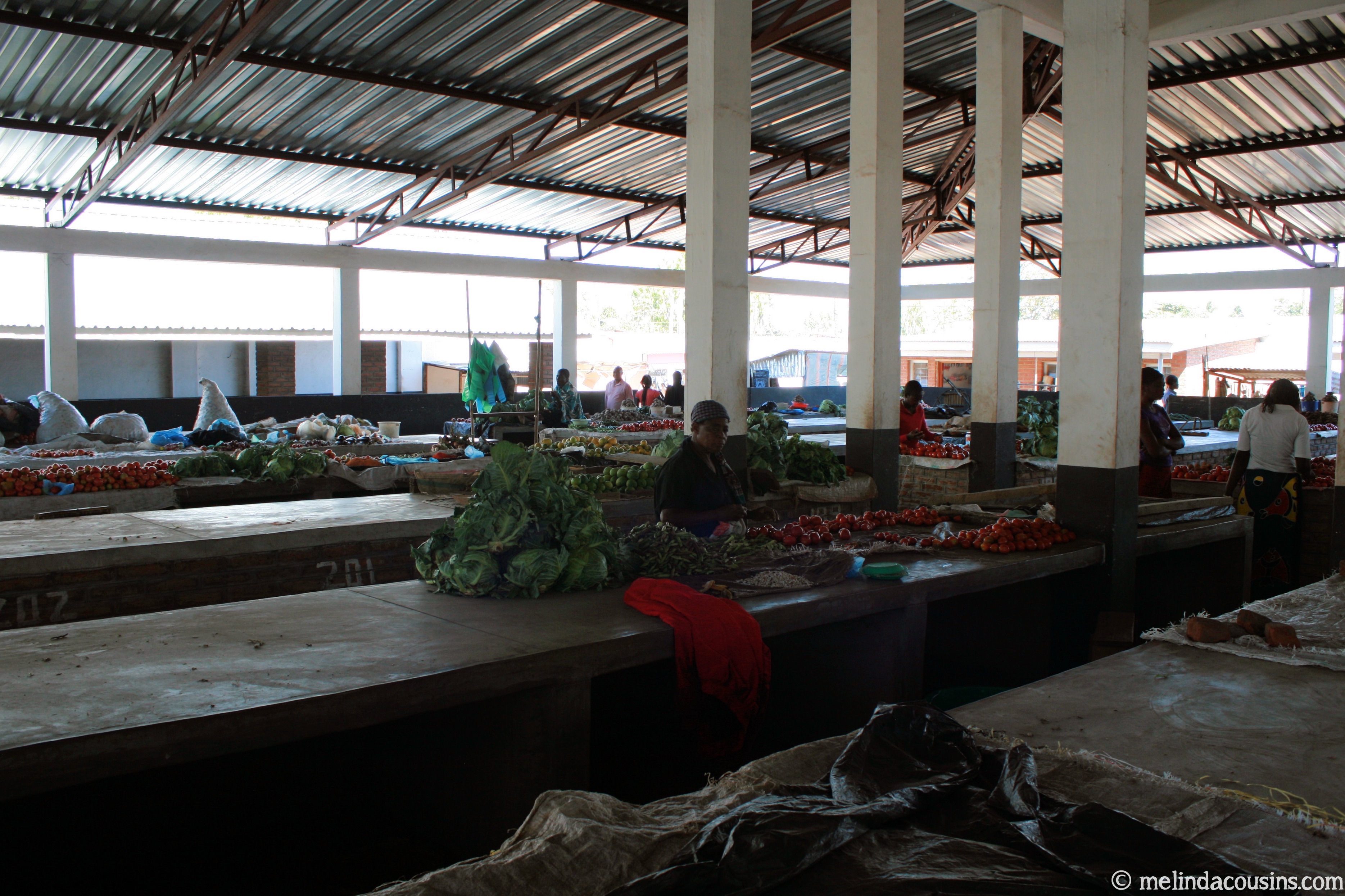
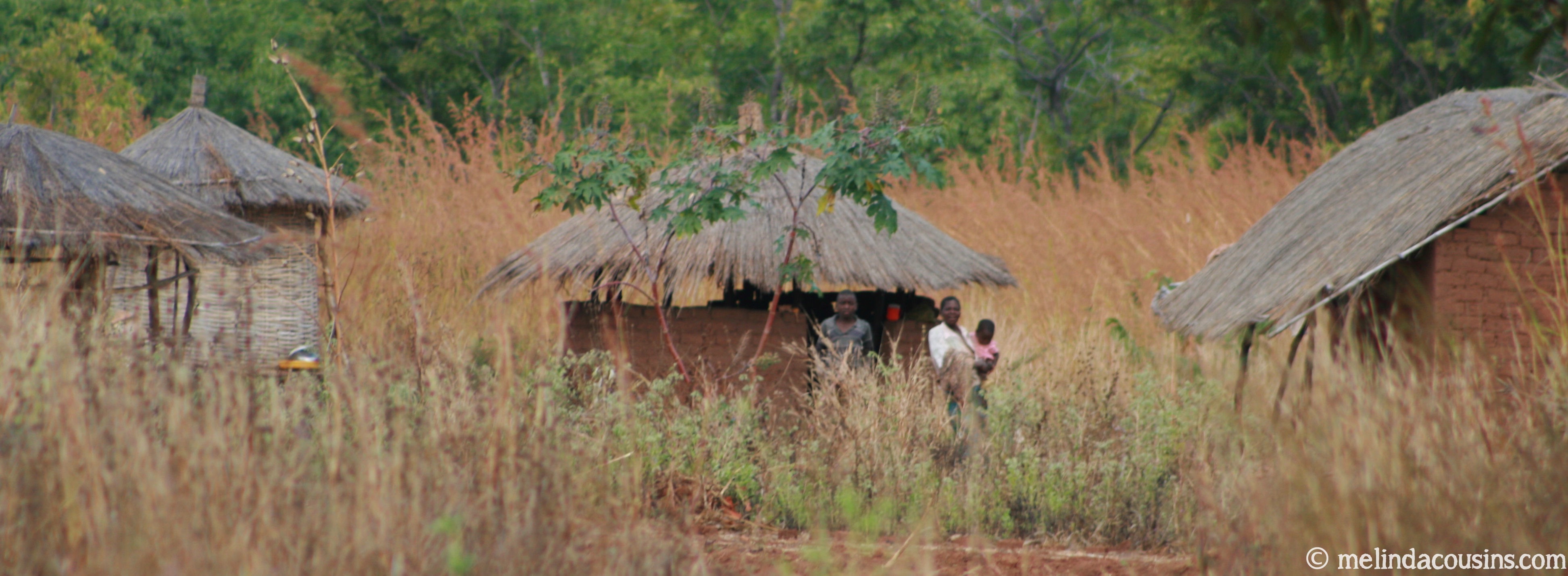
Today, I’m thinking about a rural village I visited in Malawi. I’m not going to name it, and I’m trying to be very careful about which photos I share, because I am conscious of how easy it is for someone like me with access to this kind of platform to unthinkingly exploit those who do not have the same voice or opportunity I have to share their own stories. I want to be very careful because I know that I do not fully understand their stories, and I do not want to do them an injustice by misrepresenting them. I certainly don’t want you to feel sorry for them. But I do want to remind myself, and hopefully you, that there is much for us to learn from their stories, and to be challenged by, once we realise the privilege and power we don’t even recognise we have compared to them.

IMG_8759

What did I love about this village in Malawi?

The hospitality and welcome of the people to an outsider like me.

IMG_8937

Their willingness to share so freely what they have, not realising that their generosity with the relatively little they have puts me to shame when I think about all I have and yet how tightly I can hold onto it.

IMG_8897

The food (or some of it)! Although I find nsima (maize porridge) itself a bit stodgy and tasteless, I am amazed at the flavour that can be brought to the relishes eaten with it with a few simple ingredients. My favourite was futali, a sweet potato and peanut dish that tastes so much better than I could have imagined combining those two things could.

IMG_8936

The landscape. Wide open spaces, fresh air, glorious sunsets, a blanket of stars at night.

DSCN9728

What did I learn from this village in Malawi?

The significant reminder that the way I live is not how most of the world lives. The stark reality of the fact that my life is privileged in a way that most people will never comprehend.

IMG_8903

The everyday realities of living in a place where the average income is around $2 a day and more than 1 in 10 adults are HIV positive.

IMG_8832
The babies room at the village orphanage – heartbreaking

The huge difference a small investment of foreign aid can make, and the exponential difference people willing to live in this place and walk day by day with the community can make.

IMG_8916
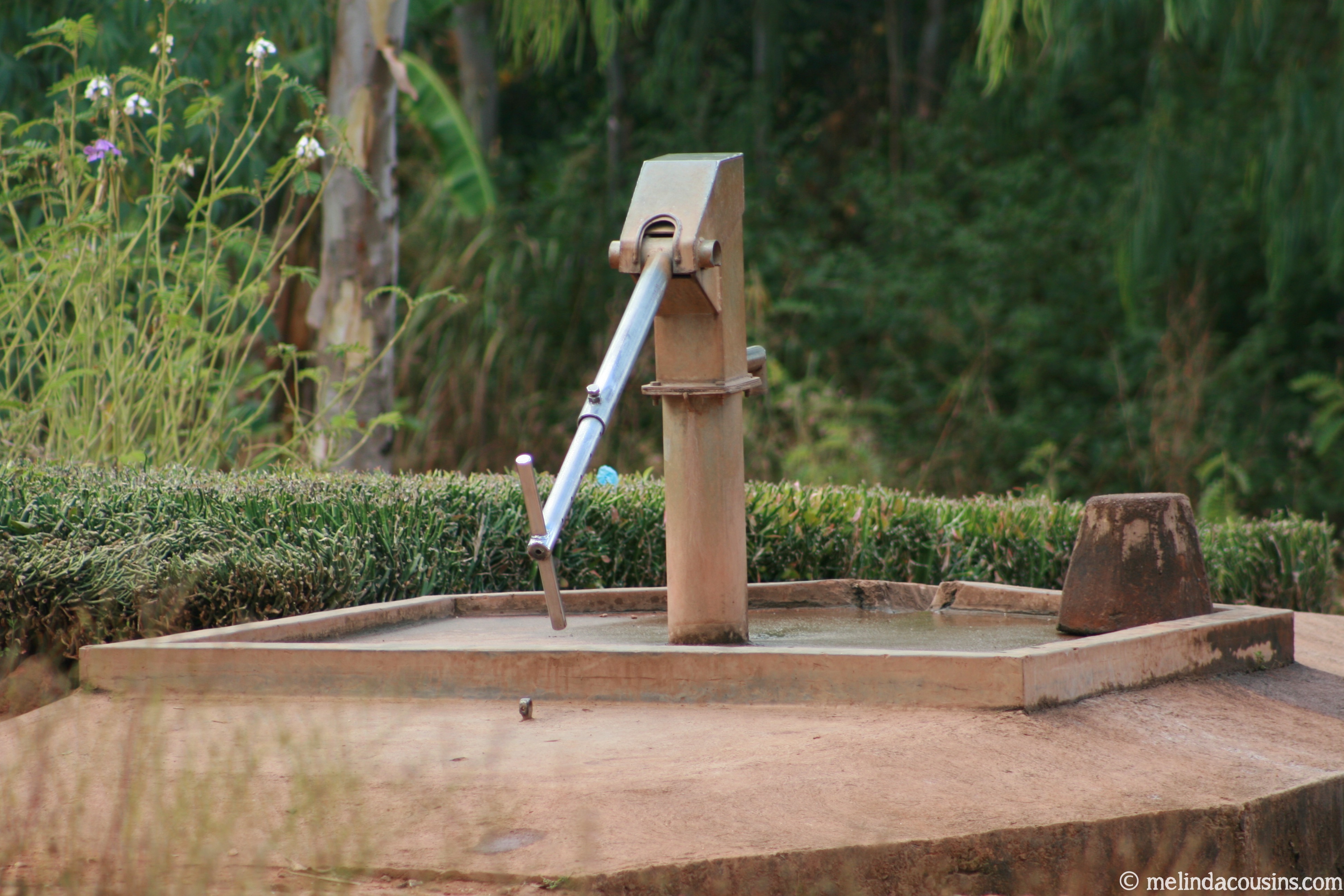
The simple provision of a water pump like this has the potential to change lives by reducing disease or allowing girls to go to school instead of cart water long distances

And most of all, that too many of the maxims my society seems to unthinkingly live by are actually lies. Having more does not make you happier. Waiting until you feel you have all you need to give does not make you more generous. Having a beautifully presented home does not make you more hospitable. Wealth is not the deserved reward for hard work.  And saying “charity begins at home” does not absolve us from responsibility to care about people in other places, but rather calls us to extend the love and mercy we have learned in caring for our families to those most in need, however far away they may be.

DSCN9743

As my government prepares to hand down its budget this week, with predicted cuts coming out of our already depleted foreign aid giving, this challenges me greatly today.

How do we decide what to care about?

This world we are living can be a heart-breaking place. As I write this, thousands are dead after an earthquake in Nepal and many, many more face health and housing crises in the aftermath. Just last week, 28 Ethiopian Christians were cruelly murdered for no reason other than their faith. According to the UN, there are now 4 million registered Syrian refugees who have fled from the persecution and destruction wreaked by ISIS.

Like many other Australians, I was horrified this morning to hear of the brutal executions of Andrew Chan and Myuran Sukumaran. There are people I know personally who knew them personally and my heart is heavy for them – I can’t even begin to imagine what their families are feeling.

But I was also horrified that I only learned the plight of Mary Jane Veloso the day before she was to be executed. Why have I not been hearing her story for months?

Similarly, while I rejoiced this morning with the news that 293 women and girls have been rescued by the Nigerian military from their appalling captivity to Boko Haram, the fact that none of these are the girls kidnapped from Chibok over a year ago reminds me that there are many more stories of suffering happening in that place than the one I have heard about.

Which leads me to these questions: How do we decide what to care about? In a world with so much suffering and injustice, how and why do some situations become known and provoke massive outpourings of response, while others go unheeded? Who decides, and is it okay to let someone else decide for us?

I’m not sure I have answers to these questions, but that’s okay. My goal here is simply to do some thinking out loud.

Certainly the media can be an easy target, as “they” appear to choose which stories we hear and which we don’t and we can’t always be sure what their motives are. I do wonder, however, if a big part of their agenda is presenting us with the stories they think we want to hear. Which puts the question back on us and our self-interest .

Social media can be seen as playing a helpful role in allowing people to have more of a voice and to probe beyond what those with seemingly big corporate agendas are telling us. Certainly the fact that I have a handful of friends on facebook who live in Nepal has helped me feel like I have slightly more insight into the realities of what is happening on the ground there.

And yet it is often difficult to understand why some stories go viral and so many others don’t. Why do we collectively choose to care about some things more than others?

Social media also seems to feed into a kind of “Compassion Fatigue” – where we are so overwhelmed by the sheer amount of suffering in the world that we just want to crawl under the covers and watch videos of cats. It also seems to lead us towards setting up Compassion as a Zero Sum Game – where we assume that by caring about one thing someone is by default not caring about something else, and we then attack them for that perceived lack of compassion.

Two passages from the Bible are challenging me about these questions today.

The first is in Deuteronomy 15, where Moses is explaining to the people of Israel how they are to put into practice the call to respond to the poor and needy. One of the things I love about biblical Hebrew is how abstract concepts are often spoken about by grounding them in physical, concrete, realities. So when he speaks about being compassionate and generous, he literally talks about what you “see with your eyes” and what you can “reach with your hand.” To me, this suggests that the call to respond to the poor and needy is in some way contingent upon us and our situation. If we see injustice, if we can reach out to suffering, then we are called to do so. Once we have become aware, and we know that it is in our ability to act, to turn away is in and of itself an act of injustice.

The challenge we face in our global, interconnected world is that we have the ability to see injustice and need in so many places, and we have the ability in our hands to make a difference in so many ways. We have readily accepted the privilege of knowledge and information and connection that technology has brought us, but I’m not sure we have so readily accepted the challenge.

The second passage is the very well known story Jesus tells in Luke 10. The parable of the Good Samaritan. Jesus tells the story in response to a man asking a question not that dissimilar from the ones I am asking today. “Who is my neighbour?” “Who am I to care about?” And Jesus’ answer is quite confronting. Your neighbour might just be the last person you expect, the person so unlike you, the person who hates you, the person who has no connection to you at all and no ability to repay you for your kindness.

As I continue to scroll through my facebook or twitter feed, as I click on the links people send me, as I engage with the stories of what is happening in our world, what does it look like for me to respond to these my neighbours, whether their story is viral or hardly known? What can I do today with the images I have seen with my own eyes and the resources I have in my own hand to show compassion and justice?