Category Archives: Monday Travel Posts

Museums, Memorials and lessons from remembering … or Today would be a good day to be in Berlin

I recently saw, and loved, the movie of my favourite book. One of the things I love about The Book Thief is that it caused me to imagine what it would have been like to grow up in 1930s Germany. I’m pretty sure when I was 10 years old I had not developed a capacity to critique my country or its government. What would it be like to grow up thinking Nazism was normal, and to then experience the realities and questions of that first hand?

The Berlin Wall
The Berlin Wall

While The Book Thief is set in Munich, a city which I have briefly visited, it was visiting Berlin that raised those same kinds of questions for me. I loved Berlin, and particularly the many layers of history. As I walked the streets of Berlin I often found myself wondering, what would it have been like to grow up here in the 1940s, or the 1980s, or even the 1700s?
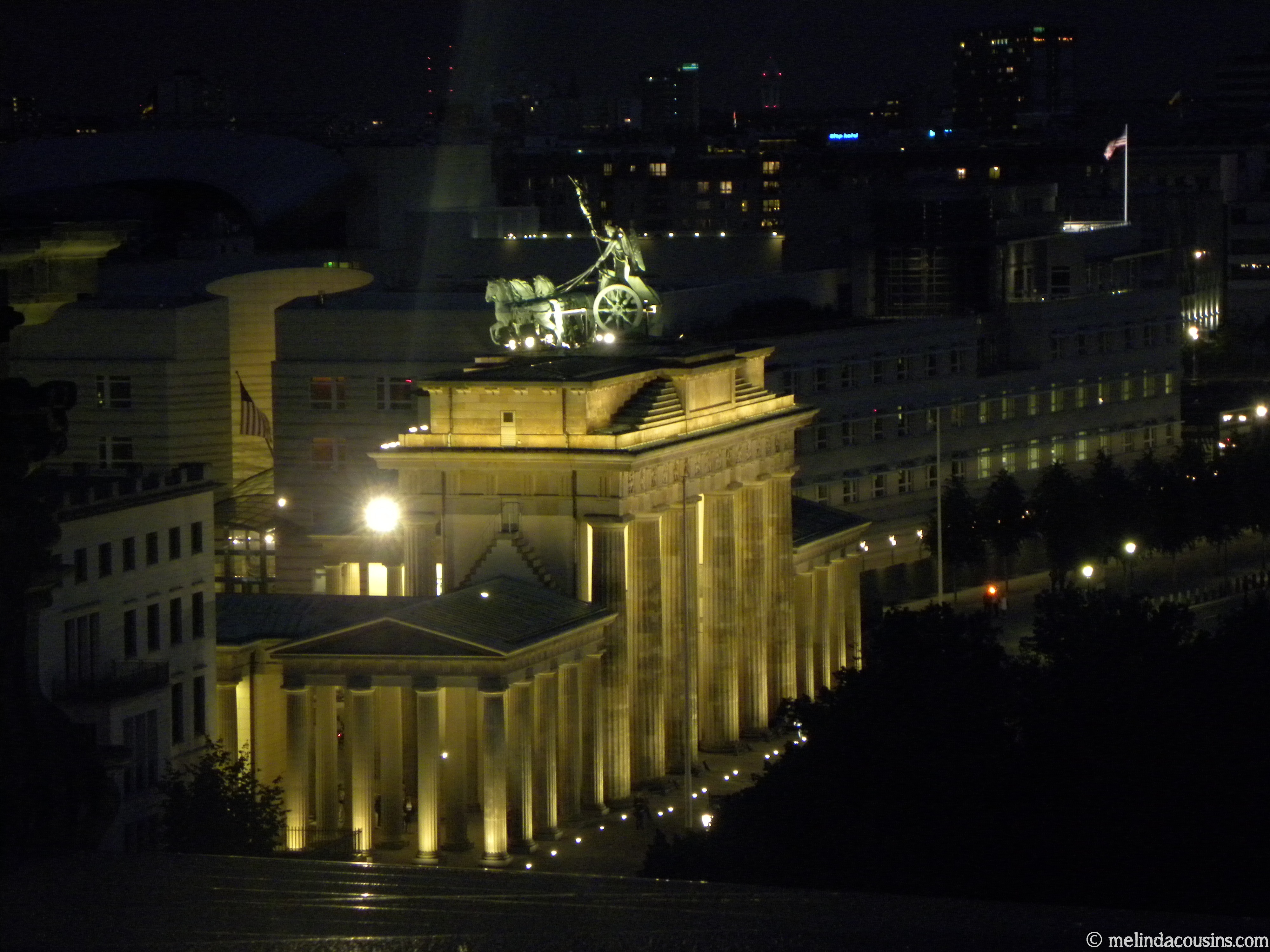
The Brandenburg Gate

Berlin is a good place to reflect on what it means to be human and to remember the ways that humans often treat (and mistreat) one another. I would love to return and spend more time in its museums and at its memorials.
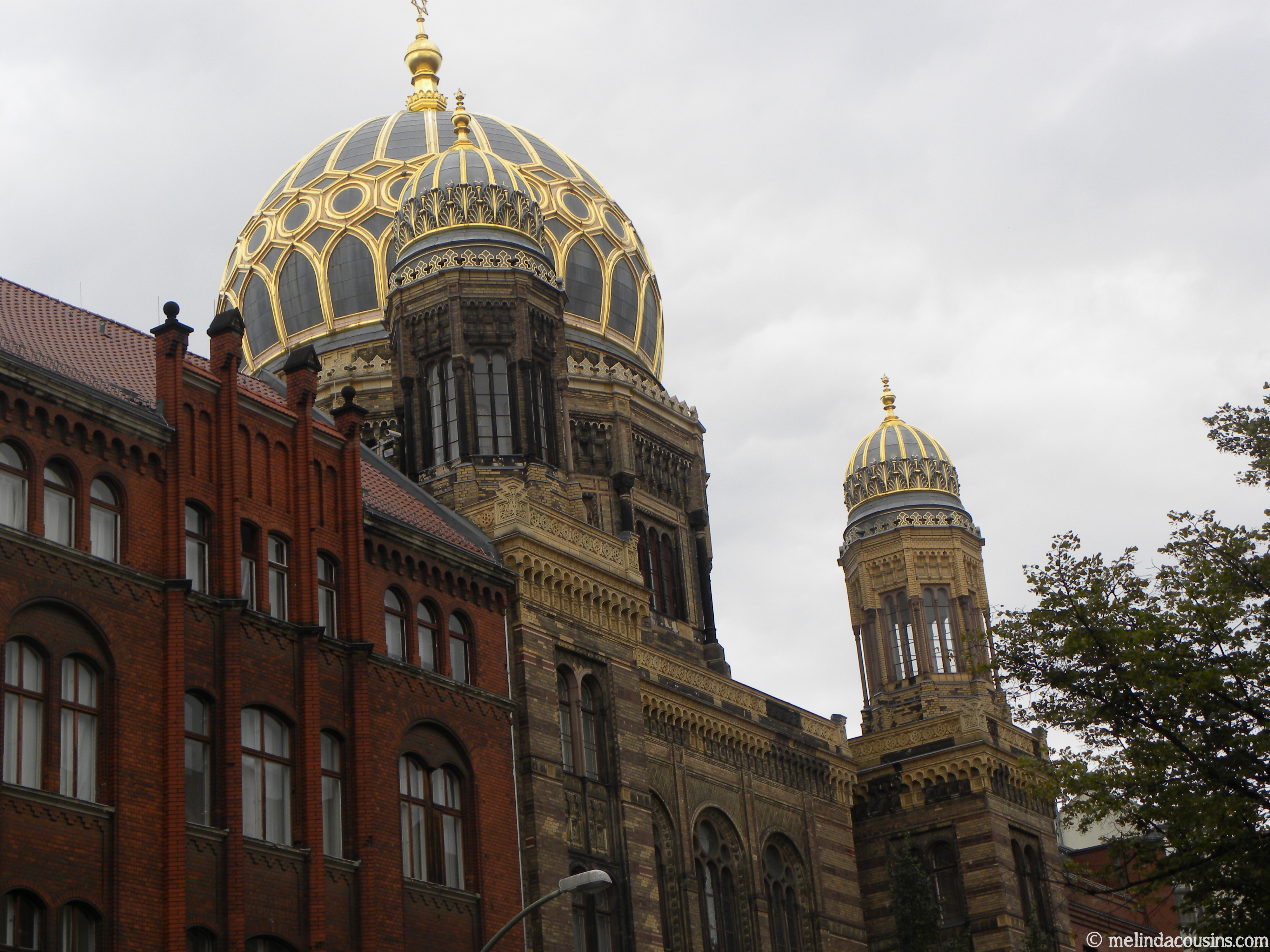
The Neue Synagogue, one of the few to survive Kristallnacht
What did I love about Berlin?

The Museums. Berlin has hundreds, so it was hard to choose which to visit. This list includes just some of my favourites.

The Art Gallery on Museum Island

Pergamon Museum. One of five museums on Museum Island, the ancient treasures here are amazing. In particular it was a thrill to see the huge altar from the Turkish city of Pergamum, and the Ishtar Gates from ancient Babylon, which the Israelites would have seen when taken into exile in the 6th century BCE.

The Ishtar Gates from ancient Babylon

Jewish Museum. At the start of the 20th century, Berlin had one of the largest populations of Jews in the world. This museum celebrates their history and contribution to German society. It also has the Holocaust Tower, a dark and empty silo which is incredibly moving in its sense of emptiness and loss.
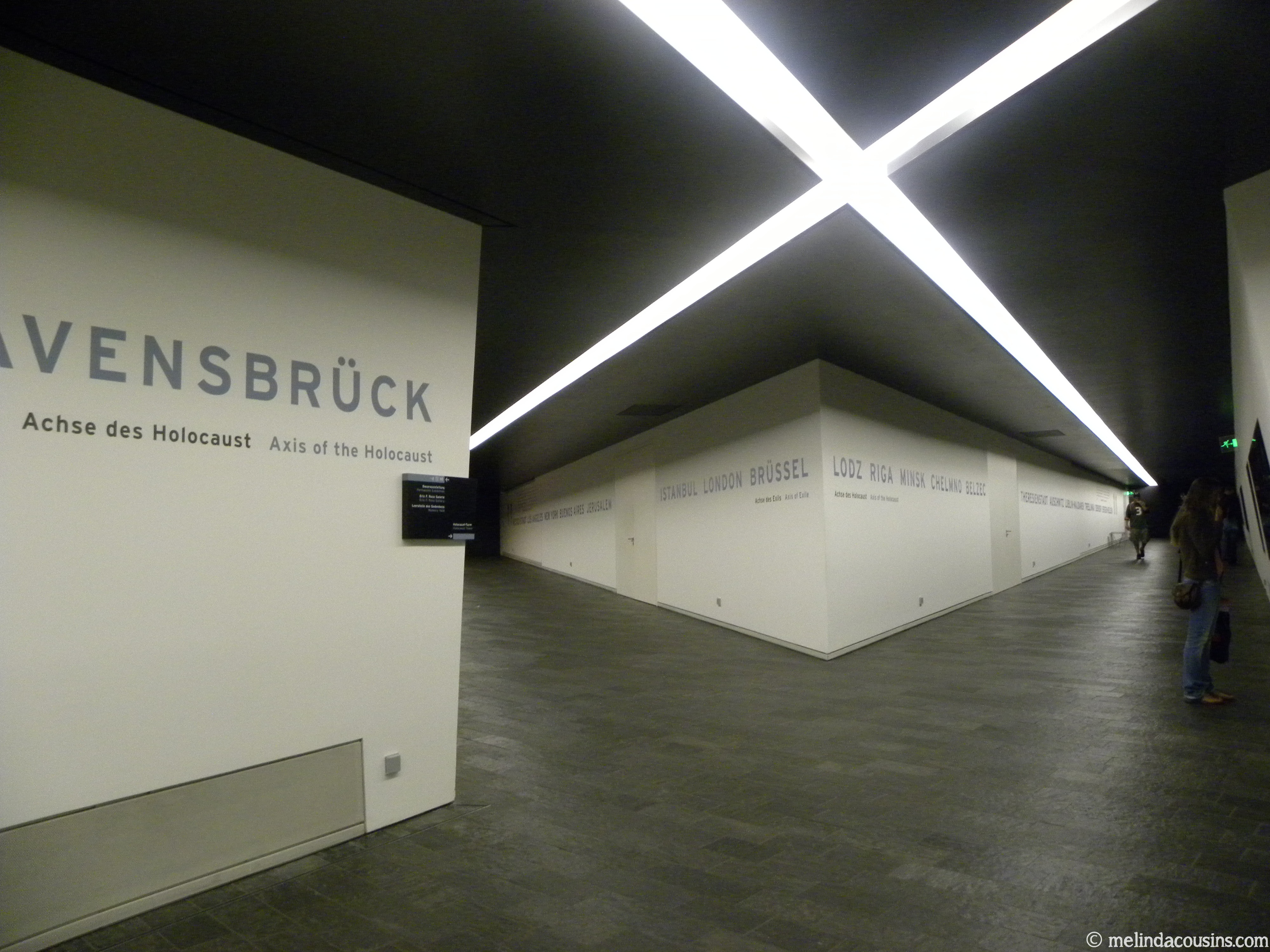
The intersection of the underground tunnels in the Jewish Museum

Topography of Terror. Built on the site of the former SS headquarters, this place is brutal in its frankness and brave in its honesty.

Some of the outdoor Topography of Terror's exhibits in front of a section of the Berlin Wall
Some of the Topography of Terror’s outdoor exhibits in front of a section of the Berlin Wall

DDR Museum. This fascinating museum in the former East provides a glimpse of what life was like in the GDR. From state arranged holidays to collective potty training, these were the realities for people my age who grew up here in the 1980s.
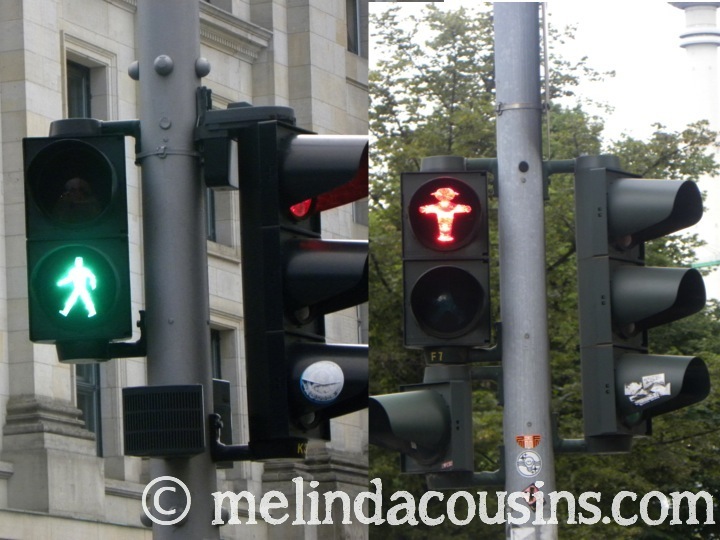
One way to tell if you are in former East or West Berlin ...
One way to tell if you are in former East or West Berlin …

Berlin Wall Memorial and Documentation Centre. On Bernauer Straße is a preserved section of the Berlin wall including the border strip and watchtower. The Documentation Centre’s tower provides a good view of this, as well as exhibits about the wall’s history including those who died trying to cross it.
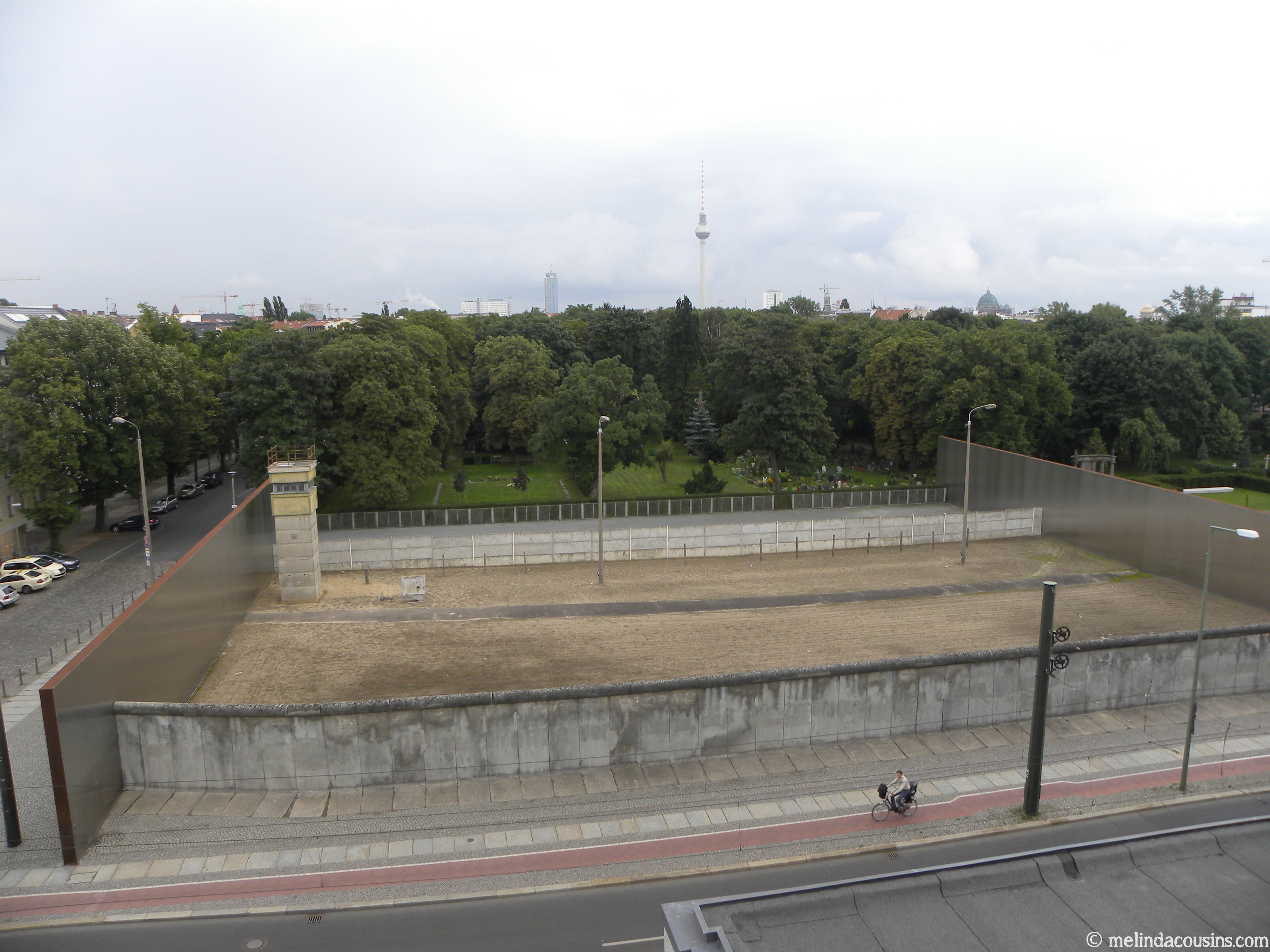
The Border Strip as it was from 1961-1989

I also loved the many moving Memorials. Again, these are just a few that particularly struck me.

The Window of Remembrance, honouring 136 known victims of the Wall Regime

Memorial to the Murdered Jews. Opened in 2005, this has been somewhat controversial. There are exhibits underground, but above ground it consists of thousands of concrete slabs of varying sizes and heights, through which people wander and remember. I’m not sure any memorial could adequately convey what needs to be conveyed here, and so in some ways I like that it is minimalist and unconventional. But I didn’t find it as poignant as many of the other memorials.
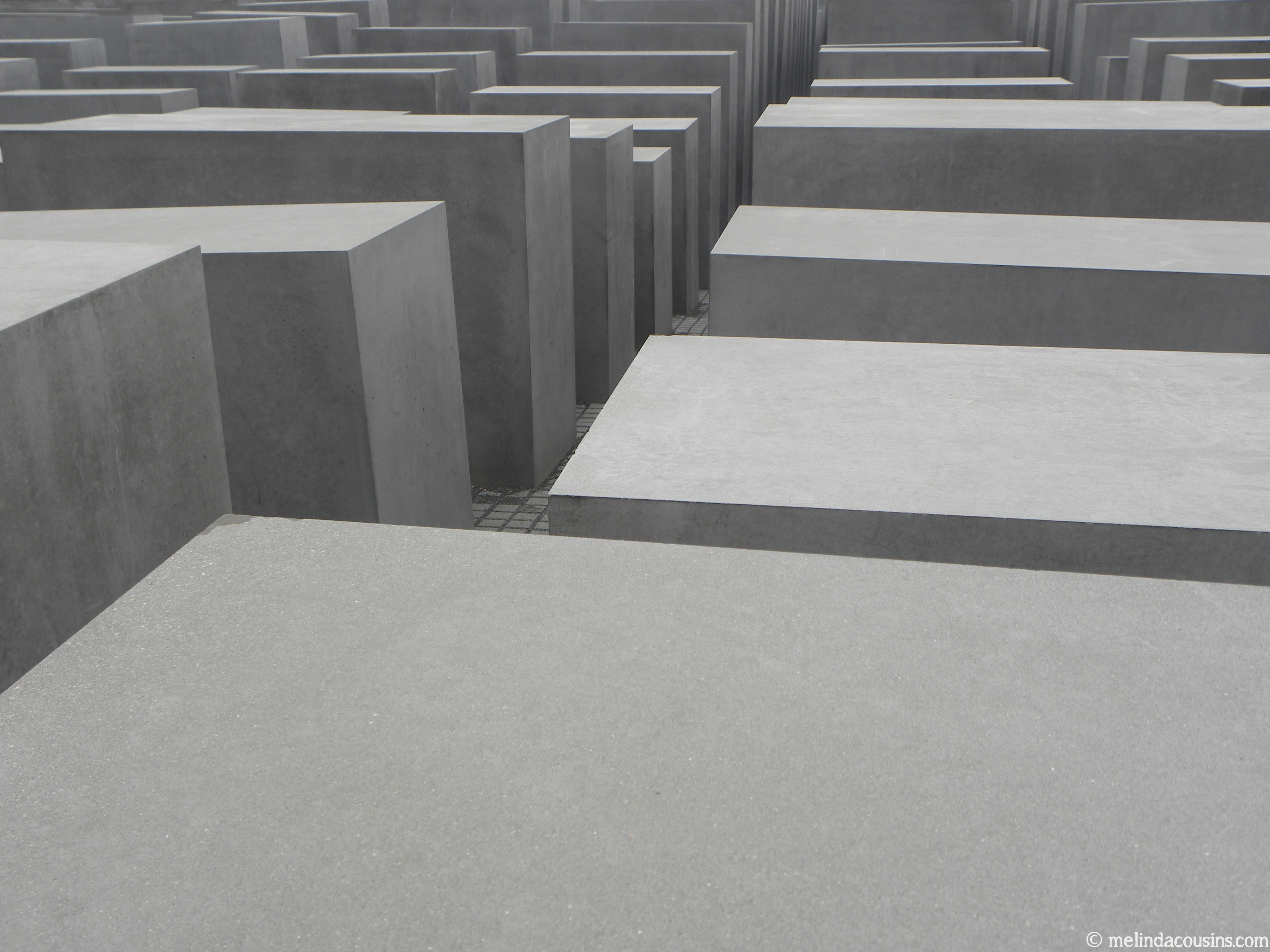
Some of the 2,711 stelae
Some of the 2,711 stelae at the memorial

Book Burning Memorial. Set into the ground of the public square, Bebelplatz, this appears at first glance to be a simple glass window. Looking down into it, however, you see rows and rows of empty bookshelves – enough to hold the 20,000 books that were burned here in 1933.

"Where they burn books, they will also in the end burn people." Heinrich Heine
“Where they burn books, they will also in the end burn people.” Heinrich Heine

Neue Wache Memorial to the victims of tyranny. The sculpture “Mother with her dead son,” in a shaft of light from the circular opening in the dome above, stands inside a former guardhouse that now serves as a war memorial. The contrast between walking down the busy main street with the usual noise of life and crowds, to stepping inside here where you could here a pin drop, was very affecting.

Käthe Kollwitz's heart-rending sculpture
Käthe Kollwitz’s heart-rending sculpture

Gleis 17. Berlin-Grunewald station today is a normal, everyday, suburban train station. But from 1941 to 1945, train after train left here packed full with people bound for concentration camps from which they would never return. Platform 17, no longer used, is a memorial to those who left from here, with dates, numbers of people, and destinations engraved along the length of the track. It is profoundly moving.

The hauntingly beautiful Platform 17
Just one date and one group of the 50,000 people deported from here
2/3/43 – 1758 Jews to Auschwitz – just one group on one date, out of so many
What did I learn from Berlin?
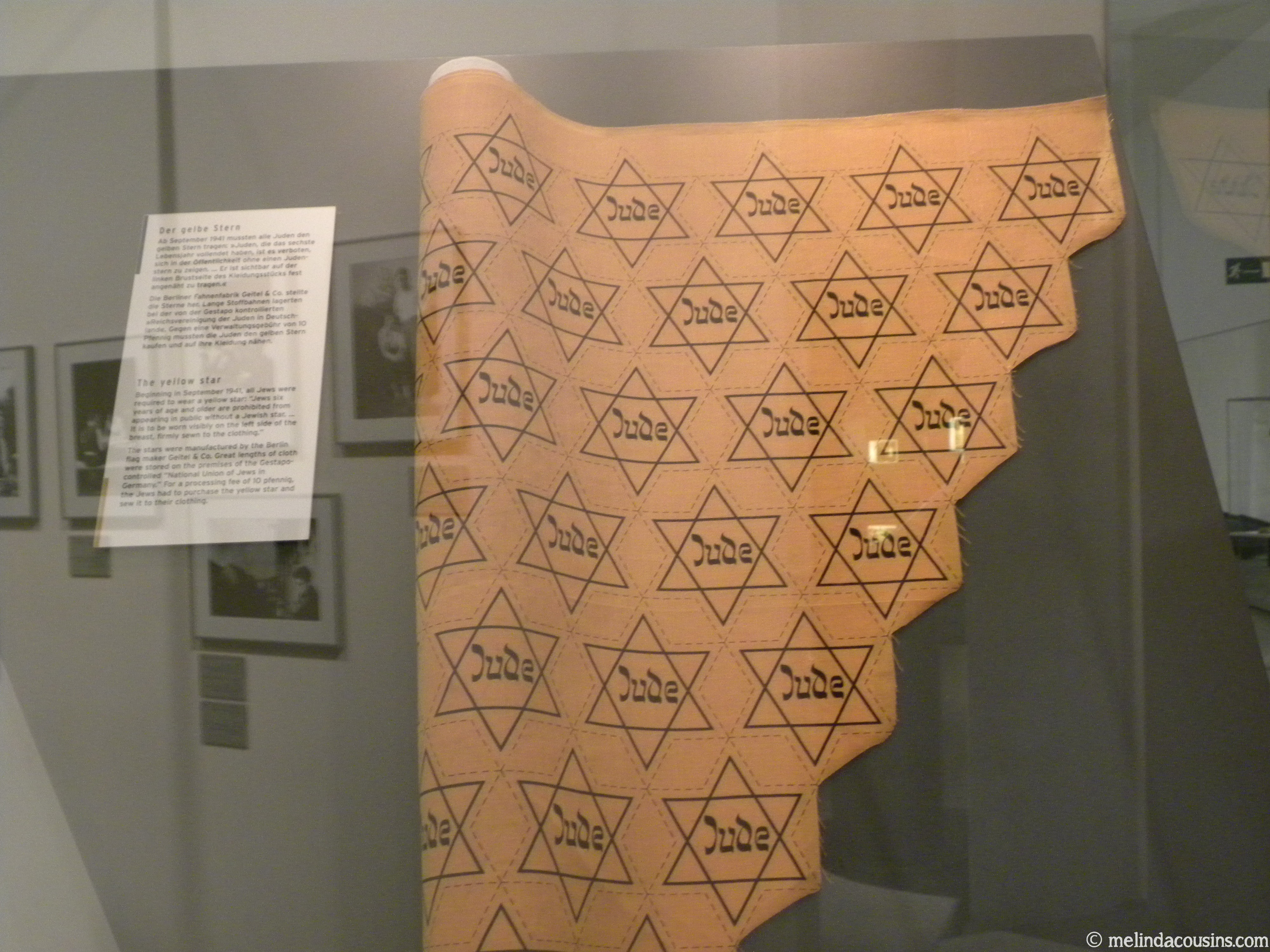
Leftover fabric stars in the Jewish museum

I think it is easy to grow up in a country that was on the “winning” side of the World Wars and simplistically imagine that we are so very different from “them,” or that it couldn’t happen here. Berlin reminded me of our common humanity, and particularly the challenges the church faces to respond to our all too common inhumanity.

The Berlin Cathedral

Berliners have done a remarkable job of acknowledging their past history, including its mistakes and trials. I think we can all, whether as individuals or as nations, learn from that. It is a powerful thing to simply say sorry. No excuses, no justifications, no mitigations. Moving forward and embracing forgiveness are predicated on this. I love that the rebuilt dome of the Reichstag is made of glass, to symbolise openness and transparency.
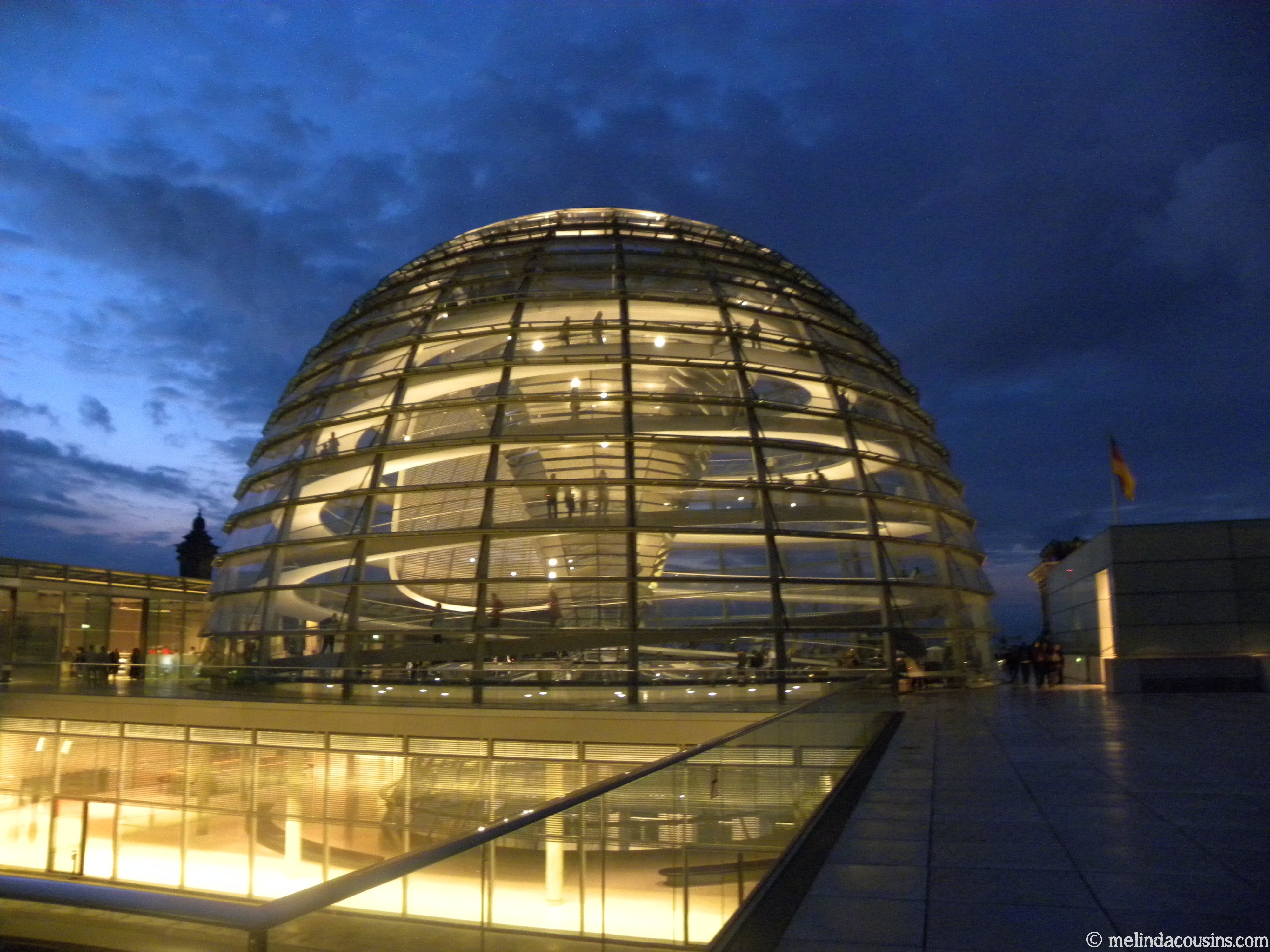
The Reichstag
The Reichstag

I also appreciated the acknowledgement that some things don’t deserve remembrance. The site of Hitler’s bunker is an unadorned patch of car park and grass. Nothing to see there, and I think that too is a powerful message to send.

The former site of Hitler's Bunker
The former site of Hitler’s Bunker

At the Holocaust Memorial I was struck by children playing, and even a couple kissing, in the shadows between the blocks. A great reminder that life goes on, that “joy comes in the morning,” and that acknowledging the past doesn’t mean self-flagellation for the future, but living to the full today.
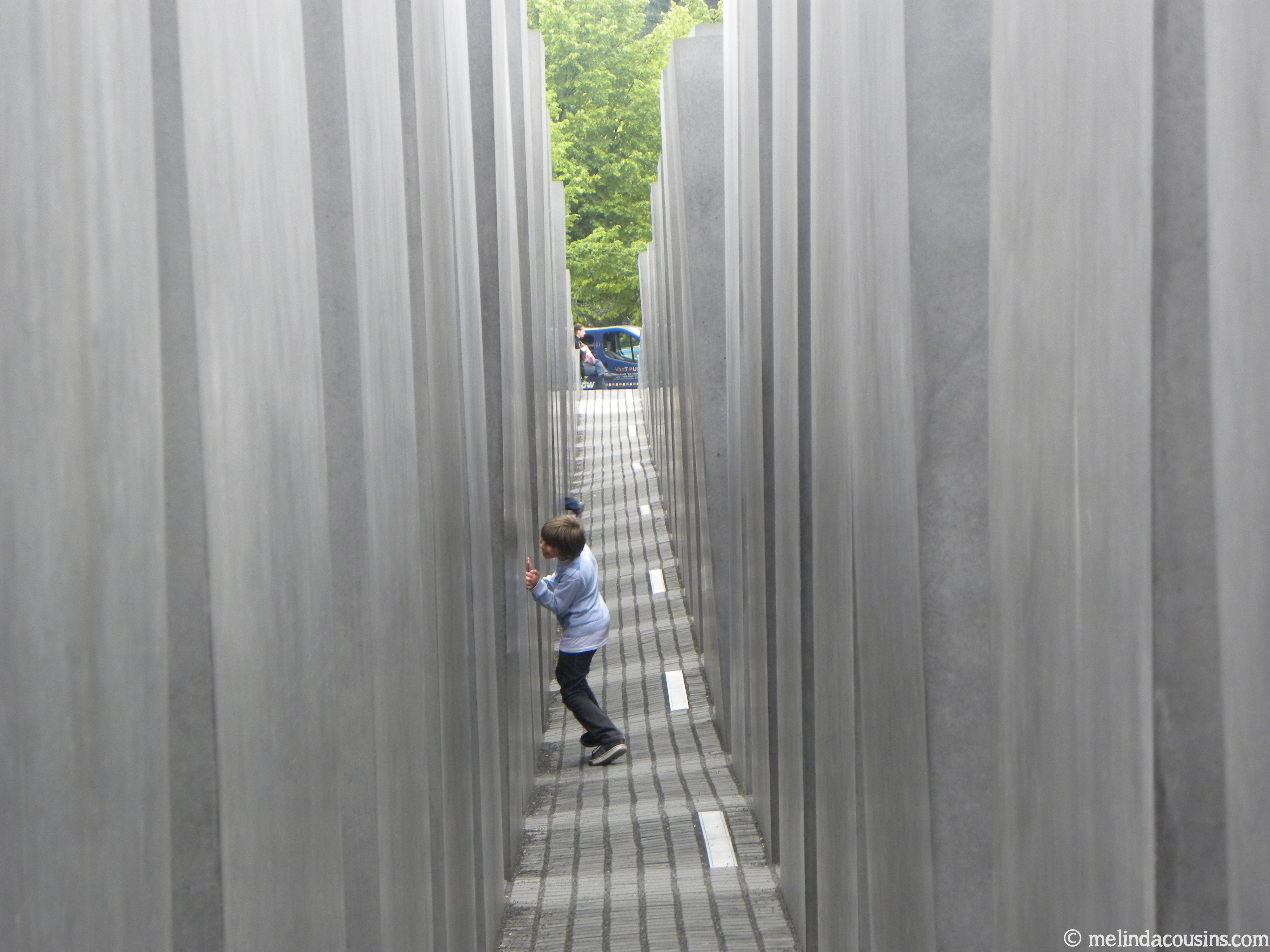
A young boy playing at the holocaust Memorial

And finally, in Berlin I saw and experienced hope. On Bernauer Straße since the 1890s stood a church building, ironically called the Church of Reconciliation. When the Berlin Wall was constructed in 1961, the church found its building stranded in the no-man’s land between the two parts of the city, inaccessible to everyone but the border guards, and it was eventually destroyed. After the Wall fell, the church wanted to find a way to both commemorate its past and look to its future. In 2000, the Chapel of Reconciliation was completed, just across the road from the Berlin Wall Memorial. It stands there today as an amazing symbol of perseverance and faithfulness. As the parish said in a 1985 speech when the old building was destroyed, “We can do something … we know that symbols have a silent power which can make the ‘impossible’ possible.”
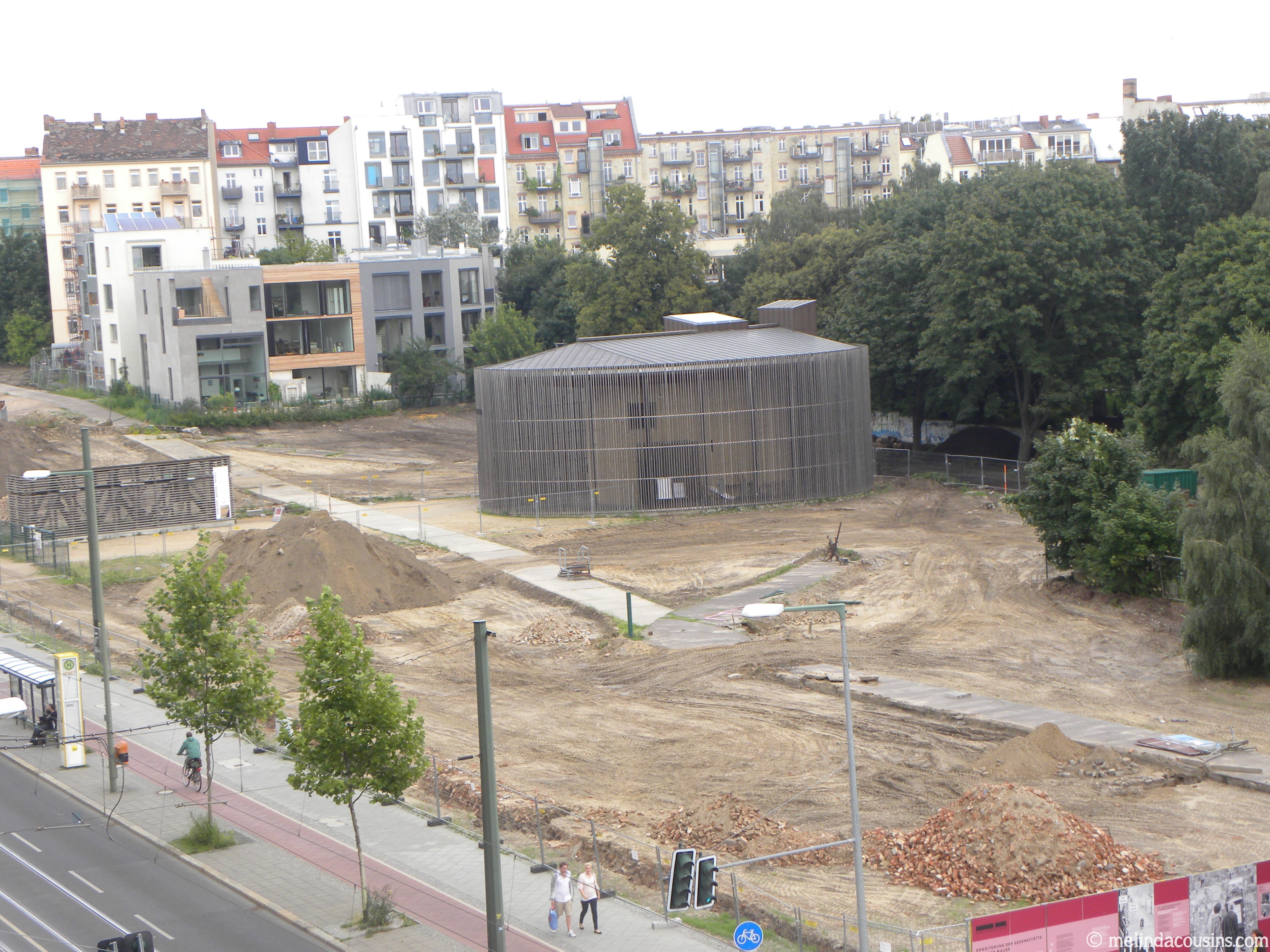
The Reconciliation Chapel

Today would be a good day to be in Canberra

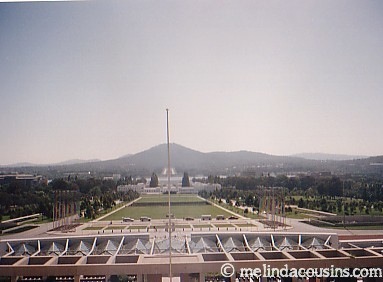
Parliament House
Parliament House

It’s the Australia Day long weekend, and while there are some challenges celebrating all of our history and all of what is happening here at the moment, it’s still a good opportunity to appreciate this wonderful country. And so if I could spend today anywhere, I’m thinking our nation’s capital would be a good choice.

View of Canberra from Mt Ainslie

I think sometimes Canberra gets a bad rap … or it just gets forgotten. Perhaps it suffers the most from Australia’s cultural cringe. While most people wouldn’t dream of visiting England without London, or France without Paris, even many Australians don’t have much time for Canberra. Perhaps it is because our media insists on using the name of the city as a synonym for our federal government … and not usually in a positive light. Or because we think it’s not quite as ______ (insert adjective here) as Sydney or Melbourne or London or New York. But I’m a fan of Canberra and I think it is well worth a visit.

Heading out onto the Hume Hwy

I’ve been to Canberra many, many times, including as a young child on holidays with the family and on a school trip in Grade 6. The year I was 18 I lived about an hour away and it was the nearest city and since moving to Adelaide it’s become a good stopover when driving to Sydney. Some good friends have lived there for the last few years so a longer visit is always nice too.

The view from Parliament House

But preparing this blog made me realise that I don’t really have many good photos of Canberra! That’s partly because the first few times I visited I had a film camera! 🙂 But could it also be due to that old saying, “familiarity breeds contempt?” Have I not thought it important to take photos, or have I just always assumed I would be back so there is no urgency?

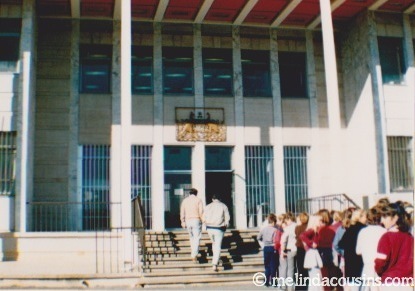
This is the kind of photo I used my film on when I was in Grade 6 - lining up to enter the Mint
This is the kind of photo I used my film on when I was in Grade 6 – our class lining up to enter the Royal Australian Mint
What do I love about Canberra?
Black Mountain Tower

I actually quite like its location – chosen as a compromise city, neither Sydney nor Melbourne, it’s in some ways in the middle of nowhere, but I’ve had some good times driving the Hume and Federal Highways. If you take the time to stop and look it can be quite pretty and peaceful.

Somewhere on the road to Gundagai
Somewhere on the road to Gundagai 

It’s also one of the few areas of Australia where you might see snow in the winter.

Snow between Canberra and Goulburn

I love visiting Parliament House and seeing what our politicians are up to. There’s usually something interesting going on somewhere if you look.

The Australian Girls Choir performing in the Great Hall

Old Parliament House has a great exhibit on our political history and also a nice café for lunch. I’m a bit of a legal geek, so a visit to the High Court is always on my list, to see our nation’s top judges in action.

Old Parliament House

Lake Burley Griffin is pretty and the Carillon on Aspen Island is a great spot. One of my Canberran friends planned her wedding there, although the afore-mentioned snow made for a last minute change of plans.

The 55 bell-Carillon on Aspen Island

As a kid, Questacon was always a favourite stop with plenty of hands on science exhibits. We also loved just driving around the various embassies, trying to guess which was which.

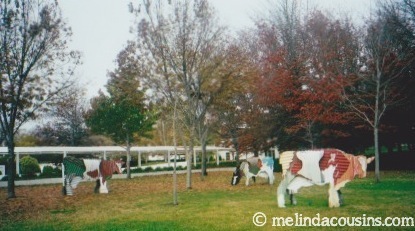
Corrugated iron cows on the NZ embassy lawn

As an adult, my favourite places include the War Memorial, National Gallery, National Library, Portrait Gallery and the new Museum – these all really are world-class treasures.

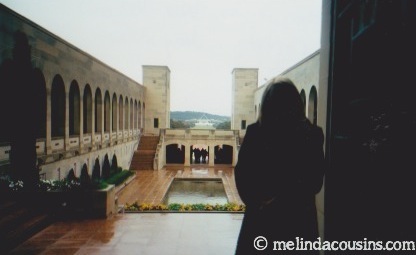
Looking out from the tomb of the unknown soldier, Australian War Memorial
What have I learned from Canberra?

As I child I think Canberra was probably the place that started my interest in law and politics.

The Prime Minister is currently being updated … (Taken the day after Julia Gillard's ascent to the office)
The Prime Minister is currently being updated … (Taken the day after Julia Gillard’s ascent to the office)

As an adult, particularly after visiting many other national capitals around the world, I think Canberra holds its own and Australians should be proud of our democracy. There is much about my country that I take for granted, including the opportunity I have to freely critique it (which I’m sure I will continue to do). And if I’m honest, Canberra is probably a place I have taken for granted too. Next time I visit I will make sure to take some better photos! There is plenty there to enjoy and also much to reflect on as we continue our national journey.

Today would be a interesting day to be in Almaty

I would have to say Almaty, Kazakhstan felt like one of the most incongruous or diverse places I have visited. So many aspects of the place felt familiar, but from other places all over the world … and yet when you put it all together, it is an incredibly unique place.

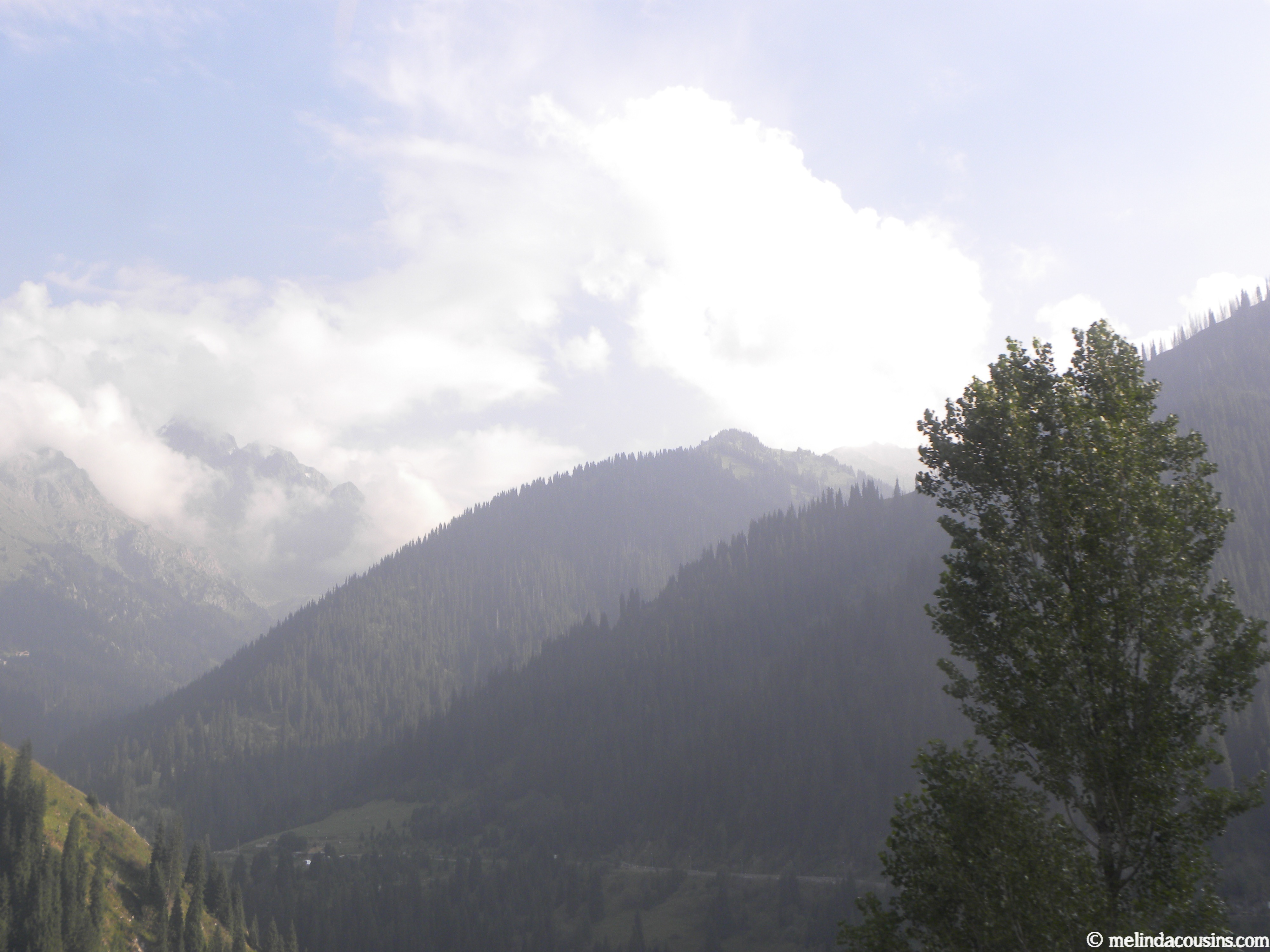
Mountains

The red-dust-edged roads between the city and the villages reminded me of driving through country Australia … although the transport looked more like rural China.

Cart

The apartment blocks in the city reminded me of former communist East Berlin (and the bureaucracy certainly had that Iron Curtain feel!)

Apartments

The snow-capped mountains covered in fir trees could have been in Canada or Switzerland.

Mountain chalets

The crazy traffic reminded me of both Cairo and Bangkok.

Street

The glitzy new shopping mall would have been at home in Paris …

Mega Mall

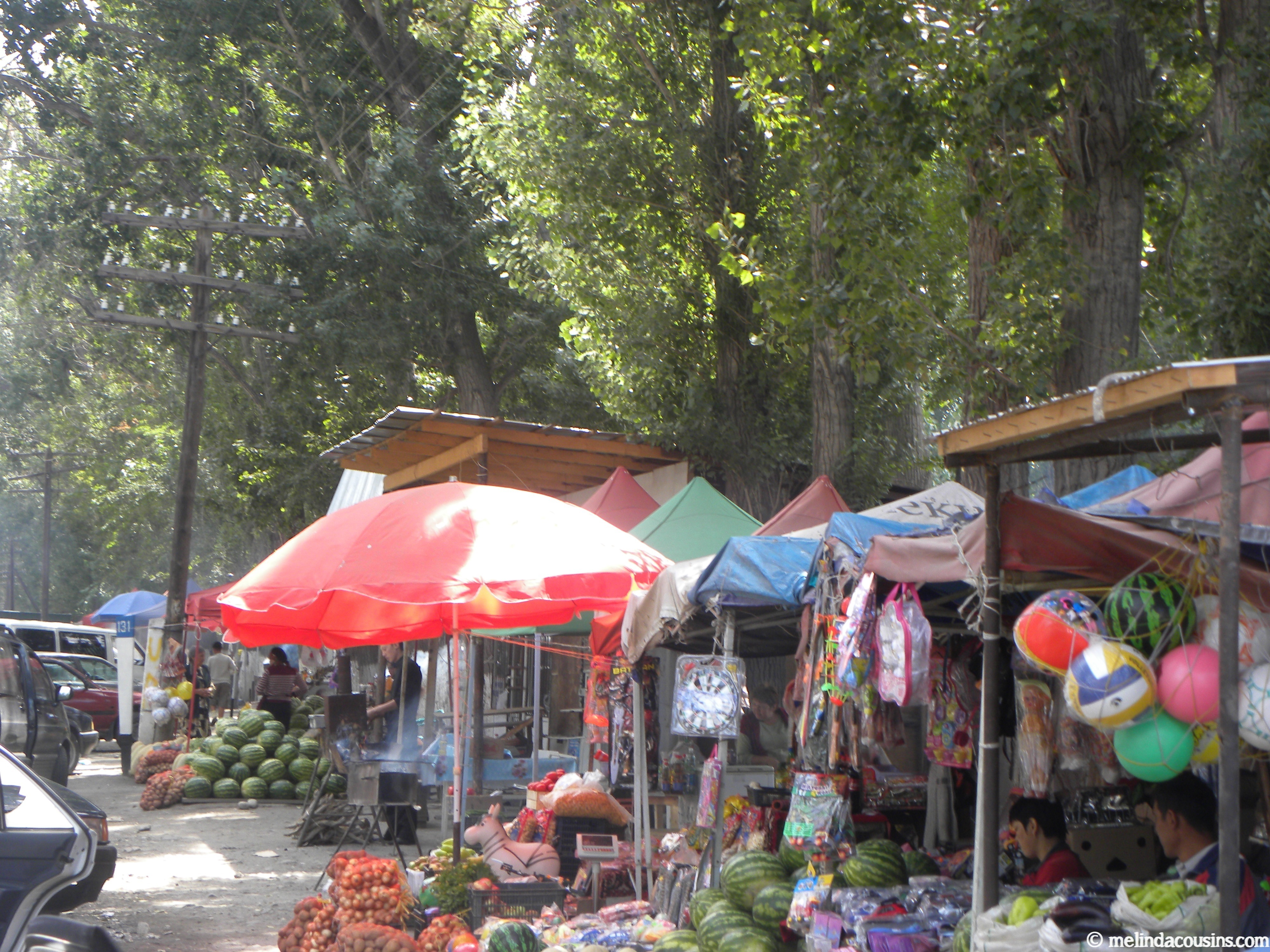
 while the village food markets were more reminiscent of Africa.

village Street market

The light displays and fountains in President’s Park could have been in many US cities.

Presidents Park fountain

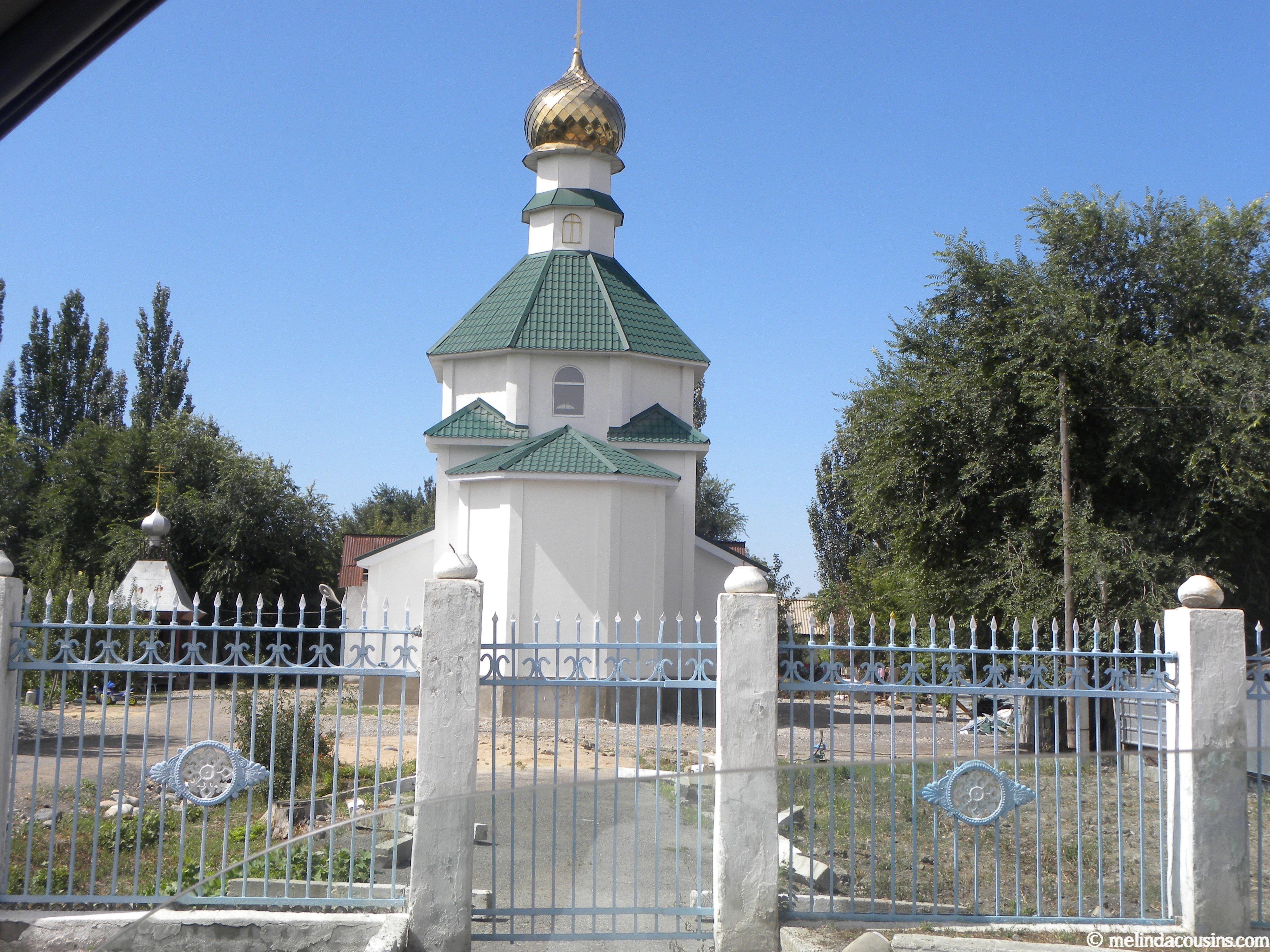
The Russian Orthodox Cathedral is, obviously, very Eastern European …

Russian Church

… while the village mosques were similar to those I saw in Indonesia.

Village mosque

It can be difficult to know whether you are in Asia, Eastern Europe, the West, or the Middle East!

All this is not to criticise! I loved my time in Almaty and think it is a fascinating place, with some amazingly friendly and hospitable people. I particularly loved looking down on the city at night from the mountains above.

Night view

I also loved that pretty much any car is a “taxi”, and I really enjoyed the local shasliks, where there was certainly no skimping on the meat!

Shaslik

So, what did I learn from Almaty?

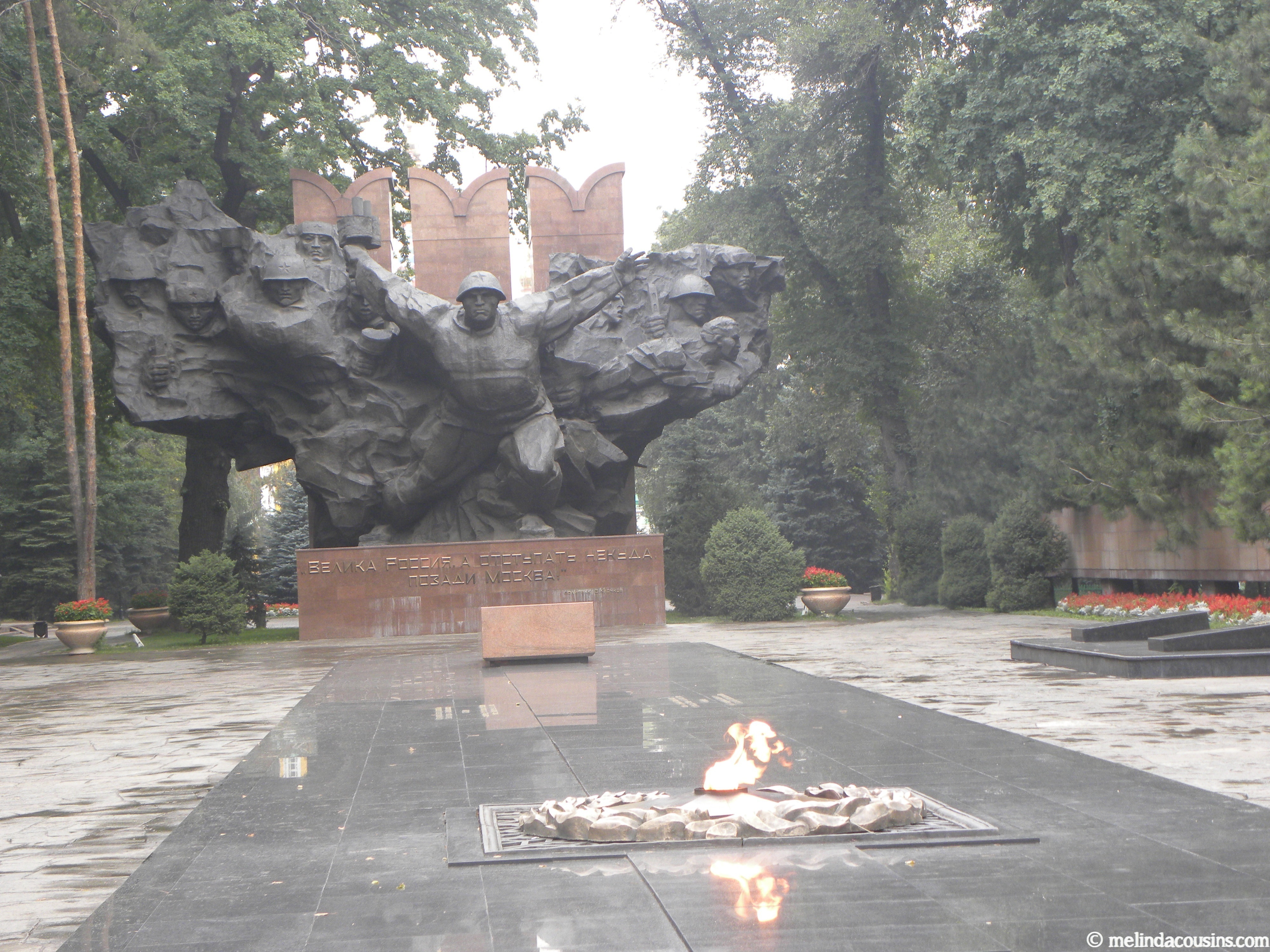
Formerly part of the USSR, the Kazakh people are reclaiming their identity along with their independence, but this makes for lots of challenges in a population made up of two different ethnicities with different languages, cultures, religions, values and dreams. It’s not always easy negotiating the history of past hurt and the competing current agendas.

The Panfilov War Memorial

But they are giving it a go and learning along the way, and while it can be easy for outsiders to criticize, I actually think we have much to learn. I live in a country that claims to be “multicultural” but has not really come to terms with many of these issues and challenges. The diversity I saw in Almaty certainly challenged my thinking about what it might look like to embrace and accept differences. And the hopes of people for justice and peace and significance are the same hopes of people the world over. We are all so very different … and yet so much the same.

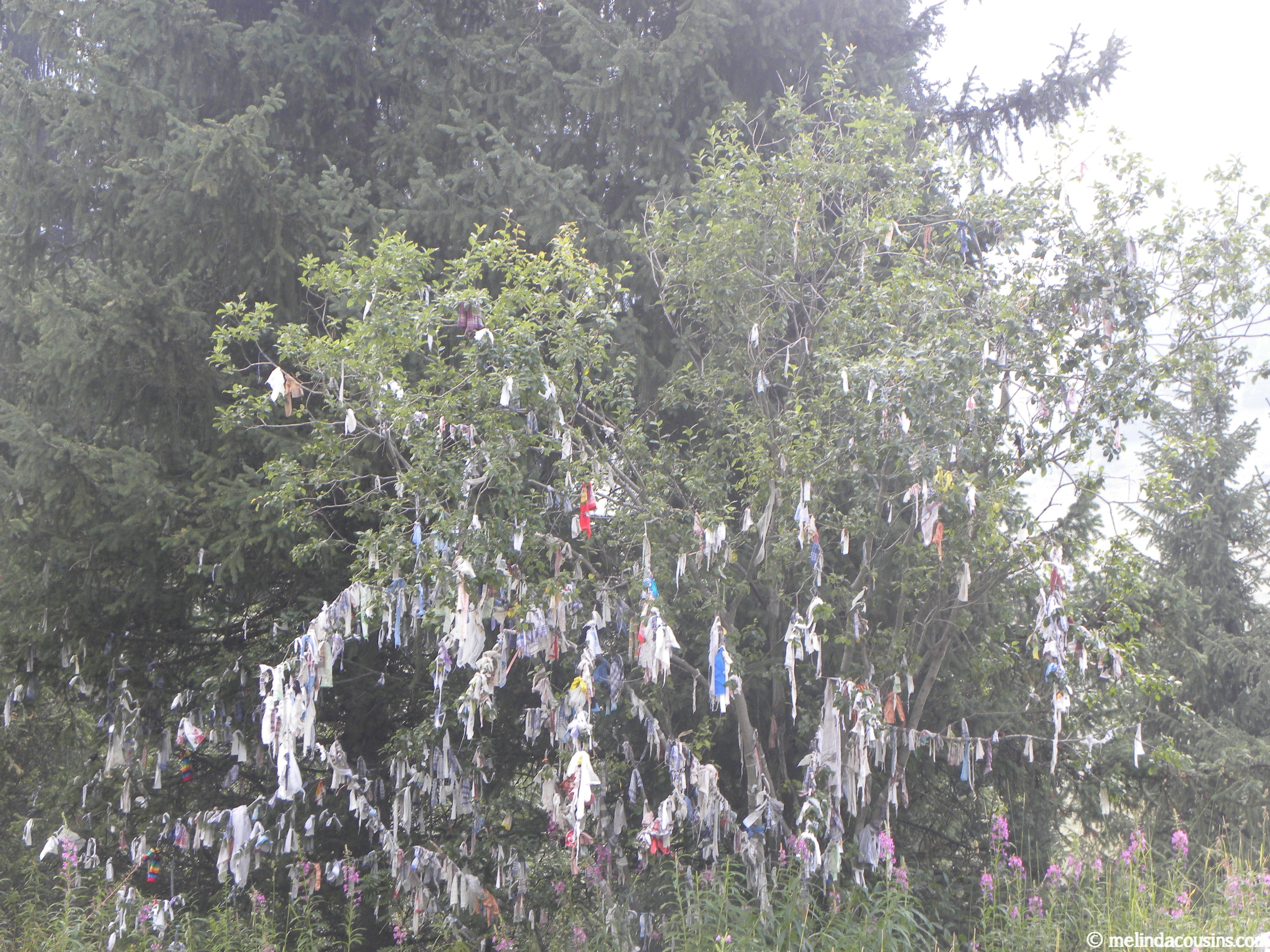
A tree tied with ribbons to represent prayers, luck, hopes (depending who you ask)