Category Archives: Monday Travel Posts

There’s no such thing as history (or Today would be a good day to be in Hanoi)

It’s time for a Monday morning travel post … where would I like to be spending the day today? One of the most recent places I have visited was Vietnam. The friendly people, delicious food, warm weather, and stunning scenery made this a great tourist destination. But the complicated history, ongoing after effects of war, and the challenges of relationship given the baggage of the past raised lots of questions for me as well. Reflecting on visiting the capital city today gives me the chance to ponder a thought I had often while there, something I have been known to say to my Old Testament students: “There’s no such thing as history.” I mean that in two different ways, but you’ll have to read on to find out which.

Masouleum back

What did I love about Hanoi?

I had a wonderful few days in Hanoi. Day or night, there were always people around, smiling, laughing, enjoying life.
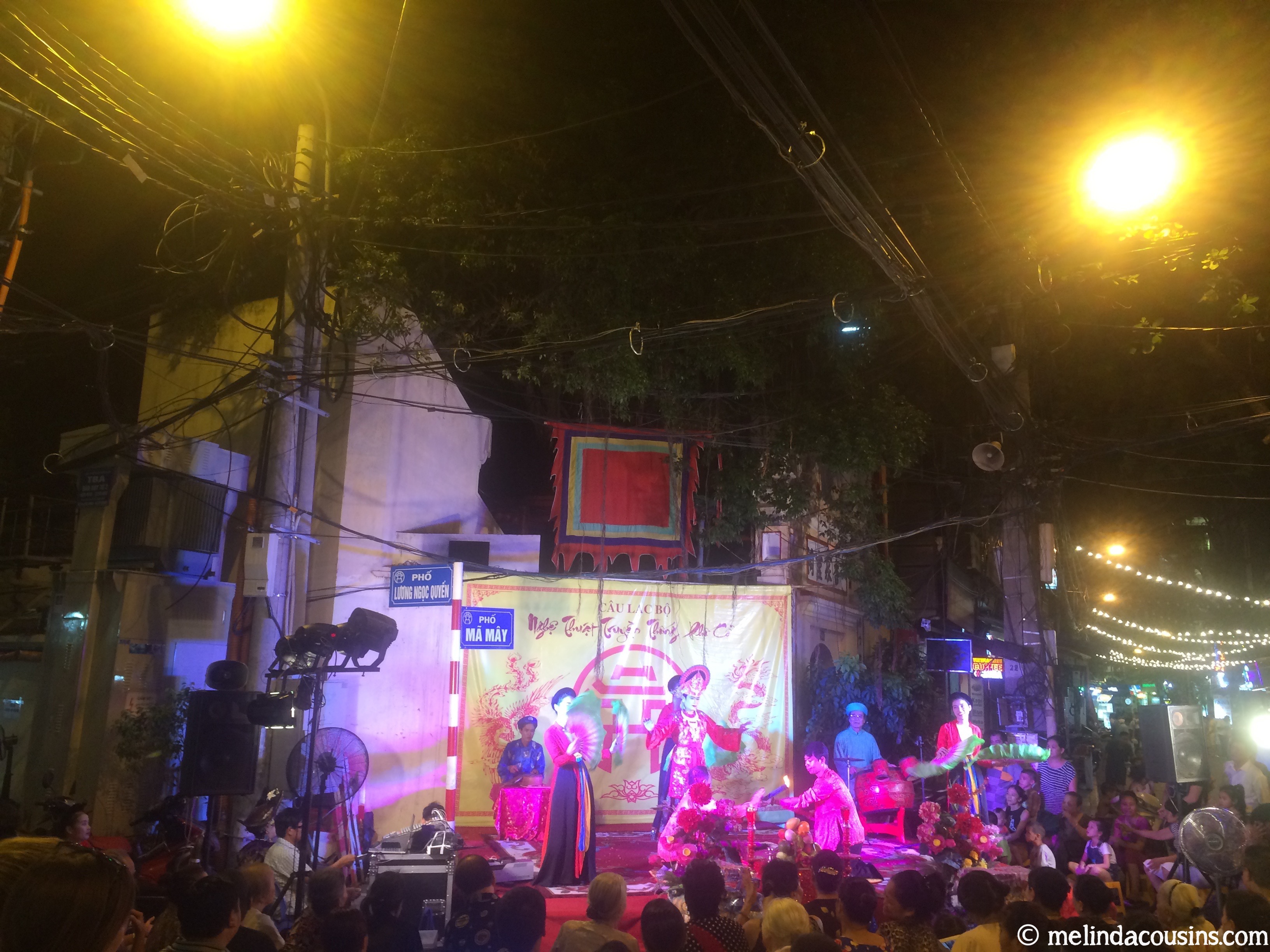
Street market

And the food … I’m not sure there is such a thing as bad Vietnamese food.

Lunch

What I did learn was that it’s all about the sauces – something that looks simple is taken to a whole other level by an amazing complex Vietnamese sauce!

Dinner

And I do love history, so I loved seeing glimpses of the past and the present side by side in the centre of the city …
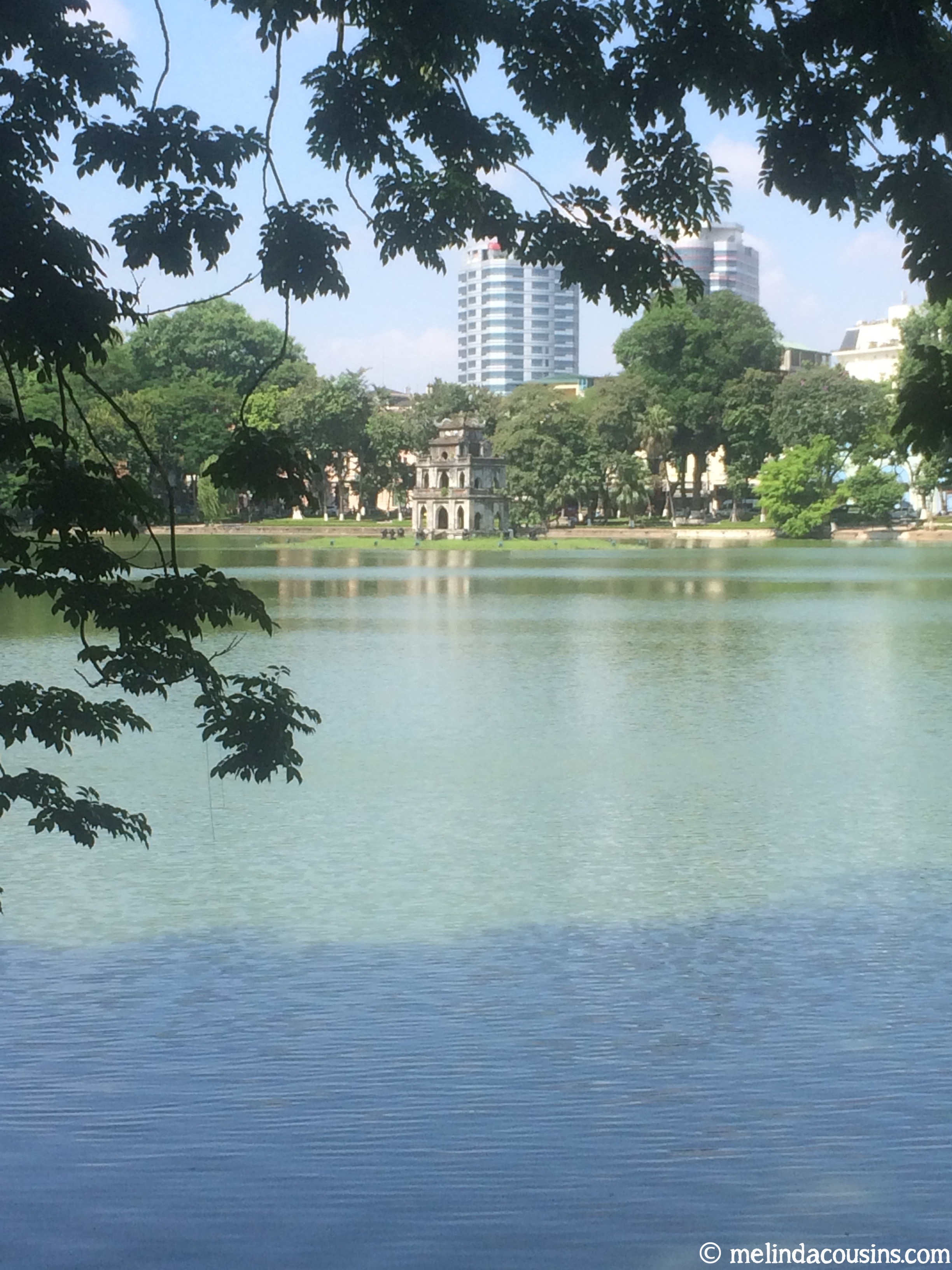
Lake with new and old buildings

.. in a modern performance of the centuries old art of Water Puppetry …
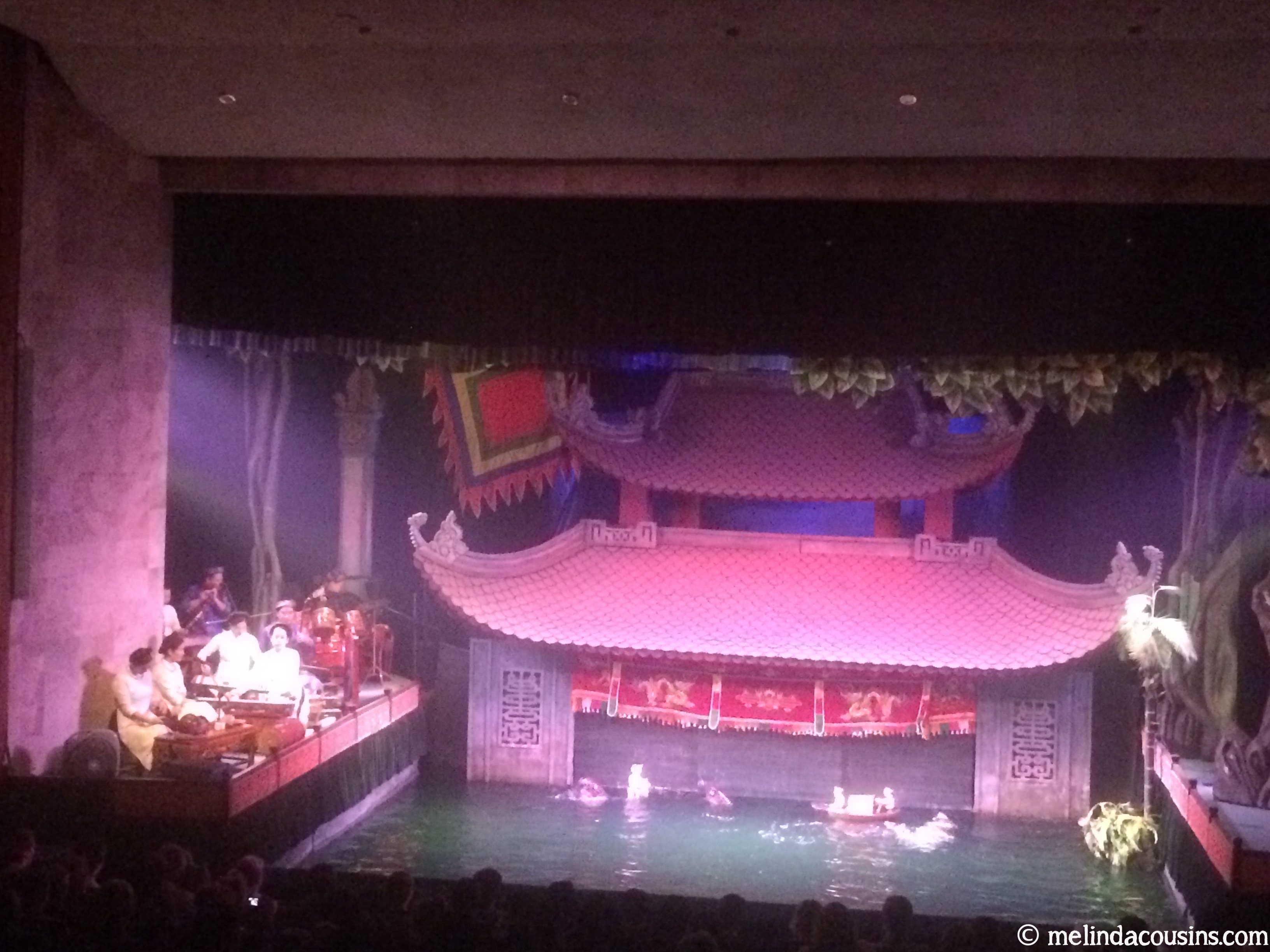
Water puppets

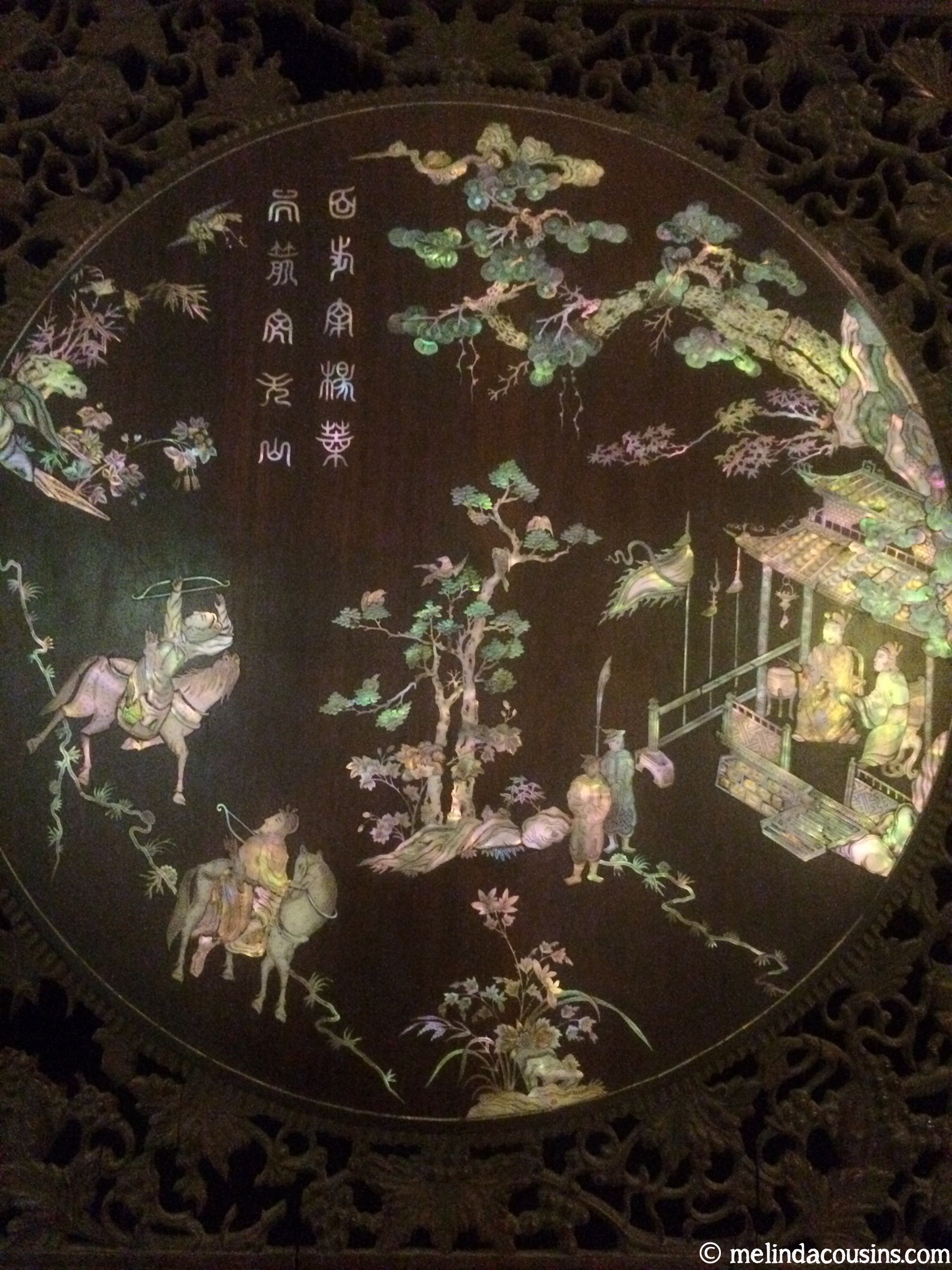
.. and in the beautiful artefacts in the history museum.
Wardrobe detail

What did I learn from Hanoi?

As well as loving the history,  the thought I kept coming back to was “there’s no such thing as history.” First, in the sense that there is really only historiography (written history) or people’s perspectives on history, rather than any objective reality of the past that we can access. And secondly, in the sense that the past is never just the past; its effects echo and resound in the present and will continue to do so no doubt long into the future.

Outside history museum

One of the great things about travel is the opportunity to see another perspective on the history of the world, to put yourself in someone else’s shoes. Certainly that is the case with Vietnam, particularly when it comes to the War. Even what the War of the 1960s-70s is called is a complicated question, and really depends on whose perspective you are looking at it from. I grew up calling it “The Vietnam War” but it’s kind of obvious to realise that a person from Vietnam would not use that term.

Sign

Seeing artefacts, photos, and in particular the written commentary on them in the history museums was a key reminder to me that ‘history’ is always written from a particular perspective. I saw some tourists who seemed frustrated, even angry, because it felt to them that history was being told ‘wrongly’. But who is to say that we haven’t also learned it wrongly? Of course we are all going to see it from the perspective of the country in which we grew up. Of course there are multiple sides to such complex stories.

Prison entrance

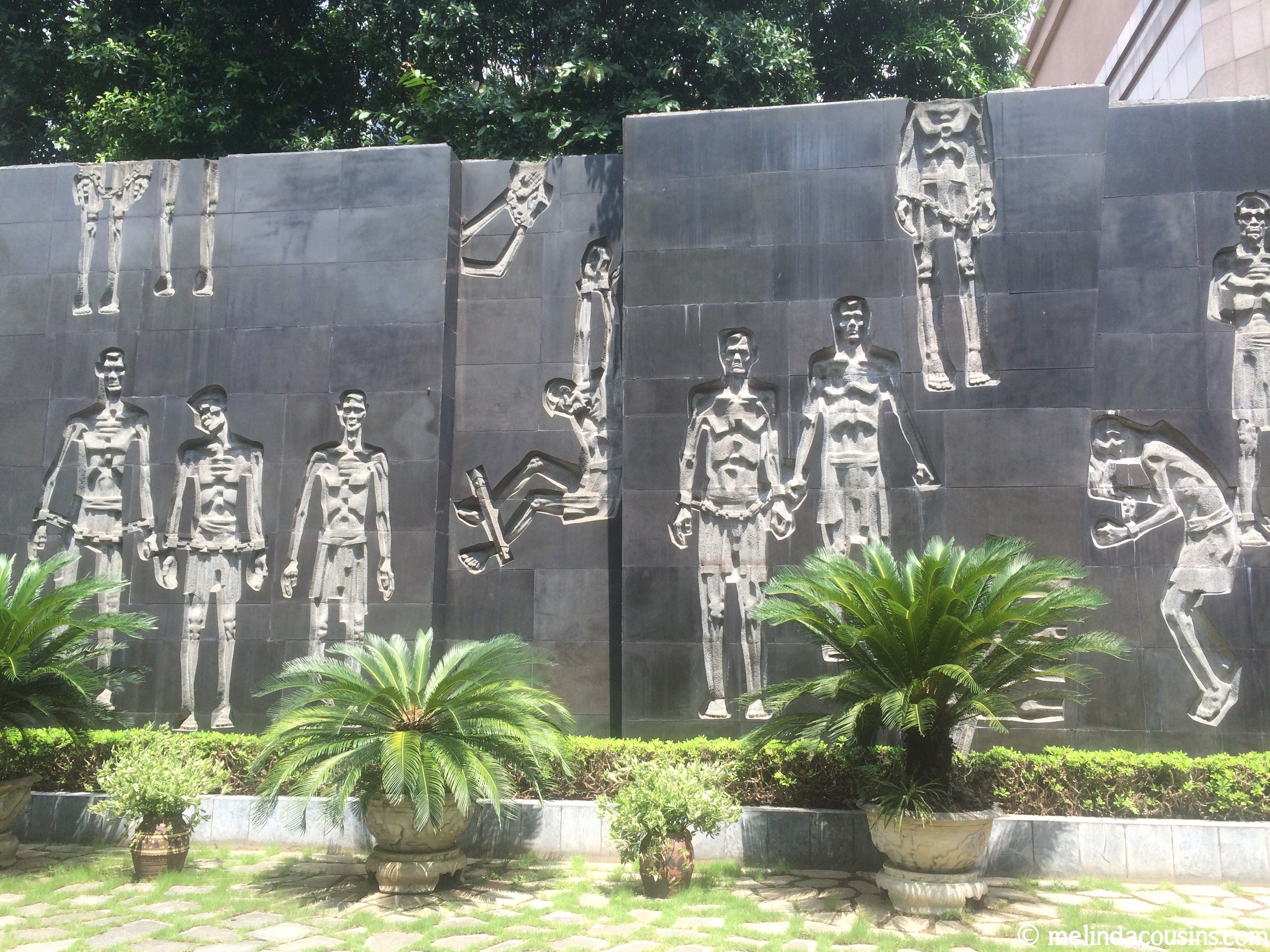
Visiting Hỏa Lò Prison (sometimes called the Hanoi Hilton) brought this to the fore. Half of the prison remembers the Vietnamese revolutionaries who were kept here as prisoners of the French and so, of course, tells the story from the perspective of being the oppressed.
Prison memorial

The other half of the prison remembers the American pilots who were kept here as prisoners of the Vietnam and so, it could be argued, tells the story of the perspective of being the oppressors, or at least those in power rather than those without power. I found it a fascinating place, because in the very same place, history is being told from these two very different perspectives. It’s a stark illustration of the fact that we all tell our stories from the perspective we find ourselves in, that history is not objective fact but interpreted experience.

Prison explanation 2

I hope I’m not sounding judgmental of the Vietnamese – that is not at all my point. I think we all do the same thing. That’s why it is so valuable to try to stand in another person’s shoes and think of how history looks from their perspective. Hopefully it gives all of us more compassion, more understanding, more forgiveness, and more humility, to do so.

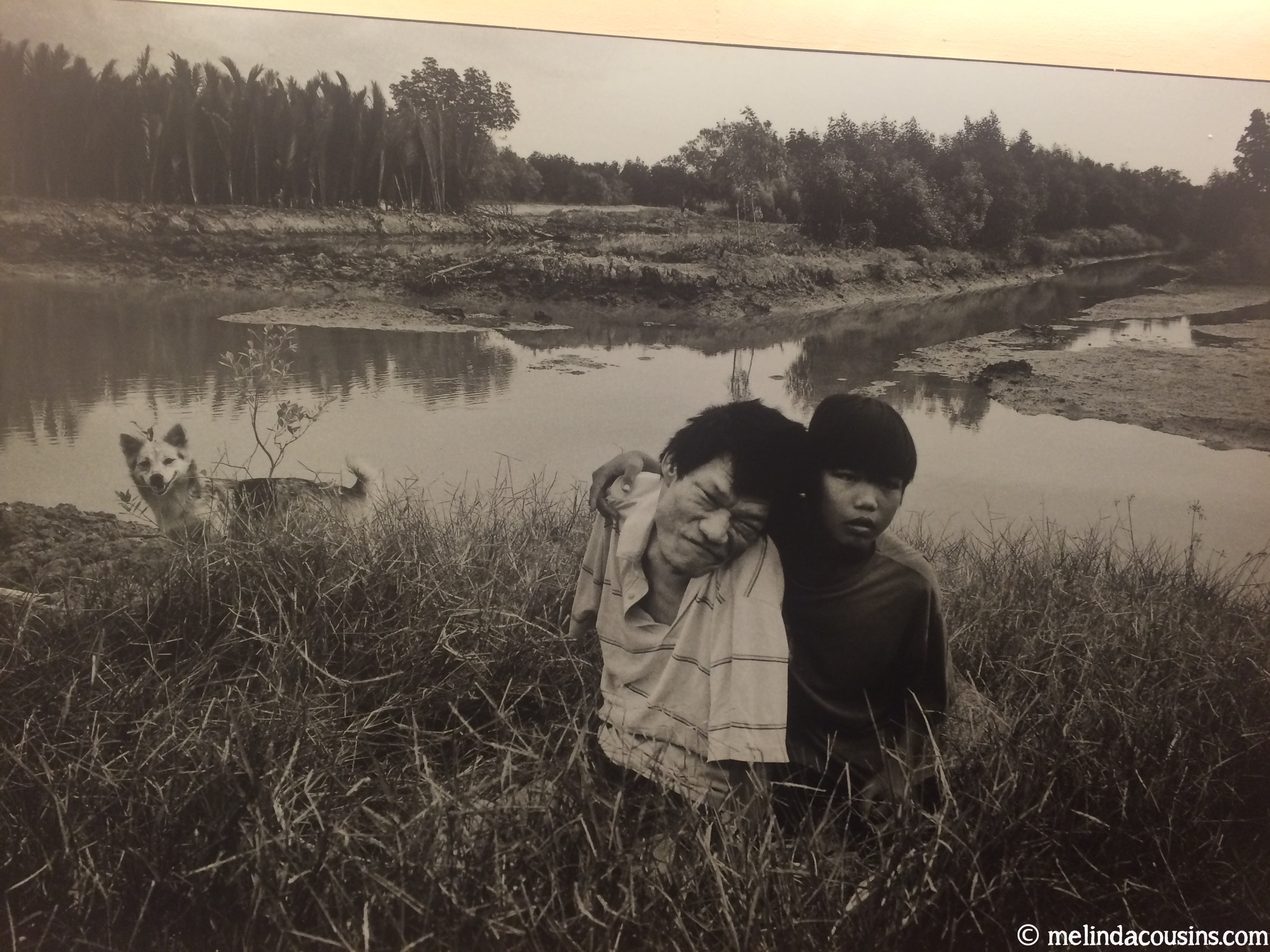
The second sense of the phrase “There’s no such thing as history” is the idea that the past isn’t gone and forgotten – its after effects linger on. Seeing the ongoing issues of disability and disease in people suffering the effects of Agent Orange some forty years on is both sobering and heartbreaking.
IMG_4203

And finally, due to my history, what you could call the accident of birth, I come to visit a place like Vietnam as a rich, white, Westerner. This shapes and colours how I am perceived and responded to, and is something that I cannot really escape, no matter how much I might like to.

Difficult as I might find it, it is good for me to see myself from someone else’s perspective. It challenges me as I consider how much of who I am is shaped by the perspective on the world I have inherited, and how I can continue to allow the culture, experiences, and perspectives of others to be used to transform me and open me up to others.

Today is a good day to be in Atlanta

I’m in Atlanta this week for the Annual Meeting of the Society of Biblical Literature. It’s an amazing opportunity to meet and hear from thousands of scholars who share similar passions and interests. I previously blogged about how inspiring it is to participate in a gathering of people who love what you love.

IMG_2329

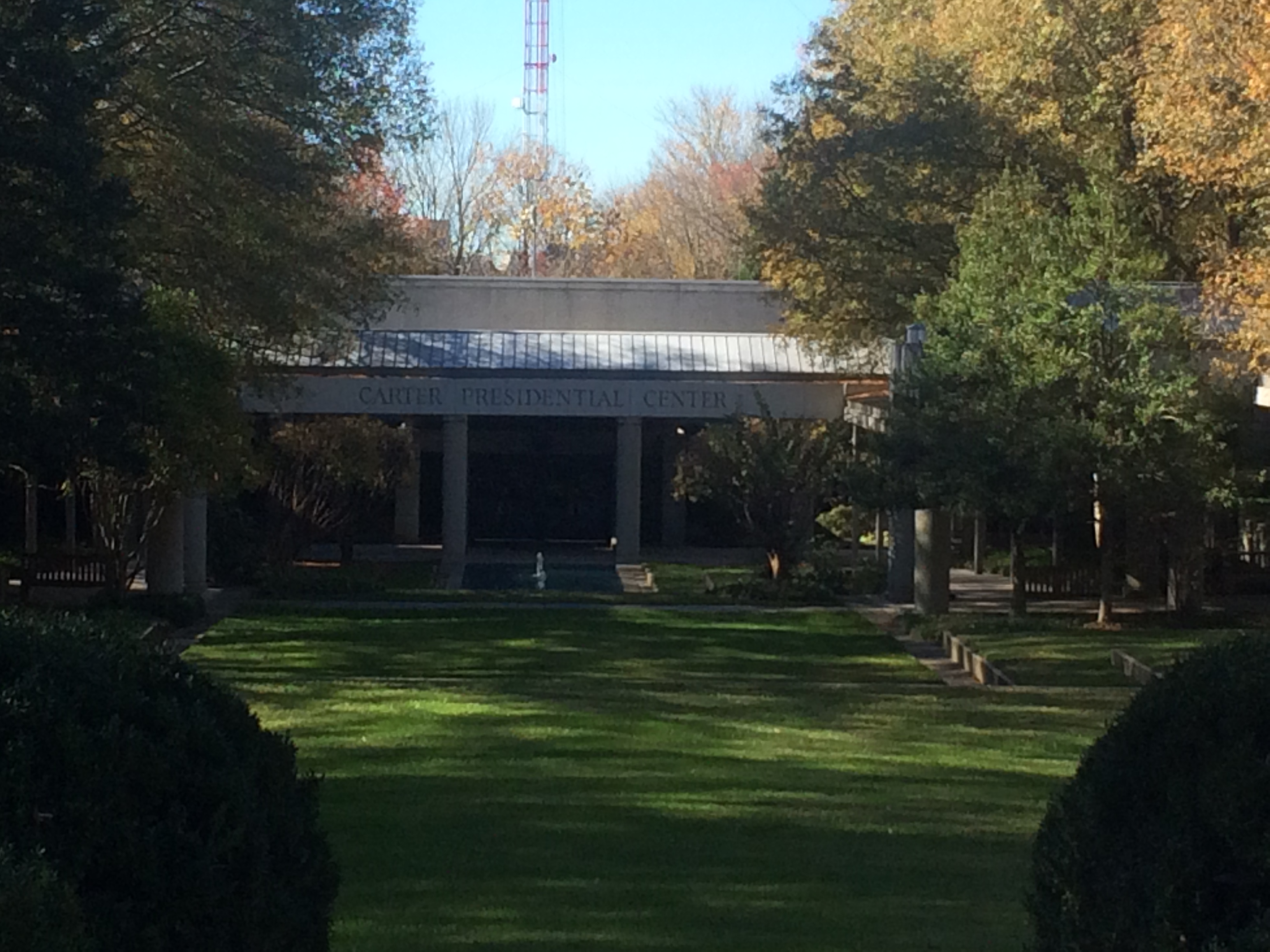
But I’ve also had the chance to do a small amount of sightseeing in Atlanta this week and it’s two places in particular I visited that I want to share about today. Two places and the two people they honour, who inspire me greatly: Martin Luther King Jr and Jimmy Carter.

image

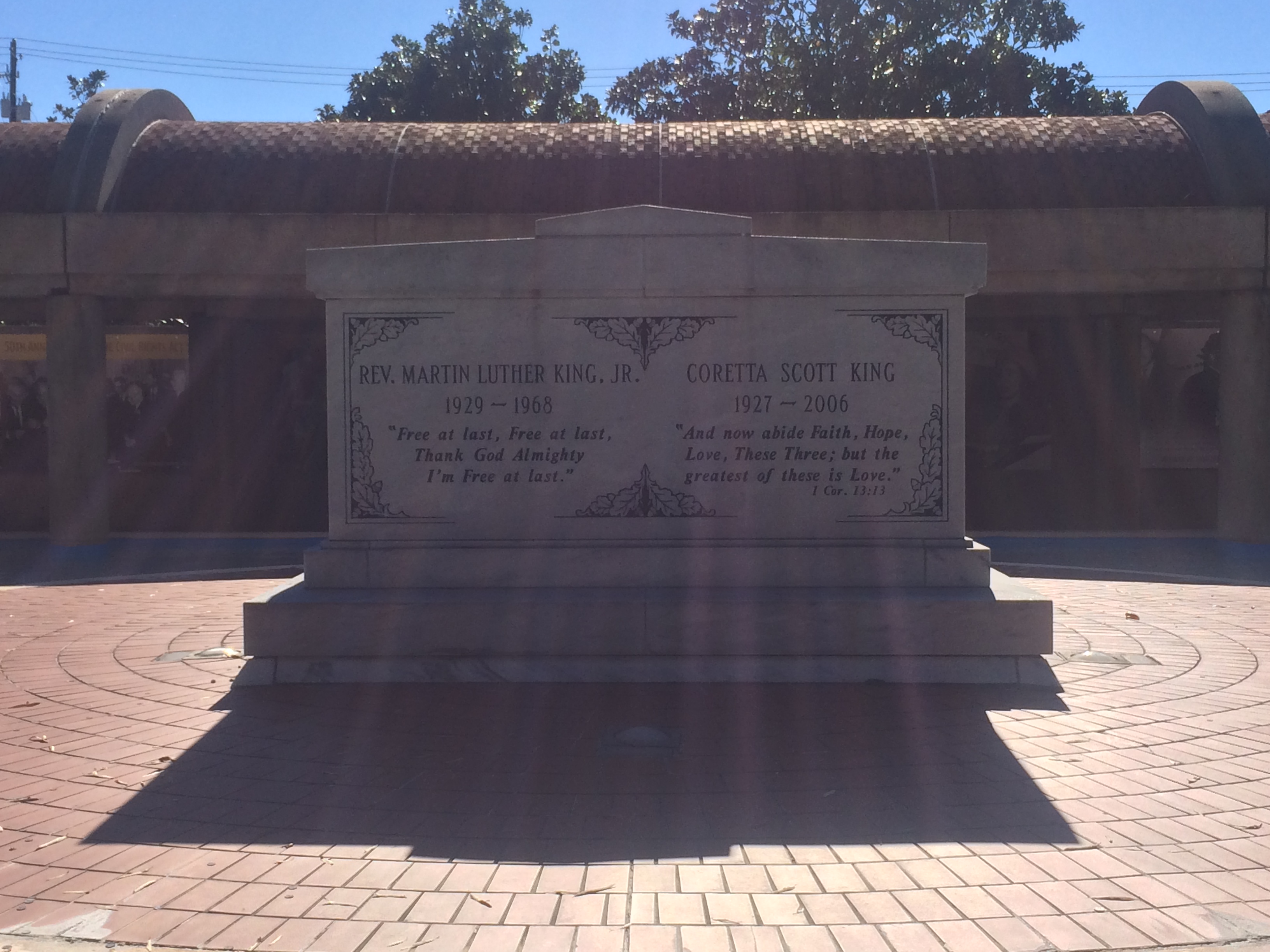
MLK was born in Atlanta, grew up here, pastored a church here, and is buried here. The King Historic District is today a National Park and well worth spending a few hours at. Jimmy Carter is from the state of Georgia and his Presidential Library is here in Atlanta, along with the Center he established which works for peace.

image

What have I loved about visiting the places dedicated to these two people here in Atlanta? 

The King District includes Martin’s birth house, which has been lovingly restored and so provides a fascinating glimpse into what daily life was like for a relatively well off African-American family here in the 1930s.

image

The church Martin’s maternal grandfather and father both pastored before him is a beautiful place of worship as well as a moving insight into his funeral which was held here after his assassination at just 39.

IMG_2237

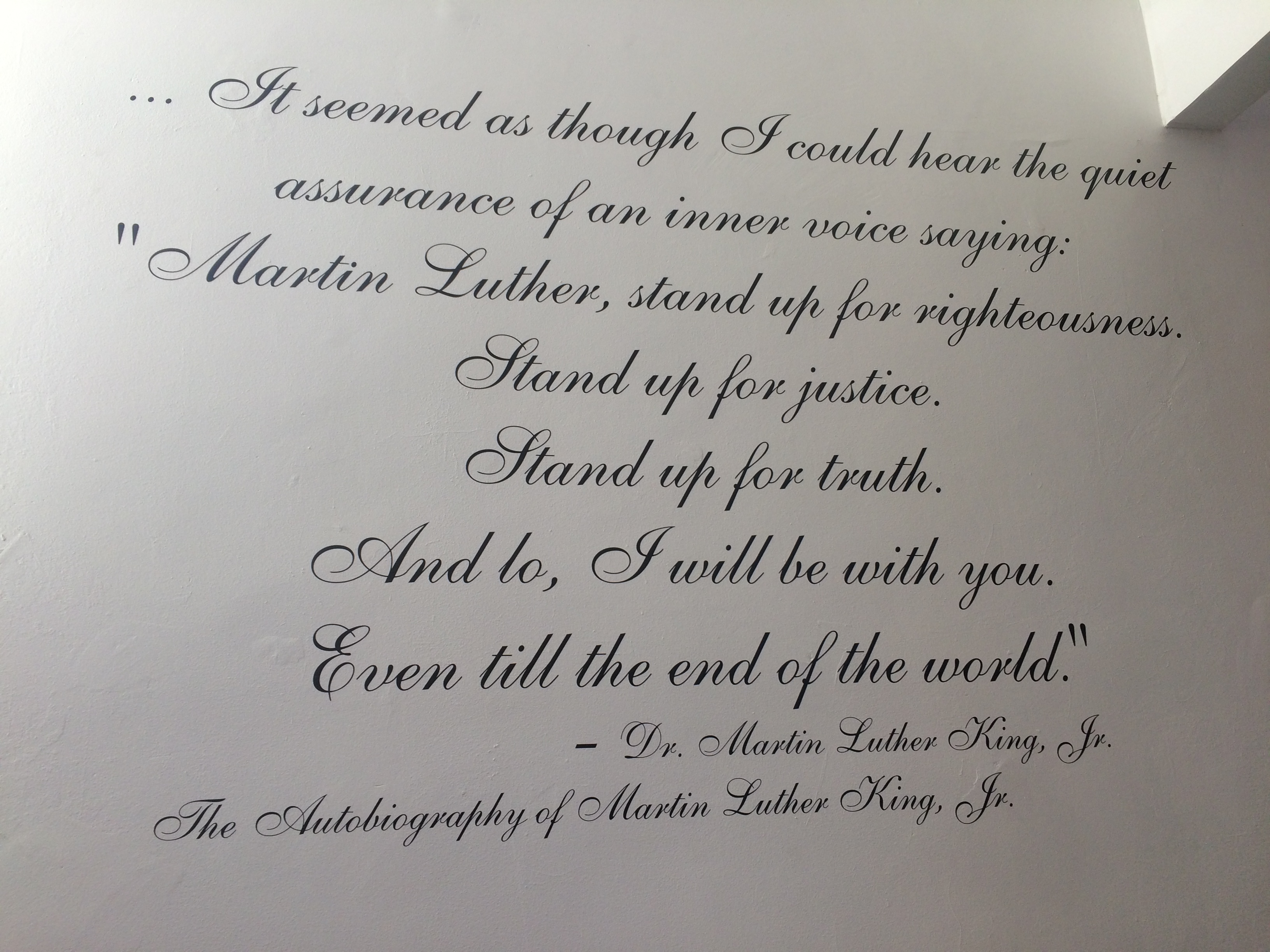
The museum tells his story, one I am familiar with to some degree, and which last year’s excellent film Selma gave me a helpful entree into. His dual commitments to justice and non-violence are powerfully portrayed.

IMG_2197

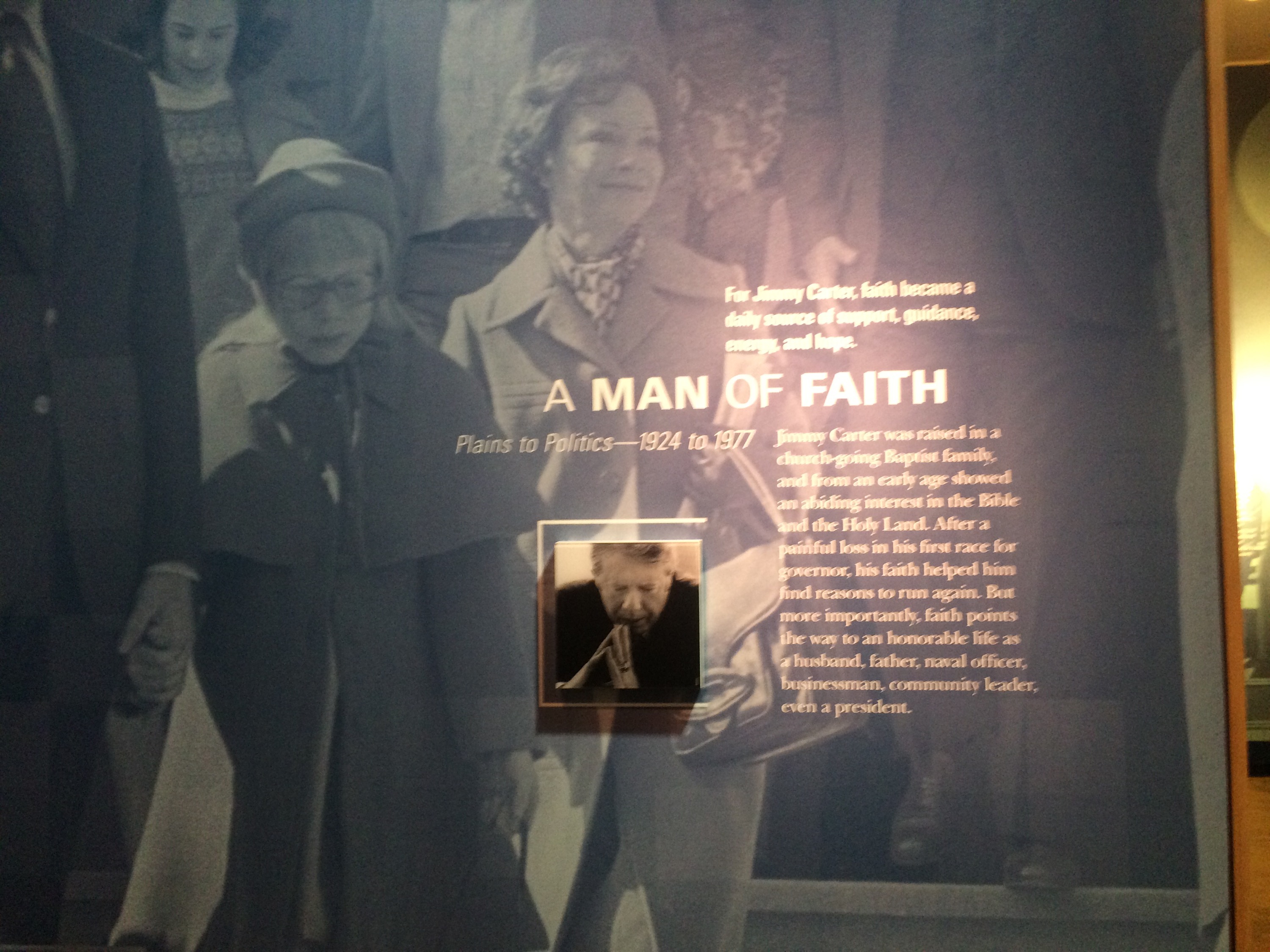
The Carter Library likewise provides an overview of one man’s life, from humble background, to Naval Officer, to peanut farmer, then Senator, Governor, and President. I find it fascinating to explore the life of a man my grandparents’ age and the ever changing times he lived through.

IMG_2336

And of course insights into occupying one of the most powerful roles in the world are always intriguing.

Reproduction of Carter Oval Office

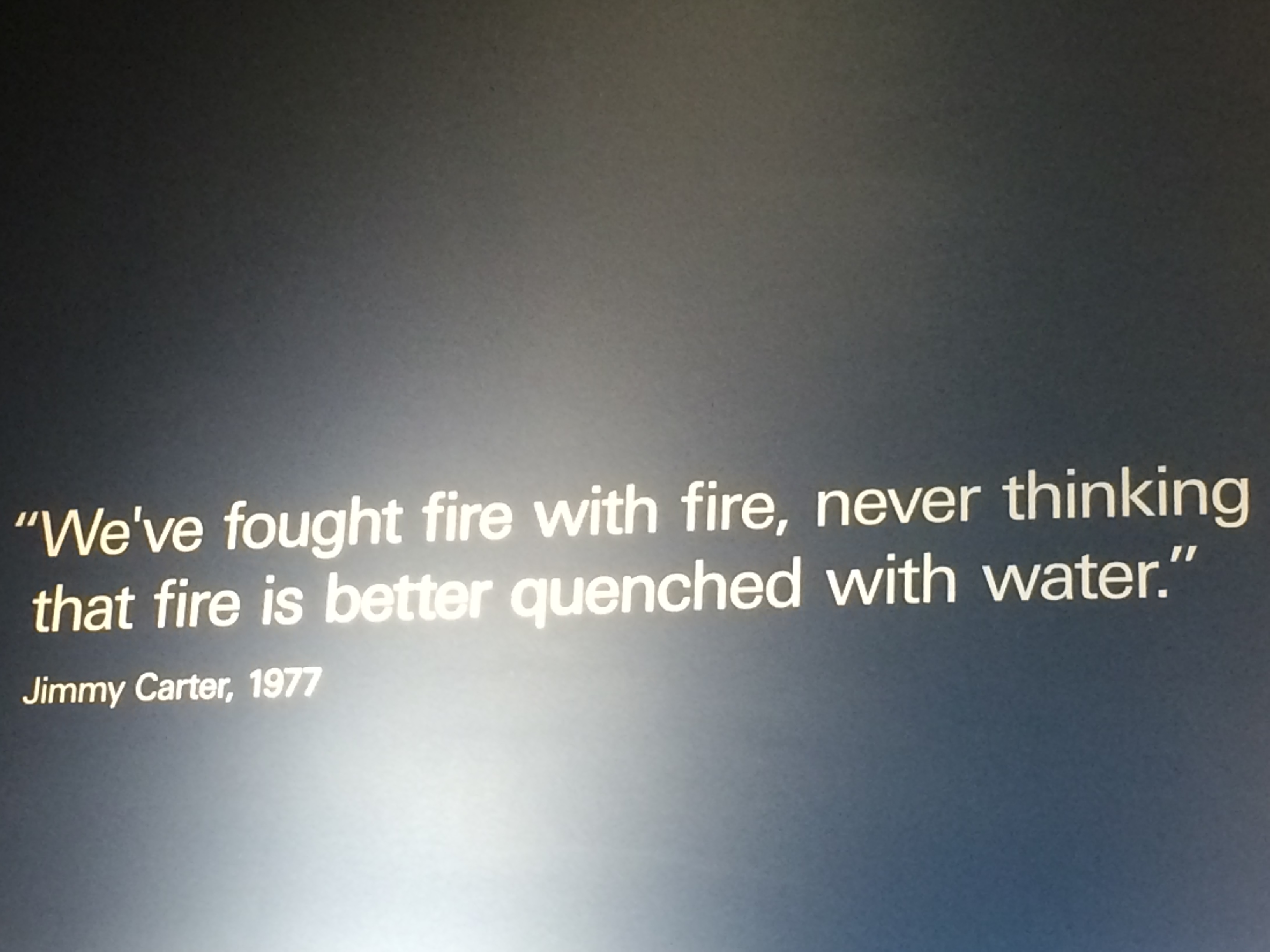
But Carter’s story is moving and inspiring in many ways more because of what he has chosen to do since his “involuntary retirement” from that office. His commitments to justice and peace, from the Middle East to free elections in Africa, to the mistreatment of women around the world. He has tried to use his influence to do what he thought right and fair.

Carter's Nobel Peace Prize
Carter’s Nobel Peace Prize
What have I learned from spending time “with” these two men in Atlanta?

Born just 5 years and 250km apart, as far as I can discover, these two men never met. (Although MLK Sr became a great supporter of Carter’s, and Carter credits MLK Jr’s work with opening the door to make his presidency possible).

image

The two men differ, most obviously in race and longevity, but also in career paths and the paths by which they came to their shared views. I’m sure if you dig deep enough you could also find some topics on which they would not always have seen eye to eye.

image

But they share not only this city and their Nobel Peace Prizes, but more importantly, a commitment to justice and a willingness to stand up for what they believed to be right no matter the cost. One paid a high price professionally and reputationally for a time. The other paid a far higher price, his life.

image

They also share an underlying source and motivation for their passions and convictions: a deep and abiding faith in Jesus Christ. I feel some sense of pride that I am part of the same faith tradition as these two great men.

image

And as I face a world struggling with fear and hatred, tempted to build walls between races and communities, I want to keep being inspired by the example of these two men. I do not have the influence or recognition that they have, but in whatever opportunities I do have, how can I live and speak justice, peace, truth and hope, no matter what it costs me?

image


Today would be a good day to visit the White House

I haven’t done a Monday morning travel post  for a while, when I take some time to reflect on a place I have visited and what I loved about and learned from it. It’s been a little while since I have travelled and there has been a lot else going on. But as I’m starting to prepare for a trip to the US, including Washington DC, in just over three weeks time, I’m thinking it would be great to pop in today to one of the most iconic buildings in the world, and be reminded again about the responsibilities and opportunities of influence and power, as well as its limitations.

View of the White House from the Washington Monument
View of the White House from atop the Washington Monument

As a foreigner, it’s not easy to organise a visit to the White House. Apparently it is possible to book months in advance through the Australian embassy, but I have not yet come across anyone visiting as a tourist who has actually made that work. For me, it was arranged through a friend of a family member who was working at the White House and got me onto the public tour – as well as taking me to a couple of places “behind the scenes” (no photos from there – and only mobile phone photos from the tour so apologies for the lack of quality!)

WElcome

What did I love about visiting the White House?

First of all, I’m a huge fan of the TV series The West Wing, so it actually felt like I was already very familiar with the place 🙂

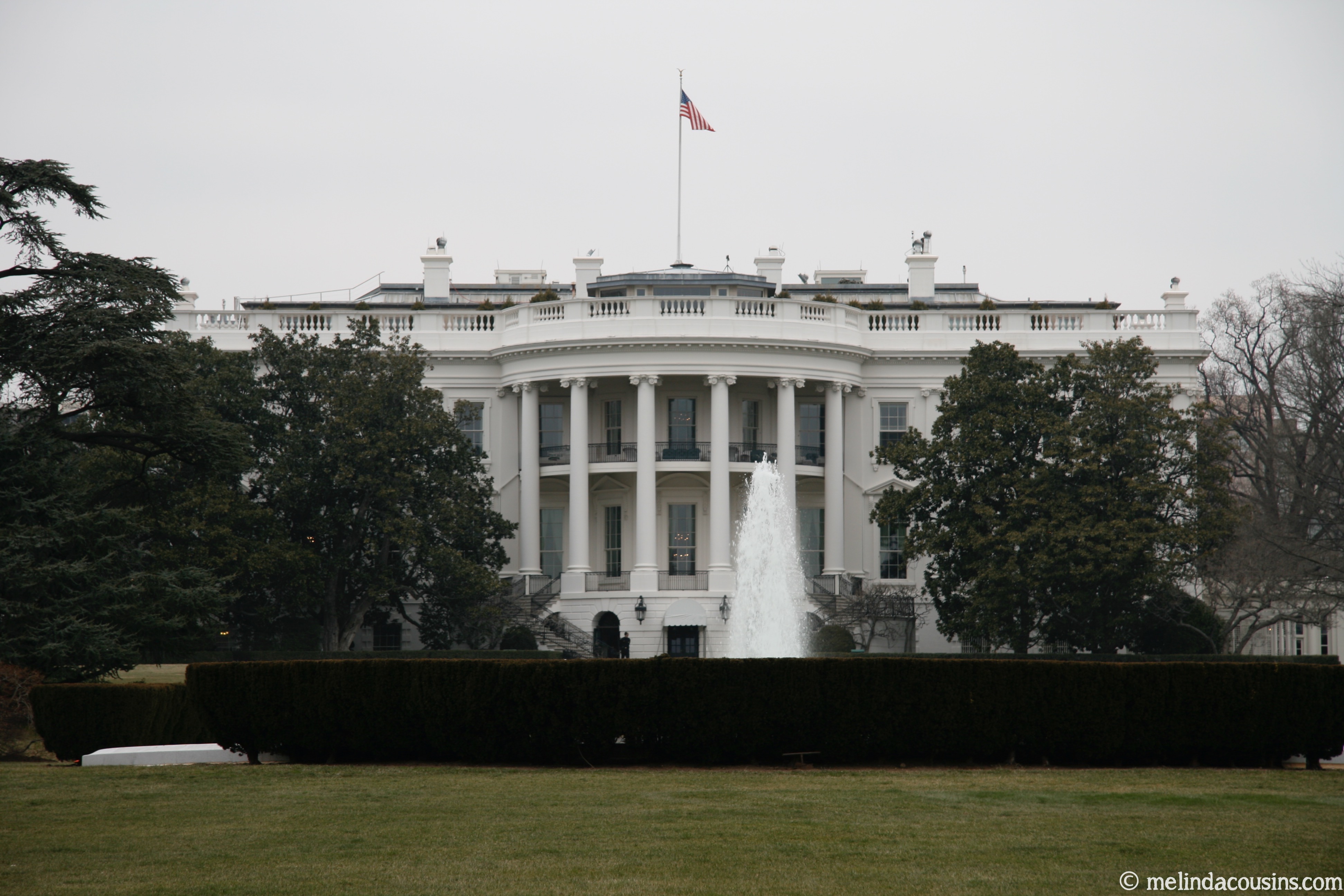
Front view

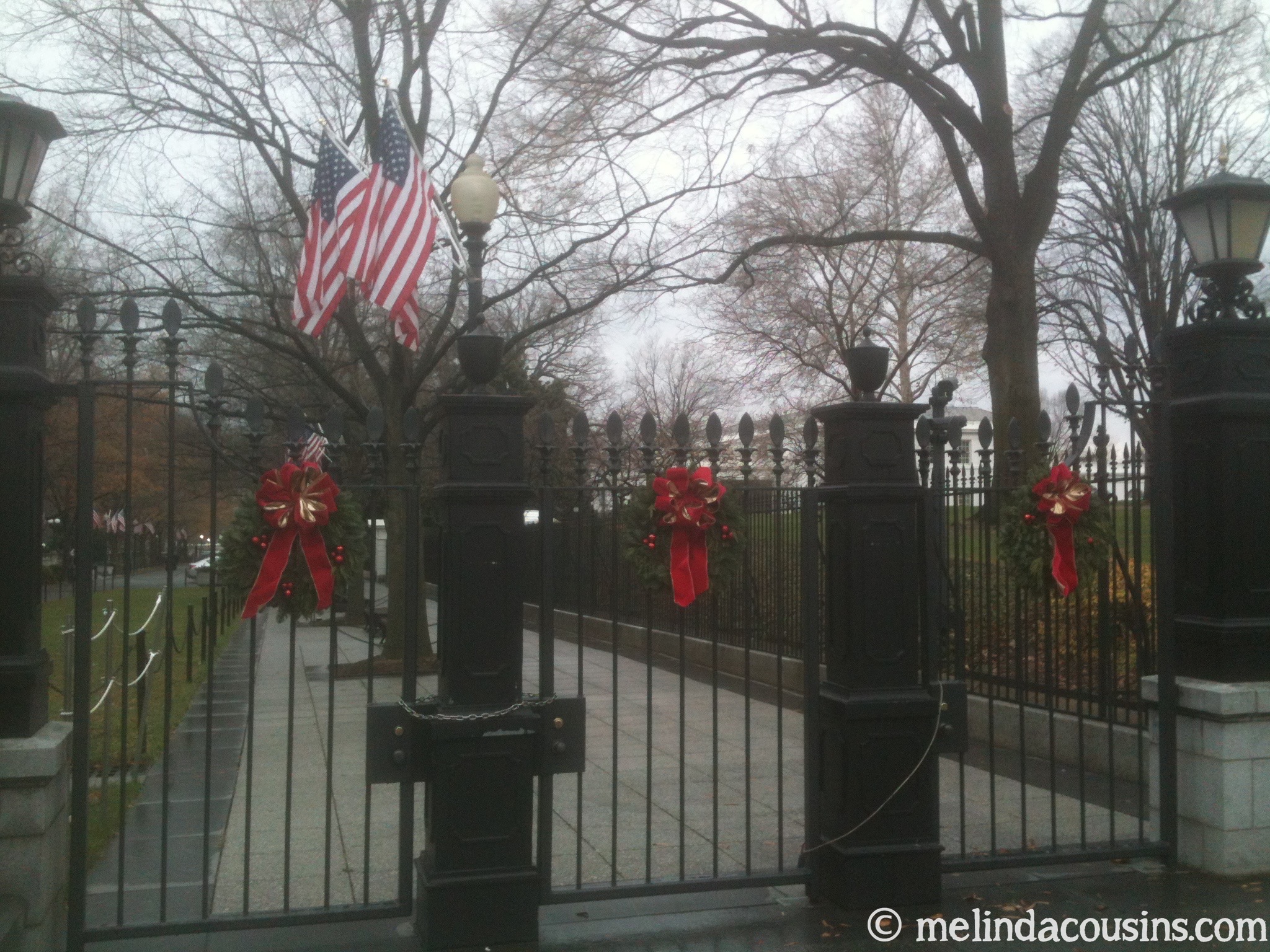
A number of scenes in various episodes were shot outside these gates …

Gate

… I’m pretty sure this entrance hall looked familiar …

Entrance Hall

… I remember that the OEOB building next door is where the VP and other “less important” staffers work …

OEOB

… and for bonus points there was even an episode with protestors about what is in this room!

Vermeil

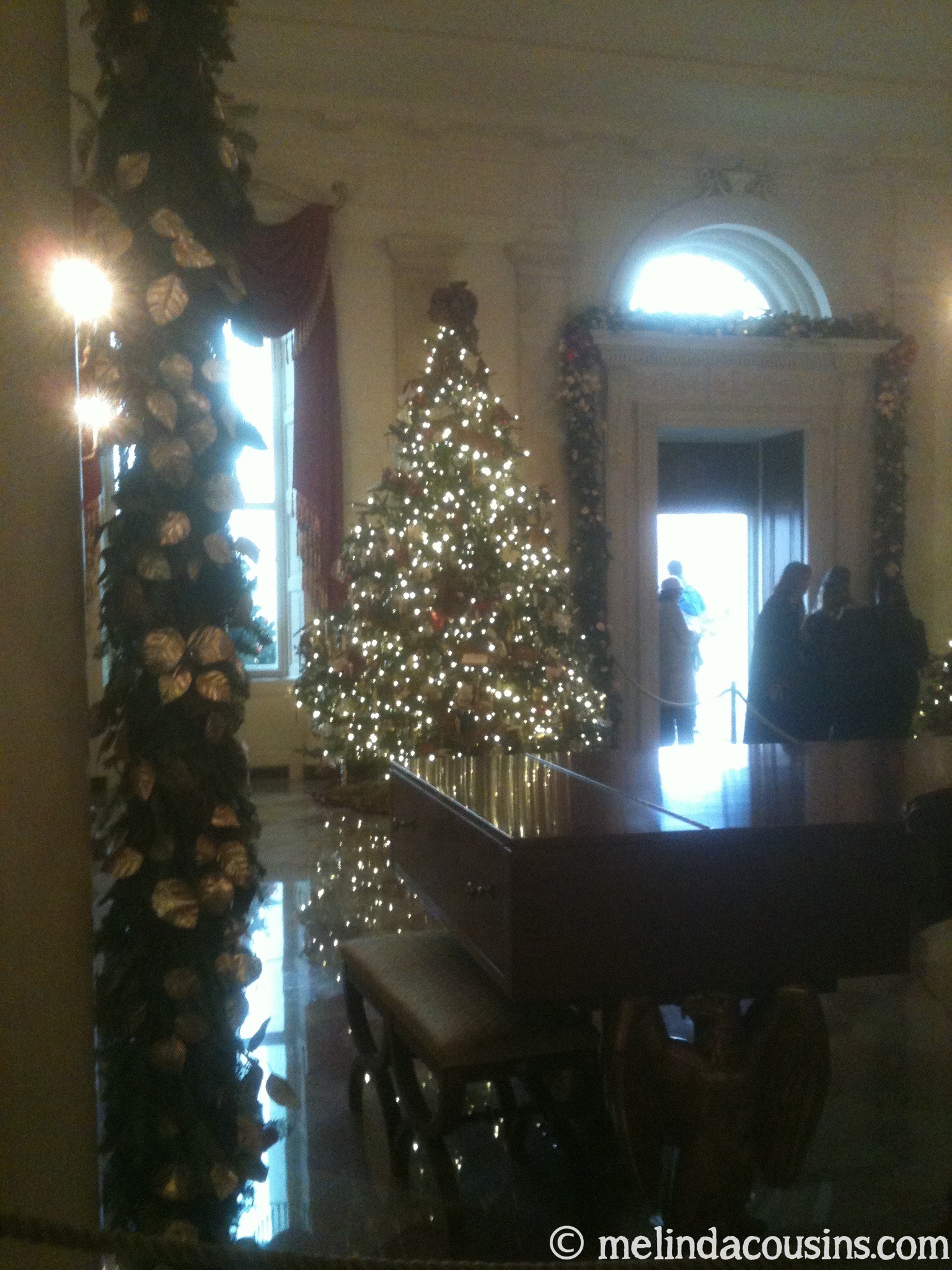
It was December when I visited, so there were all kinds of beautifully decorated Christmas trees everywhere.

Tree 2

Some had ornaments belonging to various dignitaries,

Tree

while others stood in places normally occupied by a podium from which the “leader of the free world” speaks.

Tree and Seal

And the gingerbread version of the White House certainly puts my annual attempts  to shame.

Gingerbread

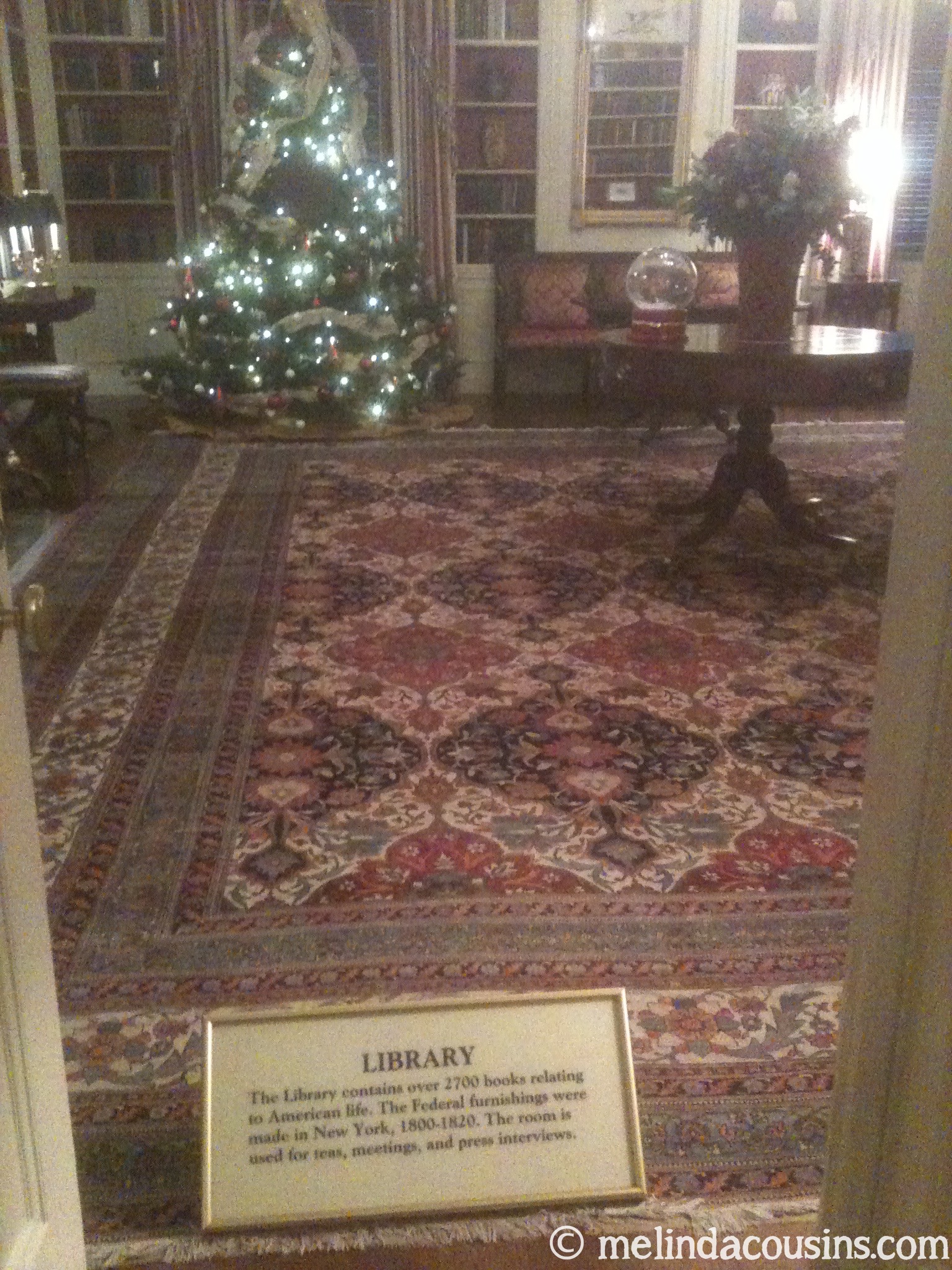
Like most people who visit, I think there is an excitement in getting to see just a small glimpse of the corridors of power and places where so many significant decisions have been made and worked out.

LIbrary

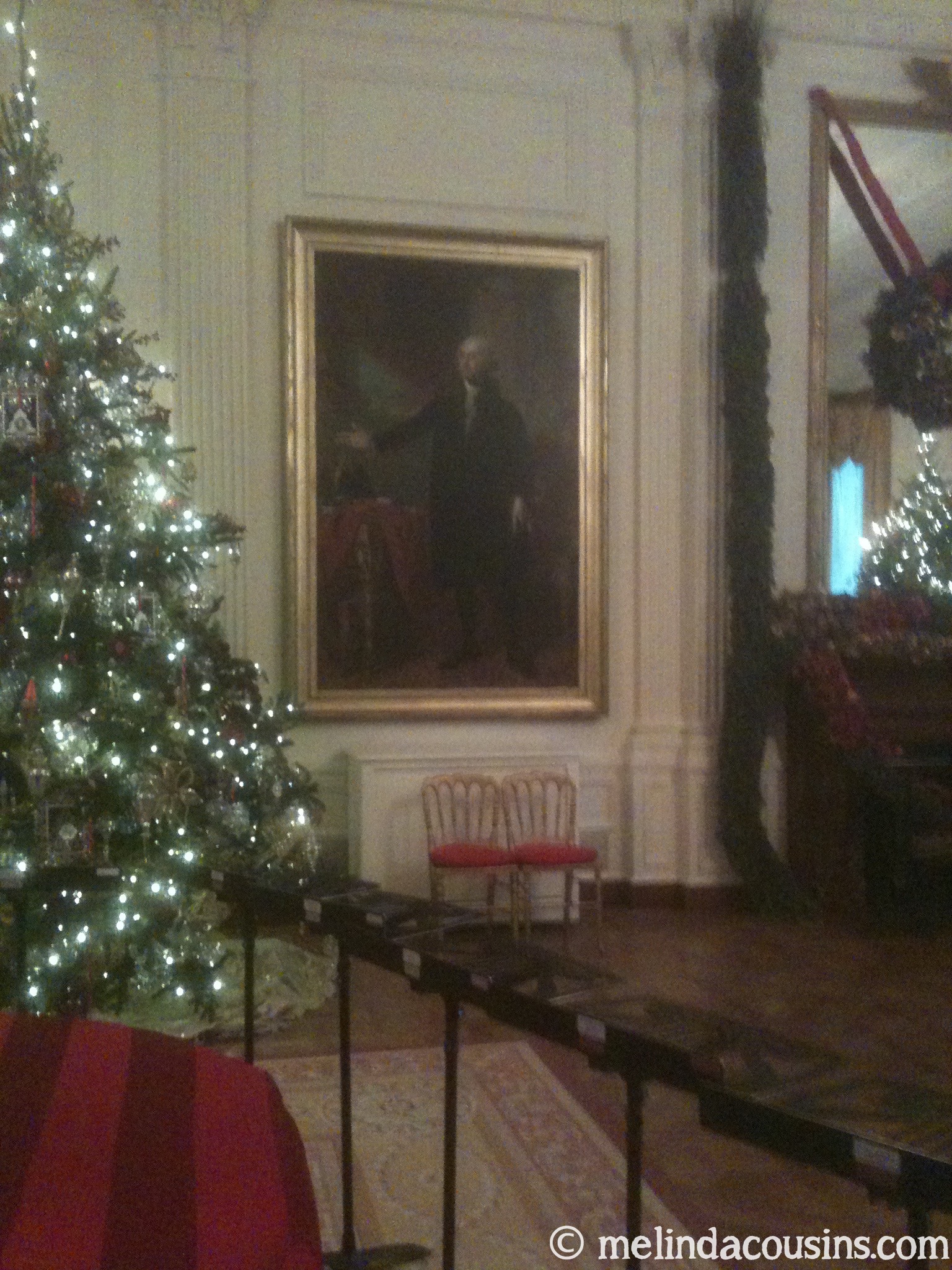
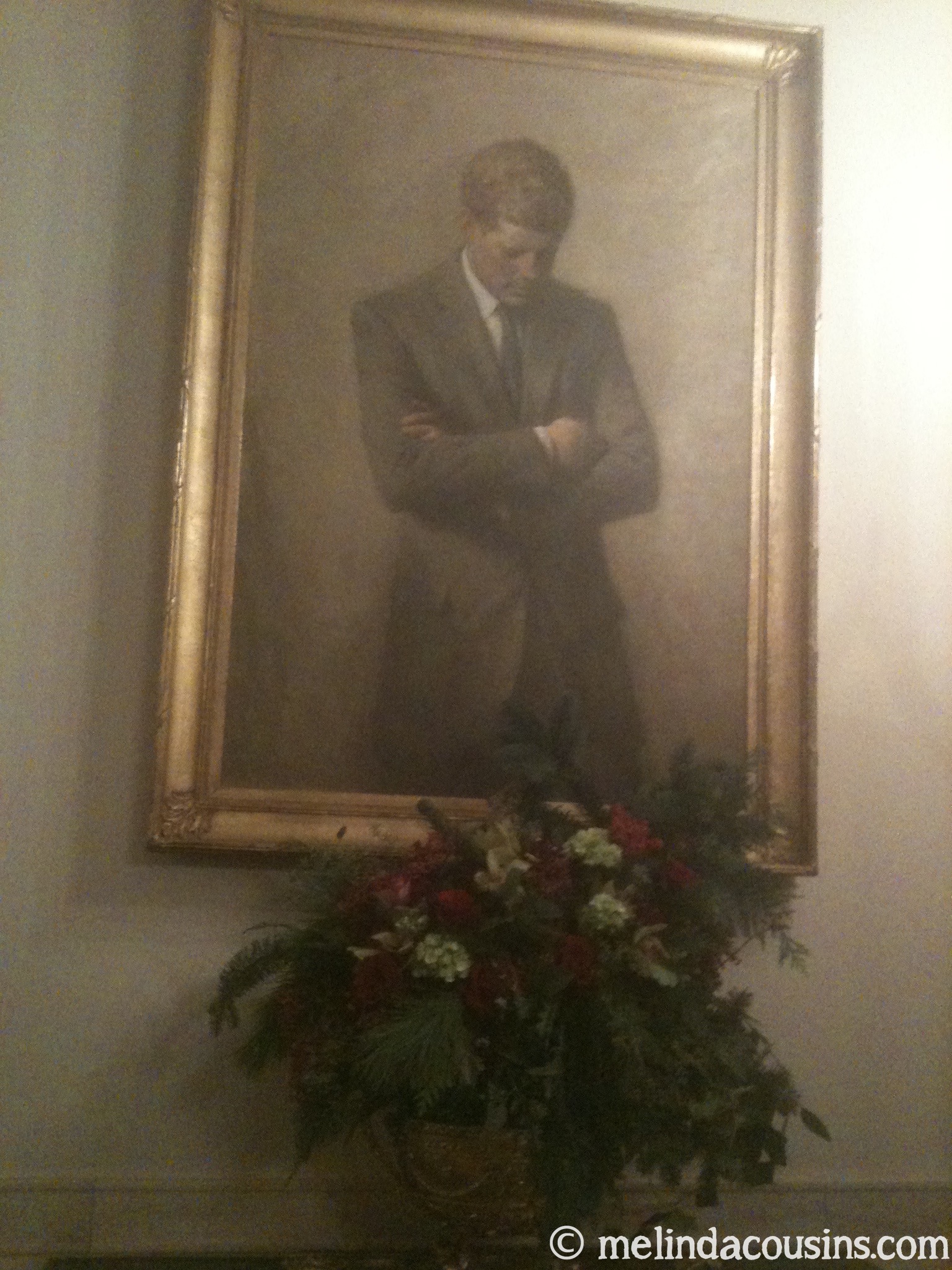
As a lover of history of all kinds, the portraits of previous Presidents remind me of the stories of the different times and situations through which they led,

Washington portrait

JFK

… and the various ways in which the world has been shaped by those who have passed through this place.

Exit
What did I learn from visiting the White House?

As well as touring the White House, I managed to secure tickets in the annual lottery to attend the National Christmas Tree Lighting at which the President speaks and numerous entertainers perform.

The Obama family with Jane Lynch

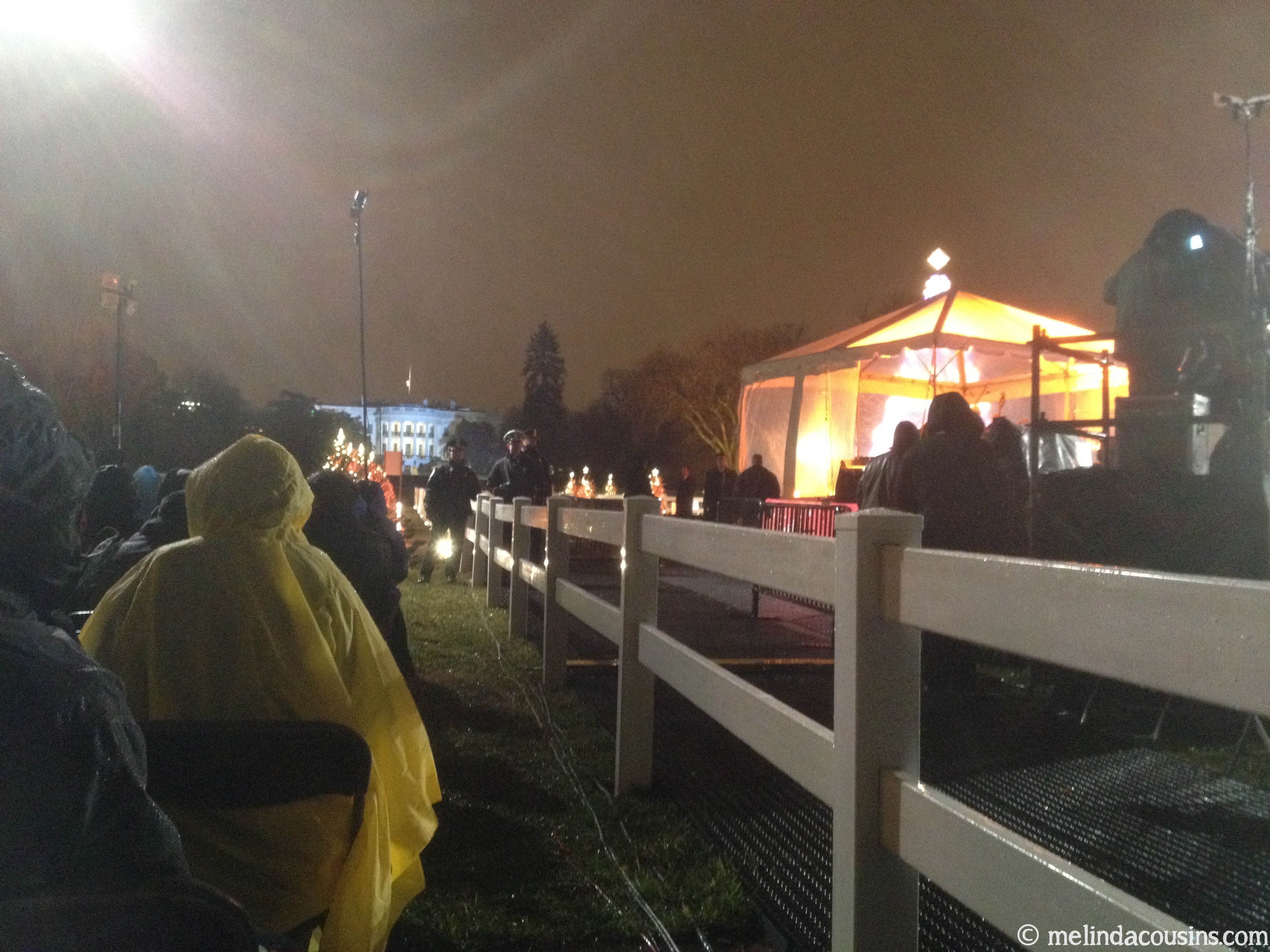
(This did involve about five hours of sitting in the pouring rain on a cold, December, Washington night, which wasn’t the most fun I (or my Dad!) have ever had).

Event

But it was really interesting to see the patriotism on display, a challenge perhaps to someone like me who comes from a country where we do not always show our political leaders respect or even courtesy.

At night

It was also fascinating to compare and contrast this event with our Aussie traditions of Carols by Candlelight.

Outside tree

My main reason for wanting to go, however, was to hear the President in person. As a lifelong student of politics and history, for me it is a once in a lifetime opportunity to hear anyone who occupies such an office and try to get a sense of them for yourselves. And I thought Obama lived up to his reputation as an inspirational and persuasive orator.

The President speaking

But something else that sticks with me from that night is the contrast between the trappings of power and wealth and influence seen in this place, and the message that we were there to celebrate. The story of the most powerful king of all, who chose humility, service and sacrifice as the way He showed His glory.

Front view 2

The White House represents power and status in this world, and I will always be keen to understand what takes place there, to recognise its influence in the world and to reflect on the lessons to be learned from the decisions made there. But in the end, I follow an even greater leader, a leader who speaks a message that seems upside-down to everything I see here and throughout this world: that the way to true greatness is found in service, and that the way to exaltation is found in humbly giving yourself up for others.