Today Would Be A Nice Day To Be In Sydney

I think there will always be a sense in which Sydney will be my city. I was born there and grew up in its suburbs and outskirts. Despite today’s forecast for uncharacteristically gloomy November weather, if I could hang out there today (ideally with my sister and niece!) instead of the other things I have to do at home, that would make for a wonderful Monday!

The Iconic Harbour Bridge

I still feel a strange kind of pride when filling in a form asking for place of birth that I get to write the name of a place so iconic and universally known. I walked across the Harbour Bridge on its 50th birthday and saw Allan Border play his last game at the SCG. I performed in primary school choirs at the Opera House and went to the Royal Easter Show every year. We watched the Tall Ships come into the Harbour from Mrs Macquarie’s Chair on the bicentennial. My 13th birthday party was at Luna Park and while our house was being built we lived for six wonderful weeks in a hotel on the Corso at Manly. I’ve spent a number of New Years Eves in the city for the fireworks, and I was at The Rocks the night Juan Antonio Samaranch announced that the 2000 Olympics would be held in “Syd-a-ney.”

Cricket at the SCG
Cricket at the SCG

I sometimes find it hard to believe that I have lived in a completely different part of the country for nearly two decades. I love Adelaide, but Sydney will always have a pull for me. Whether it is flying in over the harbour or driving up the Hume Highway, whenever I go back to Sydney there is a sense of coming home.

NYE Fireworks on the Bridge with the Cahill Expressway in the way

What is it about Sydney? It’s not a city I particularly wish to live in these days – the traffic alone would drive me crazy (although I do love that I still know how to drive from Liverpool to Newcastle without using any toll roads!) But it’s a city I appreciate and enjoy and I can certainly understand why many of my friends choose to make it home.

The view from Jonah's at Whale Beach
The view from Jonah’s at Whale Beach
What do I love about Sydney?

All the usual things that everybody else loves, of course – from Darling Harbour to the Corso at Manly, Taronga Zoo and Circular Quay. I love the northern beaches but am happy to leave Bondi to the real tourists. Living in Adelaide even makes me appreciate City Rail 🙂
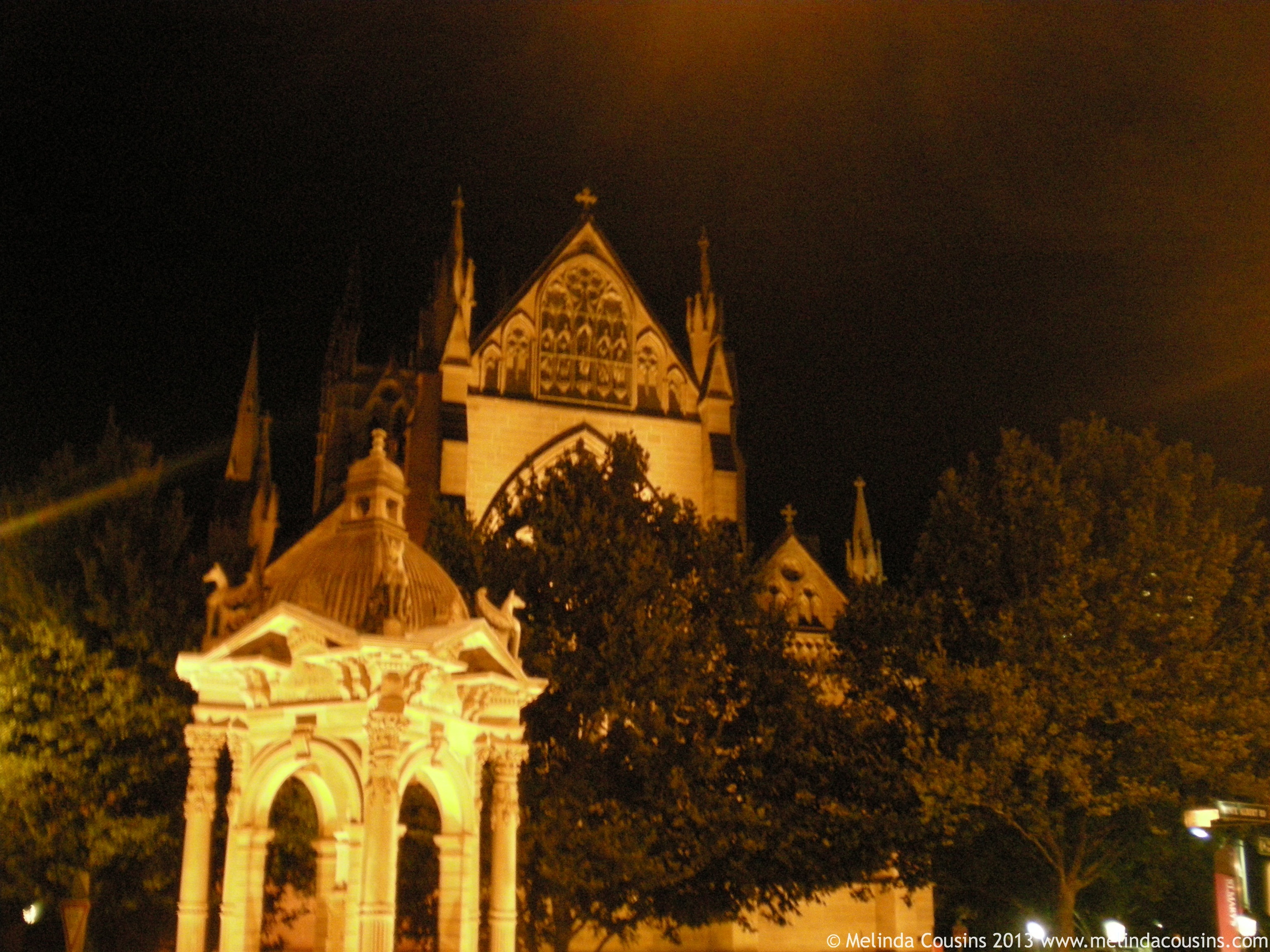
St Mary's Cathedral
St Mary’s Cathedral

But I also love many of Sydney’s suburbs because of all the memories they bring back. Driving past the house I grew up in at Frenchs Forest or the unit my grandma lived in at Burwood, the hall where we did Physical Culture competitions at Willoughby or the publishing company where I had my first grown-up job at Lane Cove. Am I the only one who feels that pull just to go past and see old familiar places when I am in the area?

Looking out over the bay from suburban Cronulla
What have I learned from Sydney?

Many, many things, but what stands out today is the power of memories. I’ve learned so much from so many people in Sydney, and going back to those places is a way of re-connecting with my history and some of the experiences that have shaped who I am today. It’s a cliché for a reason, that the place you grew up will always be a part of you. And I wonder if it is all that I love about Sydney that set me down the path of traveling and seeking to appreciate and learn from all the other wonderful places this world has to offer?
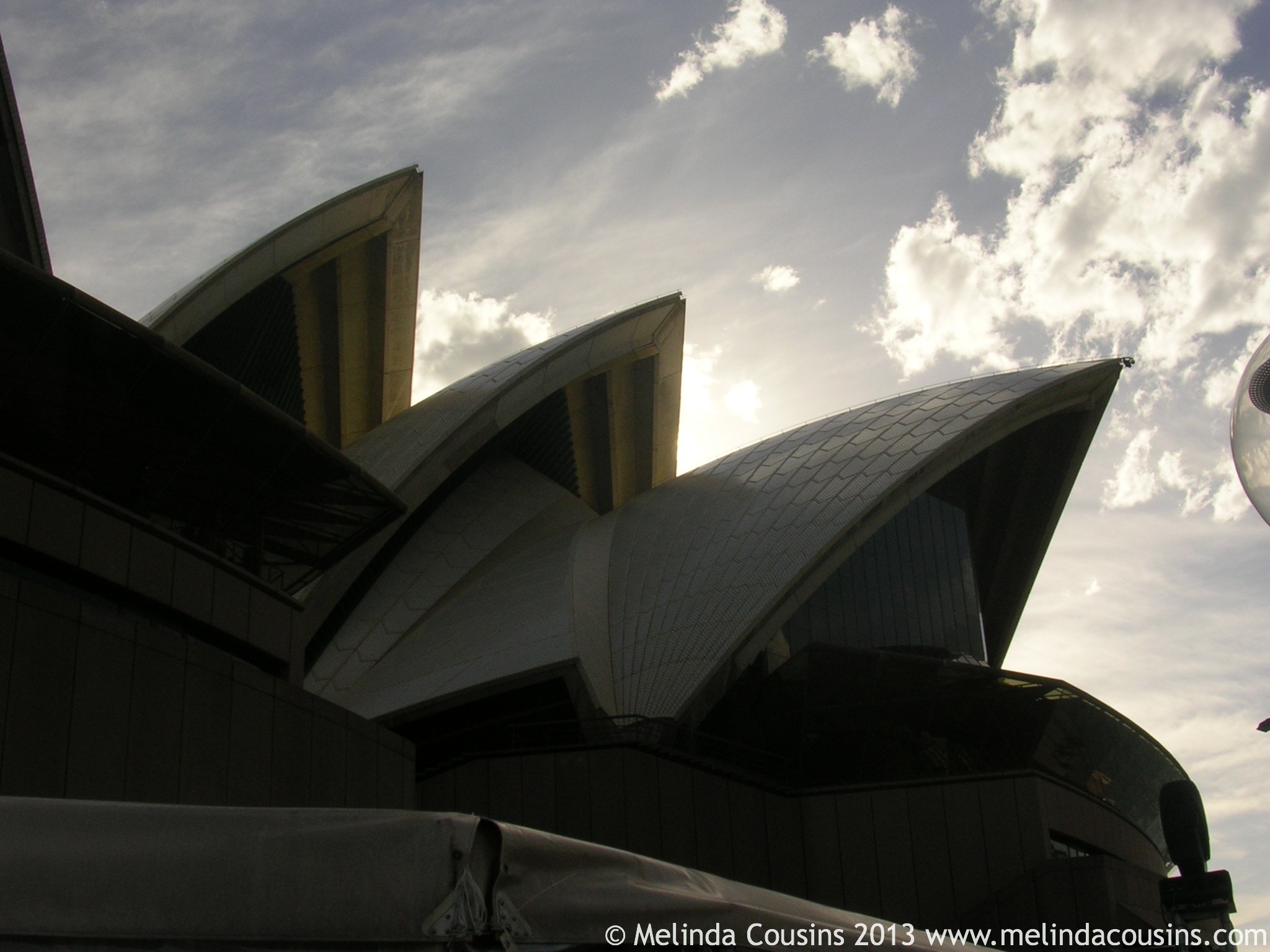
The recently turned 40 Sydney Opera House

A Better Metaphor for the Bible?

I ran a seminar on the Bible at a recent conference and took with me a glass bowl in which I placed pieces of paper with individual verses from the Bible written on them. I asked each person to take one and that could be an “inspirational word” for them that day. A couple of people were quite encouraged by what their piece of paper said. Most were simply bemused; some even amused. Verses like “He fled naked, leaving his garment behind” (Mark 14:52), “I wish they would castrate themselves” (Galatians 5:12), “Jahaz, Kedemoth, Mephaath” (Joshua 13:18), or even just “He said” (Job 3:2) don’t exactly lend themselves to being emblazoned on inspirational posters.

My point was not to denigrate the Bible. I love the Bible. I have devoted my life to teaching it. But my point is that many Christians treat the Bible as if it is a kind of “promise box” which contains these individual nuggets of wisdom and inspiration called “verses.” We treat it quite flatly, as if each one of them should work in exactly the same way. No wonder so many of us struggle to read it! And no wonder our society sometimes ridicules Christians for following it if we have given the message that that is what the Bible is and how it works. Because it is impossible to read the Bible that way, and I would suggest it is impossible to live in response to the Bible if we are attempting to live out of that metaphor.

For starters, the Bible isn’t made up of verses. It is made up of books (and letters and collections of poems and laws and more.) Books are written as wholes and designed to be read as wholes. Imagine taking To Kill A Mockingbird or A Tale of Two Cities and cutting them into individual one-line pieces and expecting them to impact you in the same way the whole book does. Books just don’t work that way.

The verse numbers we are familiar with were first included in translations of the Bible in the 1550s. And they are very helpful! If we want to study or discuss the Bible in community, it works really well in our literate culture to be able to look up a numerical reference to make sure we are all on the same page. But they were never designed to completely change the way we think about what the Bible is.

So what is a better operating metaphor for the Bible? As a collection of books spanning a variety of types of literature and historical periods, the metaphor that I find resonates well is that of story. The Bible is God’s story; a story in which we are invited to participate. Individual parts of the Bible contribute to that overarching story in a variety of ways. The historical books tell us about the God who made Himself known to different people in different times and places and through them we learn about the God who makes himself known to us in our time and place. The prophets and poets proclaim the words God spoke to His people and the words they spoke to Him and through them we can hear and speak in similar ways. The Gospels reveal to us Jesus Christ: who He is, how He speaks into the world, and His saving death and redemptive resurrection. The letters of the early church reveal the way people applied their faith in Jesus to the realities of their lives and again enable us to do likewise.

One of the dangers of using “story” as our metaphor for the Bible is that sometimes people hear the word story and immediately think fiction. That is not at all how I am using the word. One of my favourite things to do is listen to other people’s stories and share my story and see how they interact. These are not fictional! Rather, telling our stories is the way we relate and engage in community. We live out of stories. And so I love the picture that God invites us to live out of His story.

NT Wright does a much better job of explaining this metaphor than I ever could. He speaks of the Bible as an unfinished drama, one in which we are given the first few acts and the concluding scenes but invited to improvise our own part. This article on the authority of the Bible, and particularly the section on Authority of a Story, is well worth a read if you want to pursue this idea.

But I’ll conclude with another picture. Last year I had the opportunity to visit a church in a Northern Territory Aboriginal community. An indigenous artist has drawn nine paintings which together tell the story of the Bible. They hang on the walls of the church to be “read,” much like the original purpose of the stained glass windows in many European cathedrals. And when the community of God’s people gather in that place, they are literally gathered  within God’s story. That is another metaphor that really resonates for me. The church is constituted in the midst of God’s story. The Bible is not a collection of verses we can pull out as daily motivational sayings, nor wield as weapons in some kind of war. It is the story which gives us life as God’s people and it continually invites us to enter into and embrace the part our own stories can play in His.

Aboriginal Art Revelation

Today would be a nice day to be in Mwandi …

It’s Monday morning again. Where would I like to spend the day if I could go anywhere just for a quick visit? Going back to Mwandi would be a wonderful, albeit heart-wrenching, way to spend the day.

Fishing on the Zambezi River

Mwandi is a little village in south-western Zambia and I took a team to visit there just over five years ago. I’d love to see what has changed since. We worked with the local church and an Orphans and Vulnerable Children Project which provides education and food in order to support the kids staying in the local community. These are kids who have lost one or both parents to AIDS, and in a village where 60% of the population are under 16, this presents huge challenges.

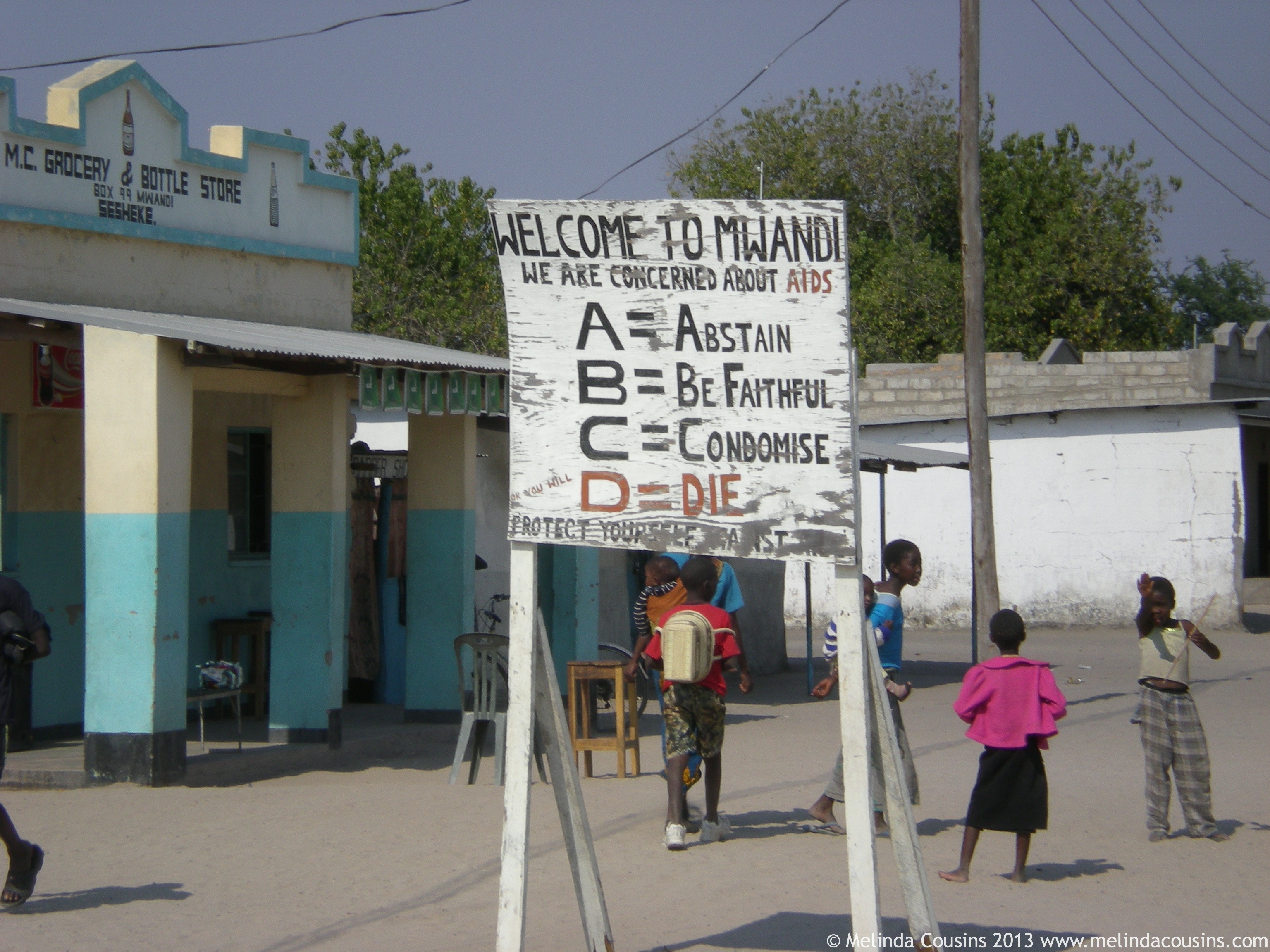
AIDS Education Sign
AIDS Education Sign

Mwandi is also an incredibly beautiful place, right on the Zambezi River. We passed a tower of giraffes on the way into town and spotted hippos and crocodiles in the river. The sunsets were stunning, the local woodworker hand-carved intricate treasures, and we dined on freshly caught fish from the river. Neither the place, nor its people, should be defined by what they don’t have.

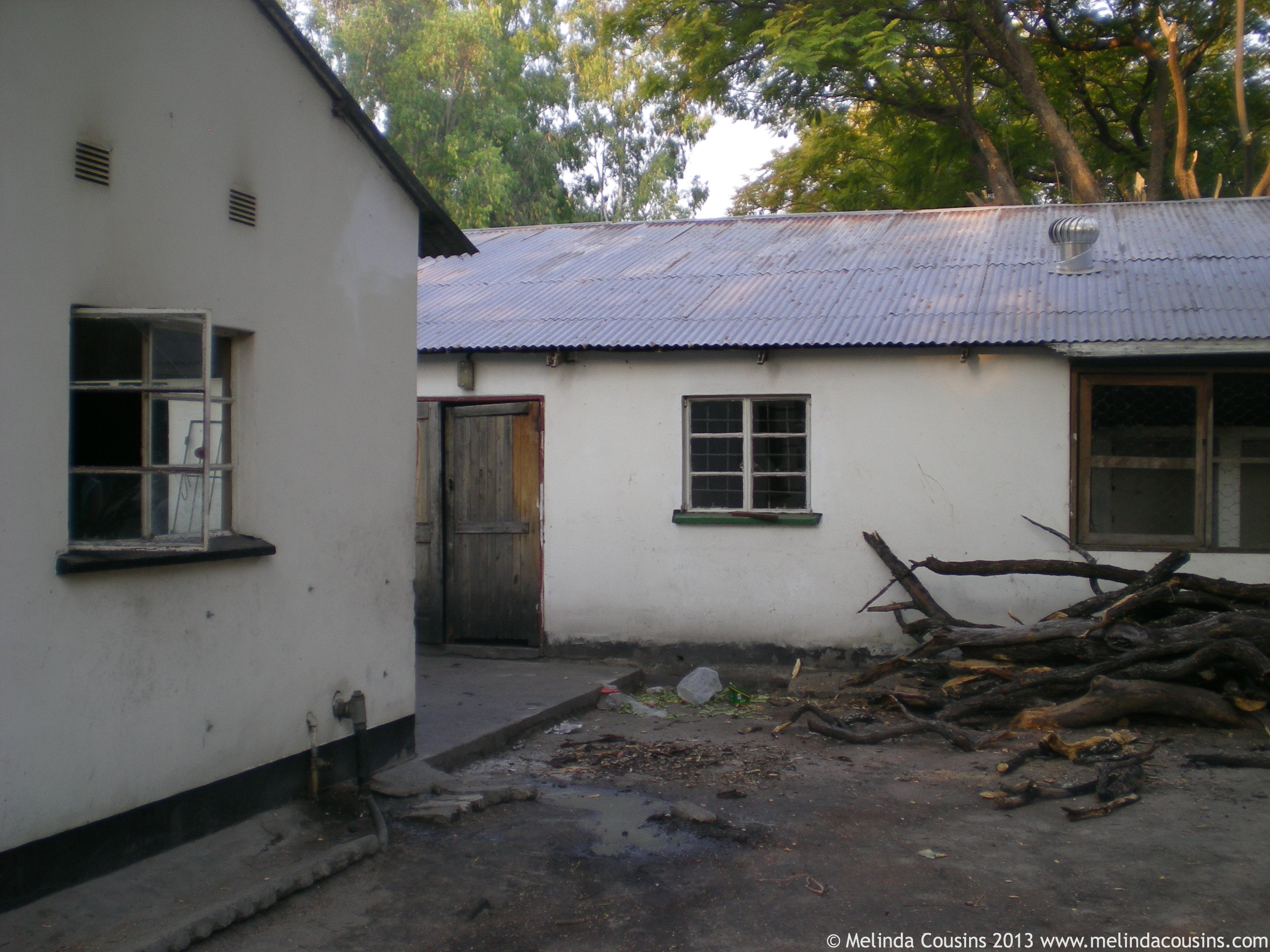
The Mission Hospital
What do I love about Mwandi?

The people, absolutely the people. They were so incredibly welcoming and hospitable to us despite the cultural faux-pas I’m sure we were making left, right and centre. They had so little and yet they were so generous and open hearted.

Entrance to the Village Chief's Residence
Entrance to the Village Chief’s Residence

I also loved the warm weather, the community culture, and the peace and solitude readily available. Walking through the market and hearing the sharing of lives along with produce. The giggles of children watching us walk by with our strange clothes, language and customs. The roadside entrepreneurs selling everything from haircuts to mobile phone minutes. The warm welcome into people’s homes and the opportunity to join in whatever was going on from singing and dancing to making mud bricks to gutting fish.

The OVC Project
The OVC Project
What did I learn from my time in Mwandi?

I was inspired and taught by the deep faith in Jesus I saw in action. As a Westerner with the title “Rev” I was treated with respect, even deference, and looked to for teaching and comfort. But I learned so much more than I was able to share. It was an incredibly humbling experience to pray for those who were dying and to try to share hope with those who had lost loved ones that day. I felt so out of my depth and my comfort zone, but God gave me incredible opportunities to learn from being stretched in those ways. I also felt shame at the excesses of my life, the stuff that I do not need and yet cling to, and the way that I compare myself to those who have more and feel either justified or jealous. And I was challenged by the way people shared their lives and cared for one another which stands in stark contrast to the isolated, independent lives so often lived in my cultural experience.

A villager's kitchen and living area
A villager’s kitchen and living area

Mwandi is the kind of place where you find yourself thinking, “I will never be able to go back and live my life quite the same way I did before I came here.” And yet it’s so easy to forget and slip back into what seems so normal and innocuous when you return home. I want to remember my visits to place like Mwandi because I need to be reminded every day that the way I live is not the experience of the majority of the world, and because I want to live my life in light of how they have to live theirs.

Sunset over the Zambezi