Time for a Monday morning travel post. One of the reasons I love to travel is because I love history. I love hearing the stories of people who have come before, people whose lives and cultures and experiences were in many ways so different from mine today, and yet people who were seeking to engage in life and faith just like I am. I find it inspiring to reflect on whose footsteps I am following in, and what I might learn from their experiences. For me, travel and history are also strongly linked to faith, as I seek to learn from those who have sought to engage with God’s word and God’s world in their own time and place.
Today I’d love to return for a quick visit to a small mountain in Jordan, a mountain which isn’t really all that impressive to look at or from in many ways, but because of who has been there before me, has taken my breath away each time I’ve visited nonetheless.

What did I love about Mt Nebo?
Mount Nebo is famous because it is the place in the Bible where Moses is taken by God just before he dies, where he looks out over the promised land to the west and beholds something of all the good things that God has in store for his people. (Deut 34:1-4) It surely would have been bittersweet for him, knowing he was not going with them, and yet I’ve found it a place that has a strong sense of hope.

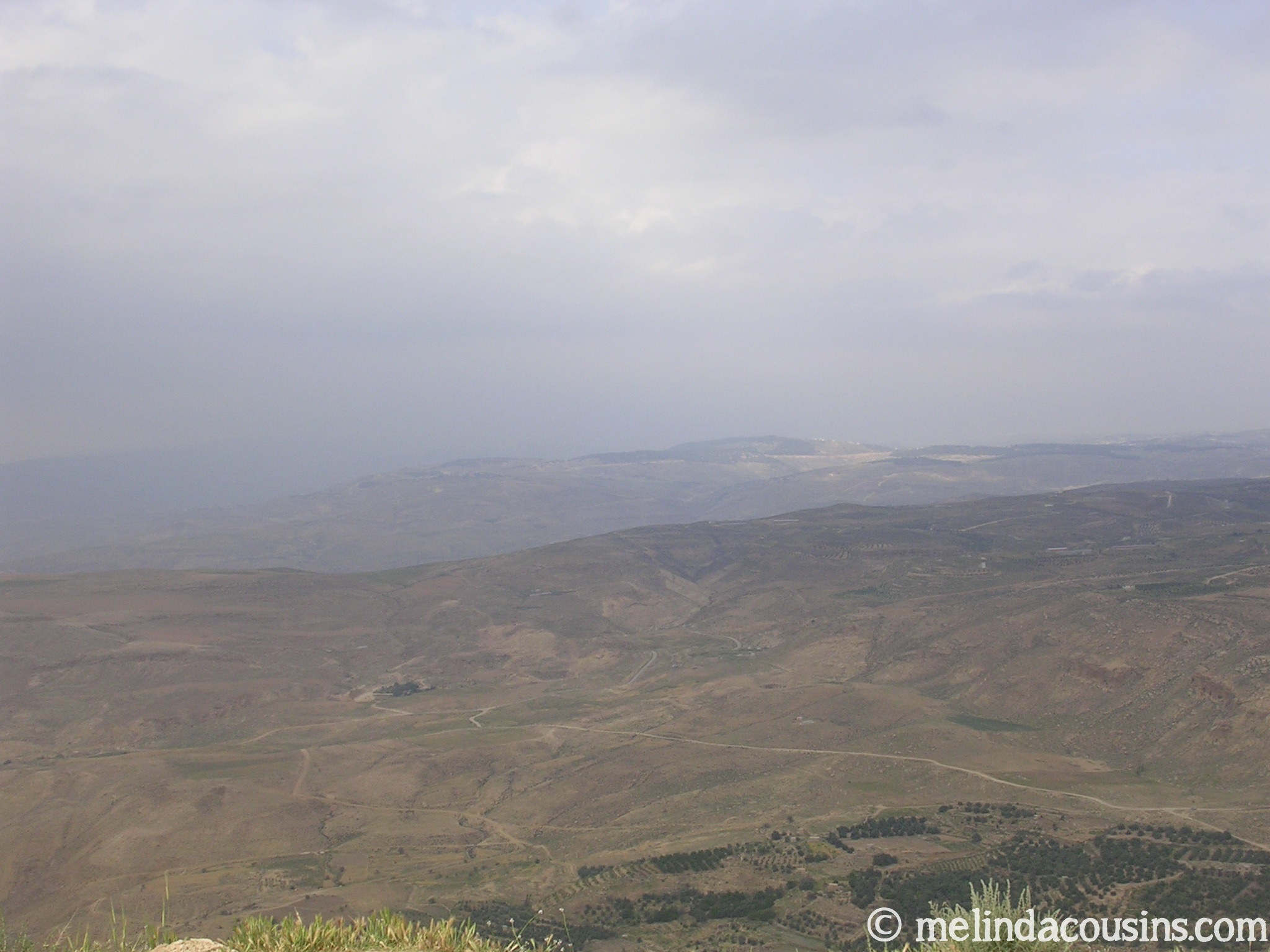
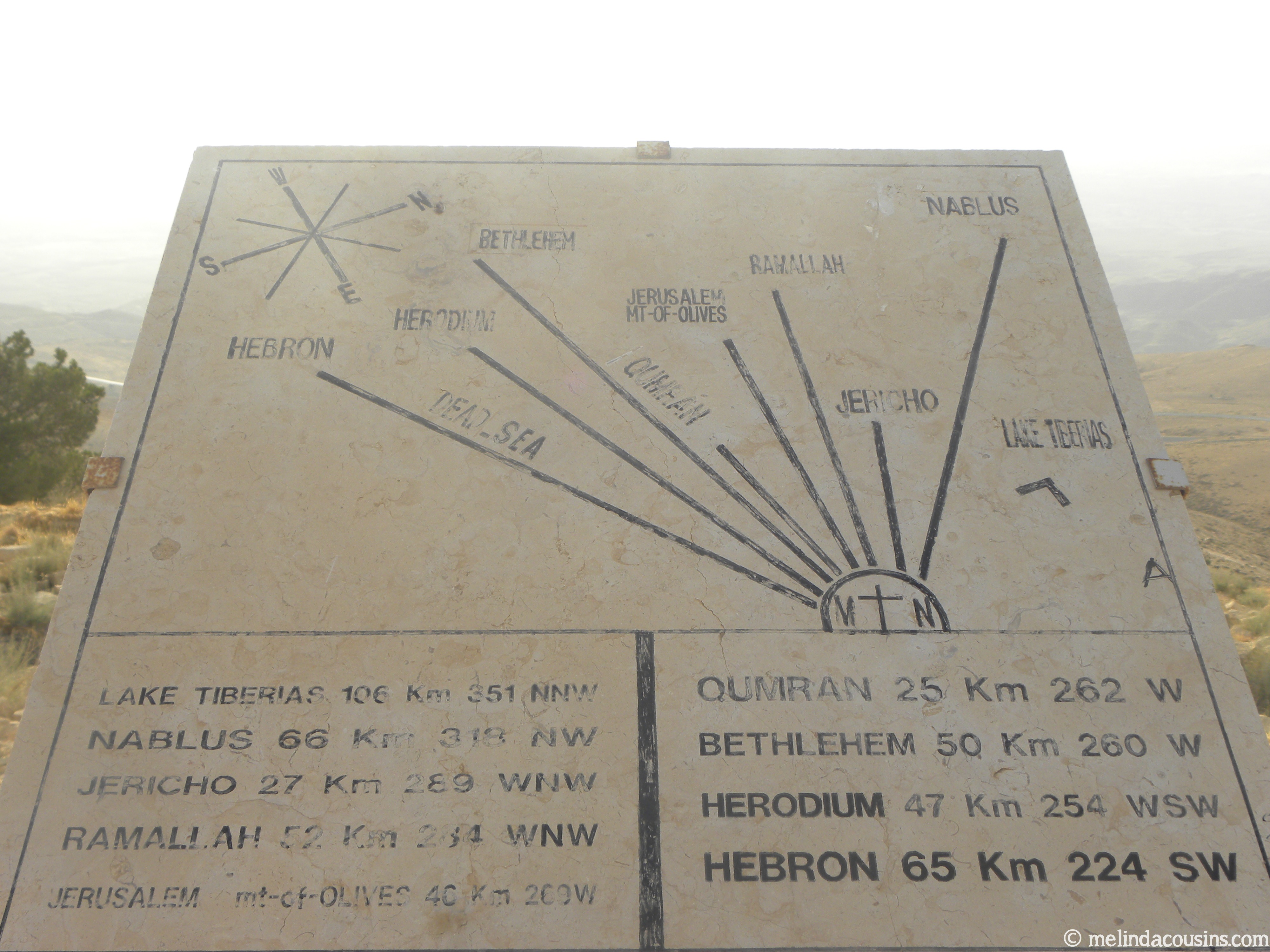
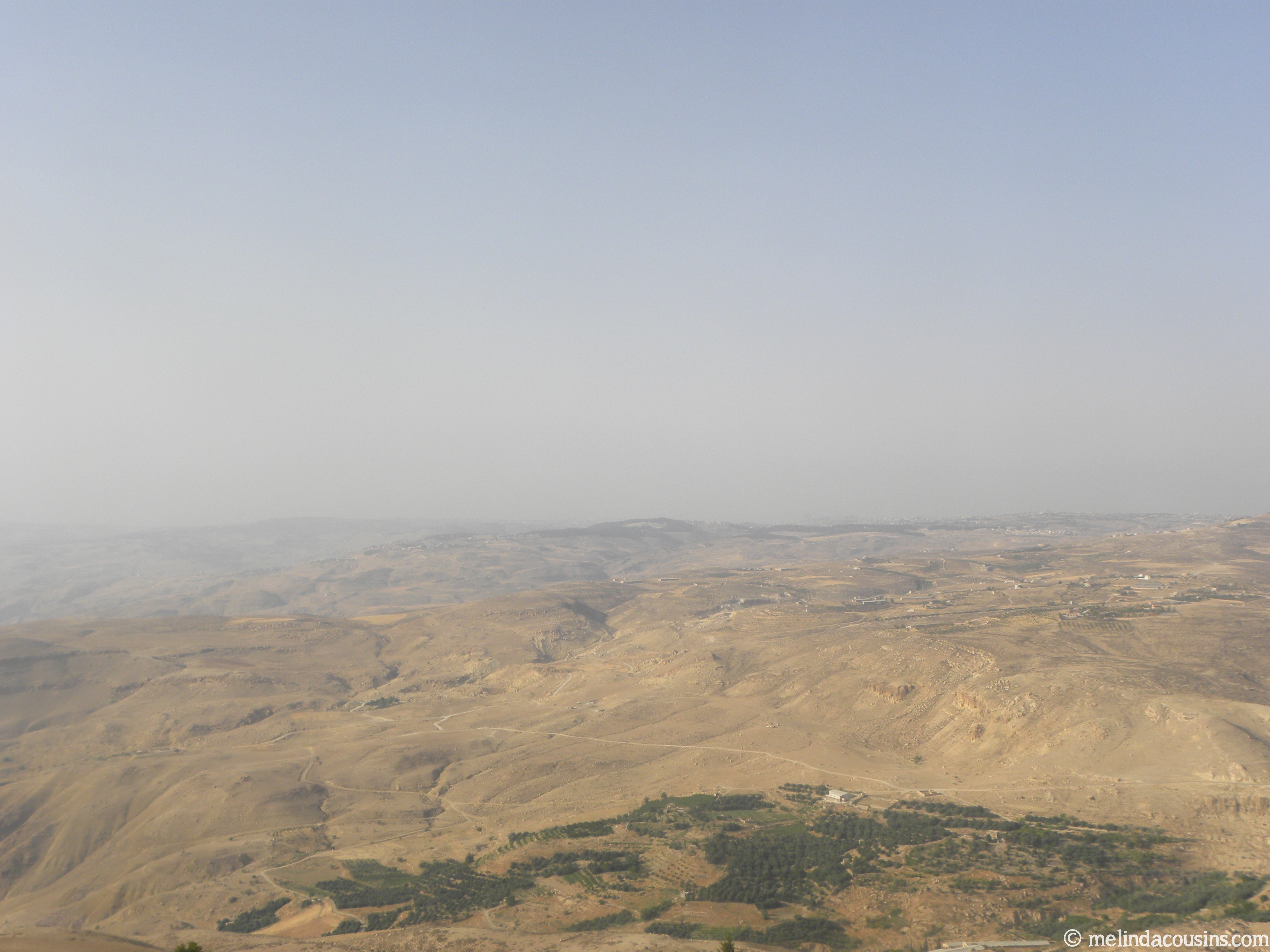
Apparently on a very clear day you can see Jerusalem: it’s only 40 km away. Today, that short journey can still take quite a few hours, as it requires crossing the land border between Jordan and Israel, which can take quite some time. (Our study group from 2012 could tell you a tale about that!) But to stand so close to so many places from so many Bible stories, looking out at them laid out before you like a map is a reminder of the reality of historical experiences that lies behind the text.

Geographically, the hills and valleys, deserts, rivers and seas of Israel are all before you, waiting to be discovered, evoking all the historical events that have taken place there.

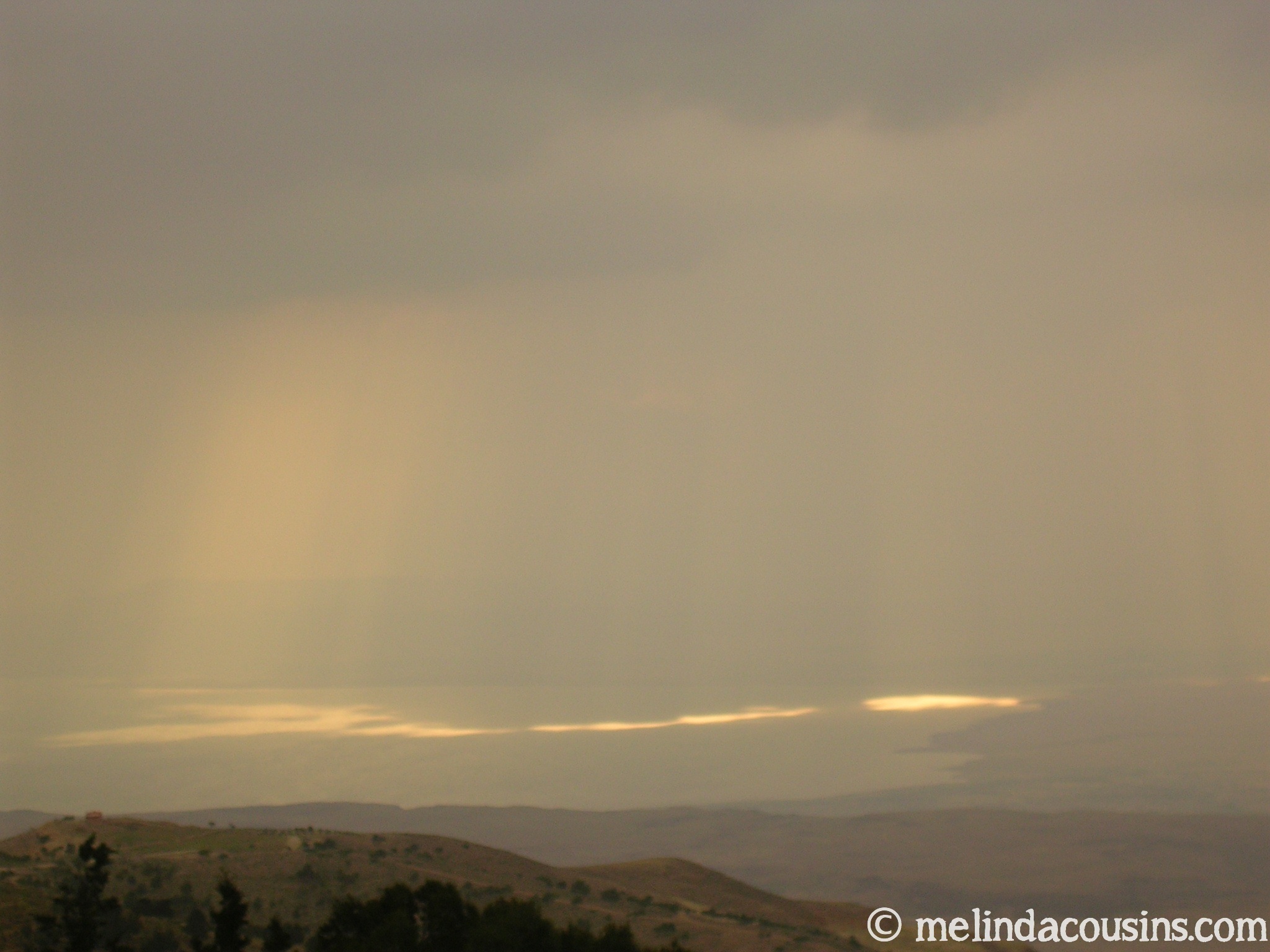
The first time I visited was a cloudy, grey day, and the view was very limited. But just as we were looking out towards the Dead Sea, the sun broke through the clouds in a few places. Suddenly spots on the horizon lit up and we felt like we had just a momentary glimpse of the excitement that Moses must have felt in this place.

What did I learn from Mt Nebo?
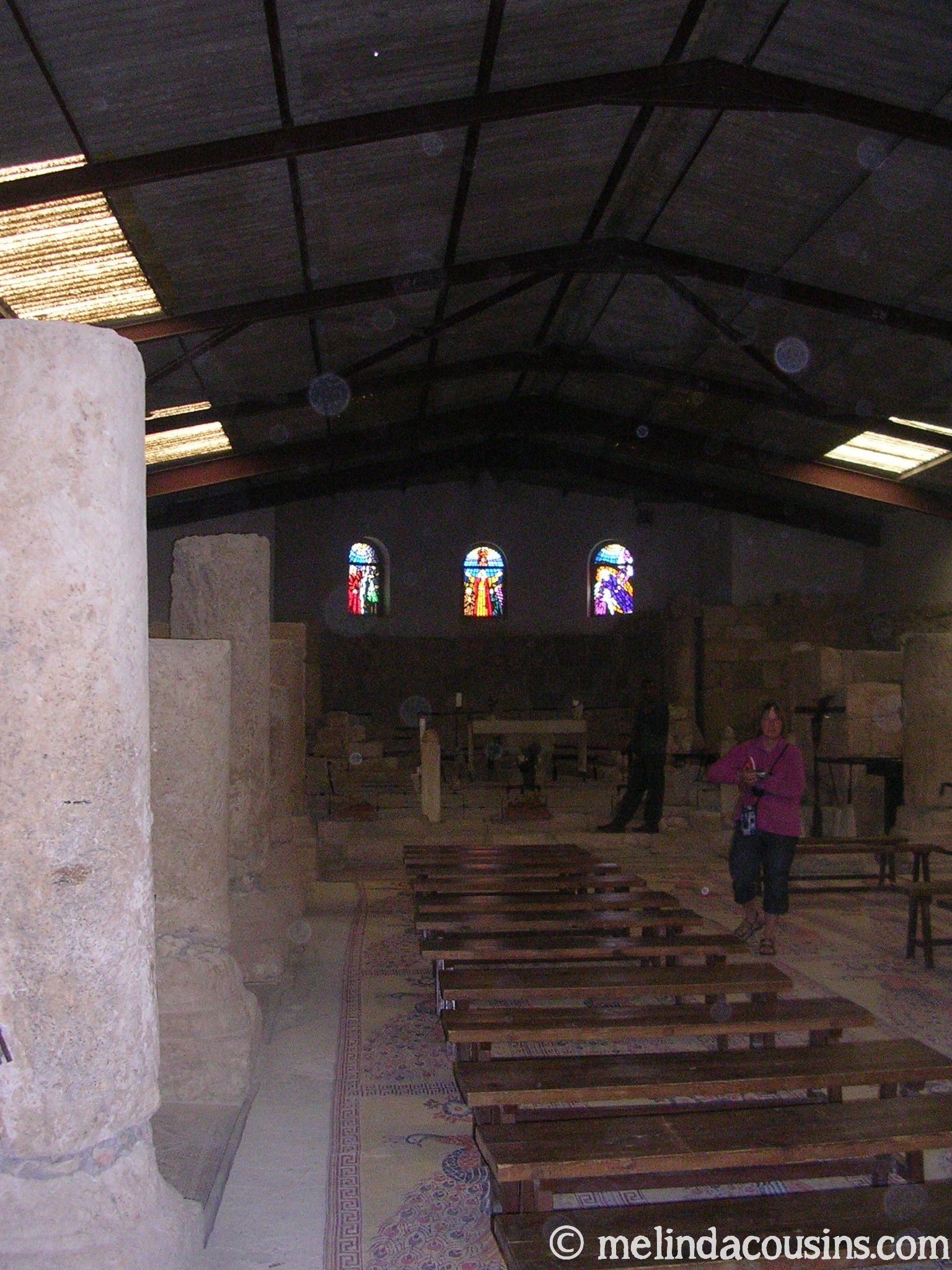
A church from around the 4th century has been excavated on the mountain, showing something of the way followers of Jesus in times past chose to remember and celebrate on this spot. It makes me wonder what they felt here, what they learned here, how God met them here too.

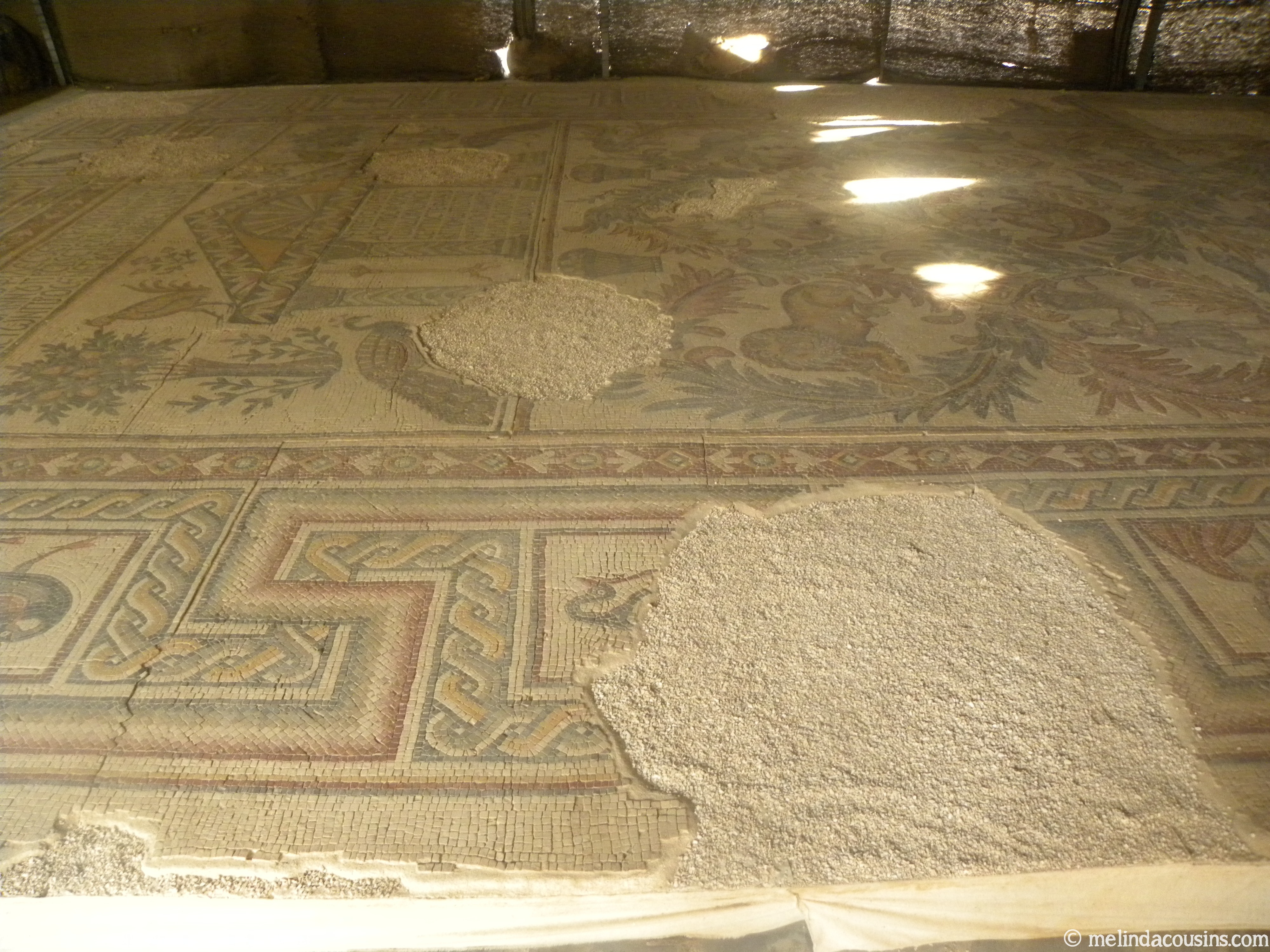
The floor contains a number of well preserved ancient mosaics, testament to their desire to pass on truth and beauty in their own way.

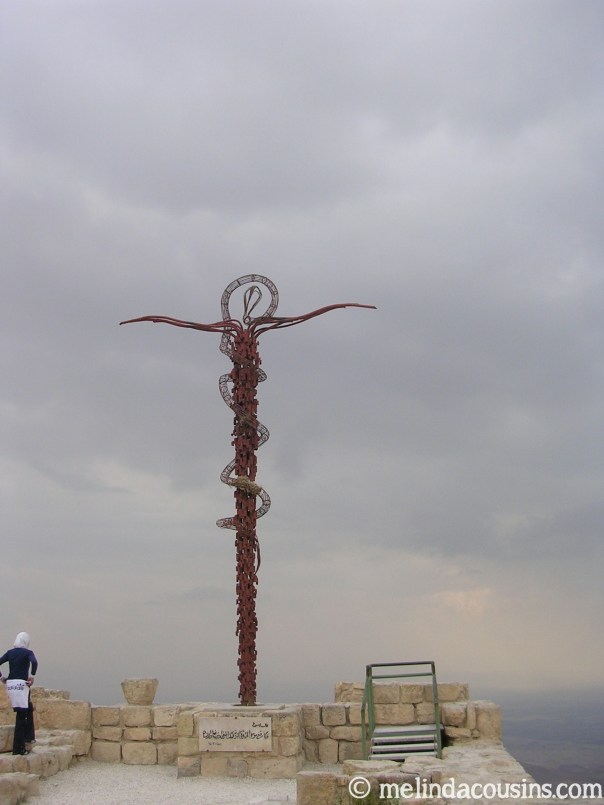
This sculpture on Mt Nebo, combining the images of serpent and cross, portrays the words of Jesus to Nicodemus in John 3:14-15: “As Moses lifted up the serpent in the wilderness, so must the Son of Man be lifted up, that whoever believes in him may have eternal life.” It is a reminder that all the promises connected to the land come together in the person and work of Jesus Christ. That this history finds fulfilment in Him. It is also a reminder to me that people have met Him here in this place, where I too was able to meet with Him … but that I can meet with Him in faith any time, any where.




 Thinking Out Loud ...