Tag Archives: History

Today would be a good day to be in Petra

Petra makes it on to plenty of lists of places you ‘must see before you die’ and ‘wonders of the world.’ It has appeared in numerous movies and books. It certainly is a beautiful and impressive place. It is somewhere I could easily revisit as I’m sure there is much more to explore. It is an impressive looking place! But as I reflect on it today, I’m also realising that the time I’ve spent there hasn’t really left me with much of a lasting impression of what it means or who it represents.
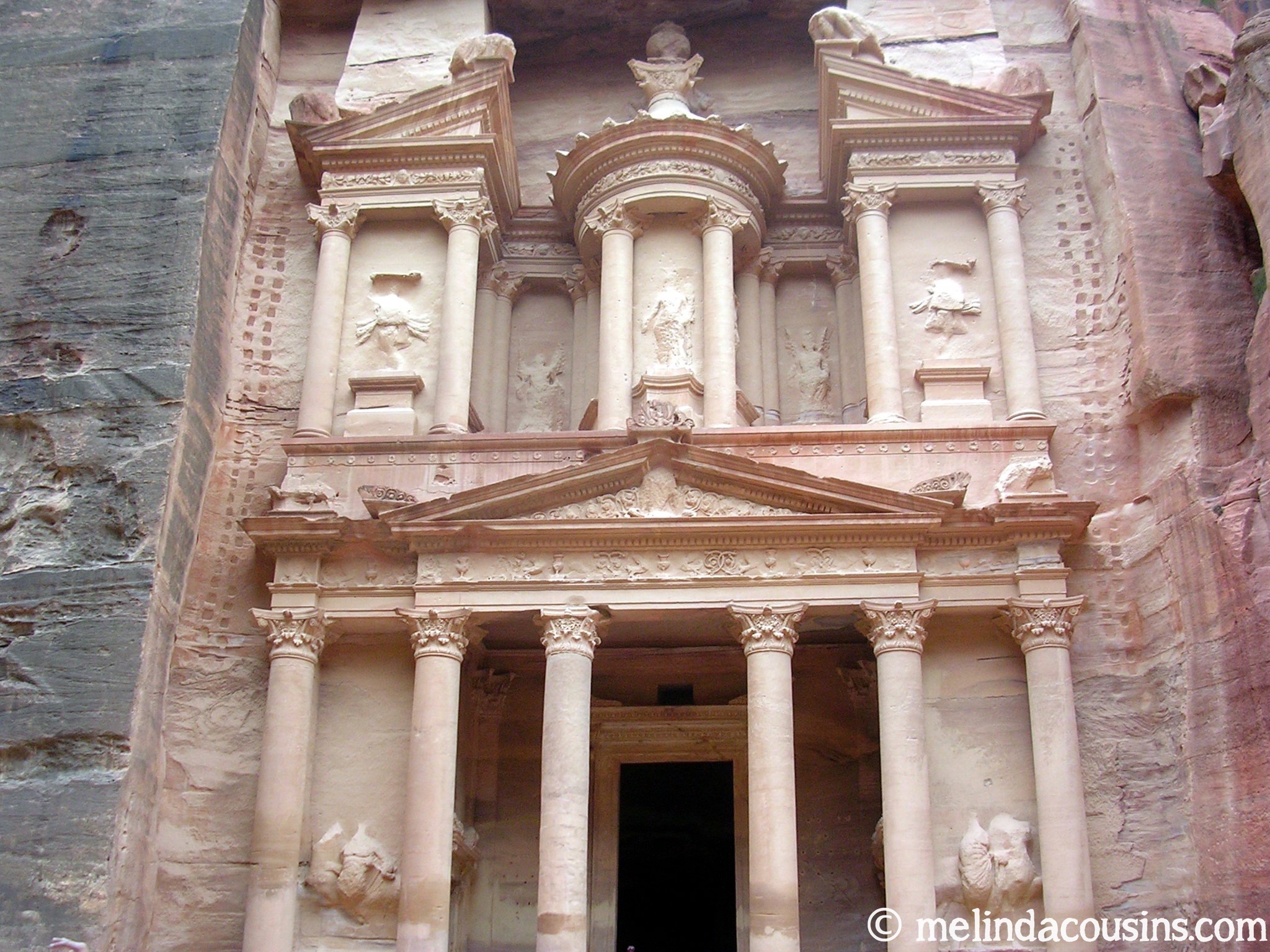
treasury

What did I love about Petra?

Petra was unknown to the western world until the early 1800s and its not hard to see why. Looking out over the rugged landscape, it is difficult for those of us unused to this kind of region to imagine such a city is to be found hidden in there.

terrain

Petra is sometimes called “The Rose City” due to the colour of the rocks. They are absolutely stunning, whether from far away or close up.

rock-detail

The entrance to the site is through a 1.2km long siq, or narrow gorge. Along it runs the remains of an ancient aqueduct, as well as some carvings such as this worn image of a camel caravan.

camel-sculpture

There is a moment all travellers experience of seeing the impressive Treasury building suddenly come in to view through the narrow chasm of the siq that has a “wow” factor like few other places in the world.

treasury-from-siq

The treasury building (Al-Khazneh) is Petra’s most recognisable image and standing in front of it certainly provokes awe. Interestingly, however, it is basically a façade. There is nothing inside but an empty, uncarved room. My understanding is that rather than a storehouse for treasure as the name suggests, it was a mausoleum, a place to honour the dead.
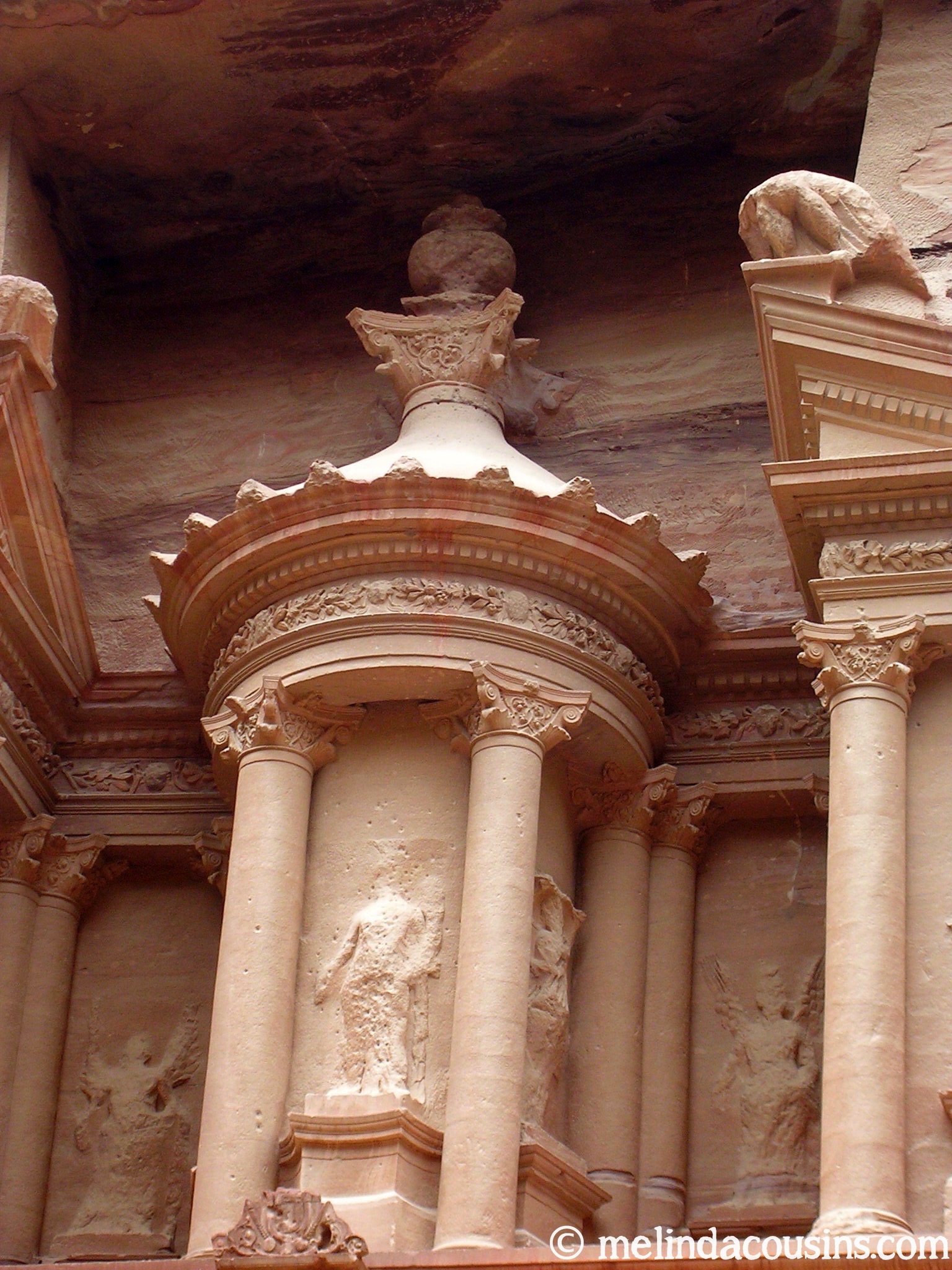
treasury-close-up

The theatre in Petra is at first glance similar to many Roman theatres I’ve seen elsewhere … until you realise that while they were built using rocks, this was carved out of the existing rocks. I love the idea that like Michelangelo who could see a stunning statue of David in a lump on rock, the Nabateans who built this place could imagine and then create this from the natural material already there.

theatre

What did I learn from Petra?

Each time I have been to Petra I have seen new things – both because I have walked into new corners of the site, and because new parts of the site have been uncovered by archaeologists.
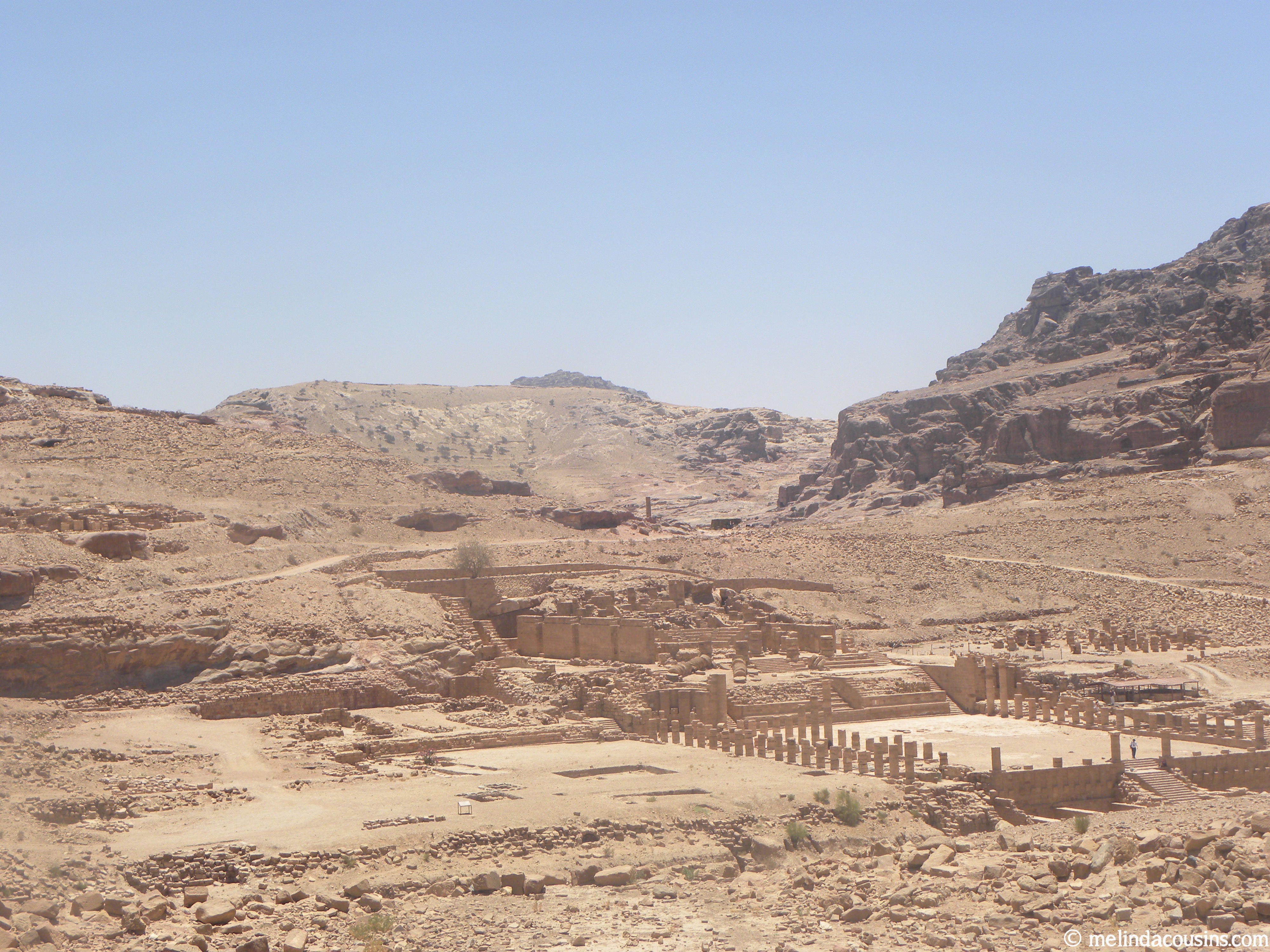
ruins

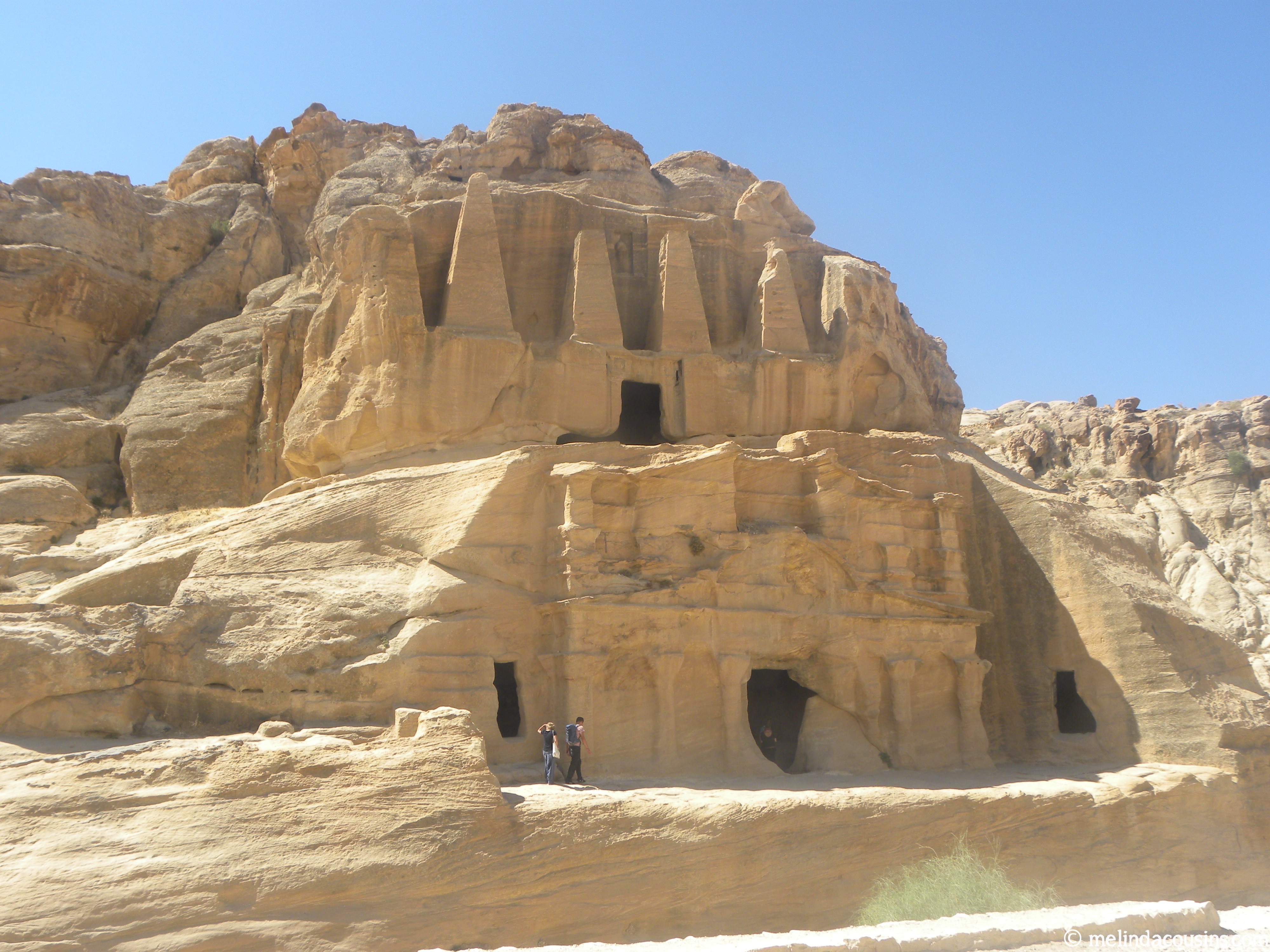
Amongst the guides I’ve had, there is some debate about whether some of the rock hewn dwellings were houses or tombs, places for the living or for the dead. Either way, the time and skill displayed by these people (without modern tools!) is impressive.
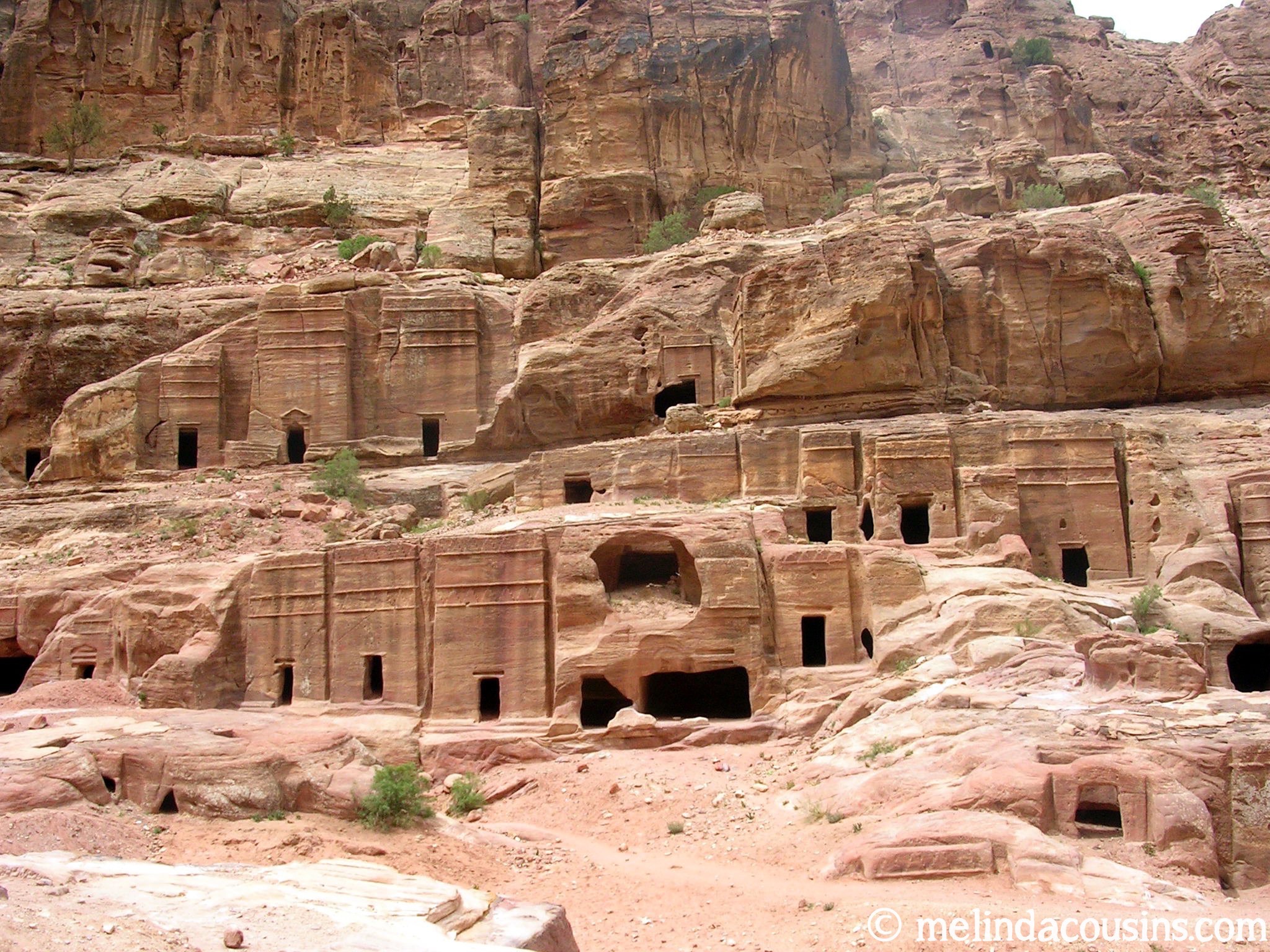
tombs-3

Petra was home to the Nabateans and it remains their primary legacy. Unlike the Romans, whose structures and artefacts are found all over the place, it is really the only thing they are remembered for. For me, however, it seems a somewhat confusing legacy – raising more questions than answers about who they were and what they valued and why they did what they did.
tombs

So like many ancient sites, Petra reminds me that what we leave behind in this world, impressive as it may be, can never capture the complexity of who we are and how we live. That is found only in our relationships and our impact on other people, which cannot be seen in our structures or possessions or bank accounts …

sunsetAs the sun sets over Petra above, as the sun sets at the end of each day, its worth asking the question of how we are investing ourselves in the things that will truly last. Am I working on things that merely look impressive or investing in that which has greater substance and ongoing influence? Because one day the sun will set on my life, and I’m not sure I’d want people to look at what is left behind and think “Looks great, but what does it mean?”

Today would be a good day to be in Salisbury, UK (or the difference between space and place)

My sister reminded me this week of some of the places we have travelled together over the years. So in thinking about where I’d love to be spending time this Monday, I decided to reflect on a place we visited together ten years ago. Salisbury in the UK is well known for two of its stone structures: Stonehenge and Salisbury Cathedral. It is also home to the site of Old Sarum, a settlement dating back some 5,000 years. We were particularly excited to stumble upon this site, as we both read the book Sarum by Edward Rutherfurd while in high school after it was recommended by our beloved Pa. It remains on my list of favourite reads. With the areas around Salisbury as its setting, the novel tells the history of those who lived there from ancient to modern times, bringing this place to life.

stonehenge-2

What did I love about Salisbury?

I love the lush green beauty of the English countryside, even on a grey day!

scenery

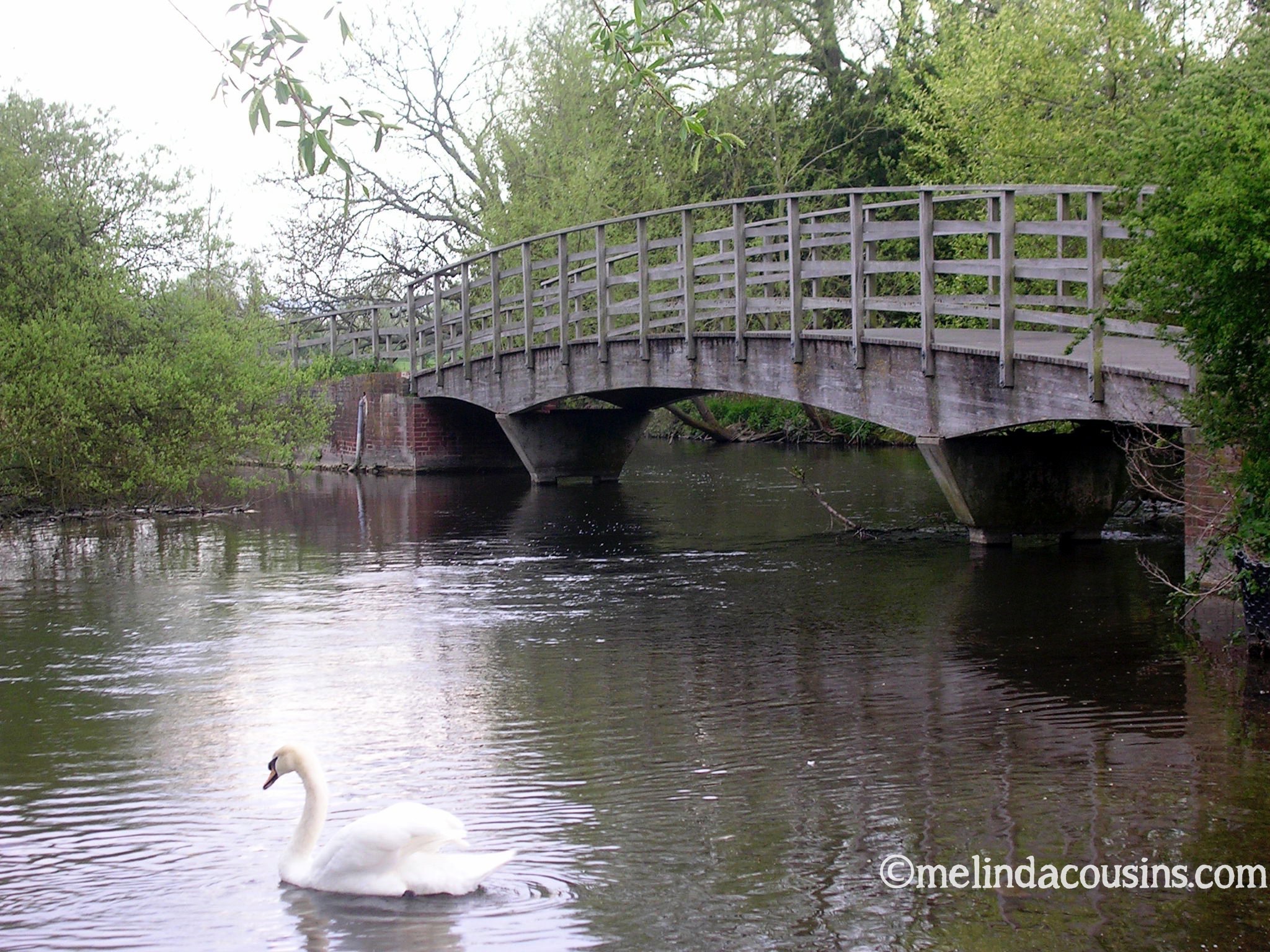
The river with its swans was particularly picturesque.

swan-on-river

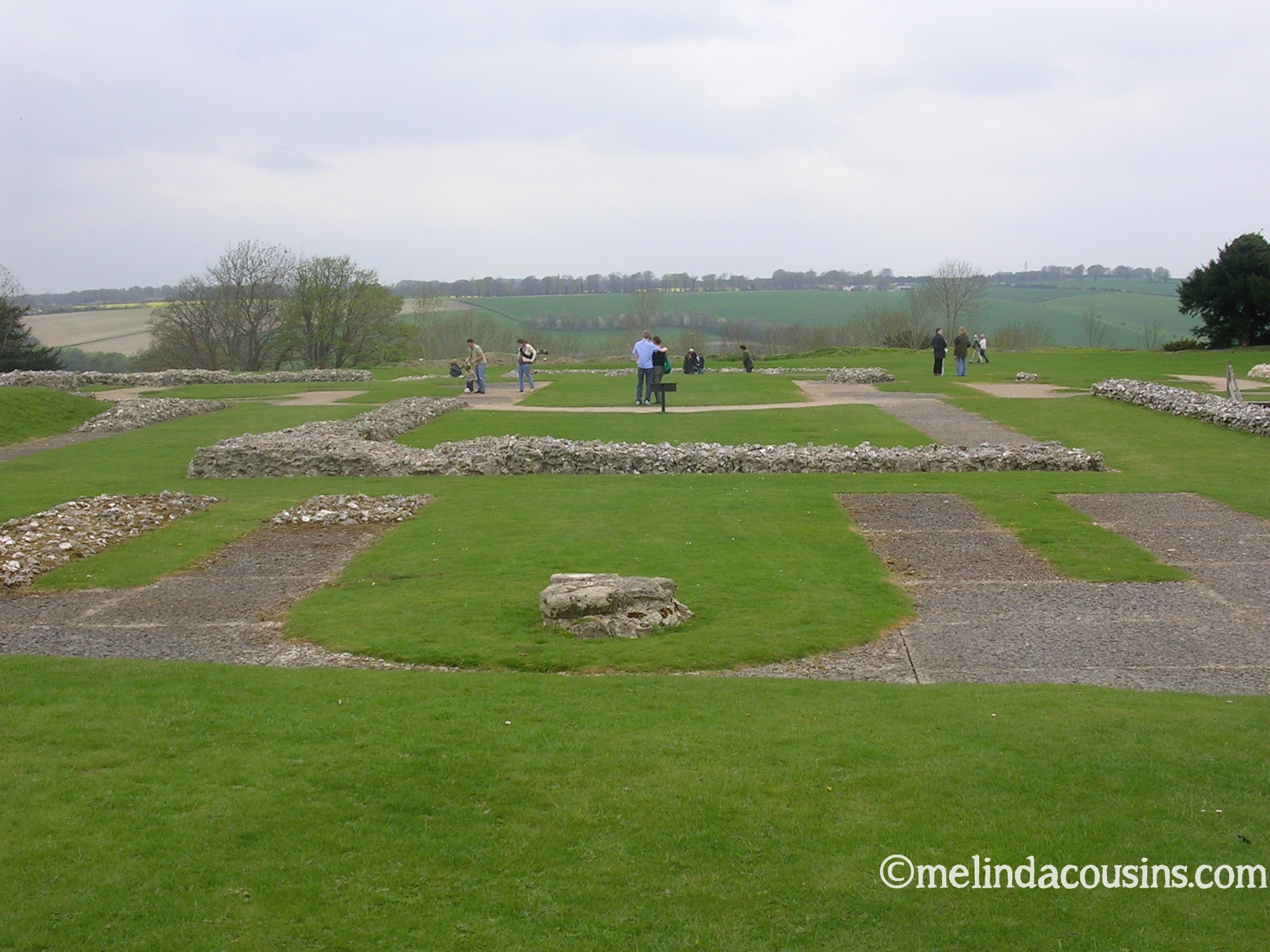
I loved seeing the remains of the ancient site (Sarum) …

sarum-ruins

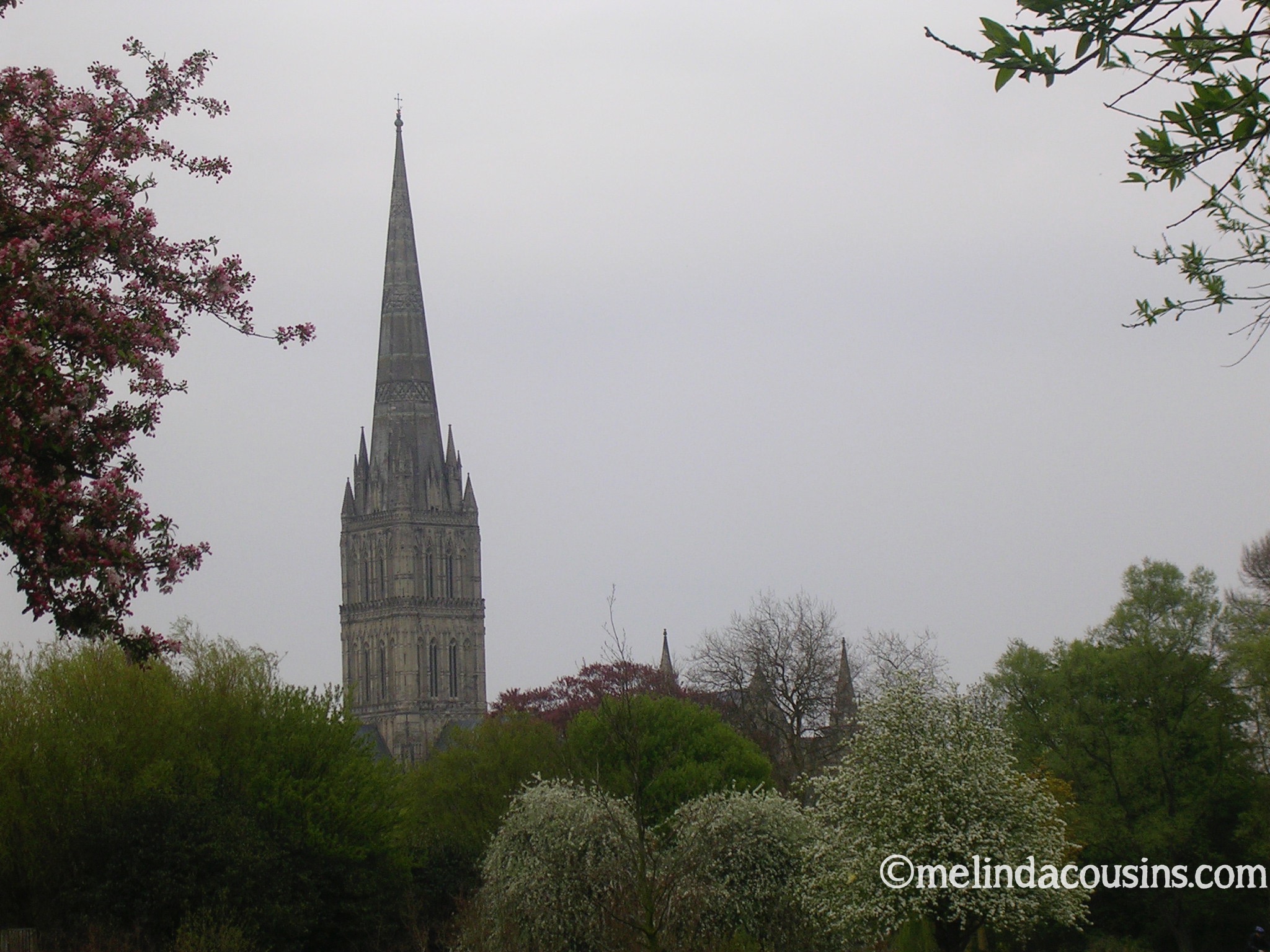
… as well as its view towards the more ‘modern’ (but still quaint) town (Salisbury).

cathedral-distance

What did I learn from Salisbury?

Salisbury is full of beautiful spaces. But it also makes me think about the difference between space and place. Space, to my mind, is the more abstract concept of physical location generally. Place, a subset of space, is that which has been named and given significance and meaning. Place matters because of what has happened in that particular space. And so while I loved the beautiful spaces around Salisbury, it is the significance of its places that has me remembering and pondering it today.

cathedral-spire

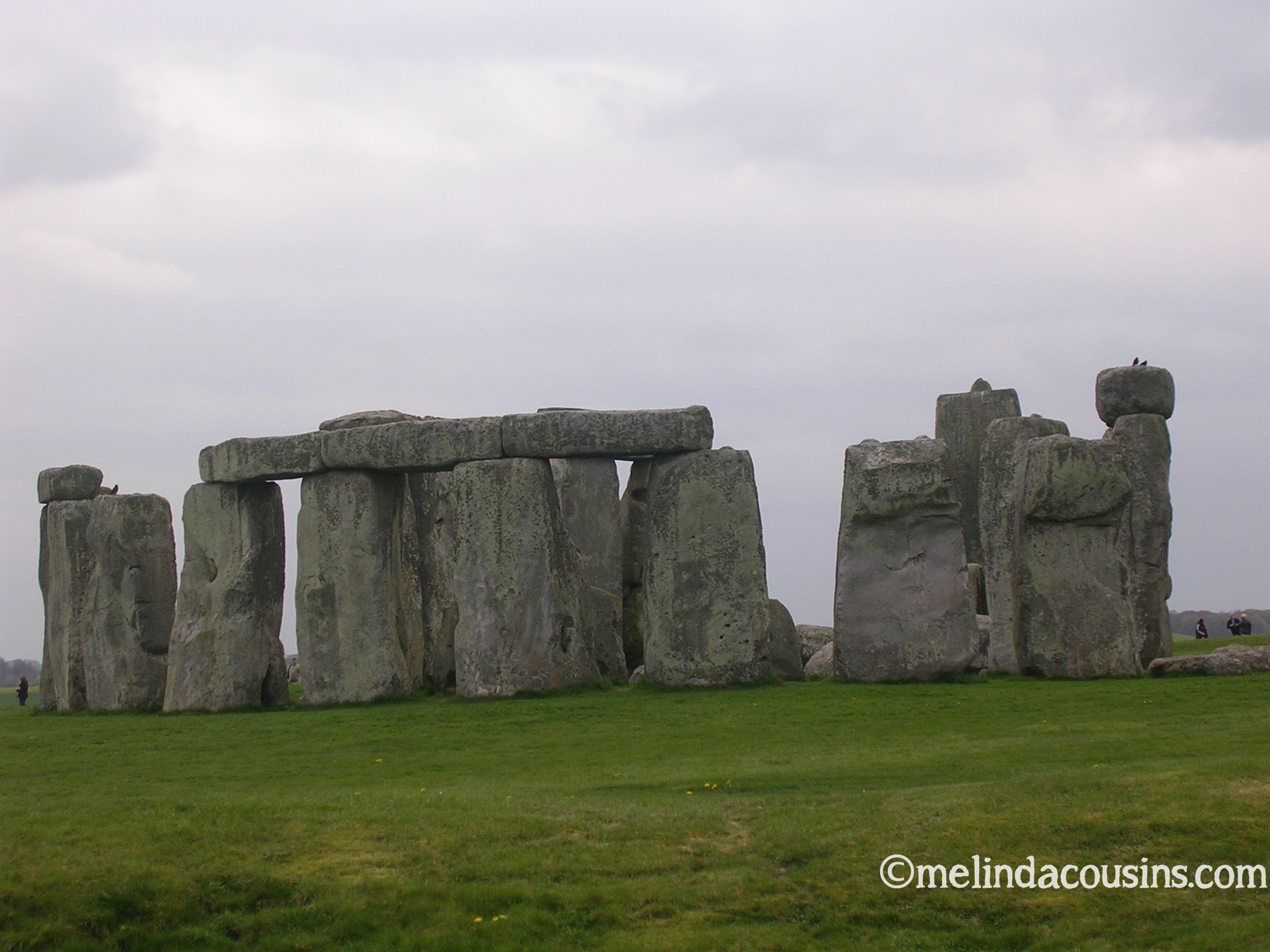
Stonehenge is a place, one that obviously had meaning and significance to those who established it, even though we still can’t seem to figure out exactly what!

stonehenge-1

Sarum is a place, one that has significance because of how early and how long it has been settled.

sarum-sign

Salisbury Cathedral is a place, one that has a 750 year history of worship and reverence for the people of God.

cathedral-side

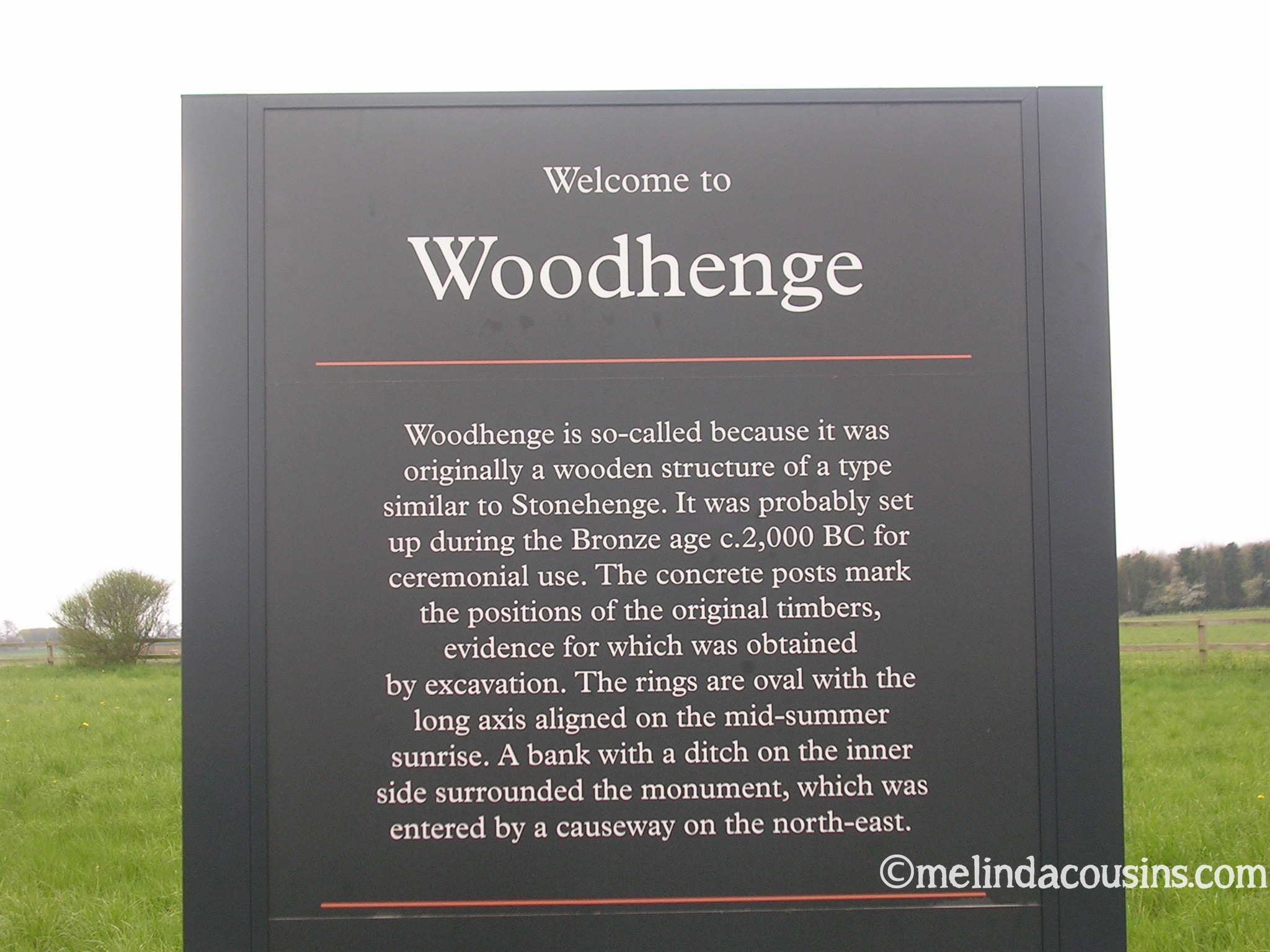
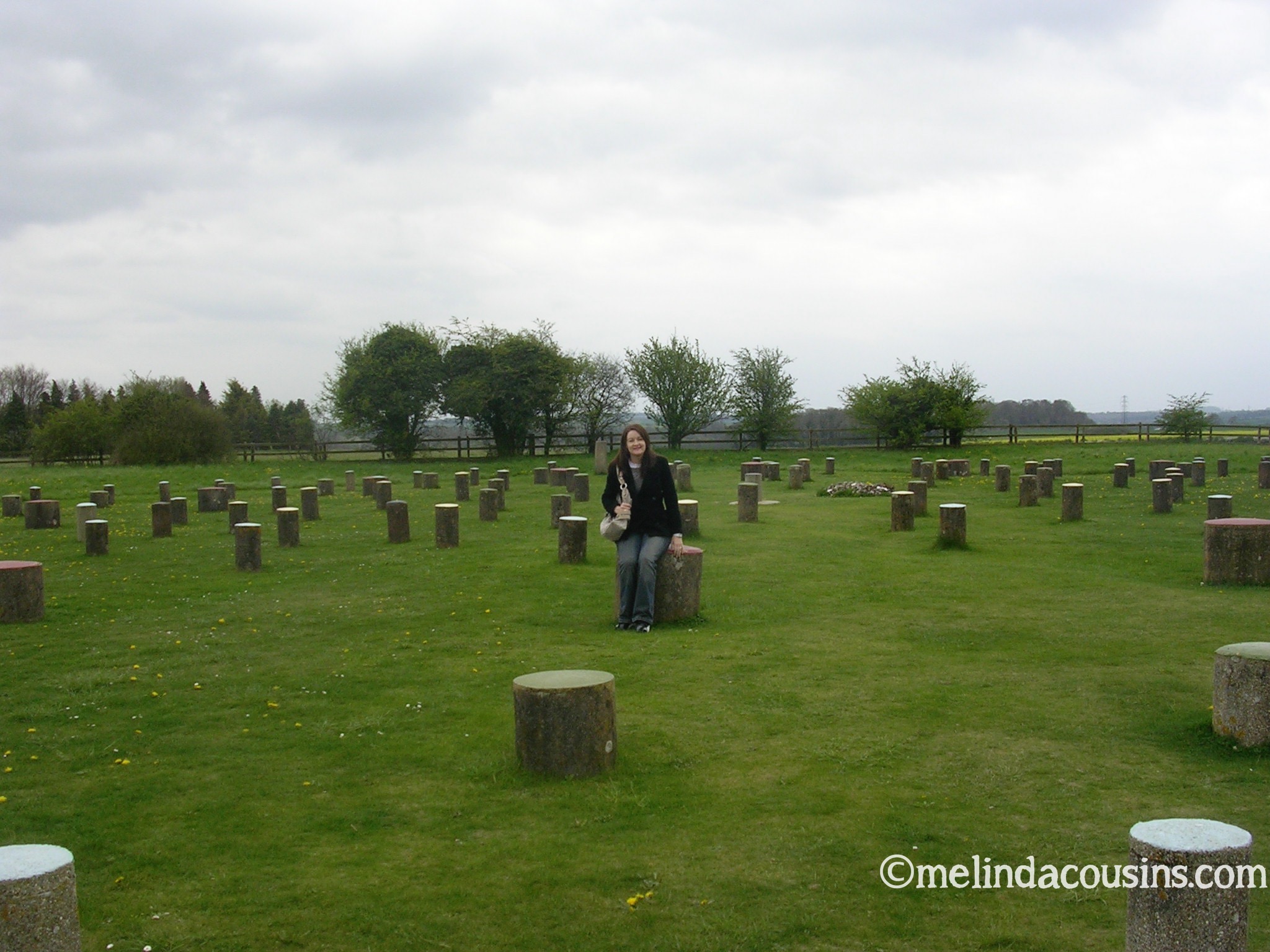
And Salisbury, for me, is a place, because of the time I shared there with my sister. We laughed together over our visit to Woodhenge, a place far less popular with tourists than its rock-hewn cousin. (Note to ancient monument builders, if you to be well-remembered, try to build with materials that last!)

woodhenger-sign

woodhenge-carolyn

And we cried together in Salisbury Cathedral, as we prayed for some of the difficult situations in life we were experiencing at the time.

cathedral-inside

And its that experience that perhaps even makes Salisbury a sacred place for me – a place where my sister and I met together in the presence of our God and knew His mercy and love upon us. I believe that can happen anywhere, and everywhere. But I also know that sometimes it is important to mark out that kind of place,  to place a physical or metaphorical stone of remembrance there (a common practice throughout the Old Testament), so that we don’t forget. And I think that is really why I’m remembering Salisbury today.

There’s no such thing as history (or Today would be a good day to be in Hanoi)

It’s time for a Monday morning travel post … where would I like to be spending the day today? One of the most recent places I have visited was Vietnam. The friendly people, delicious food, warm weather, and stunning scenery made this a great tourist destination. But the complicated history, ongoing after effects of war, and the challenges of relationship given the baggage of the past raised lots of questions for me as well. Reflecting on visiting the capital city today gives me the chance to ponder a thought I had often while there, something I have been known to say to my Old Testament students: “There’s no such thing as history.” I mean that in two different ways, but you’ll have to read on to find out which.

Masouleum back

What did I love about Hanoi?

I had a wonderful few days in Hanoi. Day or night, there were always people around, smiling, laughing, enjoying life.

Street market

And the food … I’m not sure there is such a thing as bad Vietnamese food.

Lunch

What I did learn was that it’s all about the sauces – something that looks simple is taken to a whole other level by an amazing complex Vietnamese sauce!

Dinner

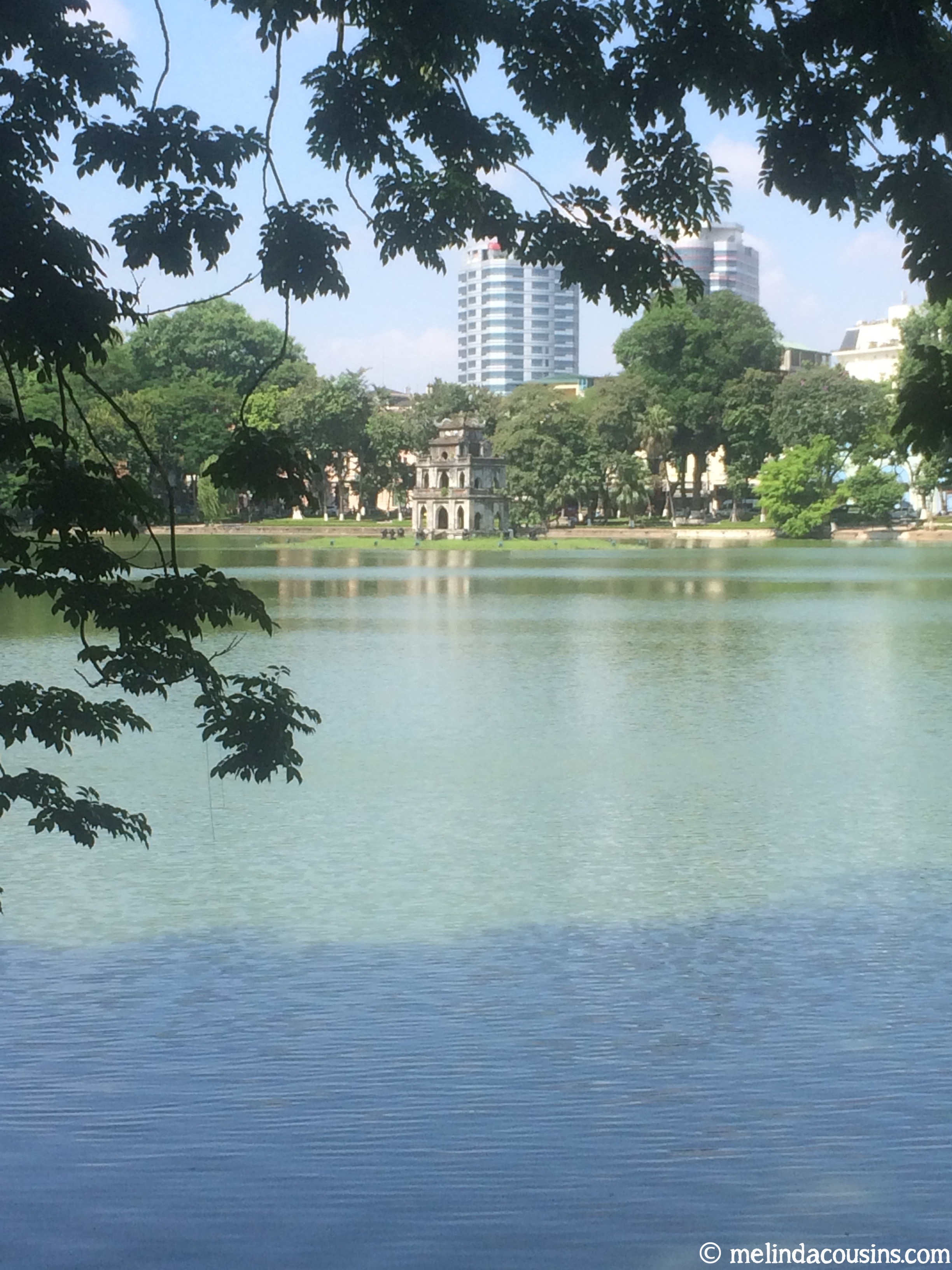
And I do love history, so I loved seeing glimpses of the past and the present side by side in the centre of the city …

Lake with new and old buildings

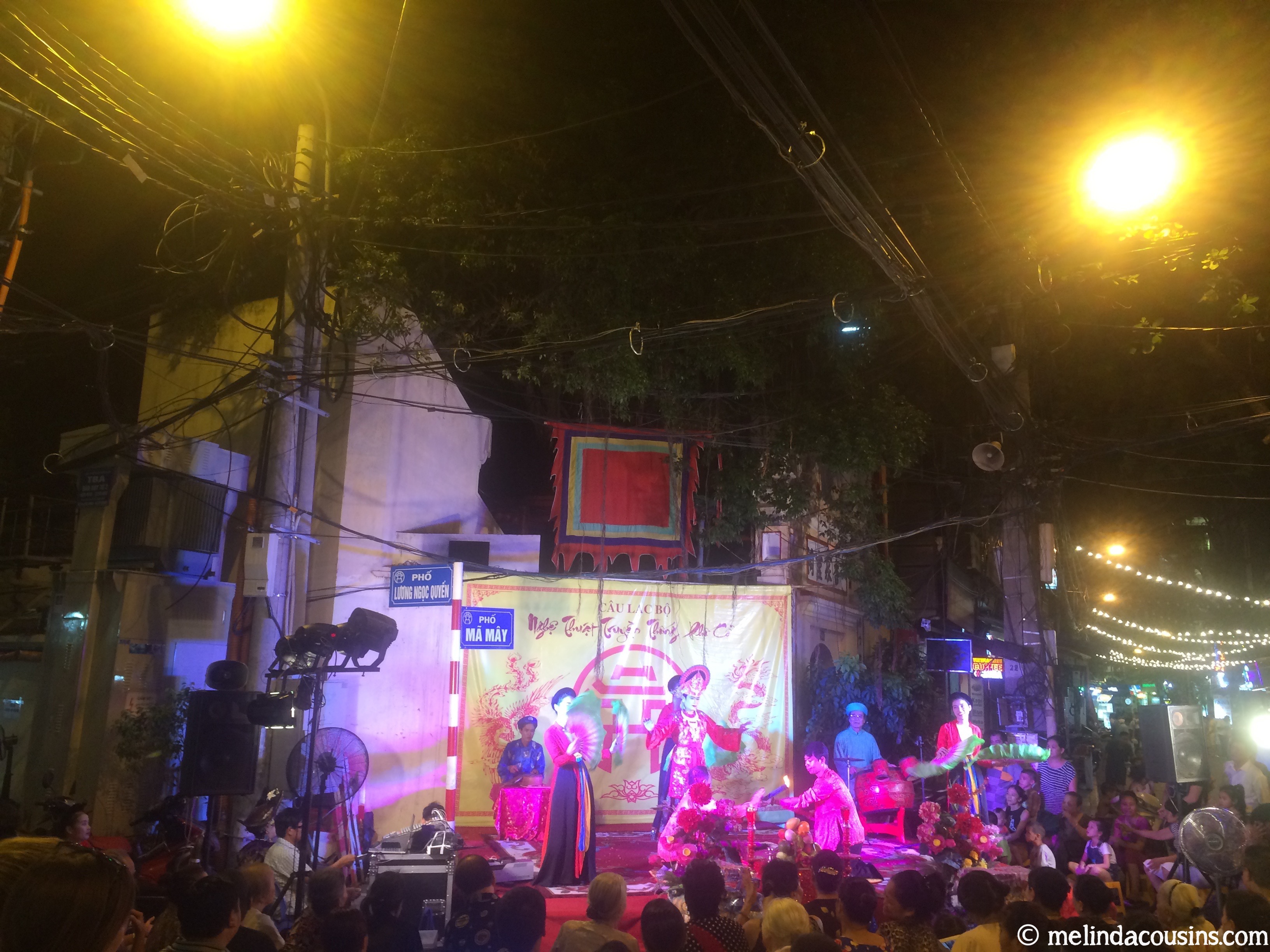
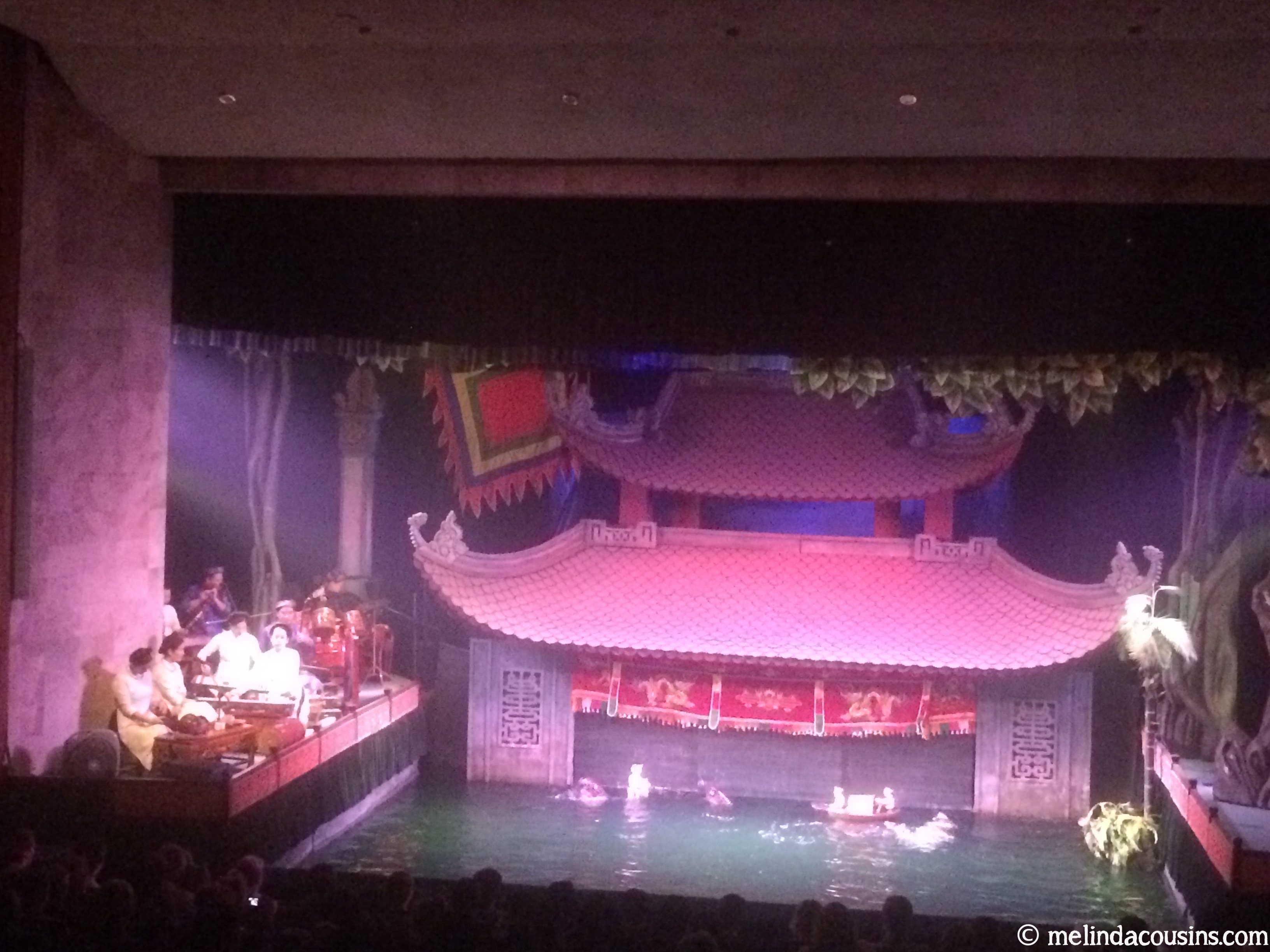
.. in a modern performance of the centuries old art of Water Puppetry …

Water puppets

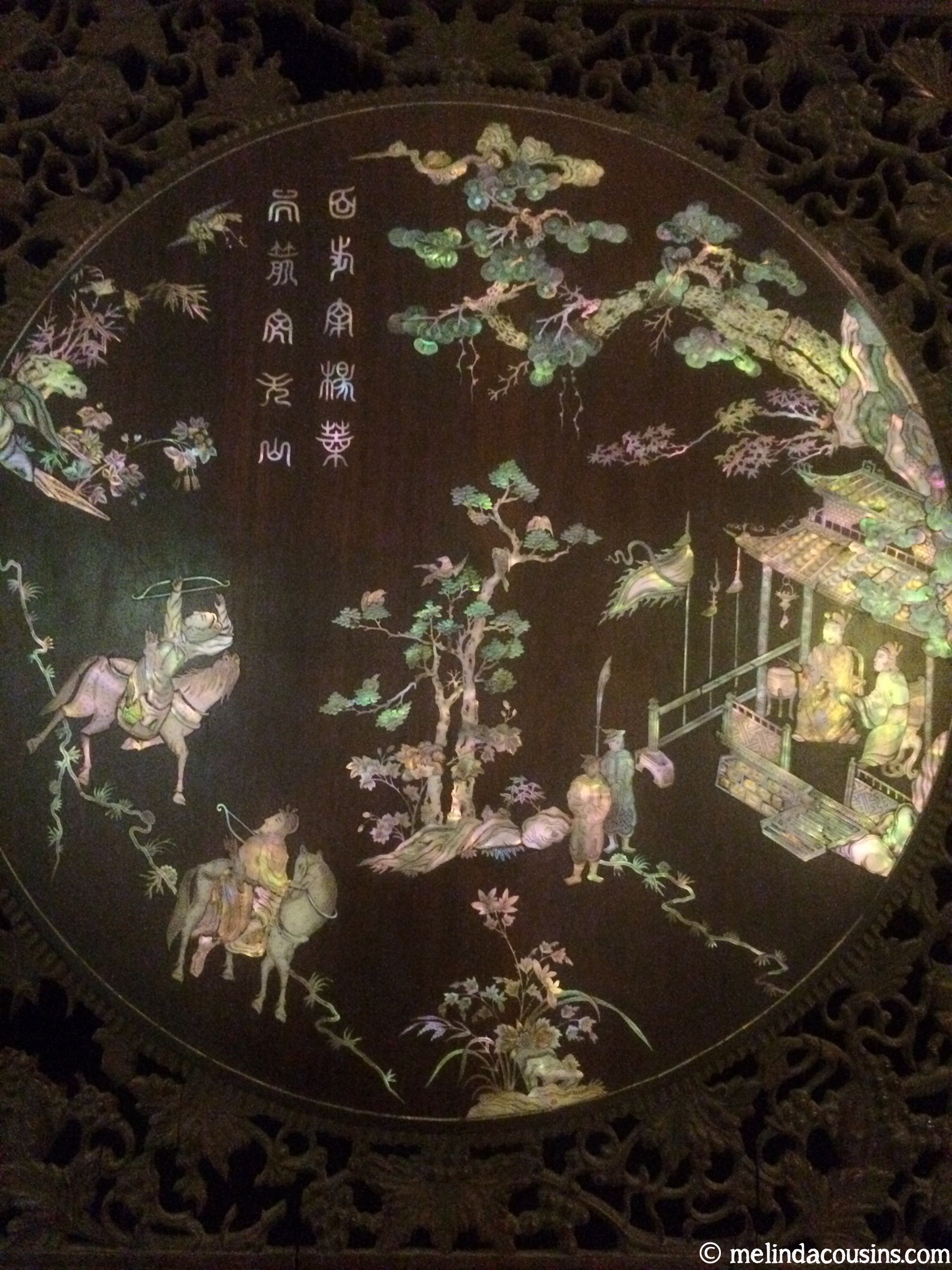
.. and in the beautiful artefacts in the history museum.

Wardrobe detail

What did I learn from Hanoi?

As well as loving the history,  the thought I kept coming back to was “there’s no such thing as history.” First, in the sense that there is really only historiography (written history) or people’s perspectives on history, rather than any objective reality of the past that we can access. And secondly, in the sense that the past is never just the past; its effects echo and resound in the present and will continue to do so no doubt long into the future.

Outside history museum

One of the great things about travel is the opportunity to see another perspective on the history of the world, to put yourself in someone else’s shoes. Certainly that is the case with Vietnam, particularly when it comes to the War. Even what the War of the 1960s-70s is called is a complicated question, and really depends on whose perspective you are looking at it from. I grew up calling it “The Vietnam War” but it’s kind of obvious to realise that a person from Vietnam would not use that term.

Sign

Seeing artefacts, photos, and in particular the written commentary on them in the history museums was a key reminder to me that ‘history’ is always written from a particular perspective. I saw some tourists who seemed frustrated, even angry, because it felt to them that history was being told ‘wrongly’. But who is to say that we haven’t also learned it wrongly? Of course we are all going to see it from the perspective of the country in which we grew up. Of course there are multiple sides to such complex stories.

Prison entrance

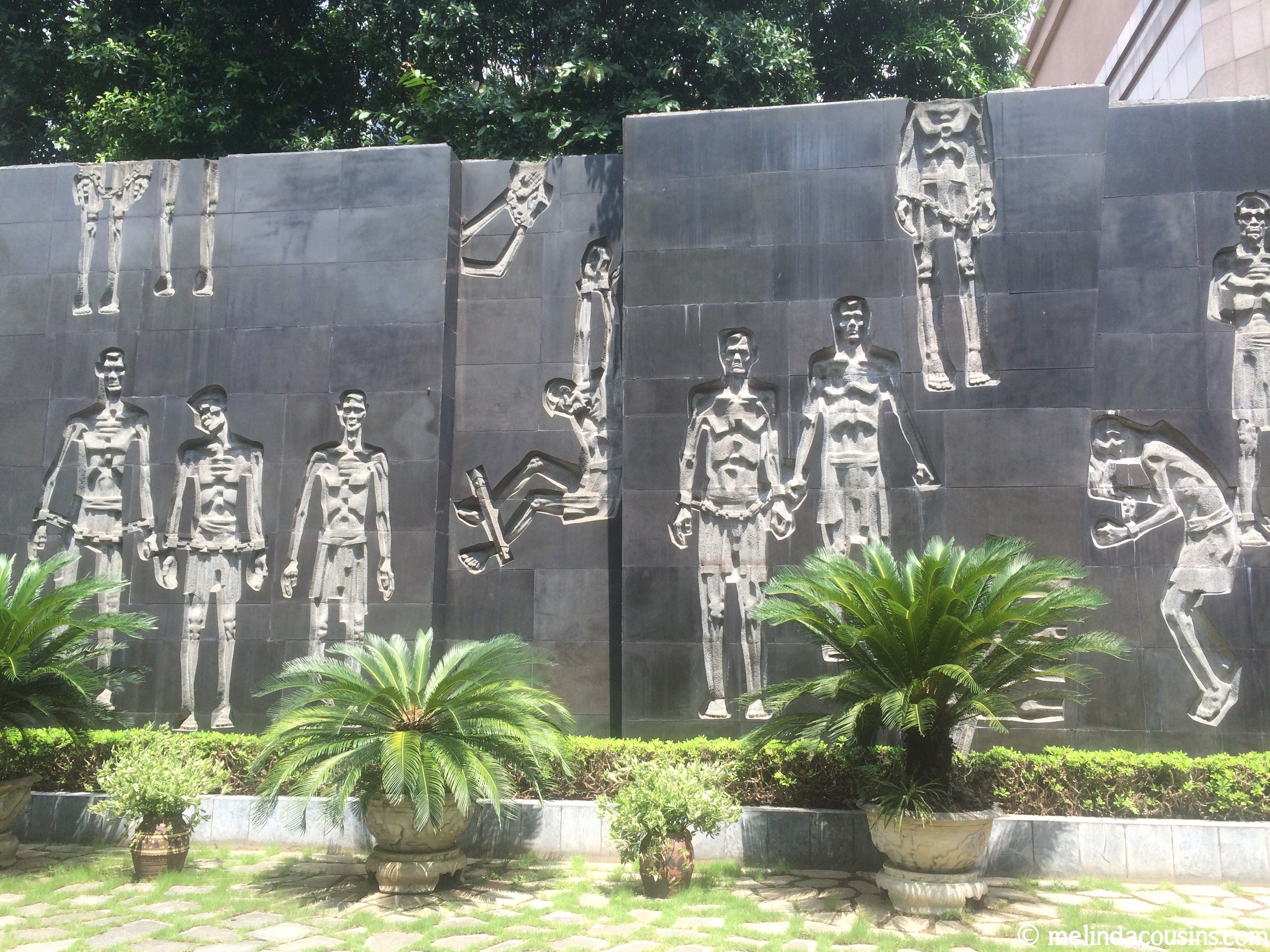
Visiting Hỏa Lò Prison (sometimes called the Hanoi Hilton) brought this to the fore. Half of the prison remembers the Vietnamese revolutionaries who were kept here as prisoners of the French and so, of course, tells the story from the perspective of being the oppressed.

Prison memorial

The other half of the prison remembers the American pilots who were kept here as prisoners of the Vietnam and so, it could be argued, tells the story of the perspective of being the oppressors, or at least those in power rather than those without power. I found it a fascinating place, because in the very same place, history is being told from these two very different perspectives. It’s a stark illustration of the fact that we all tell our stories from the perspective we find ourselves in, that history is not objective fact but interpreted experience.

Prison explanation 2

I hope I’m not sounding judgmental of the Vietnamese – that is not at all my point. I think we all do the same thing. That’s why it is so valuable to try to stand in another person’s shoes and think of how history looks from their perspective. Hopefully it gives all of us more compassion, more understanding, more forgiveness, and more humility, to do so.

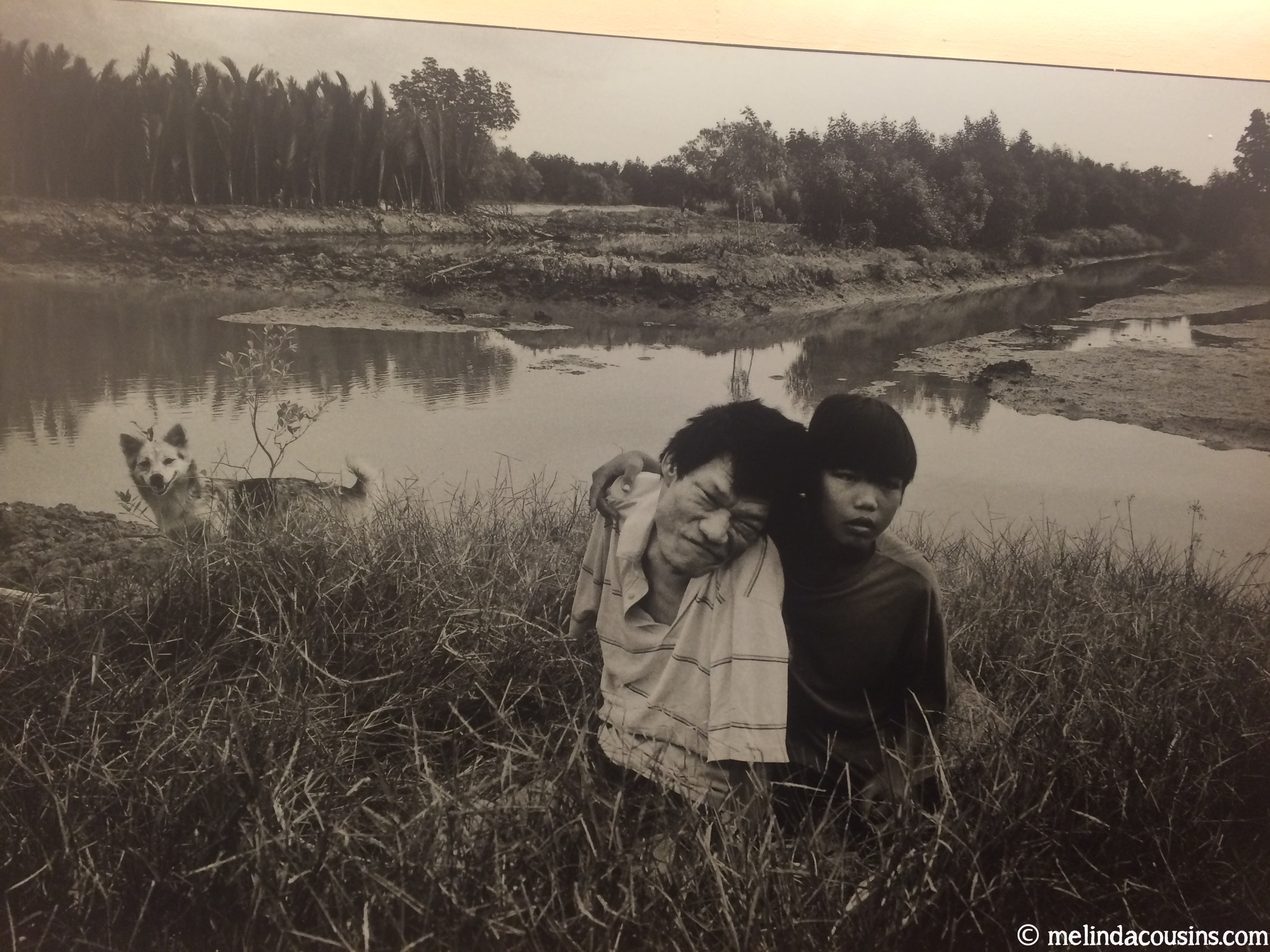
The second sense of the phrase “There’s no such thing as history” is the idea that the past isn’t gone and forgotten – its after effects linger on. Seeing the ongoing issues of disability and disease in people suffering the effects of Agent Orange some forty years on is both sobering and heartbreaking.

IMG_4203

And finally, due to my history, what you could call the accident of birth, I come to visit a place like Vietnam as a rich, white, Westerner. This shapes and colours how I am perceived and responded to, and is something that I cannot really escape, no matter how much I might like to.

Difficult as I might find it, it is good for me to see myself from someone else’s perspective. It challenges me as I consider how much of who I am is shaped by the perspective on the world I have inherited, and how I can continue to allow the culture, experiences, and perspectives of others to be used to transform me and open me up to others.