Tag Archives: History

Today would be a good day to be in Athens

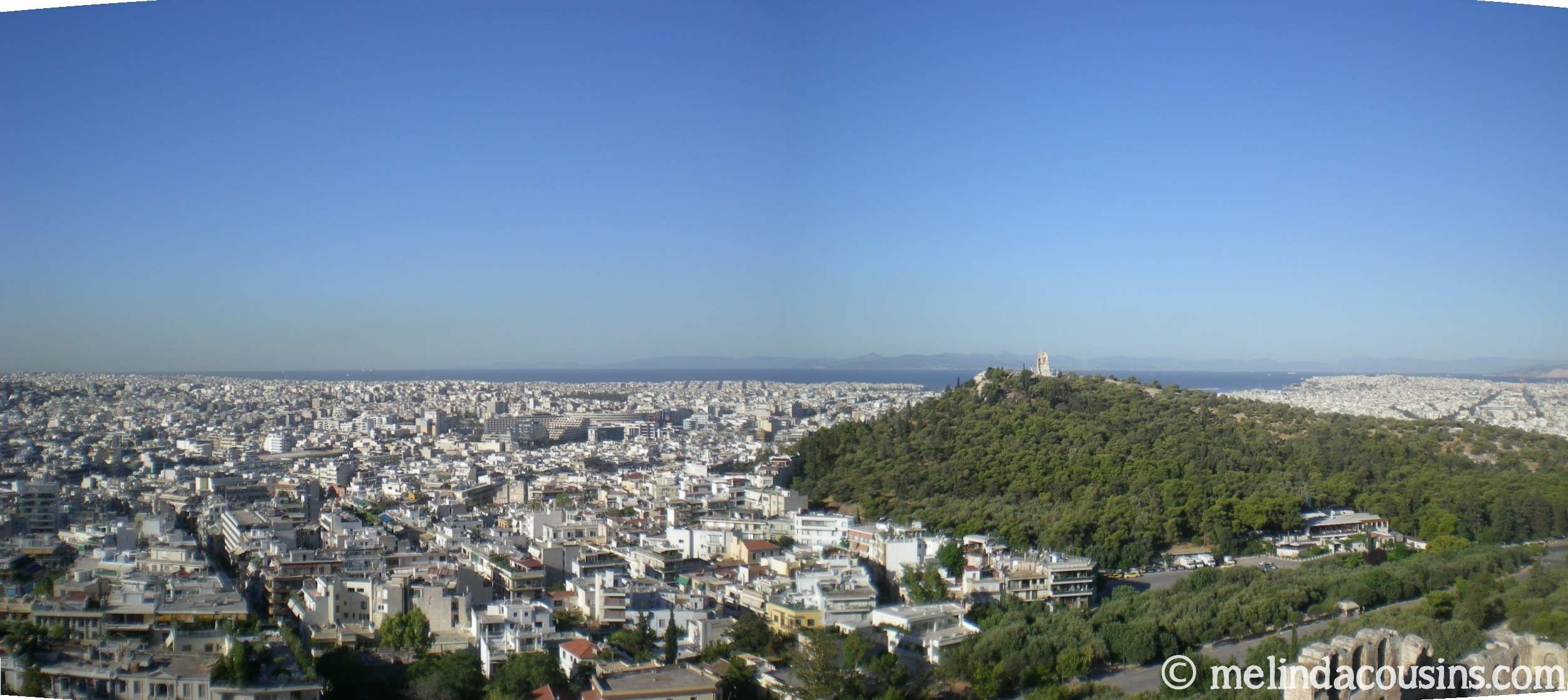
Athens view

I’m still pondering how to think and talk about all that is going on in the world, and I guess for some people hearing about conflicts and wars and humanitarian crises leads to a desire to stay home where it is safe and comfortable. The world can seem like a scary place. But I truly believe that one of the best ways of us to begin to care about situations and people from other cultures is to get out there – travel, learn, and engage. When we do, we recognise that what unites us as fellow human being is far greater than what divides us, and that each person and each culture is precious and can in some way challenge, inspire and change us.

Acropolis
The Acropolis, Athens

So … where to for this Monday’s travel post? Well, I’m teaching an introduction to (Koine) Greek class on Monday mornings this term, which I am really enjoying, but rather than just talk about Greek nouns today, I’m thinking how good it would be if I could take my class to Athens for the day and we could soak up not only the language, but some of the history and culture.

Erechtheion

Another reason I’d love to spend the day in Athens is that I have only ever spent one day there. Athens for me was a whirlwind 18 hour layover with my mother, who I had promised in the weeks leading up to our trip would need to “keep up” as I had big plans to see as much as I possibly could in our very limited time there! (The reality of my poor planning leading to our middle of the night arrival meant that our first experience of Athens was trying to sleep on the floor in a corner of the airport chapel … but that’s another story.)
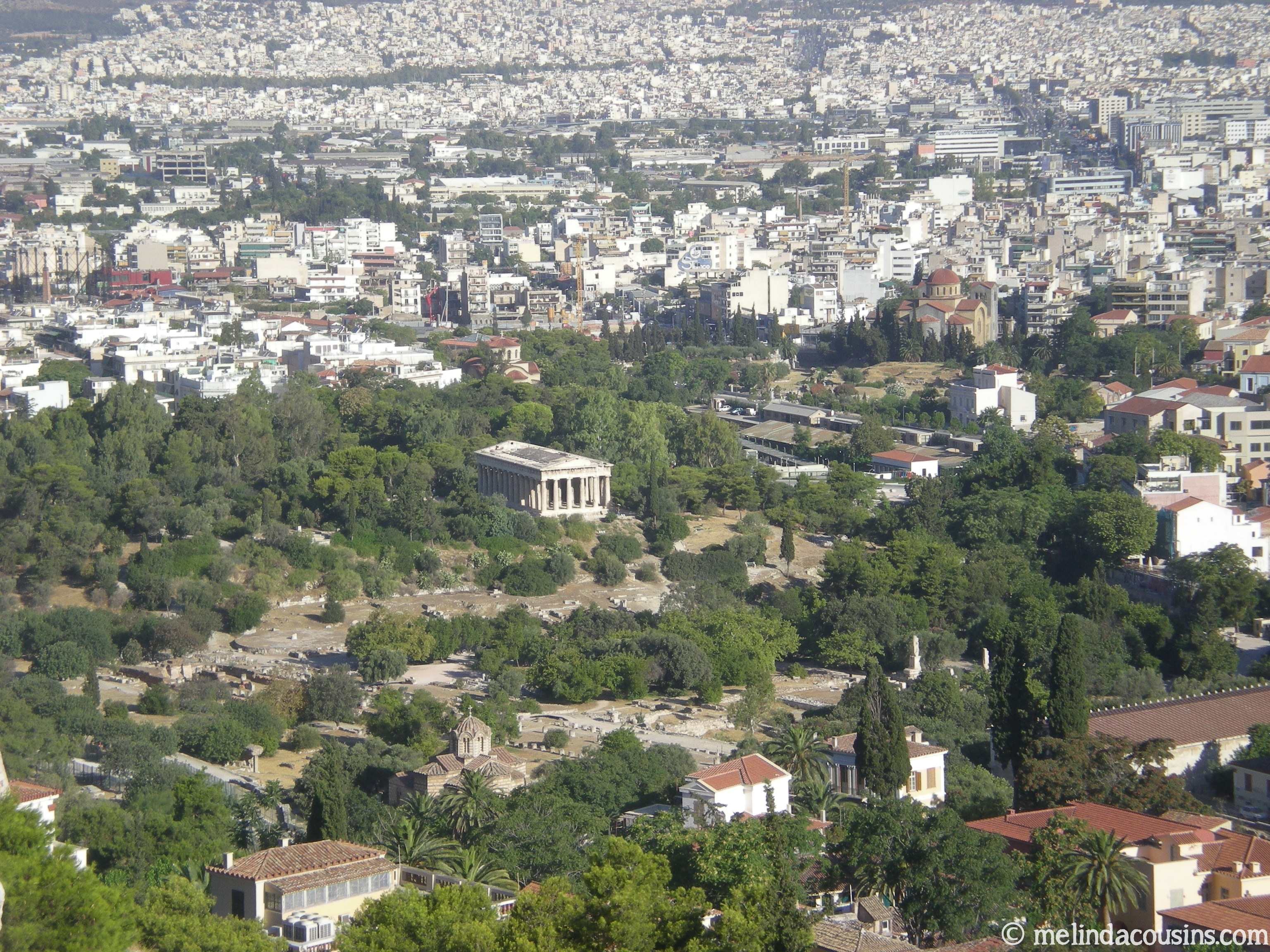
Ancient and modern

What did I love about Athens?

The combination of a modern, bustling, noisy, (dirty), city and ancient historical ruins.
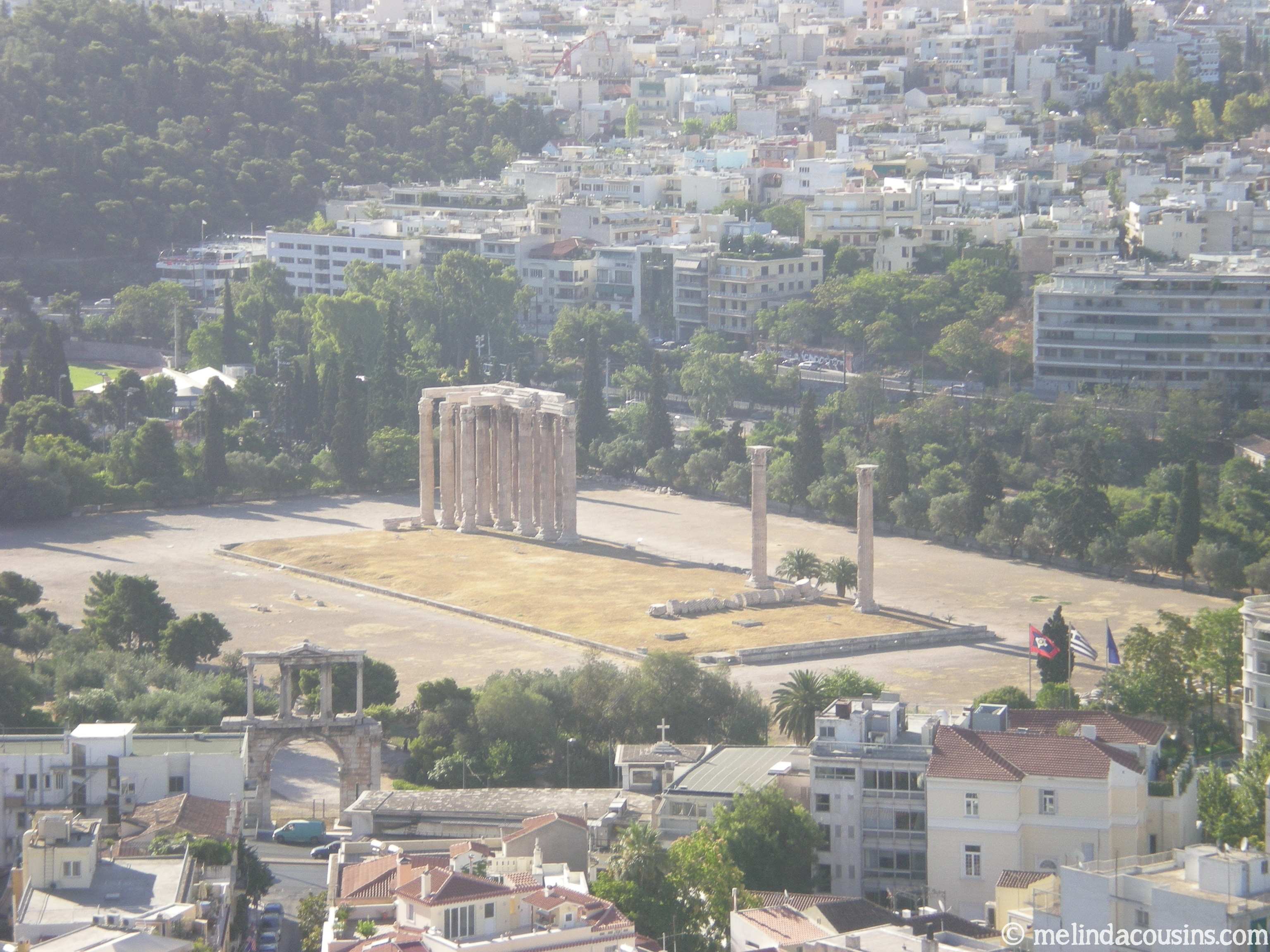
Ruins amidst city

The fact that you are just casually walking down a street that has been there for thousands of years and has been travelled by philosophers and statesmen, slaves and emperors … and of course tourists.

Panathenaic way sign

Eating lunch overlooking the scattered ruins of the ancient Agora.

Temple

Watching the ordinary, every day business of life happening in a place with such influential history.
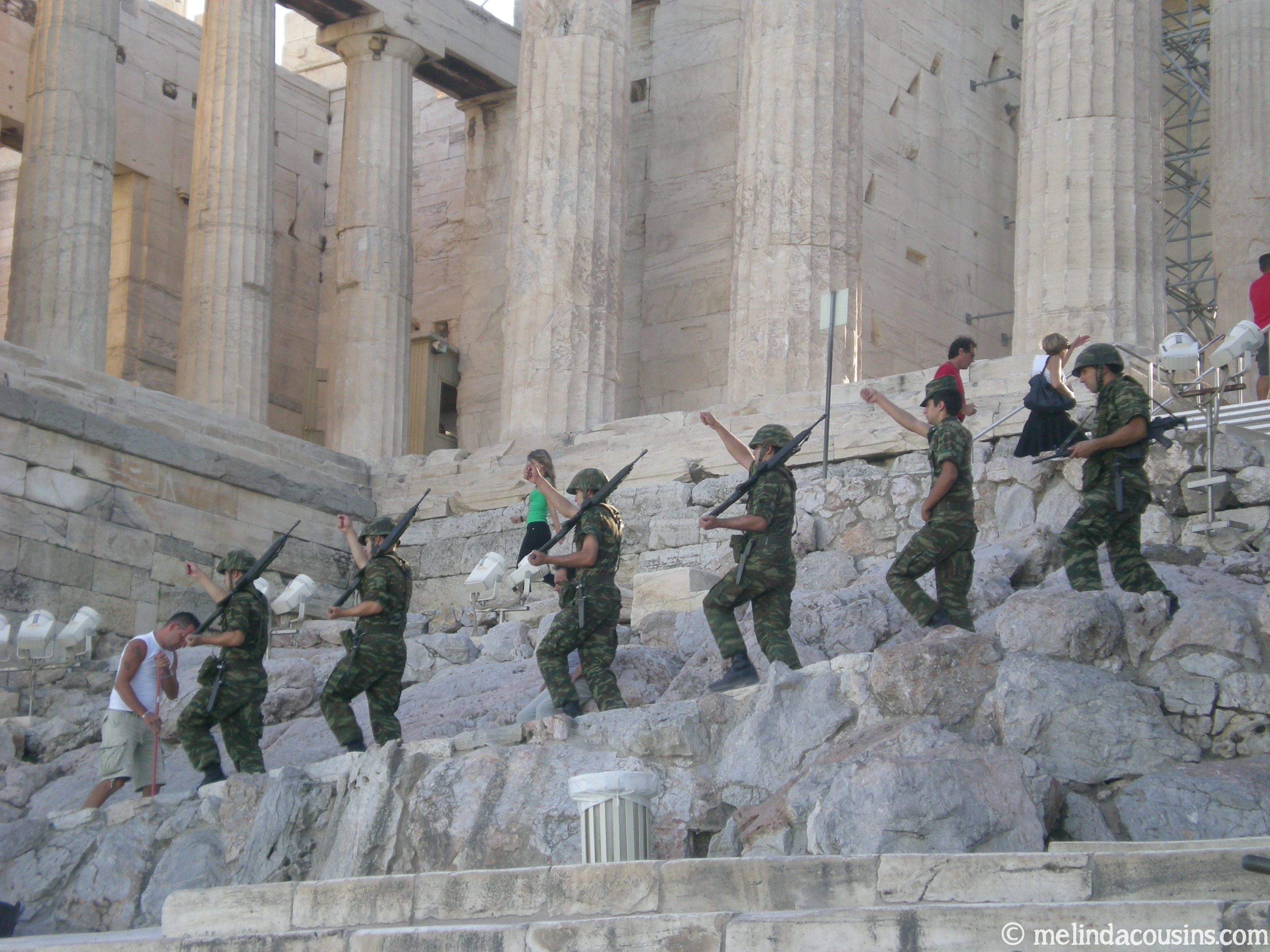
Army
Young soldiers on the Parthenon steps

The haunting beauty of the abandoned Olympic stadia, both ancient and modern.

Modern Olympic stadium
1896 Olympic stadium
Olympus ruins
Ruins of the ancient Olympic site

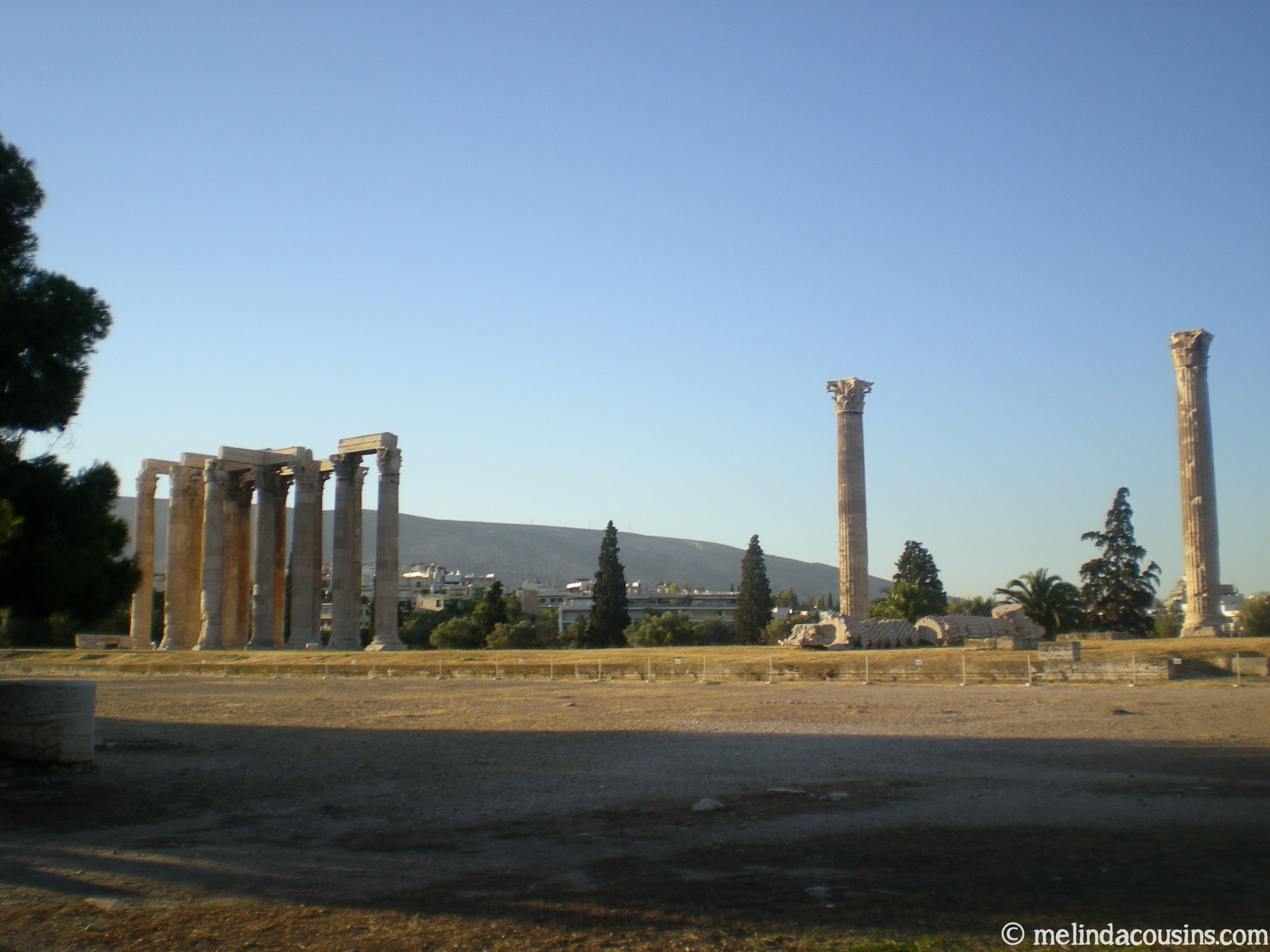
The simple beauty of two thousand year old columns.

Stoa of Atalos
The Stoa of Attalos

The spectacular beauty of the city stretching out from the ruins to the coast.
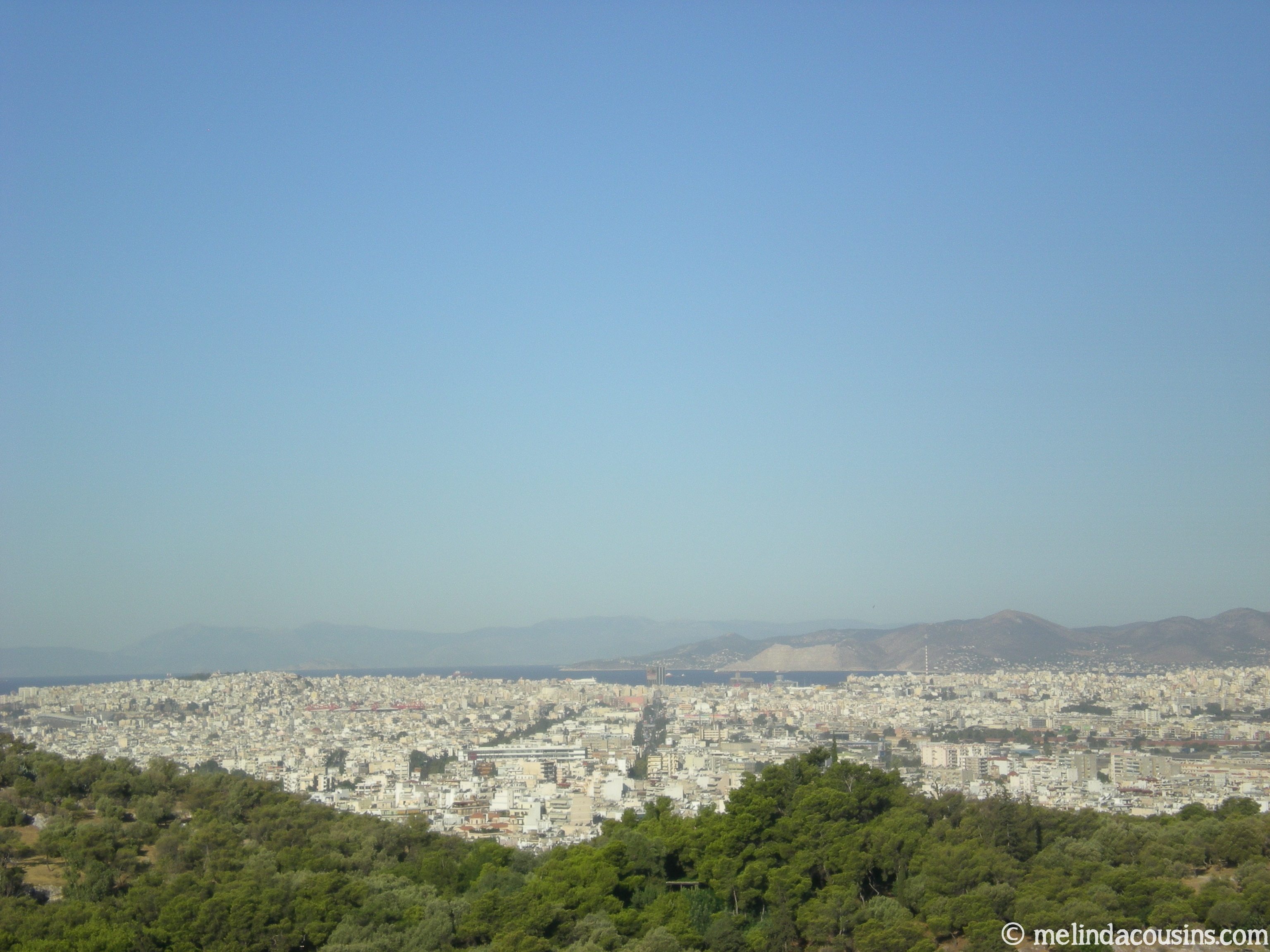
Acropolis view

What did I learn from Athens?

It is good to appreciate how much we stand on the shoulders of those who have come before us. For example, while some of my American friends may occasionally talk as though they invented democracy :), that is just one of the many ideas and practices we have to thank the ancient Greeks, amongst others, for.
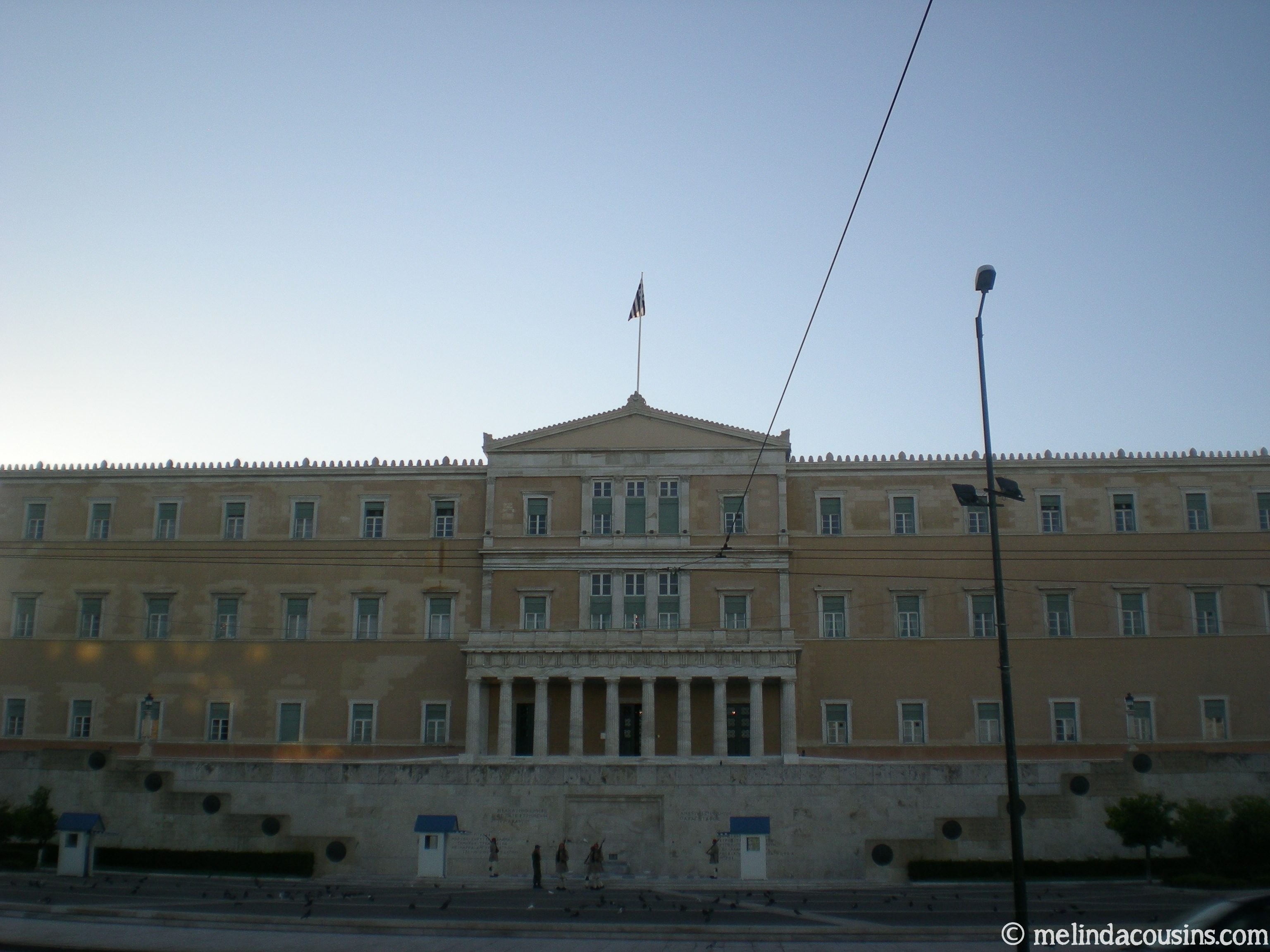
Greek Parliament
Greek Parliament, Syntagma Square

The Parthenon, one of the world’s most famous buildings, represents the contributions to our understandings of and appreciation for architecture.

Parthenon

Many great thinkers of their day shared their ideas in the market places and forums of this city.
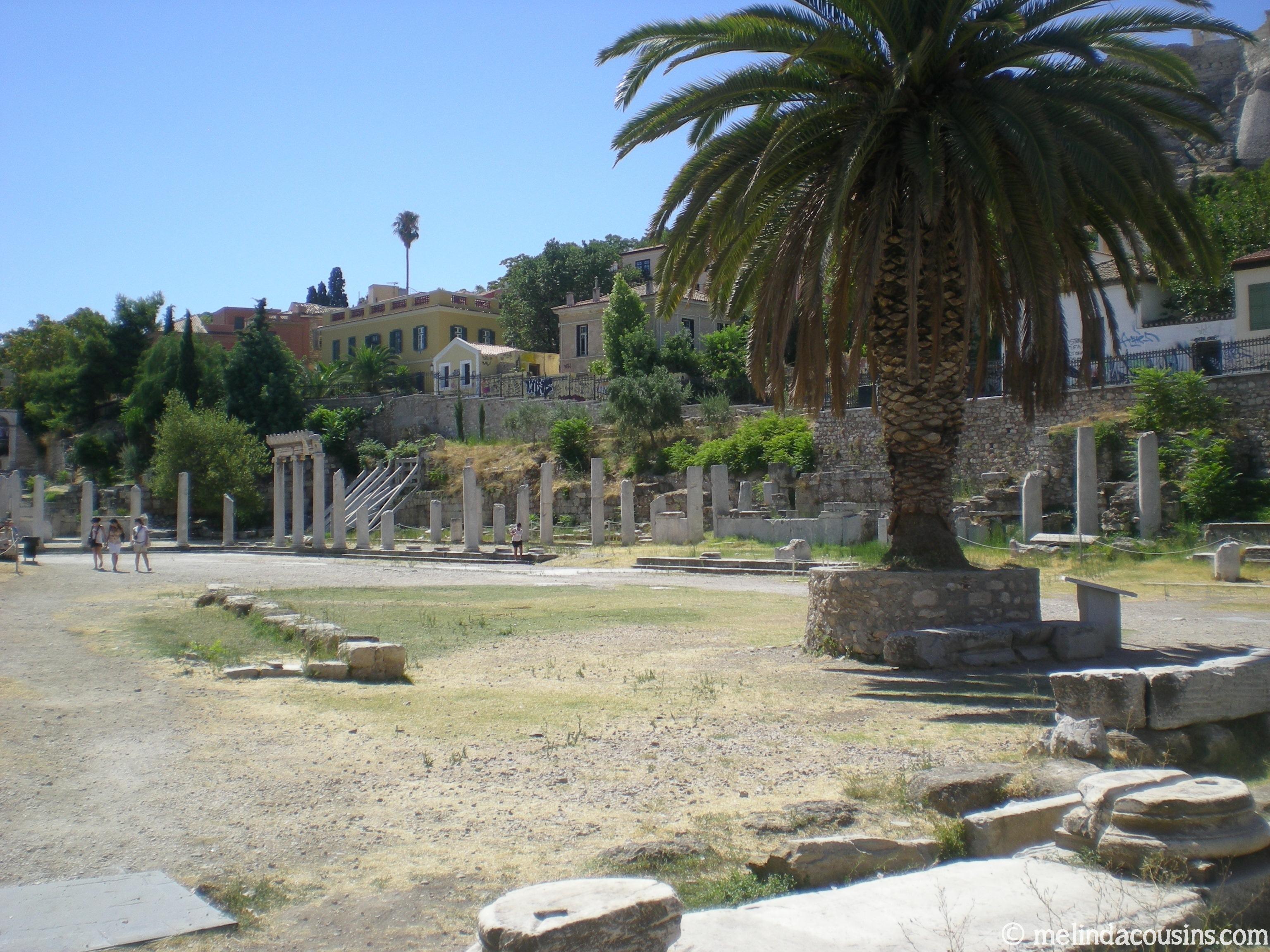
Agora ruins

One of the highlights for me was standing where the Apostle Paul stood to share with some Athenians the good news about Jesus for the first time.
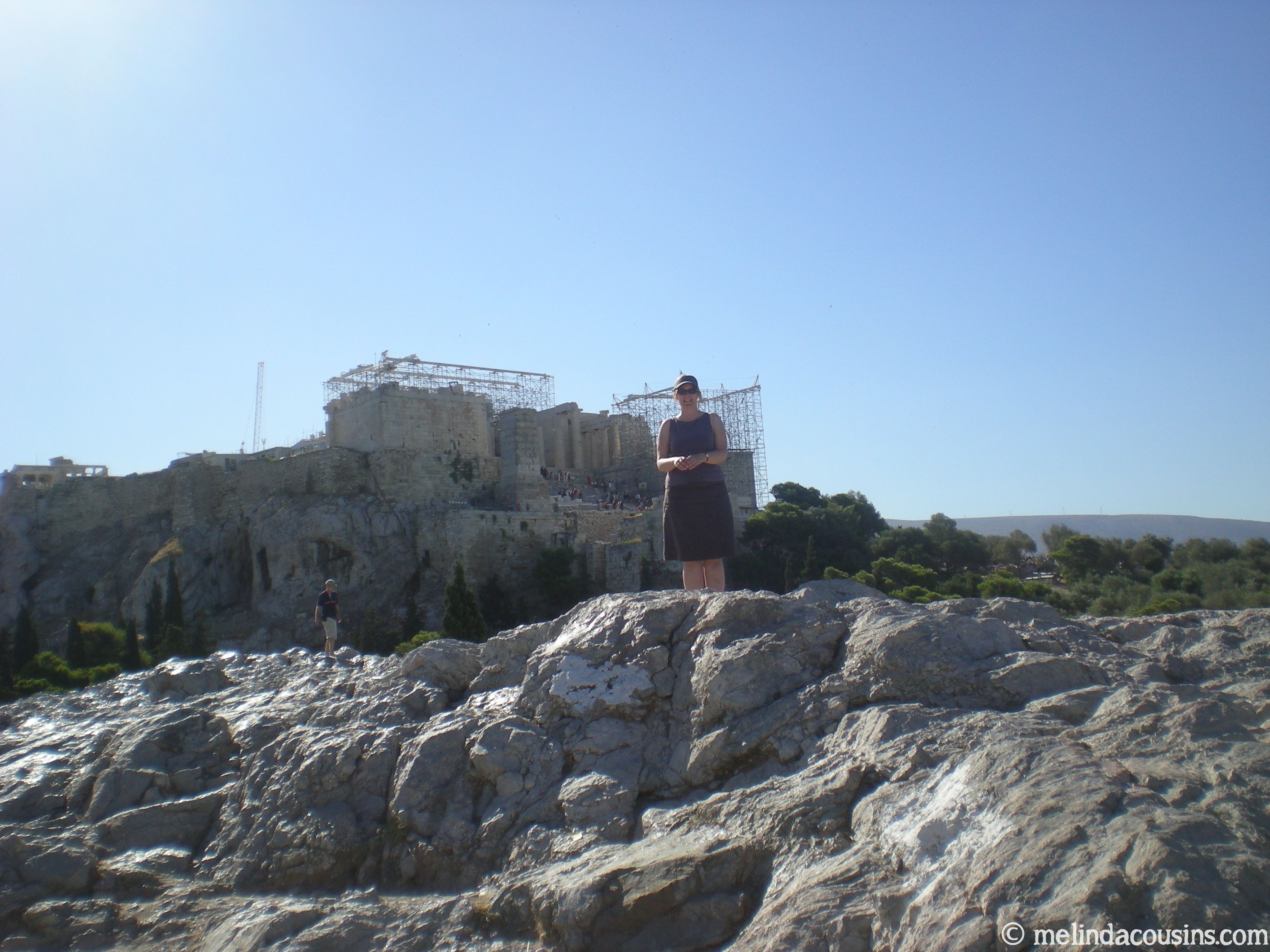
Areopagus
Me on the Areopagus (Mars Hill)

As I slowly read the words of his sermon recorded on this plaque, I was challenged anew by his example in sharing his faith both passionately and respectfully.
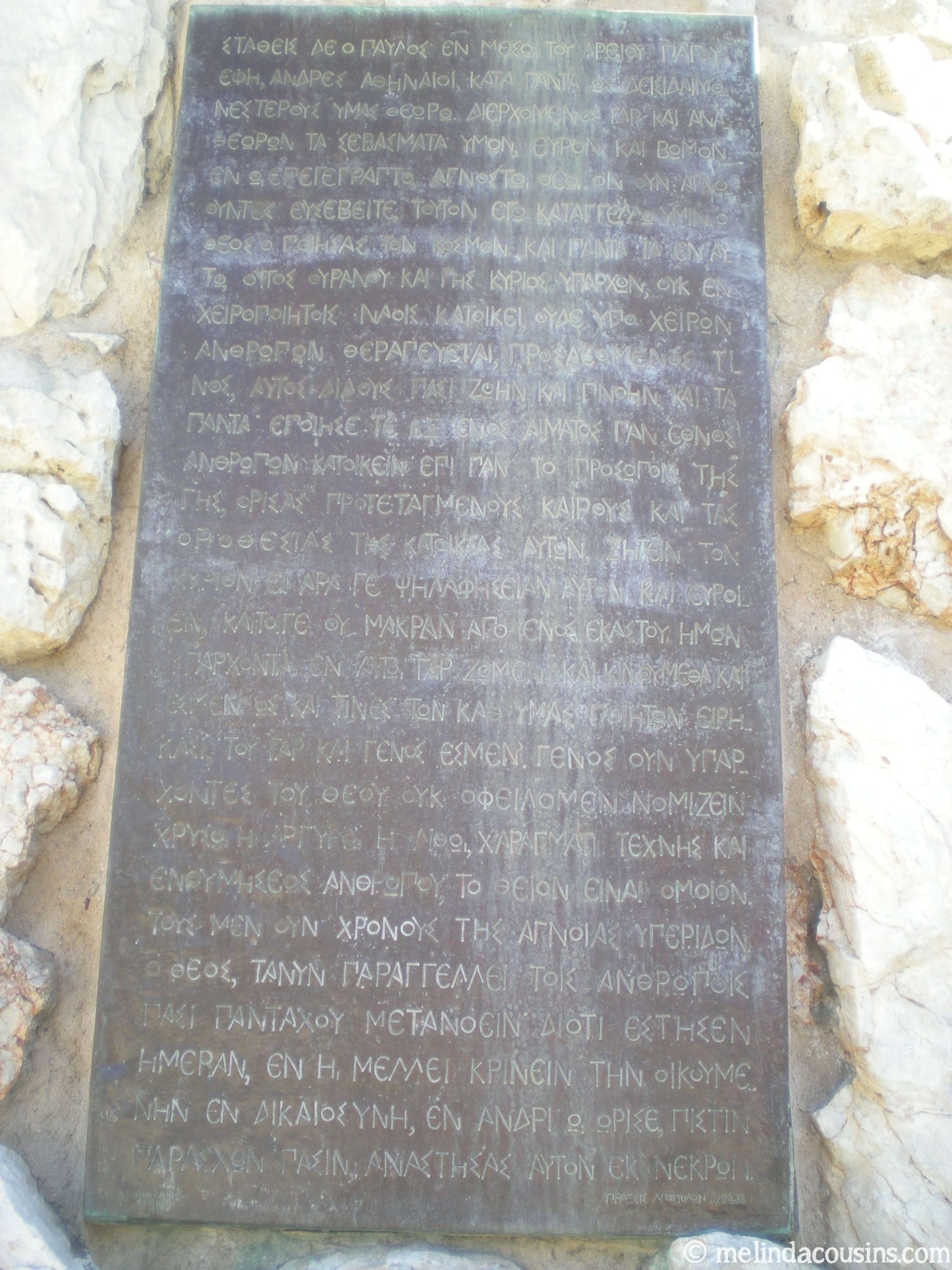
Areopagus sign
The Greek text of Paul’s sermon to the Athenians

And as we entered the small and ancient Church of the Holy Apostles in the Agora, I was reminded of the way faith in Jesus has brought hope, purpose and passion to the lives of so many over so long. As a Christian, I am part of a family that is not only global, but transcends time. It humbles me to recognise that I am just one among so many, and yet I’m also proud to be part of something so historically transformative.
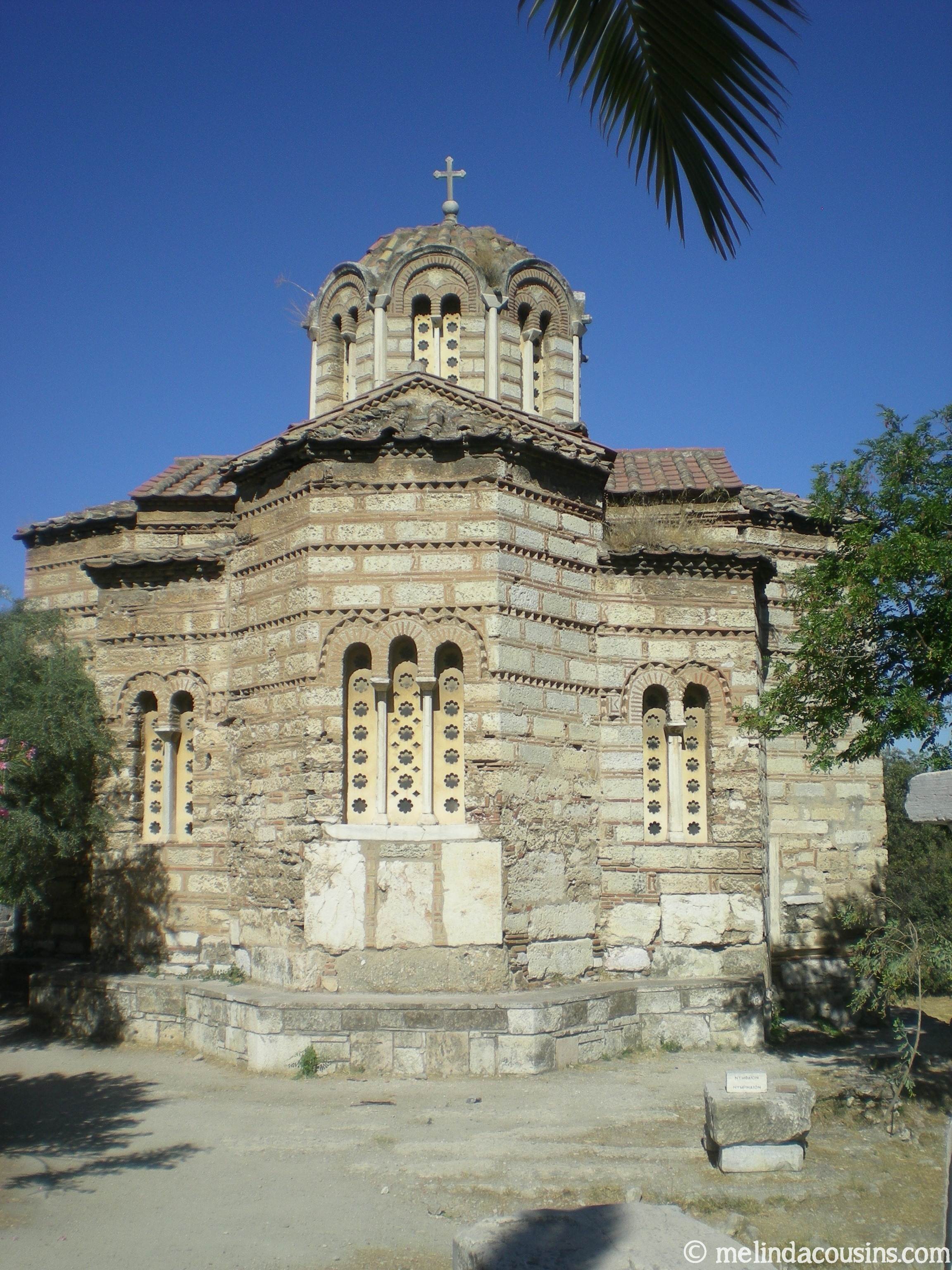
CHurch of the holy apostles outside

That was a lesson that had already been brought home to me back in that airport chapel I mentioned earlier. In the wee hours of the morning, a lady came in looking for someone to pray for her. We hardly had any language in common, and yet for a few minutes that morning I was able to be for her what so many others have in different times and places been for me – a sister in faith, sharing her burden just for a moment.

Church of the holy apostles inside
Inside the ancient Church of the Holy Apostles, Athens Agora


Museums, Memorials and lessons from remembering … or Today would be a good day to be in Berlin

I recently saw, and loved, the movie of my favourite book. One of the things I love about The Book Thief is that it caused me to imagine what it would have been like to grow up in 1930s Germany. I’m pretty sure when I was 10 years old I had not developed a capacity to critique my country or its government. What would it be like to grow up thinking Nazism was normal, and to then experience the realities and questions of that first hand?

The Berlin Wall
The Berlin Wall

While The Book Thief is set in Munich, a city which I have briefly visited, it was visiting Berlin that raised those same kinds of questions for me. I loved Berlin, and particularly the many layers of history. As I walked the streets of Berlin I often found myself wondering, what would it have been like to grow up here in the 1940s, or the 1980s, or even the 1700s?

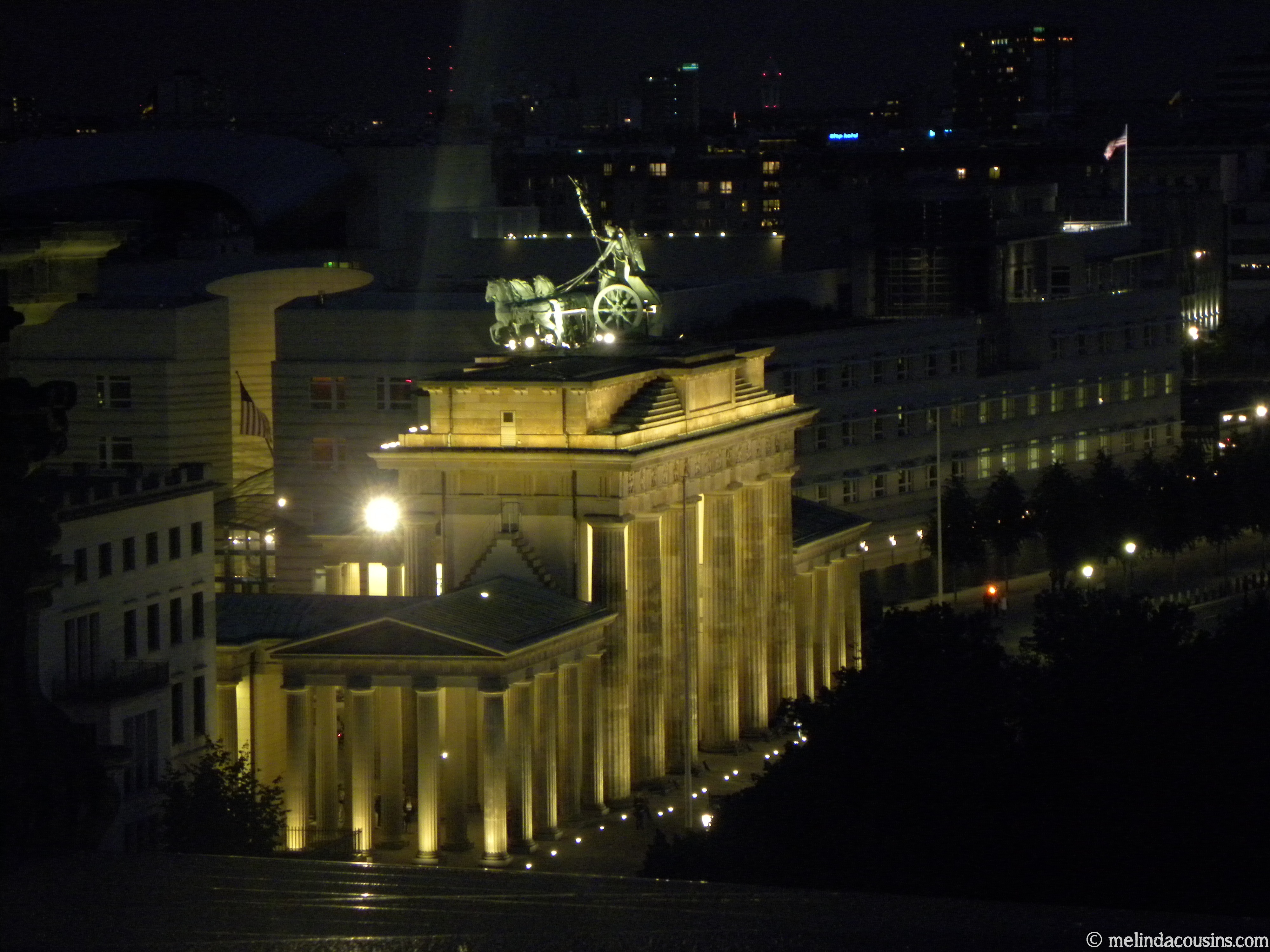
The Brandenburg Gate

Berlin is a good place to reflect on what it means to be human and to remember the ways that humans often treat (and mistreat) one another. I would love to return and spend more time in its museums and at its memorials.

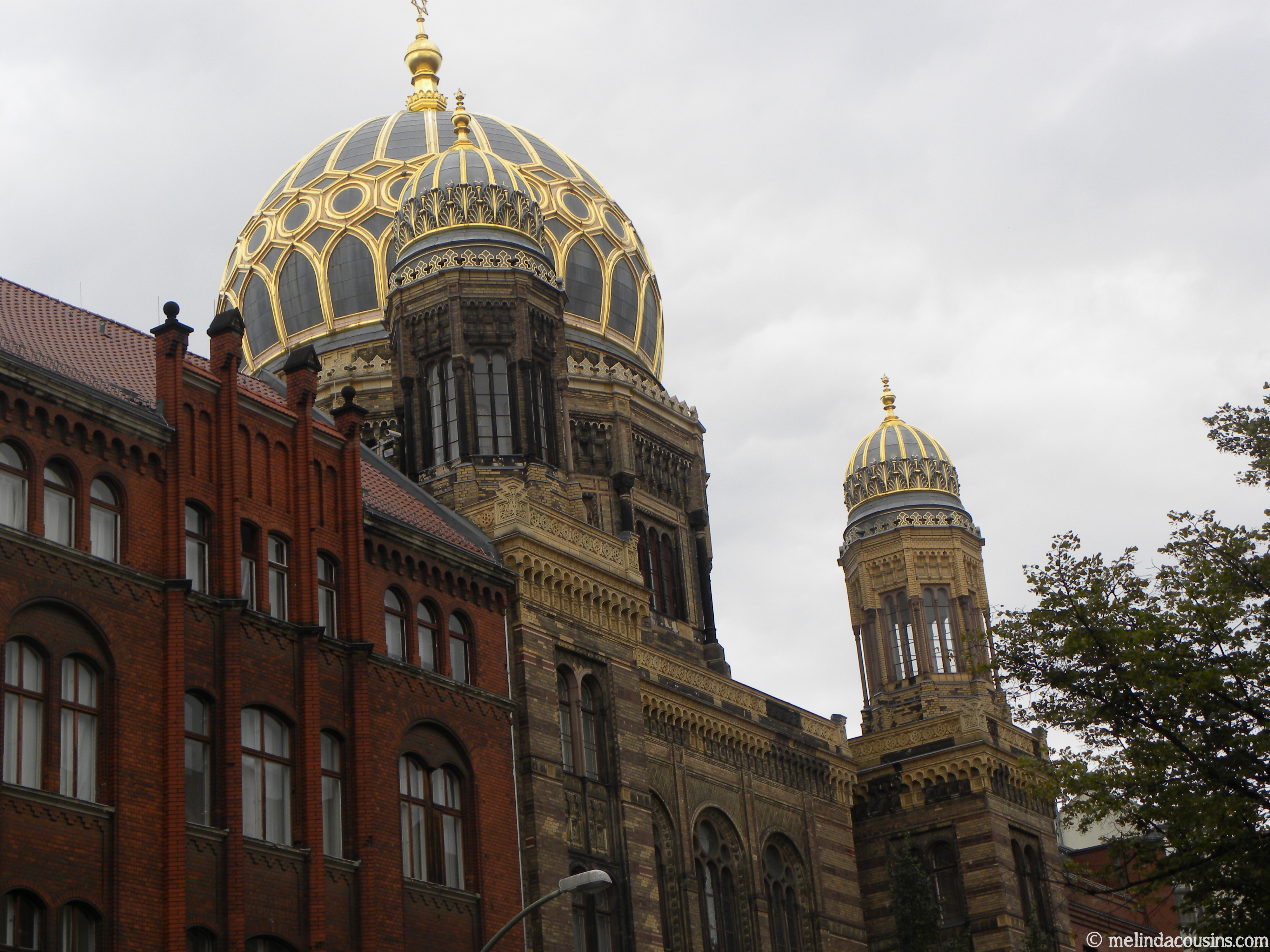
The Neue Synagogue, one of the few to survive Kristallnacht
What did I love about Berlin?

The Museums. Berlin has hundreds, so it was hard to choose which to visit. This list includes just some of my favourites.

The Art Gallery on Museum Island

Pergamon Museum. One of five museums on Museum Island, the ancient treasures here are amazing. In particular it was a thrill to see the huge altar from the Turkish city of Pergamum, and the Ishtar Gates from ancient Babylon, which the Israelites would have seen when taken into exile in the 6th century BCE.

The Ishtar Gates from ancient Babylon

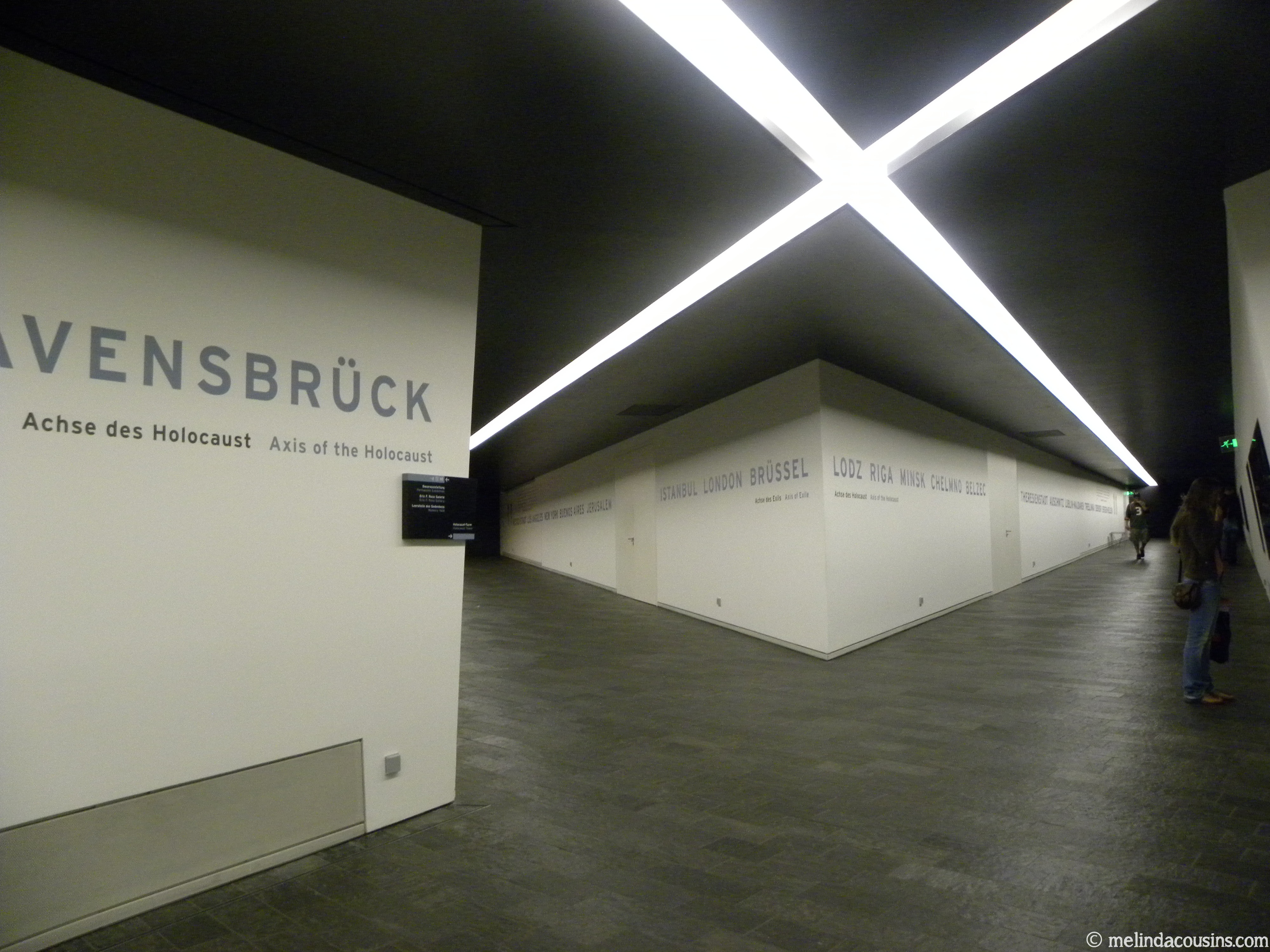
Jewish Museum. At the start of the 20th century, Berlin had one of the largest populations of Jews in the world. This museum celebrates their history and contribution to German society. It also has the Holocaust Tower, a dark and empty silo which is incredibly moving in its sense of emptiness and loss.

The intersection of the underground tunnels in the Jewish Museum

Topography of Terror. Built on the site of the former SS headquarters, this place is brutal in its frankness and brave in its honesty.

Some of the outdoor Topography of Terror's exhibits in front of a section of the Berlin Wall
Some of the Topography of Terror’s outdoor exhibits in front of a section of the Berlin Wall

DDR Museum. This fascinating museum in the former East provides a glimpse of what life was like in the GDR. From state arranged holidays to collective potty training, these were the realities for people my age who grew up here in the 1980s.

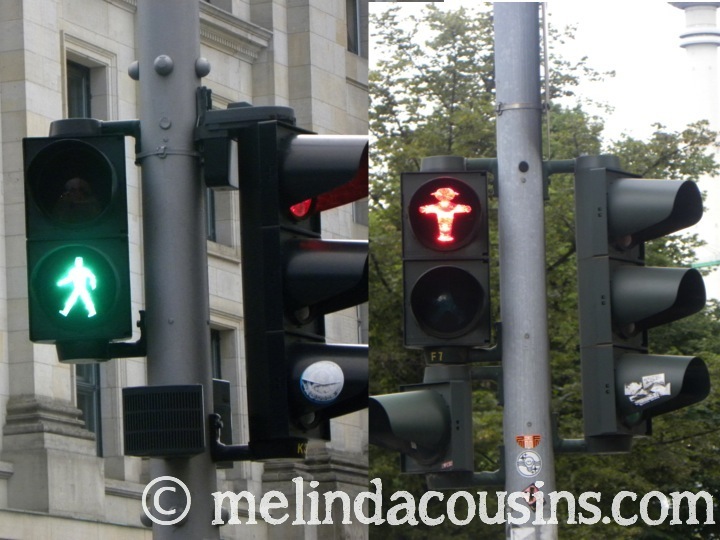
One way to tell if you are in former East or West Berlin ...
One way to tell if you are in former East or West Berlin …

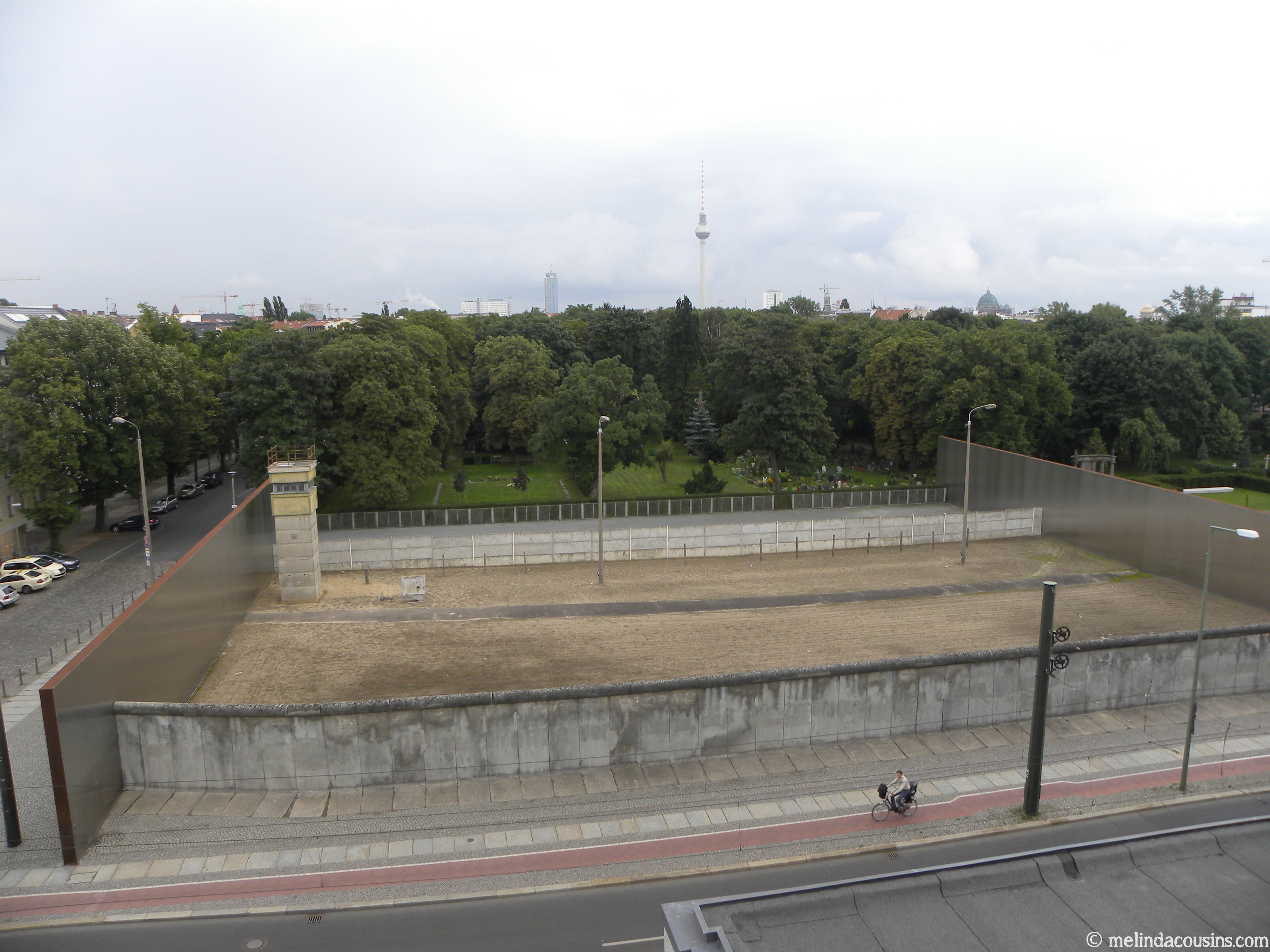
Berlin Wall Memorial and Documentation Centre. On Bernauer Straße is a preserved section of the Berlin wall including the border strip and watchtower. The Documentation Centre’s tower provides a good view of this, as well as exhibits about the wall’s history including those who died trying to cross it.

The Border Strip as it was from 1961-1989

I also loved the many moving Memorials. Again, these are just a few that particularly struck me.

The Window of Remembrance, honouring 136 known victims of the Wall Regime

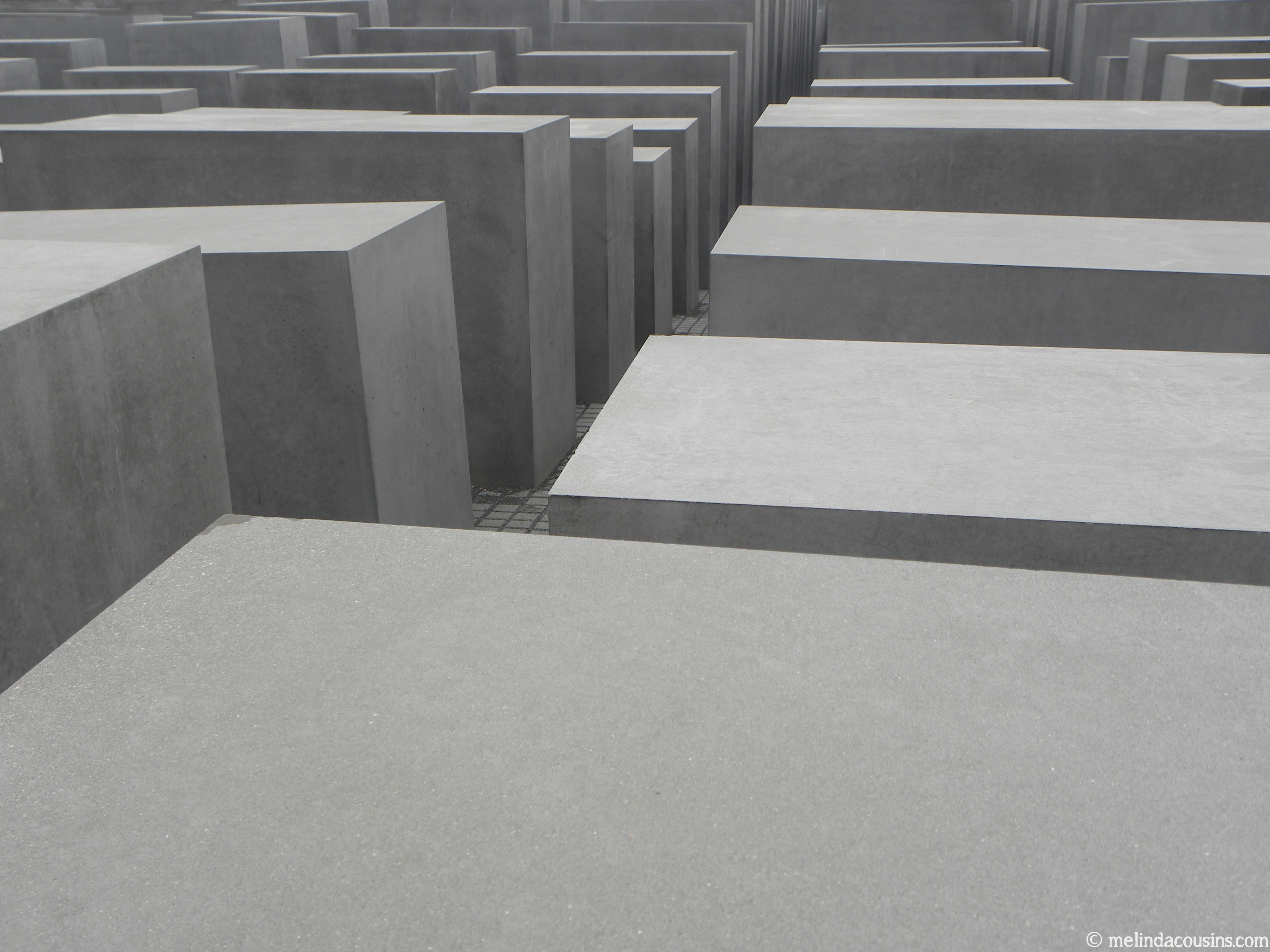
Memorial to the Murdered Jews. Opened in 2005, this has been somewhat controversial. There are exhibits underground, but above ground it consists of thousands of concrete slabs of varying sizes and heights, through which people wander and remember. I’m not sure any memorial could adequately convey what needs to be conveyed here, and so in some ways I like that it is minimalist and unconventional. But I didn’t find it as poignant as many of the other memorials.

Some of the 2,711 stelae
Some of the 2,711 stelae at the memorial

Book Burning Memorial. Set into the ground of the public square, Bebelplatz, this appears at first glance to be a simple glass window. Looking down into it, however, you see rows and rows of empty bookshelves – enough to hold the 20,000 books that were burned here in 1933.

"Where they burn books, they will also in the end burn people." Heinrich Heine
“Where they burn books, they will also in the end burn people.” Heinrich Heine

Neue Wache Memorial to the victims of tyranny. The sculpture “Mother with her dead son,” in a shaft of light from the circular opening in the dome above, stands inside a former guardhouse that now serves as a war memorial. The contrast between walking down the busy main street with the usual noise of life and crowds, to stepping inside here where you could here a pin drop, was very affecting.

Käthe Kollwitz's heart-rending sculpture
Käthe Kollwitz’s heart-rending sculpture

Gleis 17. Berlin-Grunewald station today is a normal, everyday, suburban train station. But from 1941 to 1945, train after train left here packed full with people bound for concentration camps from which they would never return. Platform 17, no longer used, is a memorial to those who left from here, with dates, numbers of people, and destinations engraved along the length of the track. It is profoundly moving.

The hauntingly beautiful Platform 17
Just one date and one group of the 50,000 people deported from here
2/3/43 – 1758 Jews to Auschwitz – just one group on one date, out of so many
What did I learn from Berlin?
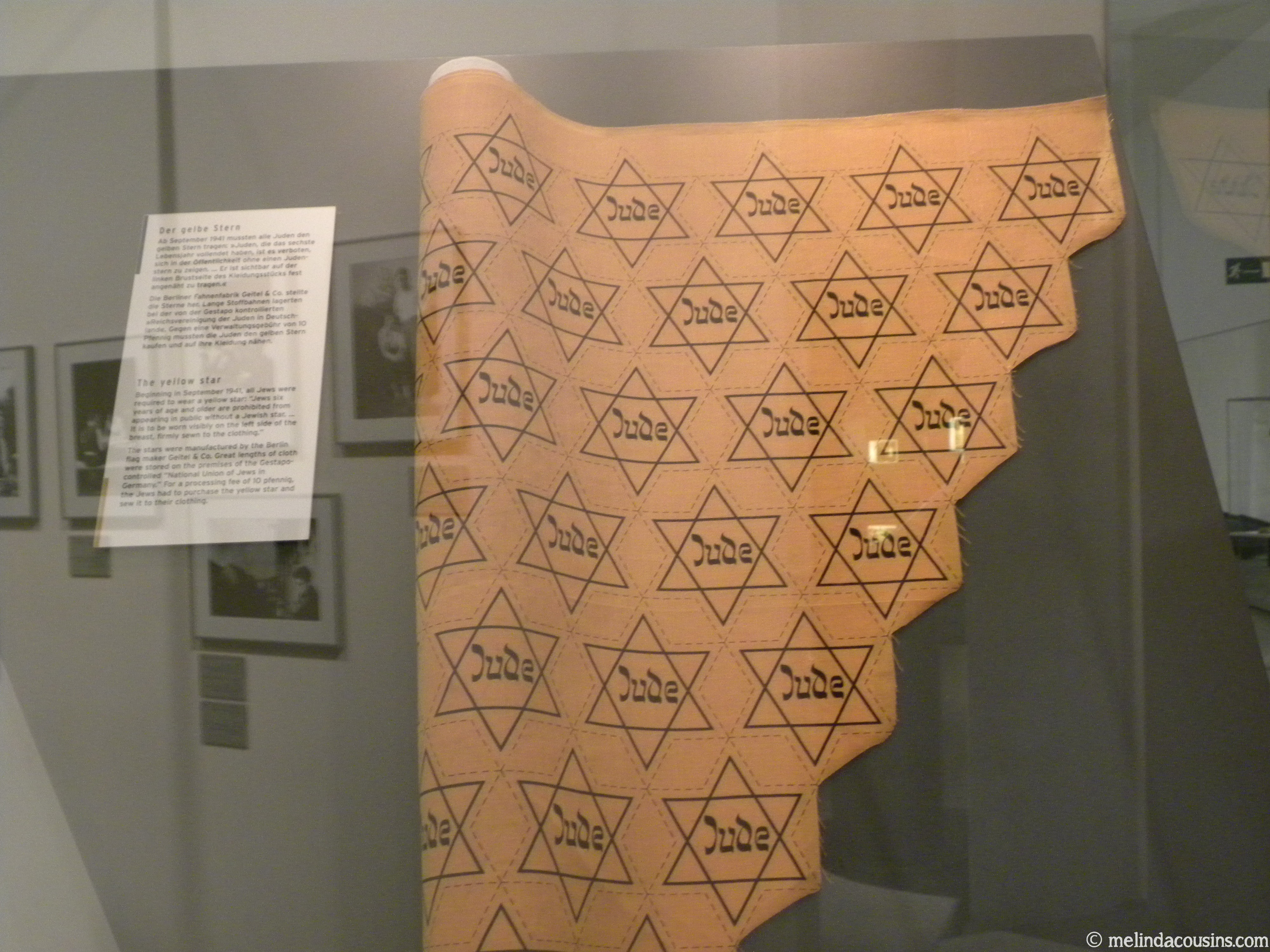
Leftover fabric stars in the Jewish museum

I think it is easy to grow up in a country that was on the “winning” side of the World Wars and simplistically imagine that we are so very different from “them,” or that it couldn’t happen here. Berlin reminded me of our common humanity, and particularly the challenges the church faces to respond to our all too common inhumanity.

The Berlin Cathedral

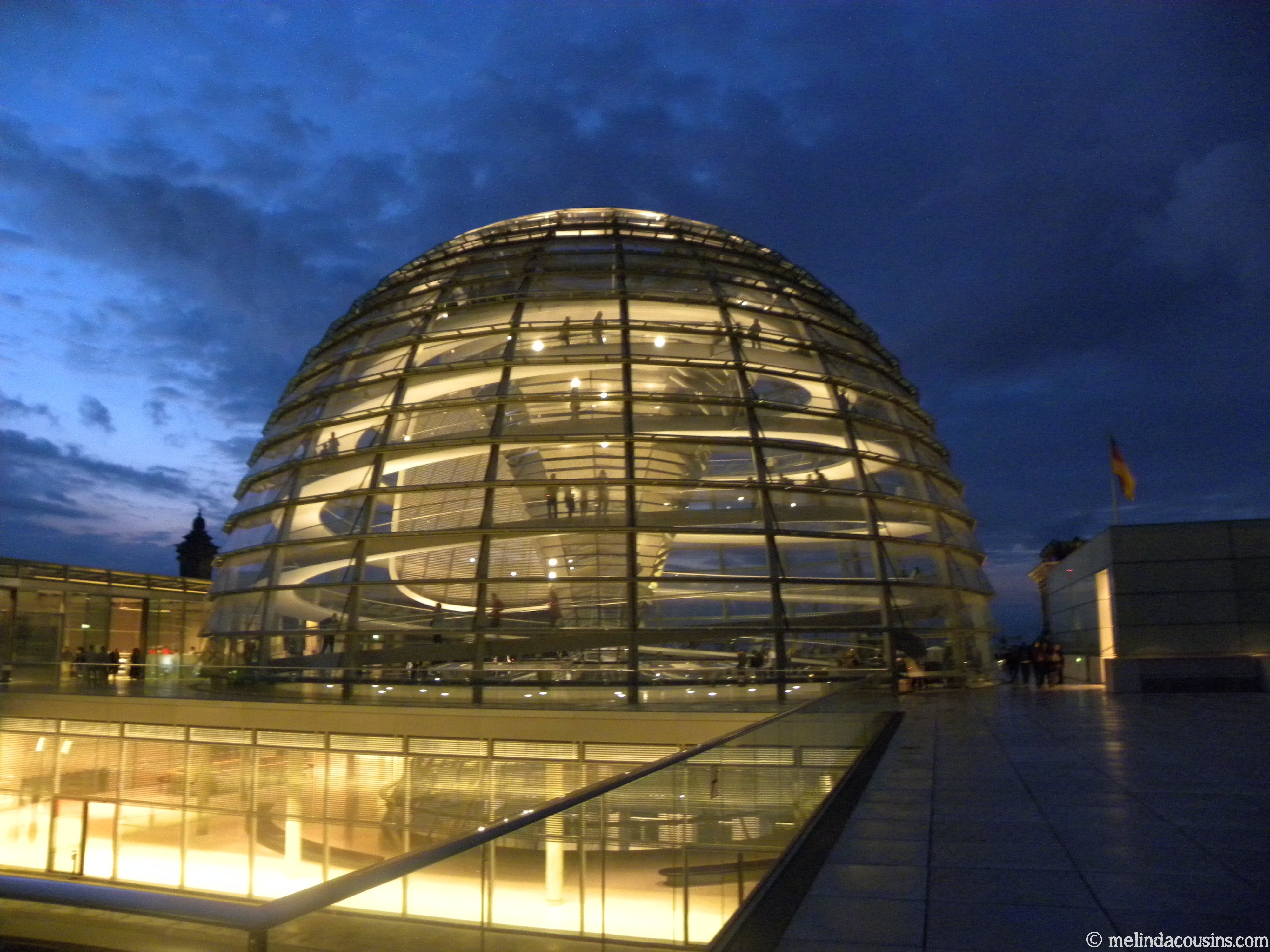
Berliners have done a remarkable job of acknowledging their past history, including its mistakes and trials. I think we can all, whether as individuals or as nations, learn from that. It is a powerful thing to simply say sorry. No excuses, no justifications, no mitigations. Moving forward and embracing forgiveness are predicated on this. I love that the rebuilt dome of the Reichstag is made of glass, to symbolise openness and transparency.

The Reichstag
The Reichstag

I also appreciated the acknowledgement that some things don’t deserve remembrance. The site of Hitler’s bunker is an unadorned patch of car park and grass. Nothing to see there, and I think that too is a powerful message to send.

The former site of Hitler's Bunker
The former site of Hitler’s Bunker

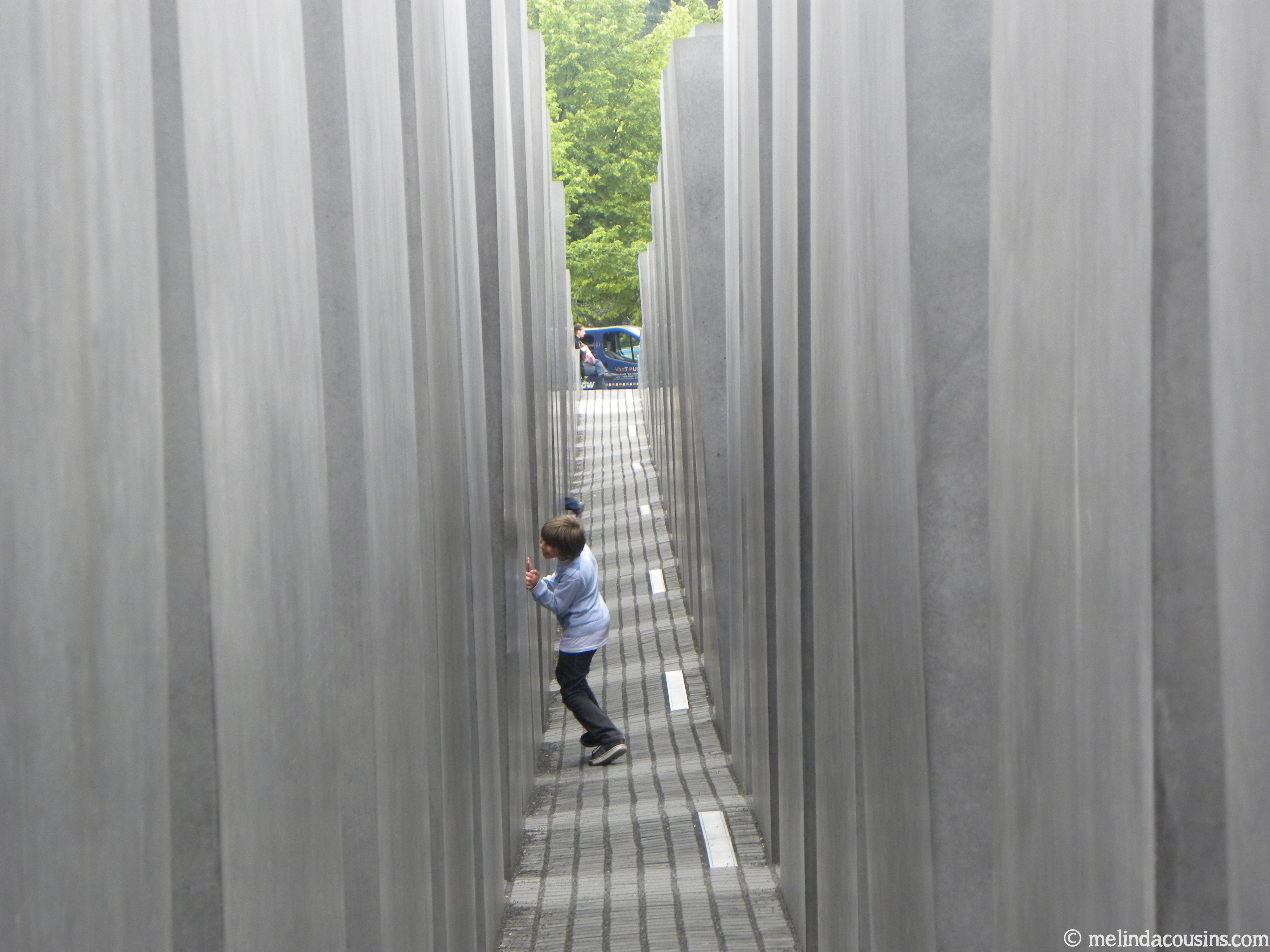
At the Holocaust Memorial I was struck by children playing, and even a couple kissing, in the shadows between the blocks. A great reminder that life goes on, that “joy comes in the morning,” and that acknowledging the past doesn’t mean self-flagellation for the future, but living to the full today.

A young boy playing at the holocaust Memorial

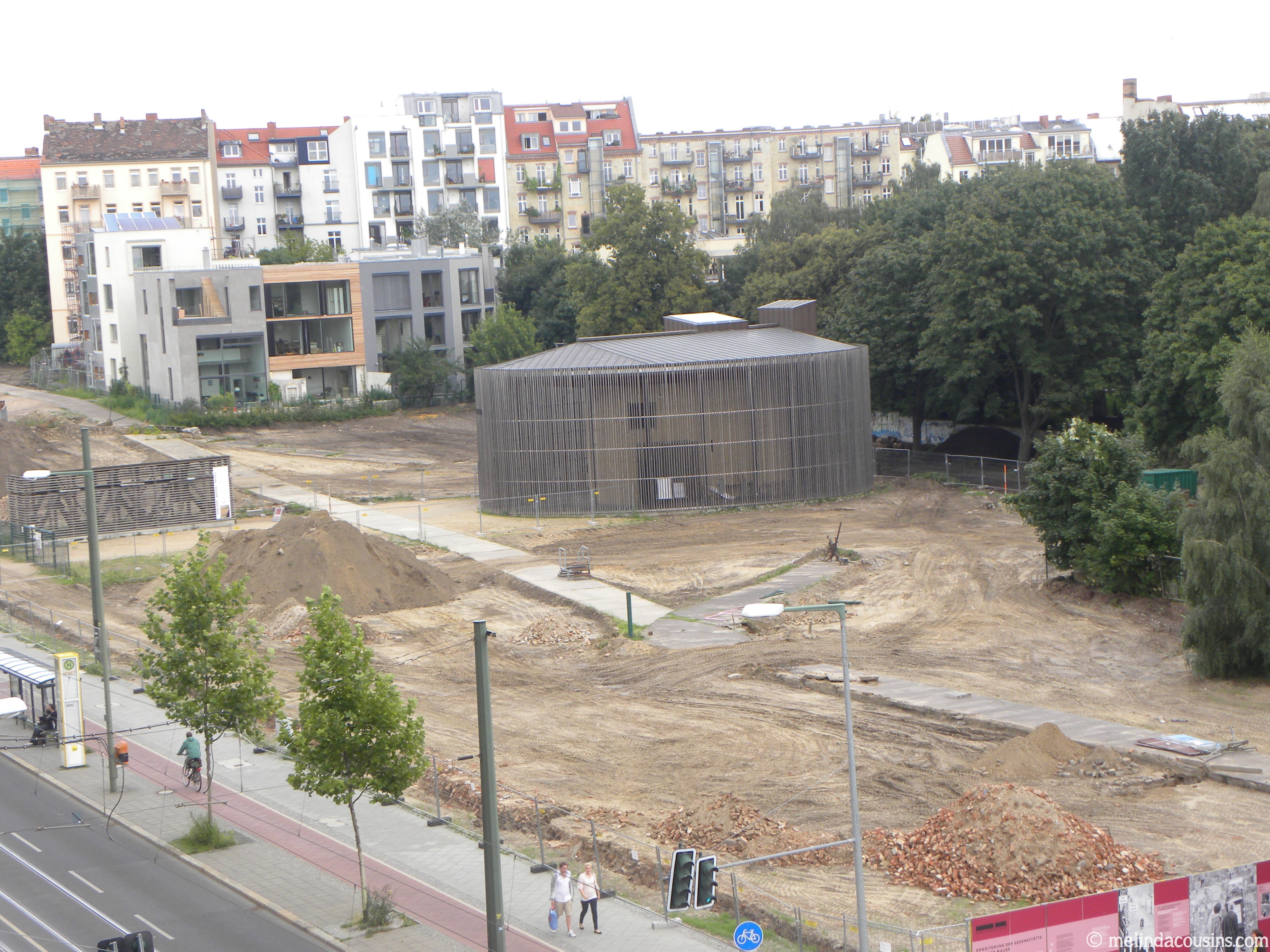
And finally, in Berlin I saw and experienced hope. On Bernauer Straße since the 1890s stood a church building, ironically called the Church of Reconciliation. When the Berlin Wall was constructed in 1961, the church found its building stranded in the no-man’s land between the two parts of the city, inaccessible to everyone but the border guards, and it was eventually destroyed. After the Wall fell, the church wanted to find a way to both commemorate its past and look to its future. In 2000, the Chapel of Reconciliation was completed, just across the road from the Berlin Wall Memorial. It stands there today as an amazing symbol of perseverance and faithfulness. As the parish said in a 1985 speech when the old building was destroyed, “We can do something … we know that symbols have a silent power which can make the ‘impossible’ possible.”

The Reconciliation Chapel