All posts by melindacousins

Today would be a good day to be in Athens

Athens view

I’m still pondering how to think and talk about all that is going on in the world, and I guess for some people hearing about conflicts and wars and humanitarian crises leads to a desire to stay home where it is safe and comfortable. The world can seem like a scary place. But I truly believe that one of the best ways of us to begin to care about situations and people from other cultures is to get out there – travel, learn, and engage. When we do, we recognise that what unites us as fellow human being is far greater than what divides us, and that each person and each culture is precious and can in some way challenge, inspire and change us.

Acropolis
The Acropolis, Athens

So … where to for this Monday’s travel post? Well, I’m teaching an introduction to (Koine) Greek class on Monday mornings this term, which I am really enjoying, but rather than just talk about Greek nouns today, I’m thinking how good it would be if I could take my class to Athens for the day and we could soak up not only the language, but some of the history and culture.

Erechtheion

Another reason I’d love to spend the day in Athens is that I have only ever spent one day there. Athens for me was a whirlwind 18 hour layover with my mother, who I had promised in the weeks leading up to our trip would need to “keep up” as I had big plans to see as much as I possibly could in our very limited time there! (The reality of my poor planning leading to our middle of the night arrival meant that our first experience of Athens was trying to sleep on the floor in a corner of the airport chapel … but that’s another story.)
Ancient and modern

What did I love about Athens?

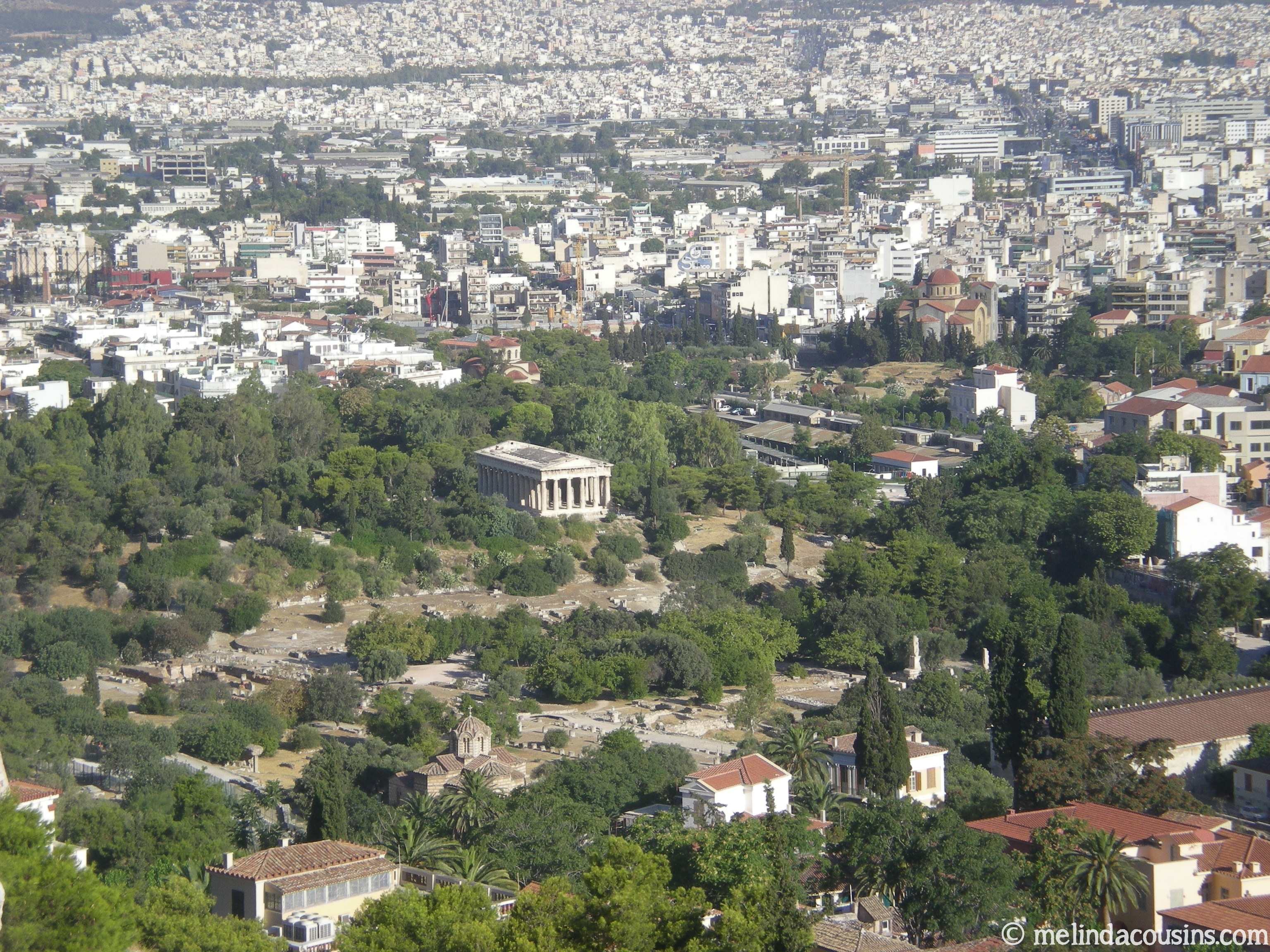
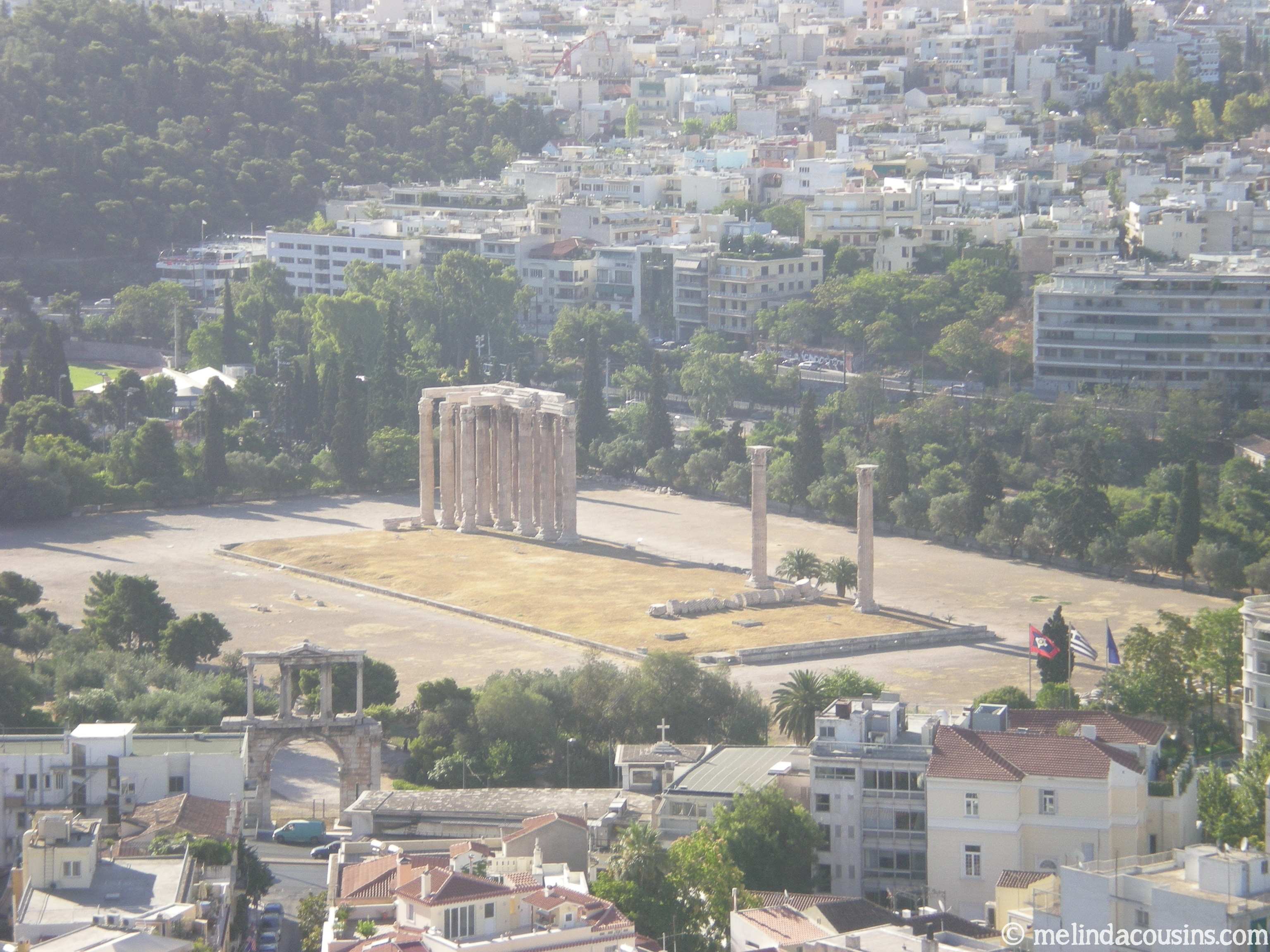
The combination of a modern, bustling, noisy, (dirty), city and ancient historical ruins.
Ruins amidst city

The fact that you are just casually walking down a street that has been there for thousands of years and has been travelled by philosophers and statesmen, slaves and emperors … and of course tourists.

Panathenaic way sign

Eating lunch overlooking the scattered ruins of the ancient Agora.

Temple

Watching the ordinary, every day business of life happening in a place with such influential history.
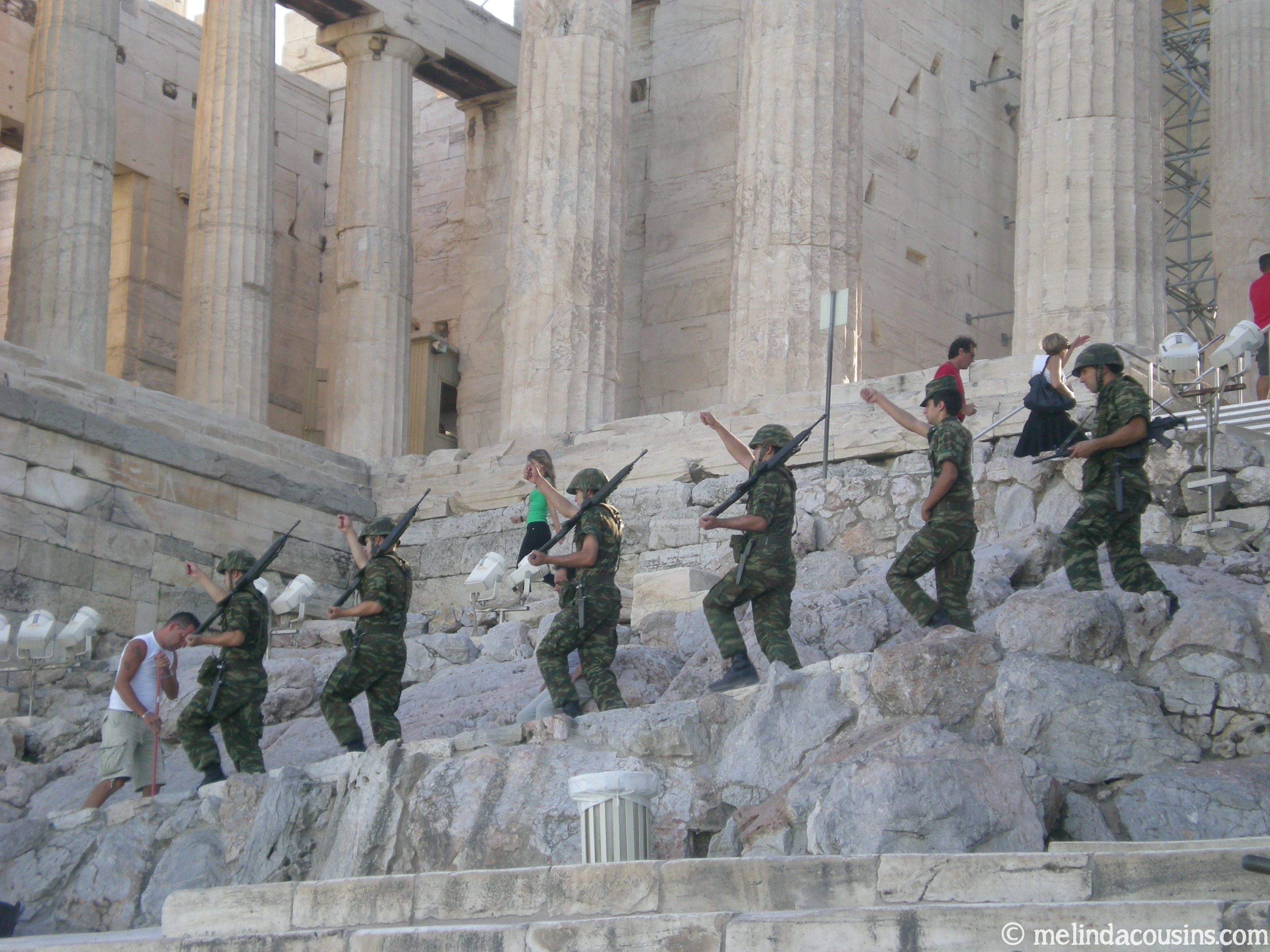
Army
Young soldiers on the Parthenon steps

The haunting beauty of the abandoned Olympic stadia, both ancient and modern.

Modern Olympic stadium
1896 Olympic stadium
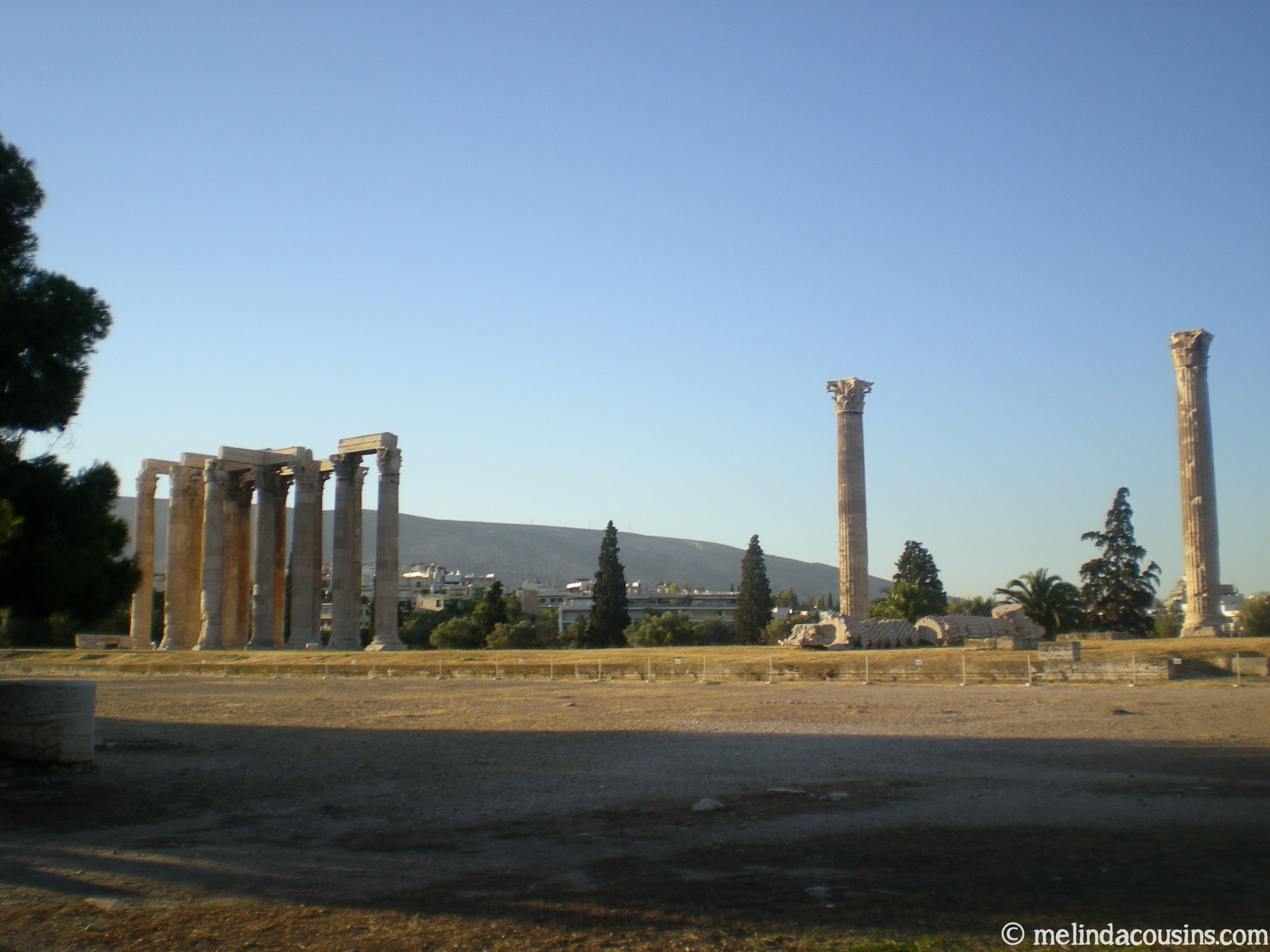
Olympus ruins
Ruins of the ancient Olympic site

The simple beauty of two thousand year old columns.

Stoa of Atalos
The Stoa of Attalos

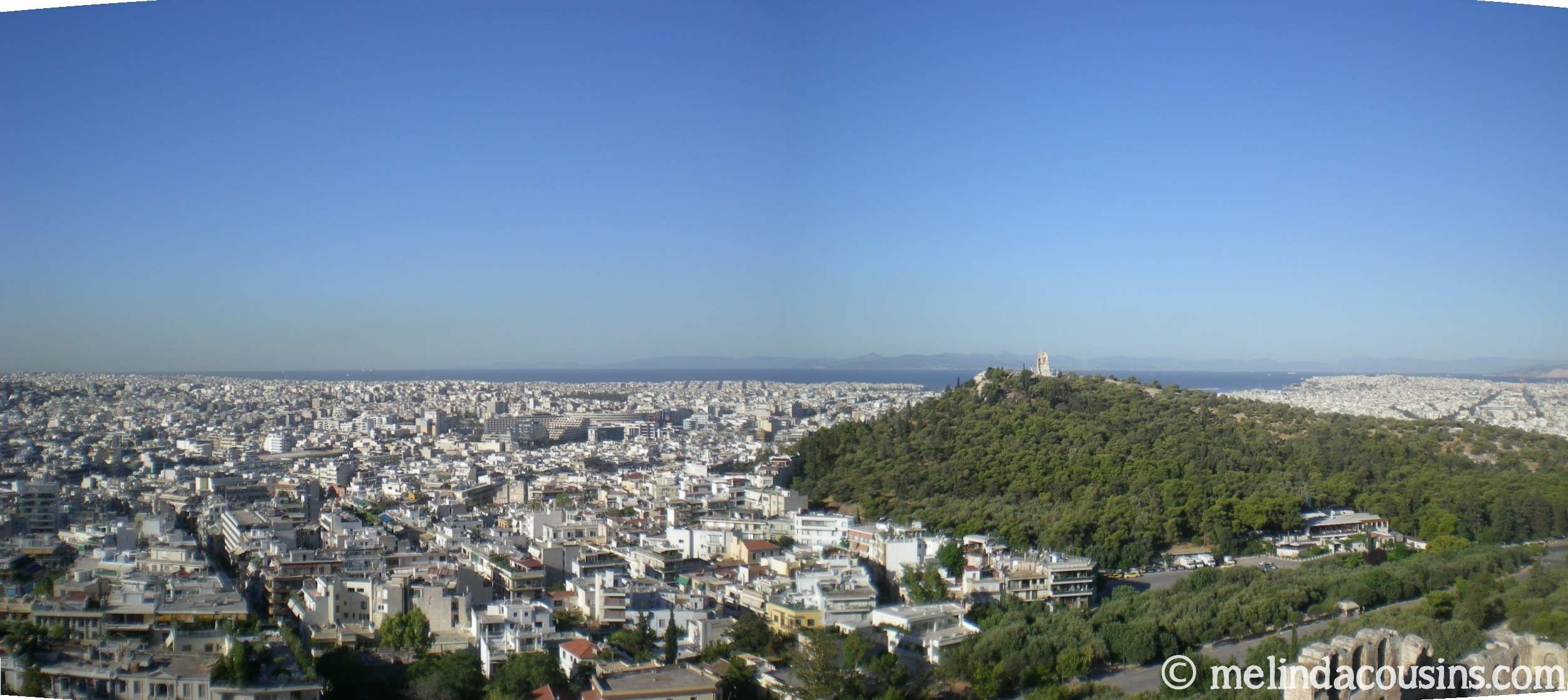
The spectacular beauty of the city stretching out from the ruins to the coast.
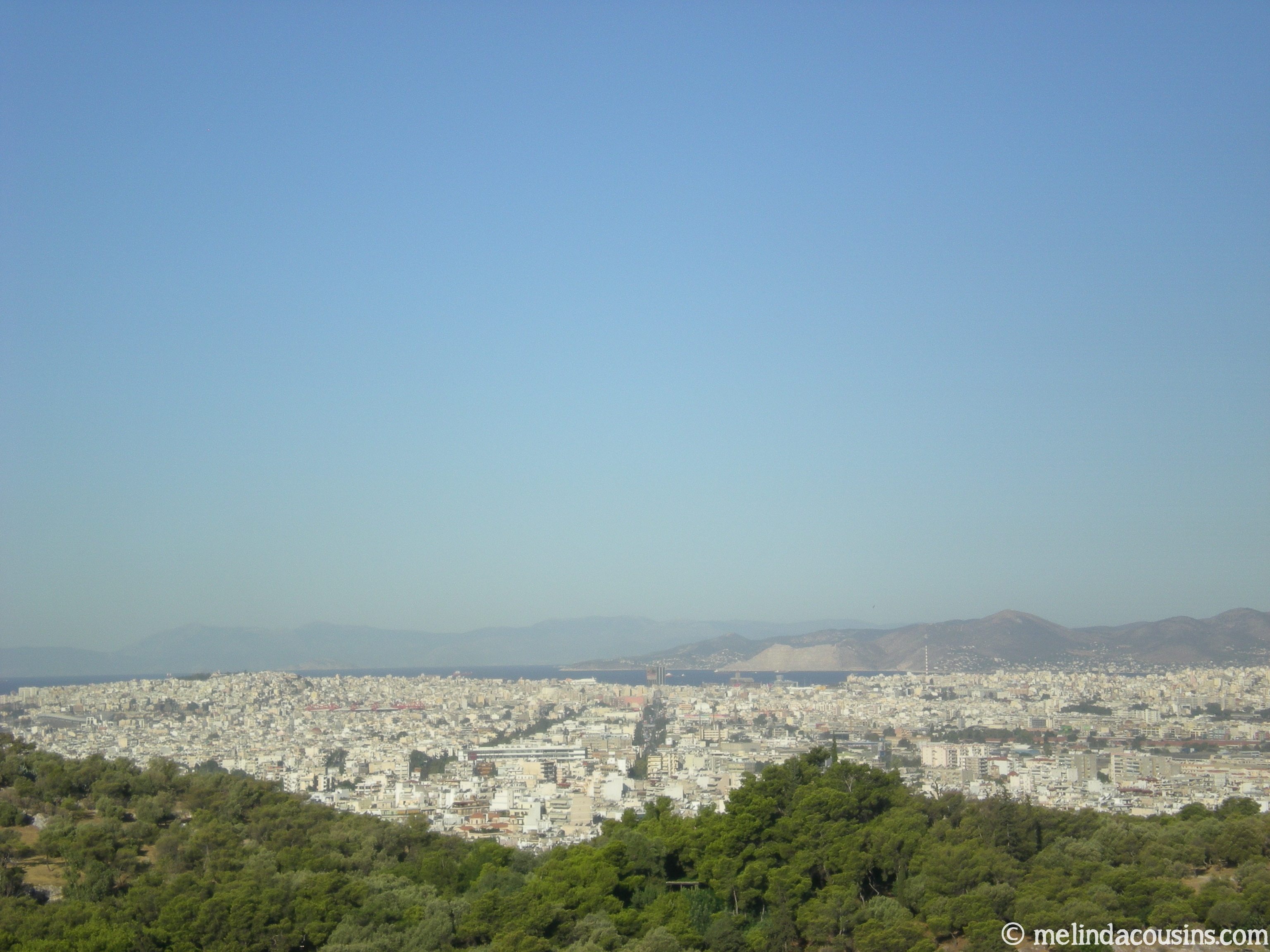
Acropolis view

What did I learn from Athens?

It is good to appreciate how much we stand on the shoulders of those who have come before us. For example, while some of my American friends may occasionally talk as though they invented democracy :), that is just one of the many ideas and practices we have to thank the ancient Greeks, amongst others, for.
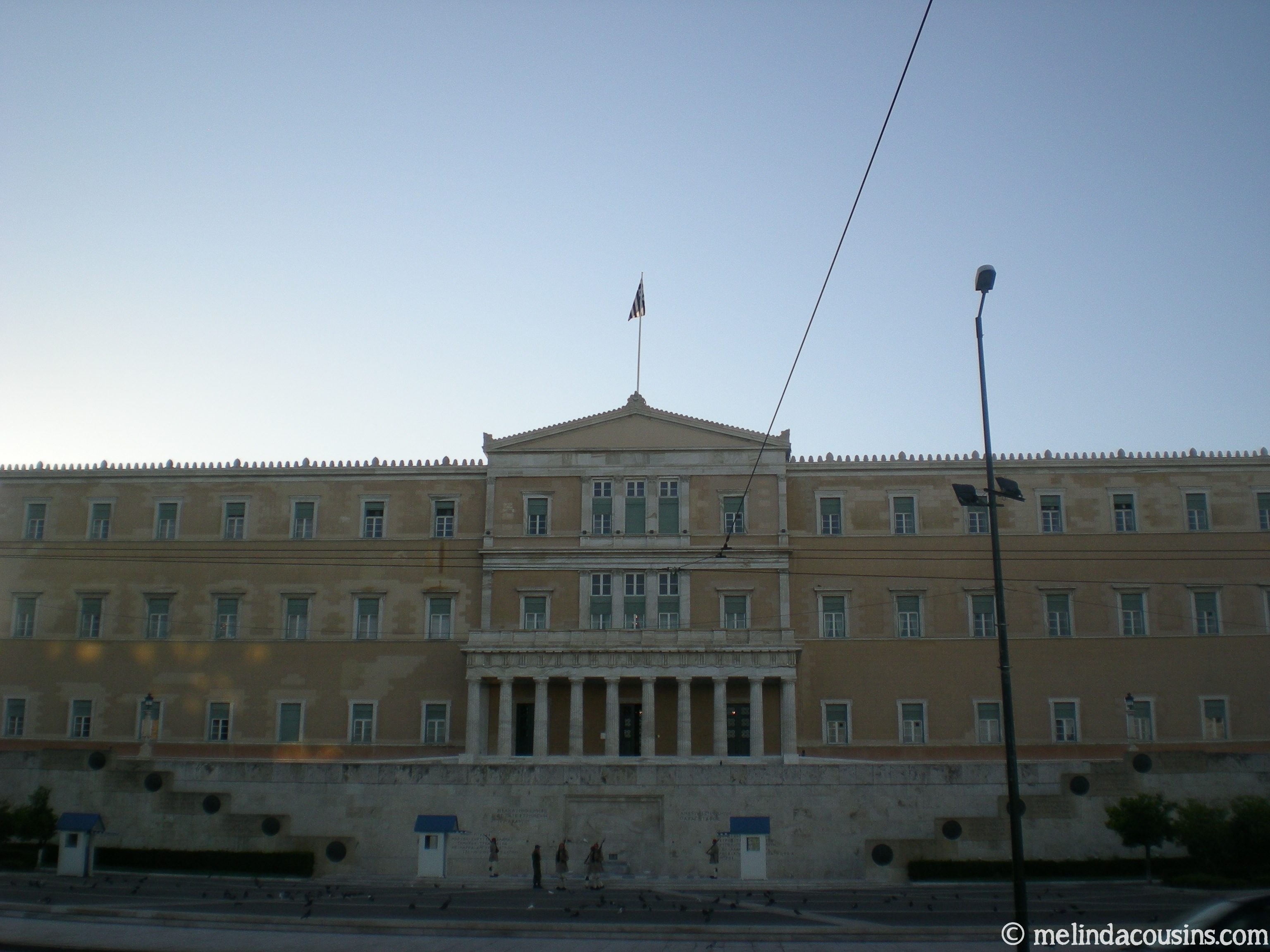
Greek Parliament
Greek Parliament, Syntagma Square

The Parthenon, one of the world’s most famous buildings, represents the contributions to our understandings of and appreciation for architecture.

Parthenon

Many great thinkers of their day shared their ideas in the market places and forums of this city.
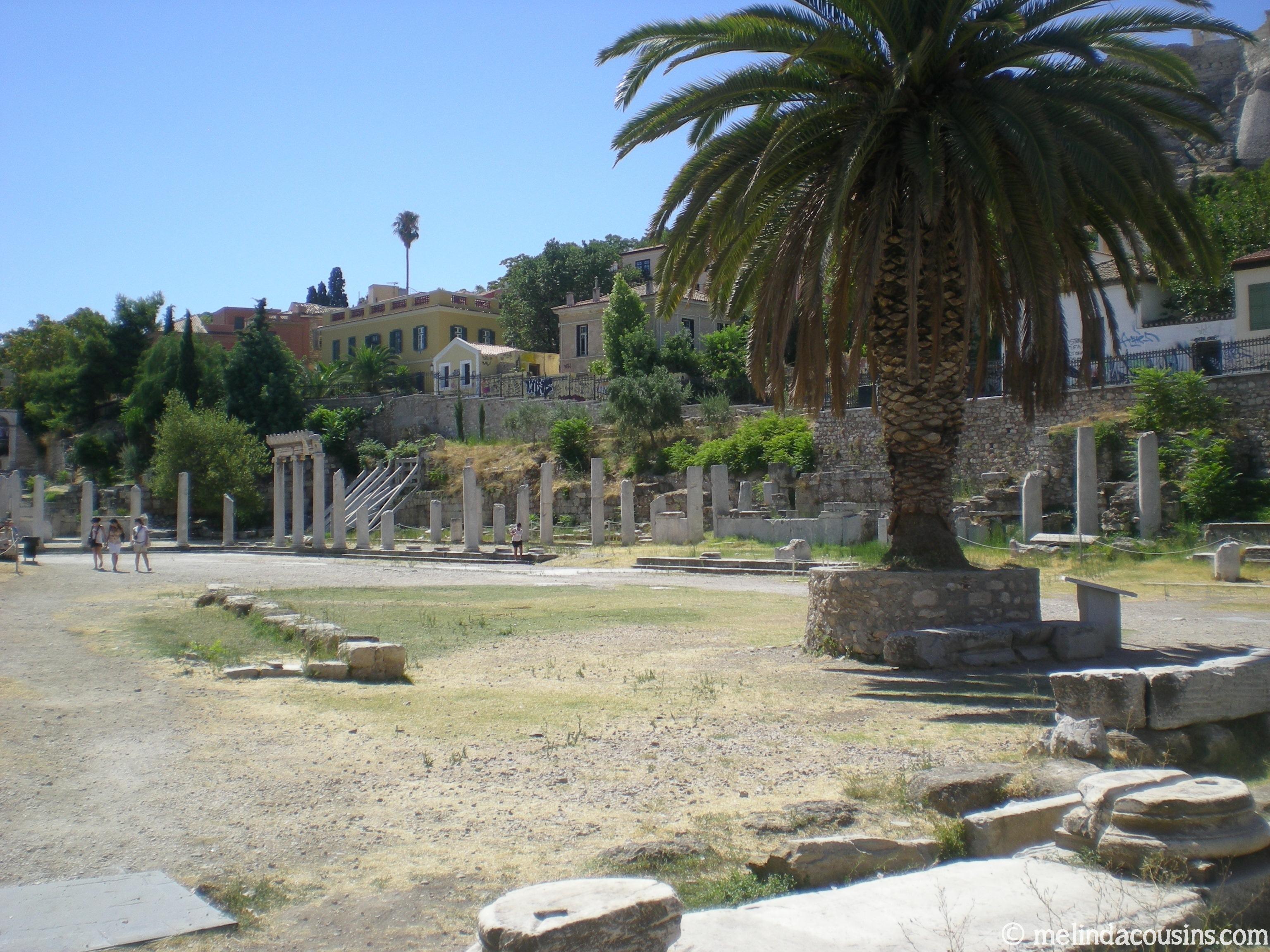
Agora ruins

One of the highlights for me was standing where the Apostle Paul stood to share with some Athenians the good news about Jesus for the first time.
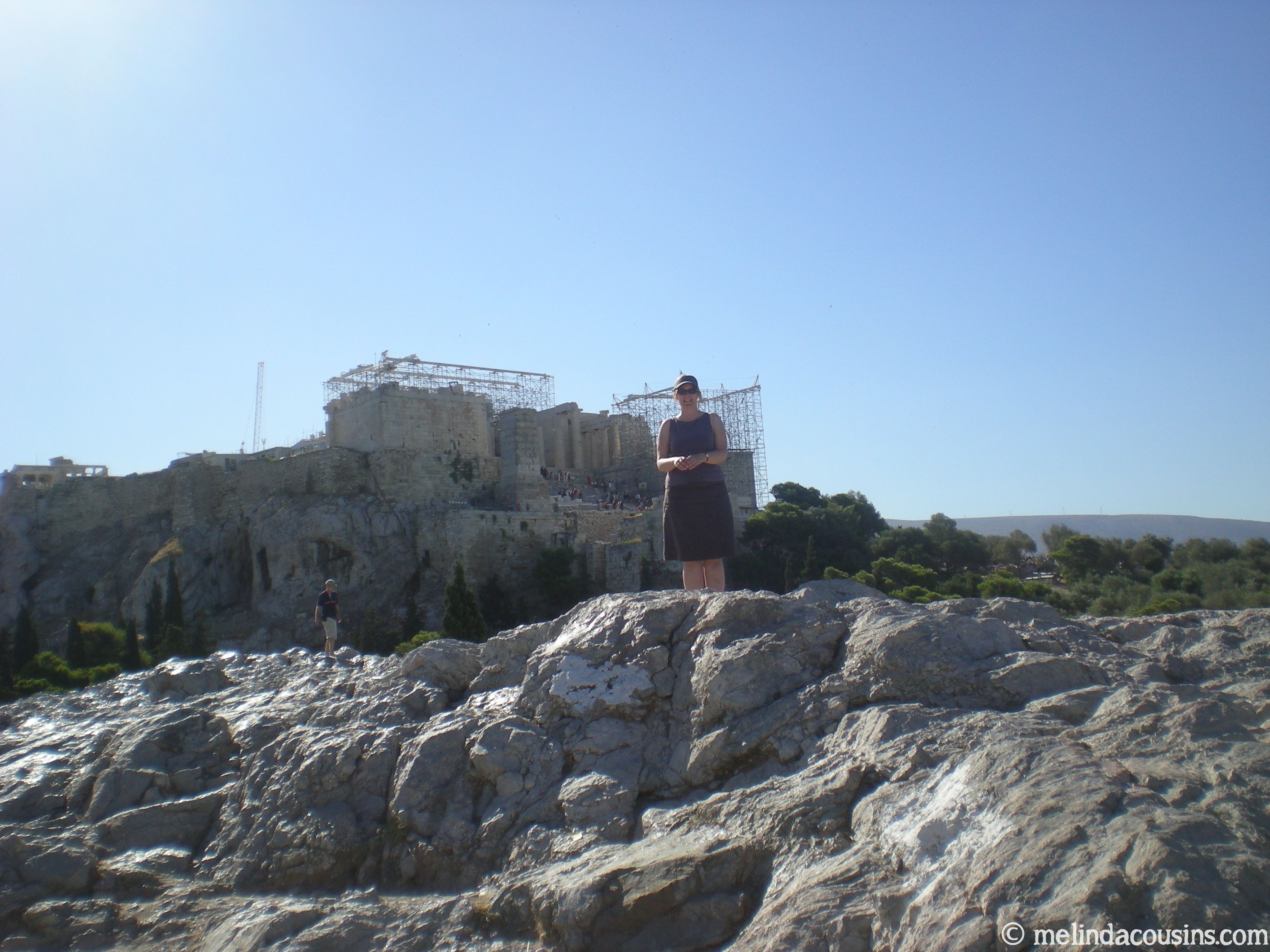
Areopagus
Me on the Areopagus (Mars Hill)

As I slowly read the words of his sermon recorded on this plaque, I was challenged anew by his example in sharing his faith both passionately and respectfully.
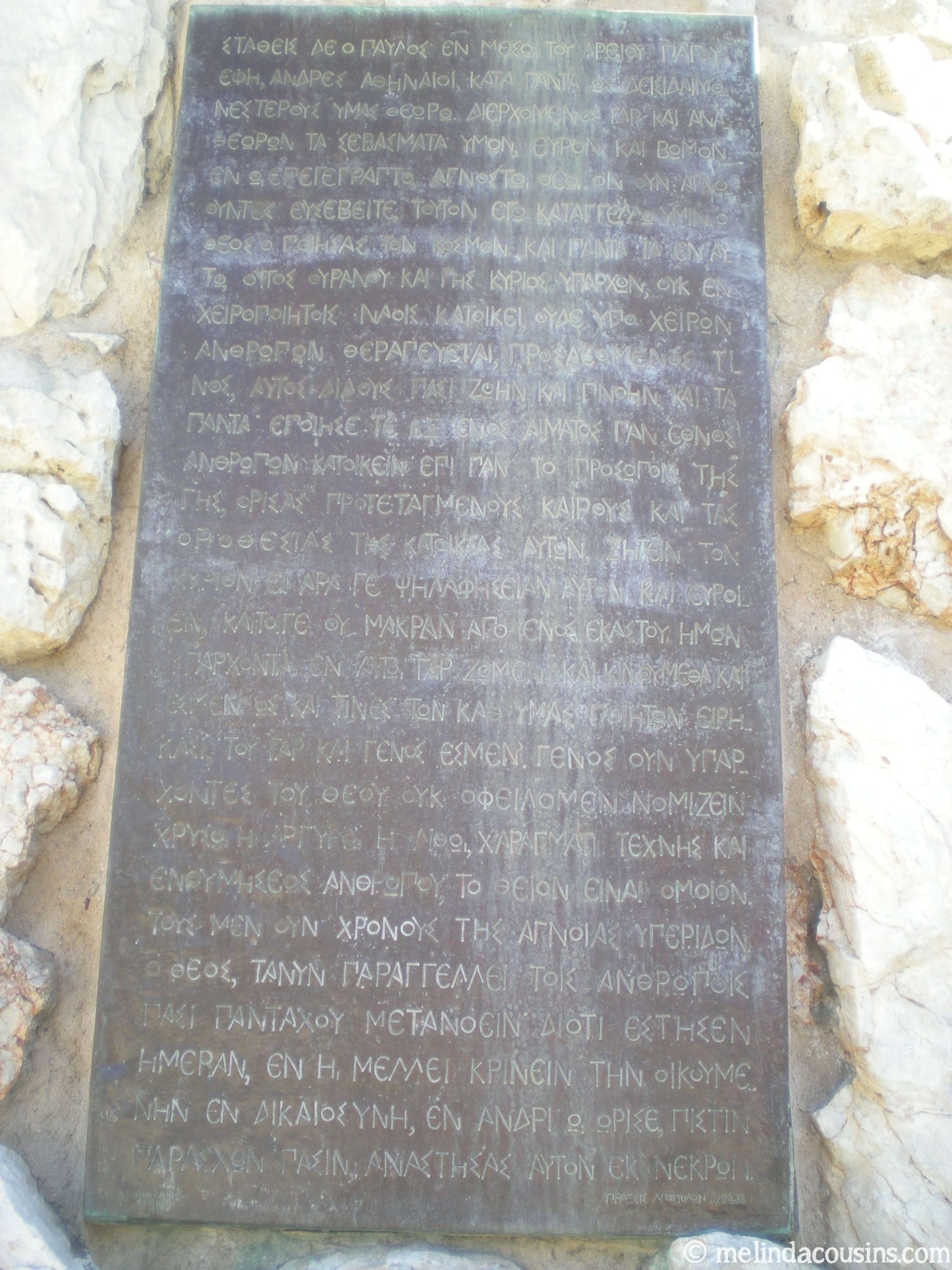
Areopagus sign
The Greek text of Paul’s sermon to the Athenians

And as we entered the small and ancient Church of the Holy Apostles in the Agora, I was reminded of the way faith in Jesus has brought hope, purpose and passion to the lives of so many over so long. As a Christian, I am part of a family that is not only global, but transcends time. It humbles me to recognise that I am just one among so many, and yet I’m also proud to be part of something so historically transformative.
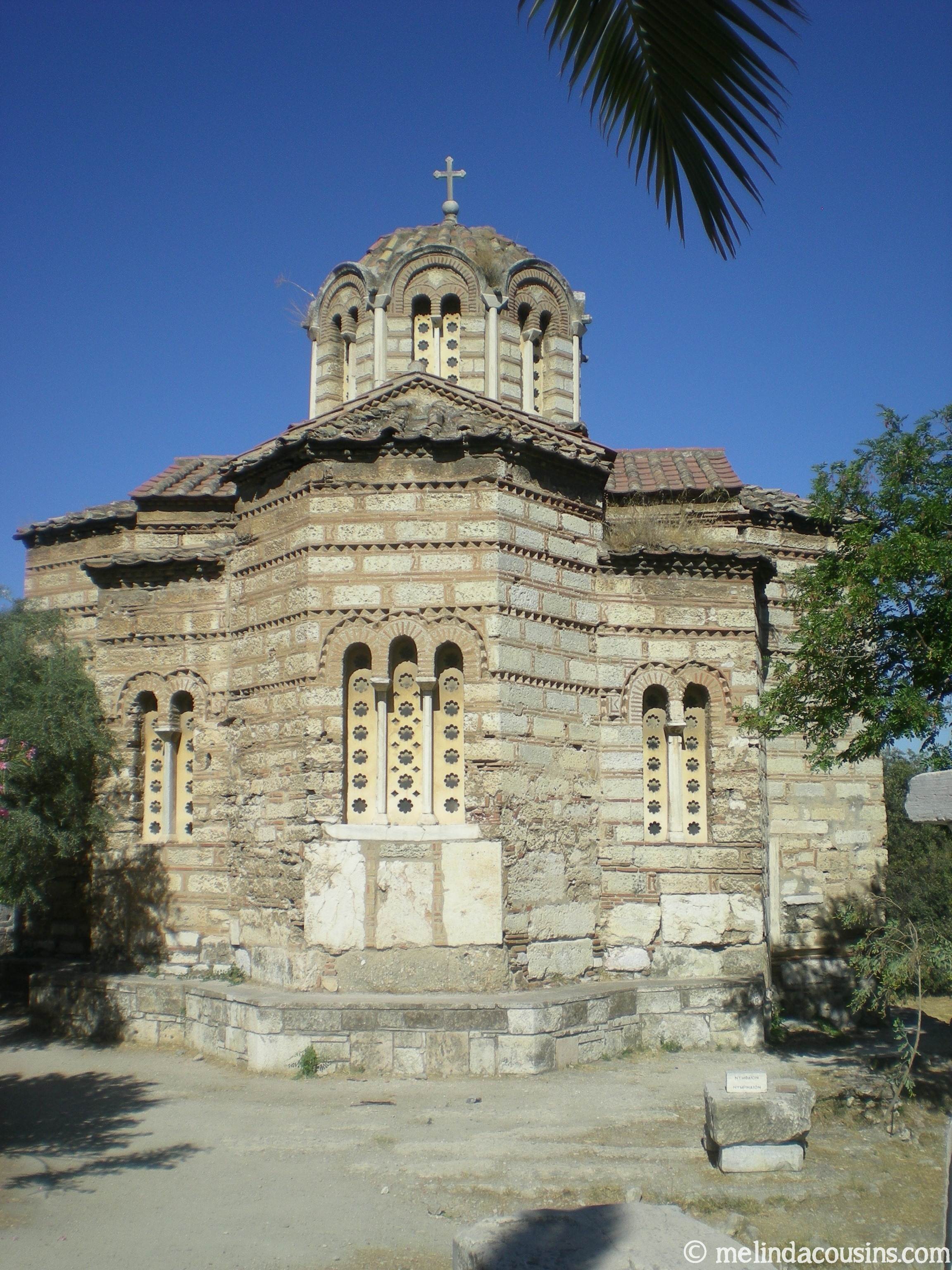
CHurch of the holy apostles outside

That was a lesson that had already been brought home to me back in that airport chapel I mentioned earlier. In the wee hours of the morning, a lady came in looking for someone to pray for her. We hardly had any language in common, and yet for a few minutes that morning I was able to be for her what so many others have in different times and places been for me – a sister in faith, sharing her burden just for a moment.

Church of the holy apostles inside
Inside the ancient Church of the Holy Apostles, Athens Agora


So many words. Who is really listening?

Listening - FDR Memorial

There has been so much going on in the world over the last few weeks. Gaza. Israel. Ukraine. MH 17. Iraq. Syria. Nigeria. Nauru. I’ve found myself in the paradoxical position of feeling lost for words … and yet wanting to say so much.

But when I scroll through my facebook or twitter feeds I see link after link to articles and opinion pieces and blog posts. So much virtual ink being spilled. So many words. So many people speaking.

It makes me wonder.

Who is listening?

Certainly not the people commenting on many of the opinion pieces or blog posts I have read. Mostly they seem to be talking past each other, in a hurry to accuse each other of being on the wrong side, or of saying or thinking the wrong thing.

So many strong opinions. So many assumptions that one comment made implies a whole host of other opinions and positions. So many implications that there are only two sides to an issue and one is completely right and the other completely wrong. So many black and white pronouncements. So many accusations.

Yes, I have informed opinions about what is going on in Gaza. Yes, I have strong feelings about what is happening to the Christians in Iraq and how it is (or isn’t) being portrayed in the mainstream media. Yes, I have thoughts about the shooting down of MH 17 and how our country has responded to it. Yes, I have passions about how the Australian government is talking about and treating refugees arriving by boat. Yes, I am still concerned about the missing kidnapped girls in Nigeria and violence against women everywhere. Yes, I could go on.

I could write post after post about each of those situations. I have tried to educate myself about each of them. I have some experience with the issues involved in some of them. I hope I bring a thoughtful, theological perspective to bear on them.

But before I say another word about them, I have two questions. One is for you and the other is for me.

First, to you. Would you listen? Would you really listen to me? Or would you use what I said to judge me and pigeonhole me and decide whether I am on “your side” of an issue or not? Would I simply confirm what you already think, or lead you to dismiss my thought processes because you have already decided you disagree with my conclusion? Is there any chance that something I say could change how you think about these situations? Because if there isn’t, you cannot hear me.

Second, to me. Have I really listened? Before I speak, have I taken every opportunity to really hear those who are directly affected by the situations the rest of us are opining about? Because I fear that what I see too often is people like me, people in comfortable, wealthy, educated, privileged positions, pontificating about situations in which real people are suffering. How many of them have I listened to? I mean really listened to. How many of them have I greeted by name, sat down with, and genuinely sought to hear?

I was wondering the other day how different the internet would be if there was a rule that you could only write a blog post or an opinion piece about a situation in the world if you were actually on a first name basis with a real person living in that situation and had listened to what they have to say. No doubt that’s an idealistic, unworkable idea, but it’s one that challenges me and keeps me asking questions rather than making statements.

The apostle James spoke these words of wisdom nearly two thousand years ago.

“My dear brothers and sisters, take note of this: Everyone should be quick to listen, slow to speak, and slow to become angry.”

What would it look like for us to listen, really listen, to these words in the way we respond to the crises around our world? Do you think perhaps it could somehow make a difference?

There is never a good day to be in Auschwitz-Birkenau

Krakow is such a charming old city (one I’m sure I will write a future post about how much I Iove) and the drive to the town of Oświęcim passes through picturesque countryside. It’s hard to comprehend how such horror happened in such a beautiful place. I’m enjoying my stay in Poland, but I’m not sure that anyone could say they “enjoyed” visiting the site of the largest and most horrifically “efficient” mass murder in human history. But it is an important place to visit, to be aware of, to remember … and I’m thankful for the opportunity I had to do all of those things at the memorials of Auschwitz-Birkenau today.

DSCN3075
Memorial text: For ever let this place be a cry of despair and a warning to humanity, where the Nazis murdered about one and a half million men, women, and children, mainly Jews from various countries of Europe.

I’m still processing what I saw today.

Freight car used to deport Jews from Hungary, 80-150 at a time

Before entering the sites, we watched documentary footage taken by the Russian army when they liberated the camps in January 1945. The horror of first hand accounts by both survivors and liberators had me in tears.

DSCN2994

Walking through Auschwitz and Birkenau themselves, however, I didn’t cry. I can’t tell you why. My most common thought was actually this one:

“I just don’t know how to feel this.”

It’s too overwhelming, too big to fathom, too unthinkable to comprehend.

DSCN3025

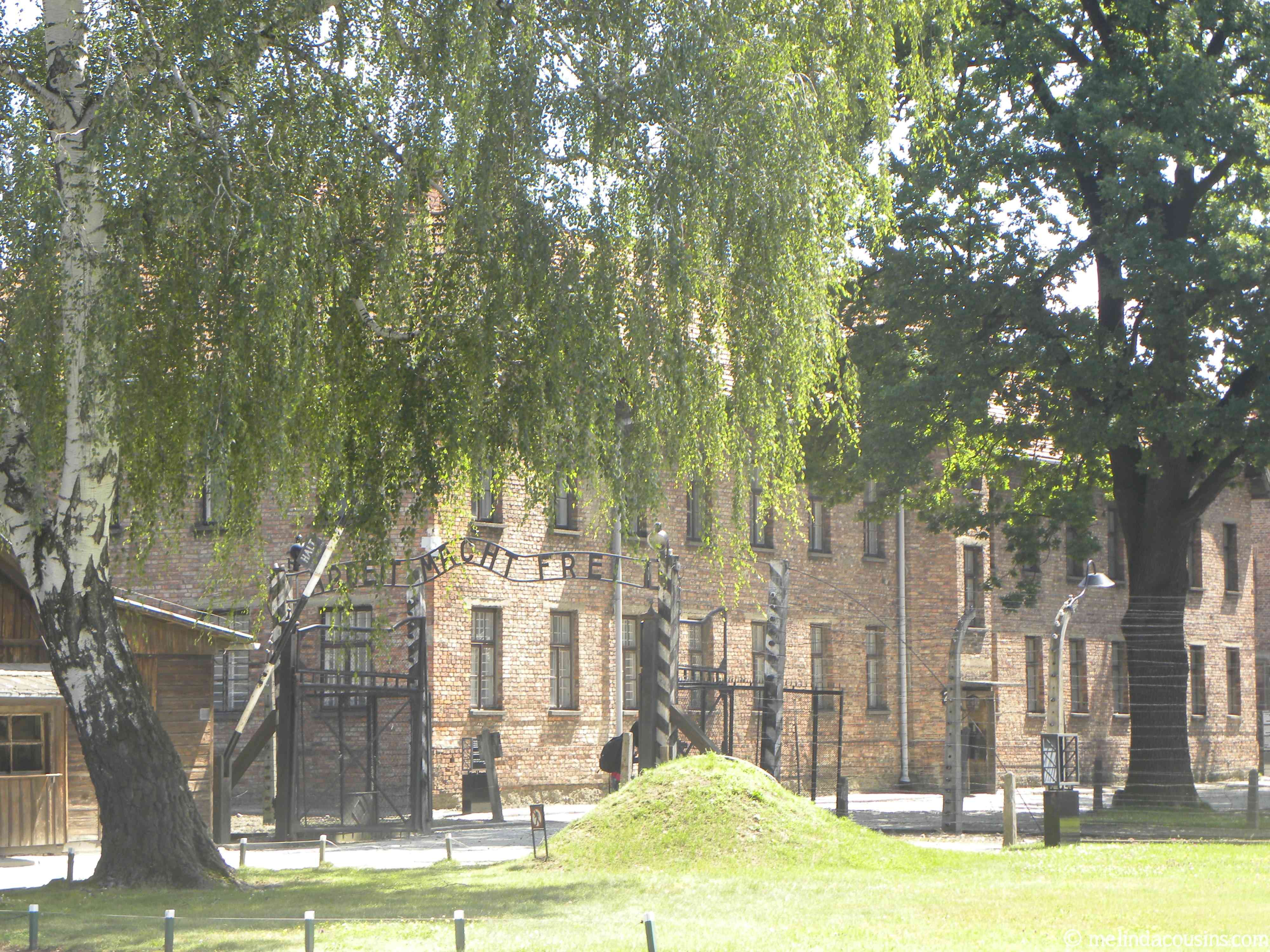
How should you look upon the gate with its infamous “Work brings freedom” sign, and the place behind it where the orchestra was forced to play happy songs as their families and neighbours marched out to work, often to their torture and death?

DSCN3039

How do you describe a room filled with literal tonnes of human hair, knowing it was shaved from hundreds of thousands of corpses, people who had been gassed only minutes before?

DSCN2977

How do you respond to the guard tower from which SS soldiers led roll calls that lasted for hours in freezing temperatures with the living propping up the dead because everyone had to be counted?

DSCN3021

What are you supposed to feel when you stand on the railway platform where over a million men, women and children were sent to their deaths with the casual wave of a doctor’s arm?

DSCN3043

What are the right words for the emotion of walking in their footsteps the 400 metre path to the gas chambers, conscious that in a few moments you will get to turn around and walk back the other way when they didn’t?

DSCN3079

Questions like this are relentless in this place. You question your own reactions, you question the responses of others.

Women's barrack bunks Birkenau

Is it a good thing or a bad thing that there are people chatting, smiling, taking photos of themselves and even laughing as they wander through this place?

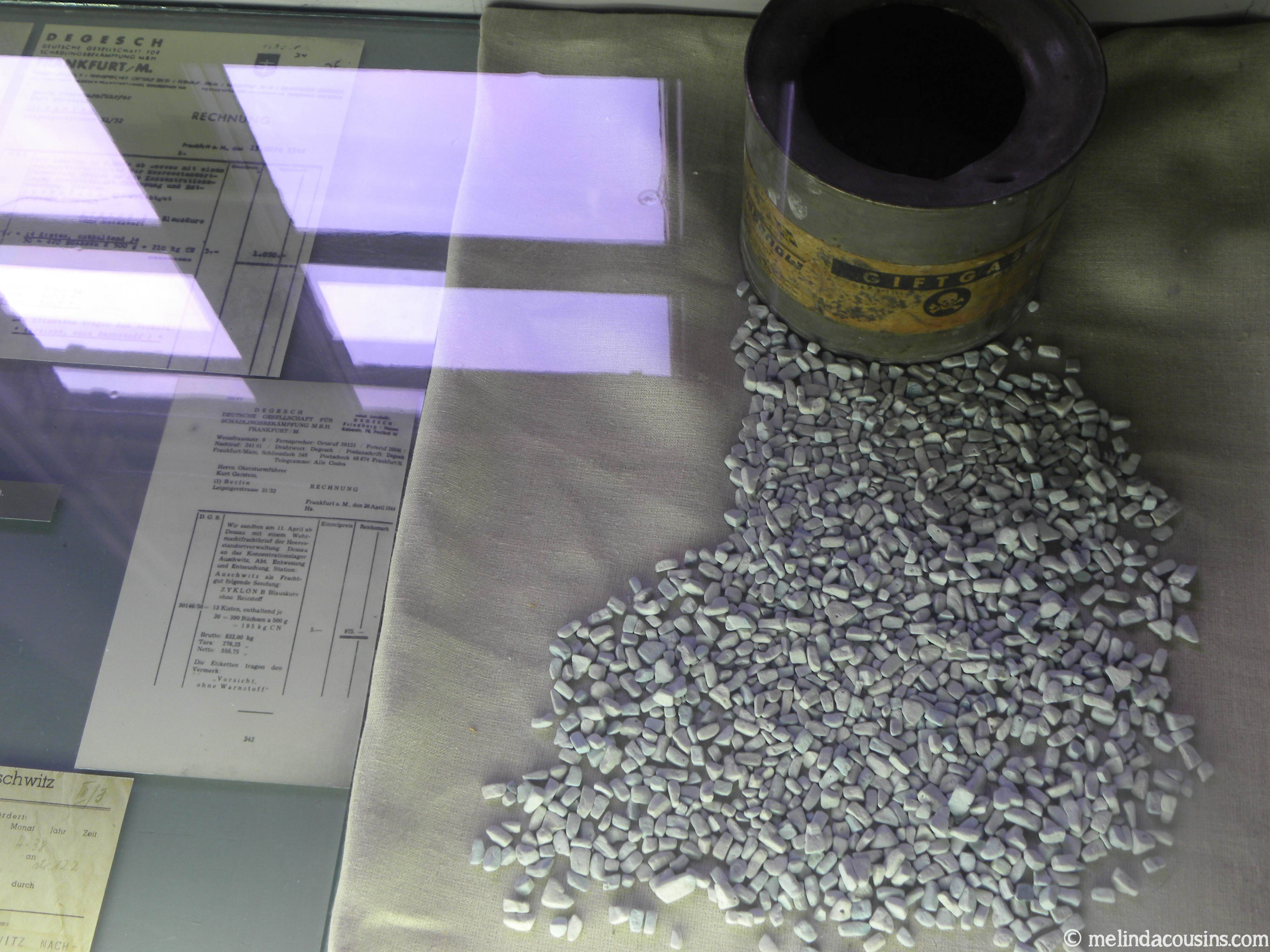
Zyklon B

What do you think when your stomach starts grumbling because you haven’t eaten in a few hours and your mind unthinkingly says, “I’m starving,” before you remember that you are walking past barracks where thousands of people died of emaciation, malnutrition and starvation?

DSCN2990

How do you look upon the loud, brash group of young adults from the USA sauntering around proudly draped in modern Israeli flags? Is it right or wrong to find yourself unable to stop from comparing them with the quiet group of older observant Jews wearing yarmulkes and pausing to visibly mourn at various places? And what must they think of the tourists trying to sneakily take photos in places where cameras are not allowed out of respect for the humans whose remains are on display?

suitcases

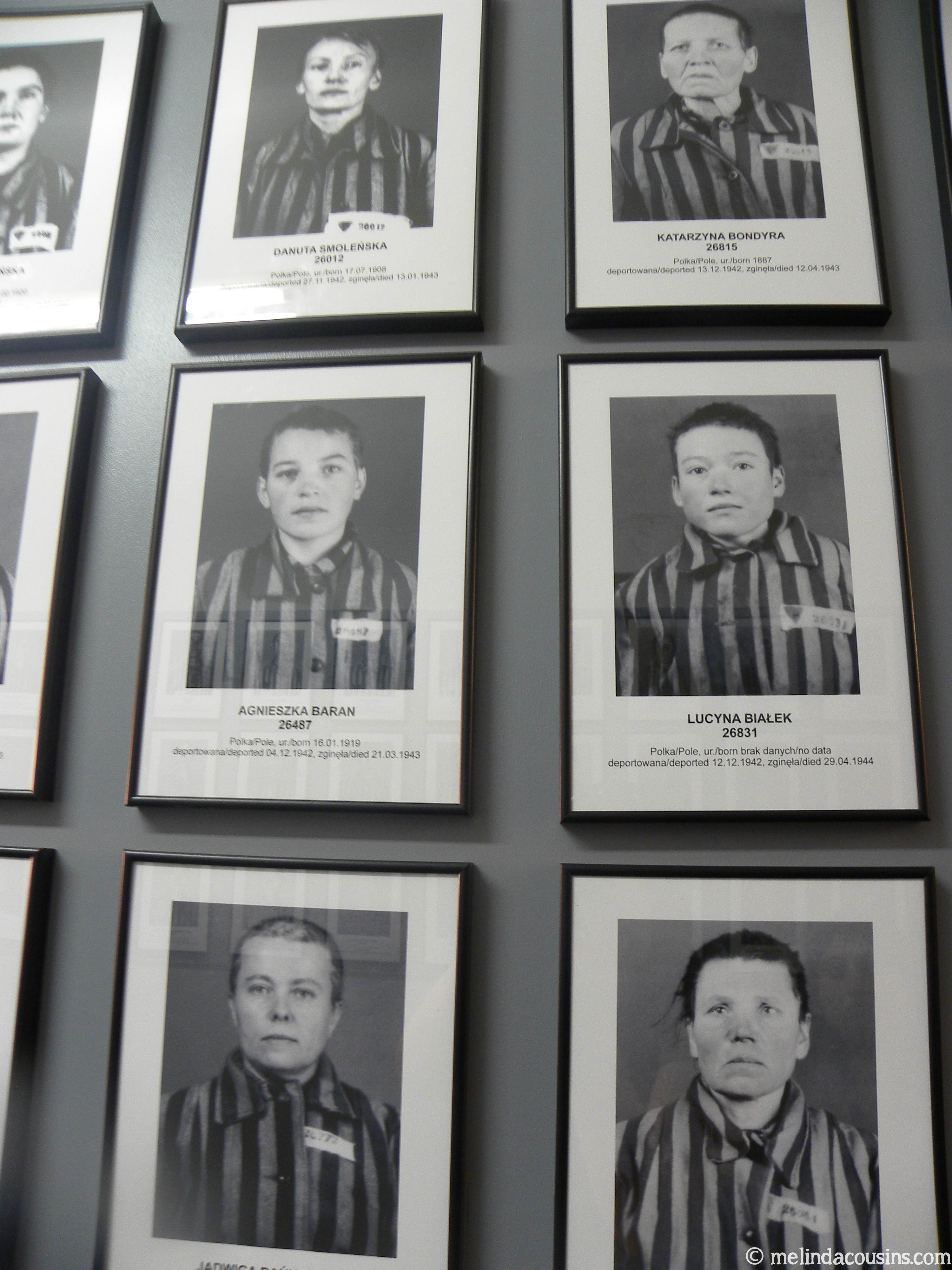
How do I remember and respect in a way that honours the humanity and dignity of individual people, people with stories and hopes and dreams just like me, people who were dehumanised and stripped of all they had, even their names, and whose individual preciousness is even today so easily consumed by the sheer number of all who suffered and died alongside them?

Execution Wall Auschwitz

And most of all, what difference will it make to my life that I have walked through this place? How do I live with hope knowing that people, ordinary people, are capable of such darkness? How do I live with justice knowing that people, ordinary people, chose to turn a blind eye to the incremental shift in attitudes and laws that eventually led to a place like this becoming a reality?

Gas Chamber, Auschwitz

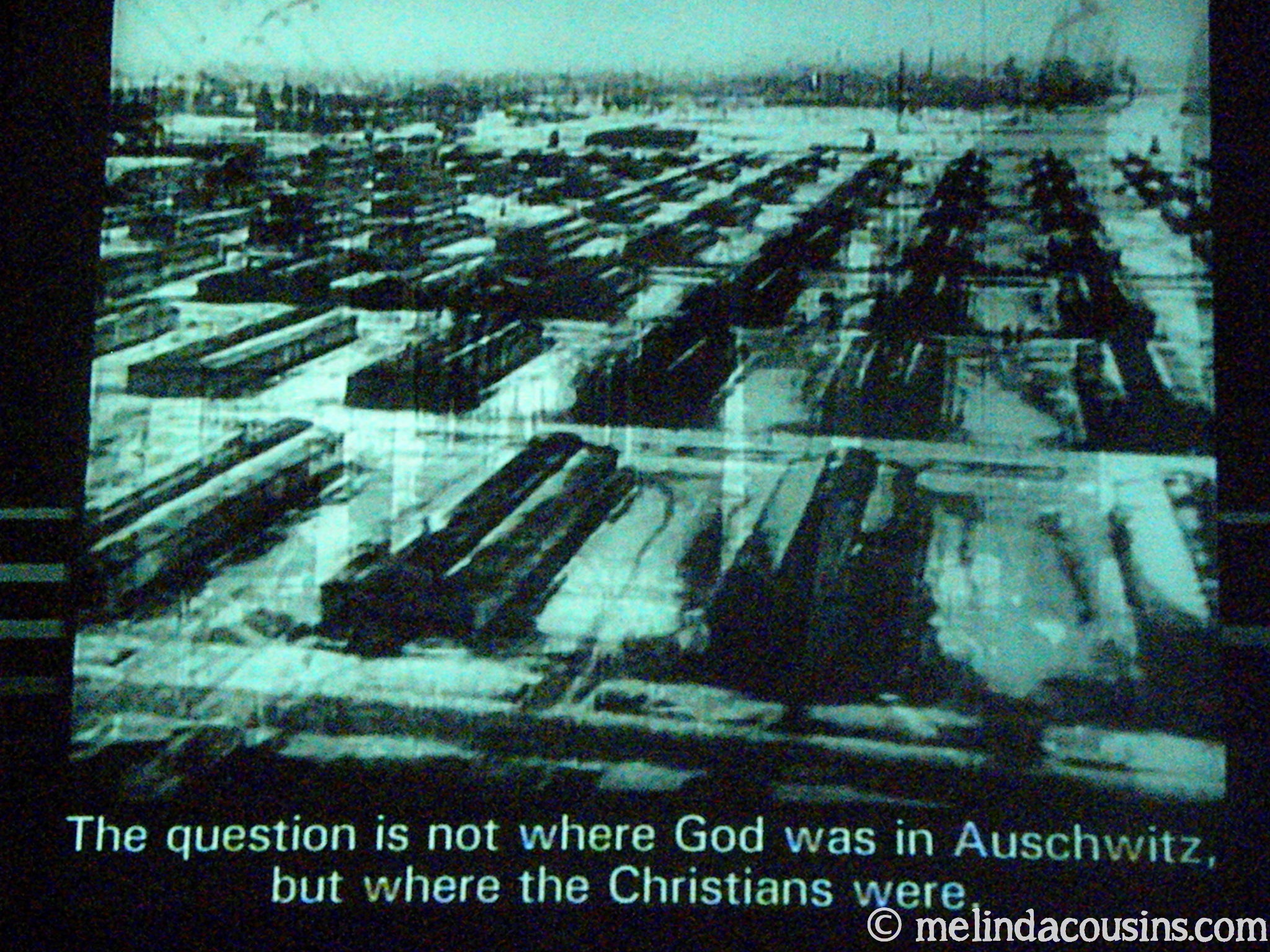
Perhaps the question that sticks with me, and the most confronting one for me personally as a follower of Jesus, was one voiced in a film I watched only a couple of days ago in the Holocaust Memorial in Budapest; one I have been challenged to consider the ramifications of in my own life in the world today.

“The question is not where God was in Auschwitz, but where the Christians were.”

DSCN2734